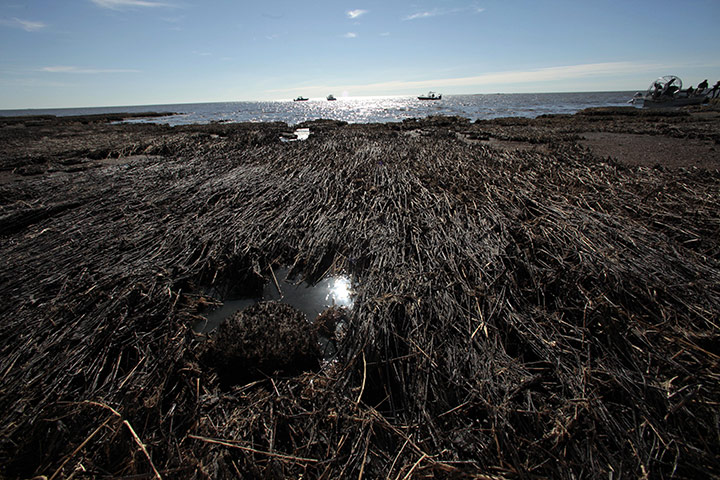
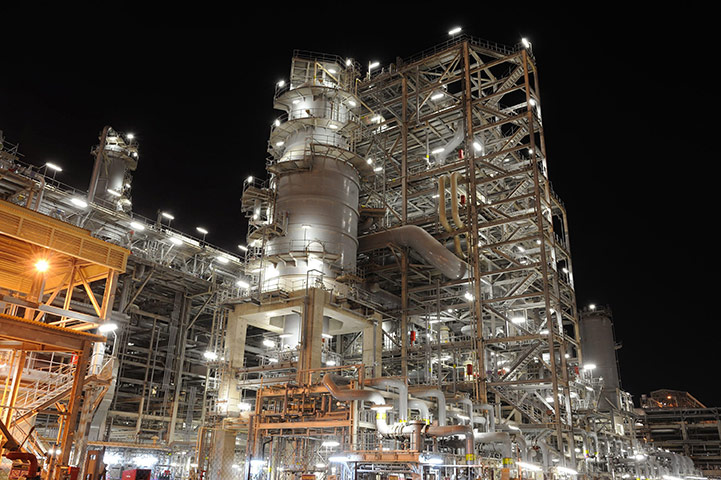
Oil prices and oil companies were in the spotlight this week. BP confirmed rumours that it would restore its dividend and put a $40bn figures on the clean-up costs for the Deepwater Horizon oil spill. The financial results, and first loss for the company were received badly by the stock market. Its problems were compounded by US regulators investigating its gas market tradingPhotograph: Ben Stansall/AFP/Getty ImagesThe Gulf of Mexico should recover from the massive BP oil spill by the end of 2012, the administrator of the $20bn (£12bn) victims' compensation fund said. Photograph: Gerald Herbert/APShell reported better figures, revealing that it made £1.6m an hour in the last three months of 2010Photograph: Shell/EPA
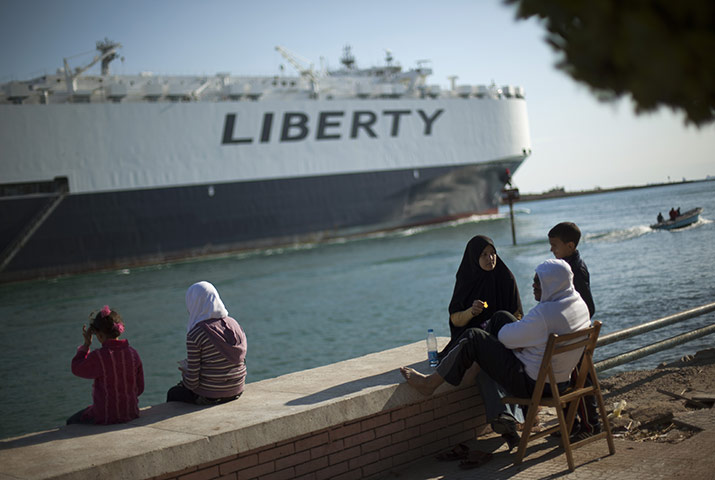
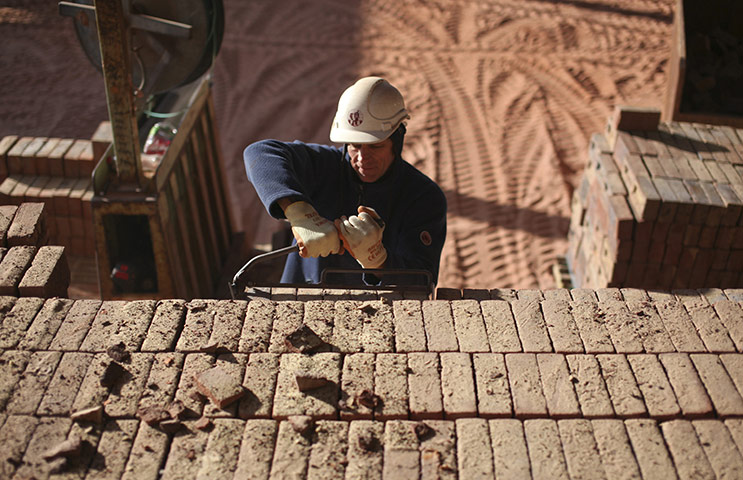
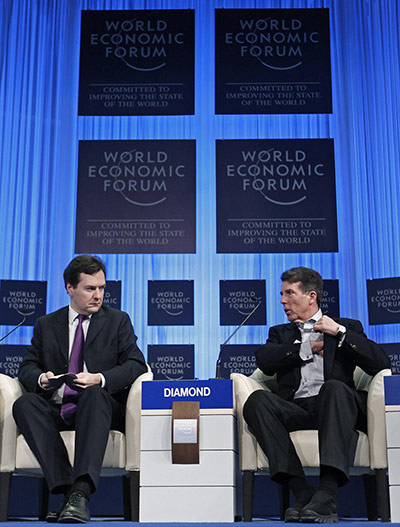
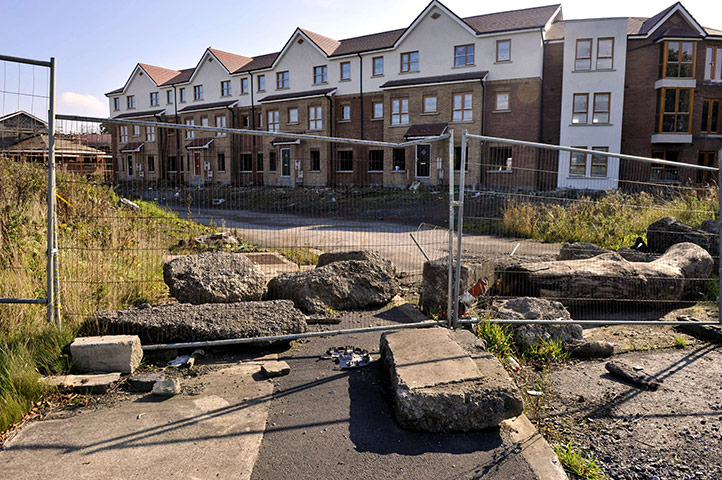
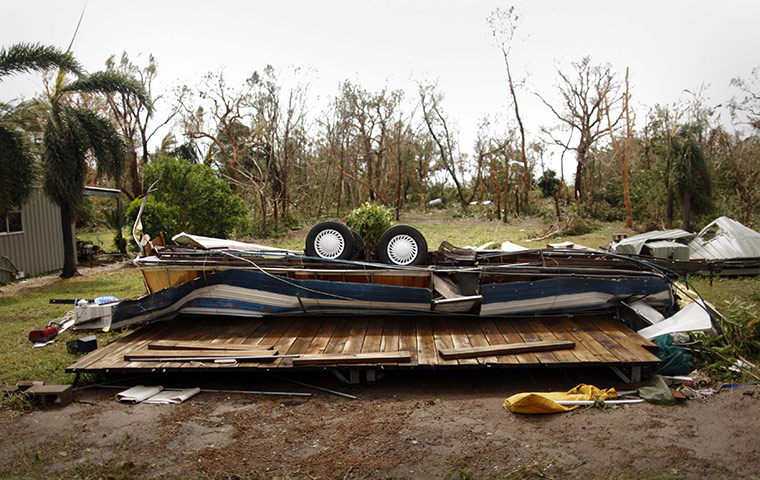
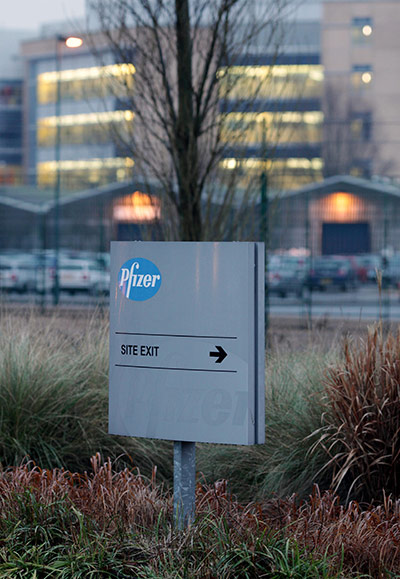
Fears that the turmoil in Egypt could disrupt oil shipments passing through the Suez canal and engulf the Middle East drove the price of Brent crude oil through the $100 barrier for the first time in over two years. The price of a barrel of crude soared by more than $1.50 to as high as $101.08 a barrel as the protests against President Hosni Mubarak's regime intensifiedPhotograph: Emilio Morenatti/APIt was another busy week for economic announcements. Britain's service industries rebounded to an eight-month high in January as the weather improved and business returned to 'pre-snow' growth Photograph: Dan Kitwood/Getty ImagesAnd Britain's construction industry bounced back last month as activity increased following December's snow chaos. An employee removes finished bricks from a kiln at the Michelmersh Brick Holdings site in Haywards HeathPhotograph: Chris Ratcliffe/Bloomberg via Getty ImagesThe Bank of England may have to put up interest rates if the commodity price boom continues, deputy governor Charles Bean warned. Bean pointed to the substantial rises in food and oil prices in recent months as a reason for possible rate increasesPhotograph: Howard Kingsnorth/Getty ImagesGeorge Osborne (pictured with Barclays boss Bob Diamond at last week's Davos summit) should resist the temptation for lavish handouts in next month's budget and stick to his deficit-cutting strategy, the respected Institute for Fiscal Studies saidPhotograph: Vincent Kessler/ReutersTui Travel, Europe's biggest travel company, has warned that the unrest in Egypt and Tunisia will cost it up to £30m as customers cancel or reschedule holidays. As the clashes in Egypt turned increasingly violent, Tui said that the current 'economic and geopolitical uncertainty' casts a shadow over its outlook for 2011 Photograph: Emilio Morenatti/APJJB Sports, the struggling sports retailer, admitted that unless investors stumped up more cash it could run out of money within two months, putting more than 6,000 jobs at riskPhotograph: Simon Dawson/Bloomberg via Getty ImagesIreland's National Asset Management Agency, the toxic bank set up to cleanse the banks of all property and land loans, has a plan of action for non-performing hotels. It is going to close them down and board them up. It will mean another blot on the landscape in rural Ireland where hotels – often poorly designed - cropped up like a rash in towns previously not associated with tourism Photograph: Jussi Nukari/Rex FeaturesThe price of copper hit a new record high, as Australia's fiercest cyclone in decades hit the North Queensland coast. The news that mining giant Xstrata was evacuating its copper refining and port operations in Townsville as cyclone Yasi approached helped to push the metal to as high as $10,000 a tonne Photograph: TIM WIMBORNE/ReutersThe government's plans to rebuild the economy around key hi-tech industries suffered a blow after the drugs maker Pfizer closed its only research and development facility in the UK. The factory in Sandwich, which developed the impotence drug Viagra, will close with the loss of 2,400 jobs, leaving an area of deprivation on the Kent coast with few remaining private sector jobsPhotograph: Gareth Fuller/PA
Sign up to read this article
Read news from 100’s of titles, curated specifically for you.