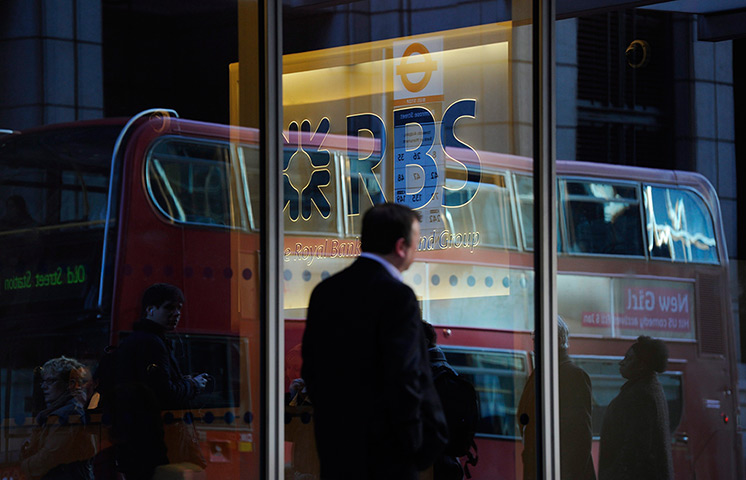
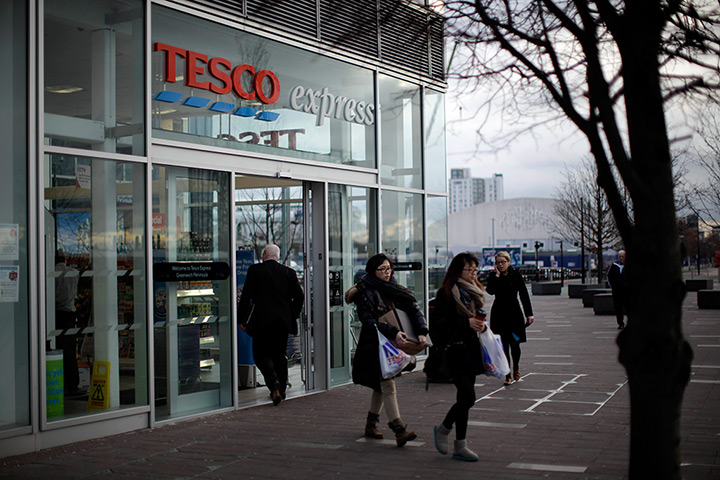
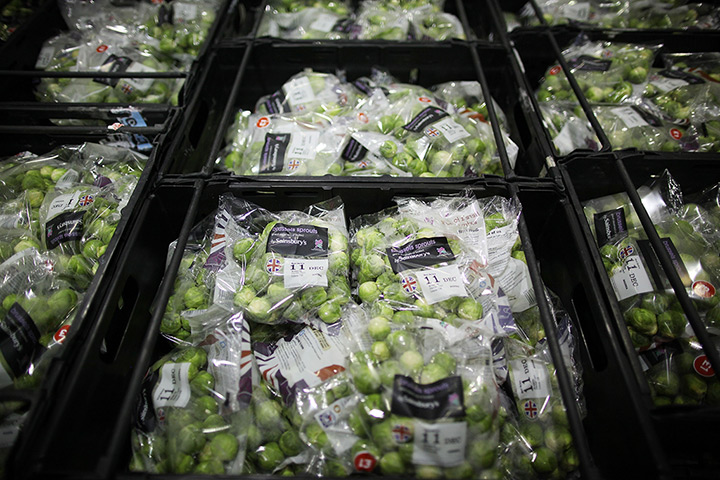
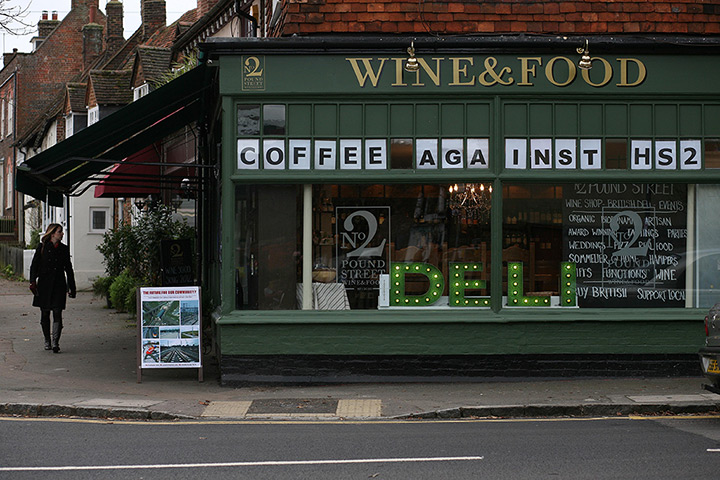
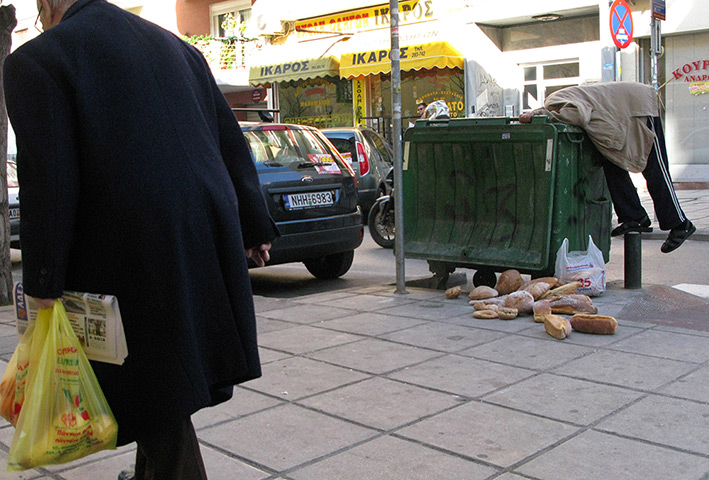
Banks worldwide are shedding jobs as stricter regulations and eurozone woes take their toll on trading income and investment banking units. Royal Bank of Scotland confirmed on Thursday it would cut about 3,500 investment banking staff, in an overhaul of the unit. It had alreadymade about 2,000 investment bank job cuts in 2011. The plans bring staff cuts announced since mid-2011 or reported to be in the works to133,500 at major banksPhotograph: Facundo Arrizabalaga/EPAMore than £4bn was wiped off the stock market value of Tesco on Thursday after Britain's biggest retailer delivered its worst Christmas sales performance in decades and warned it would see "minimal" profits growth this year. On a black day for the high street, major chains including Argos, Mothercare, Halfords and Thorntons reported sales declines over the crucial holiday season as the squeeze on living standards forced Britons to rein in their spending.Photograph: Matt Dunham/APSainsbury's, SuperGroup and Greggs emerged as the winners on Wednesday from a brutal Christmas holiday season for the retail industry. Britain's third largest grocer was the surprise victor in the supermarket wars. Justin King, chief executive, said Sainsbury's had prospered, as shoppers apparently scrimped in October and November to fund a blowout in December: "Customers took the opportunity to spend a little less, week in week out, so they could buy the best for special occasions."Photograph: Peter Macdiarmid/Getty Images
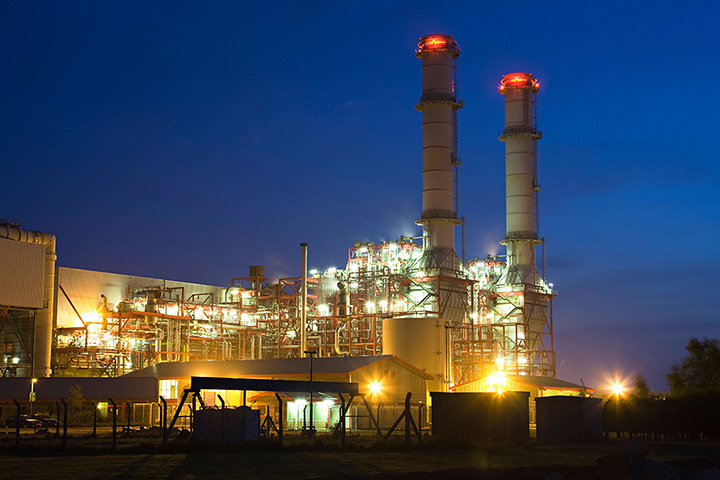
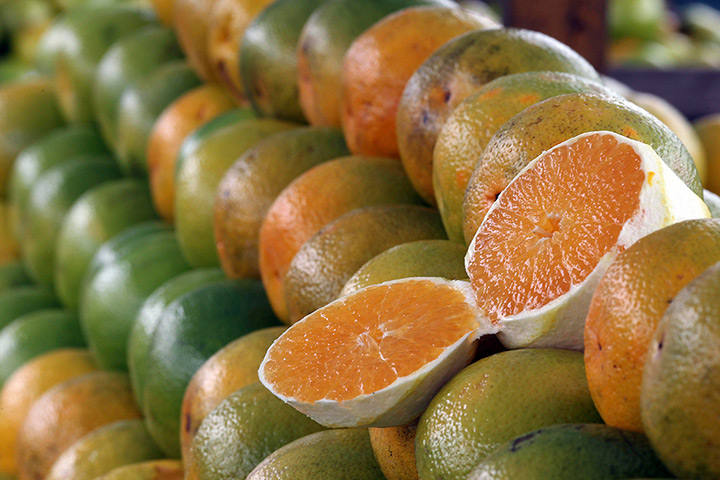
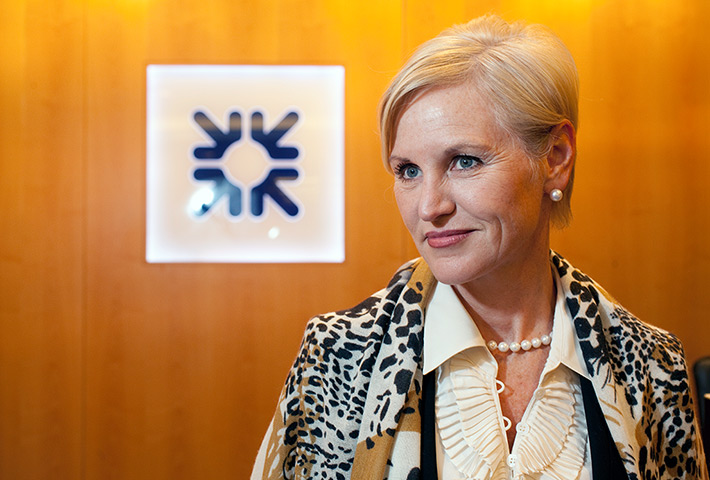
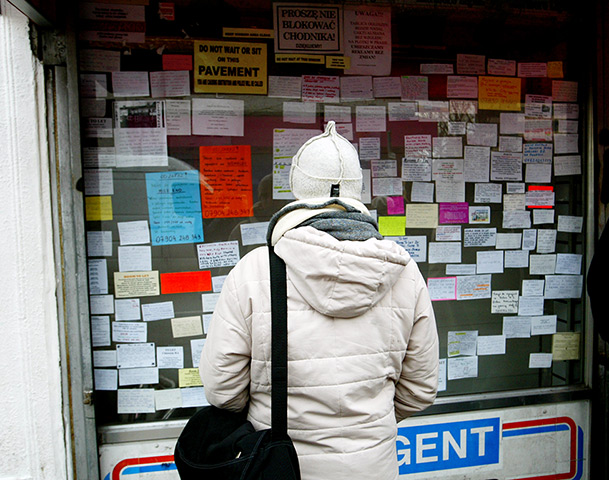
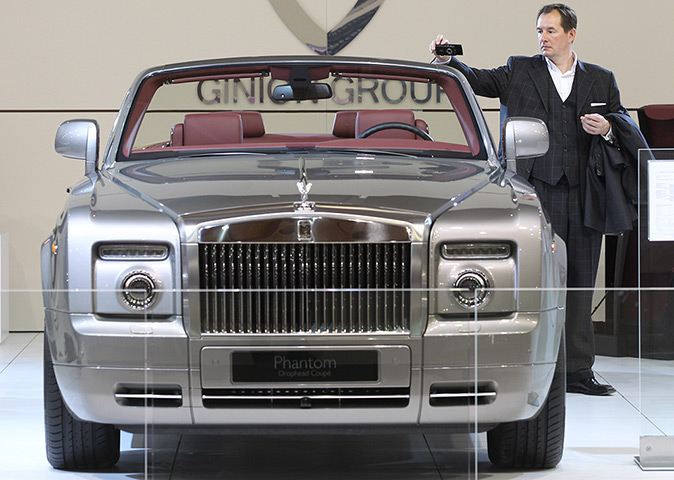
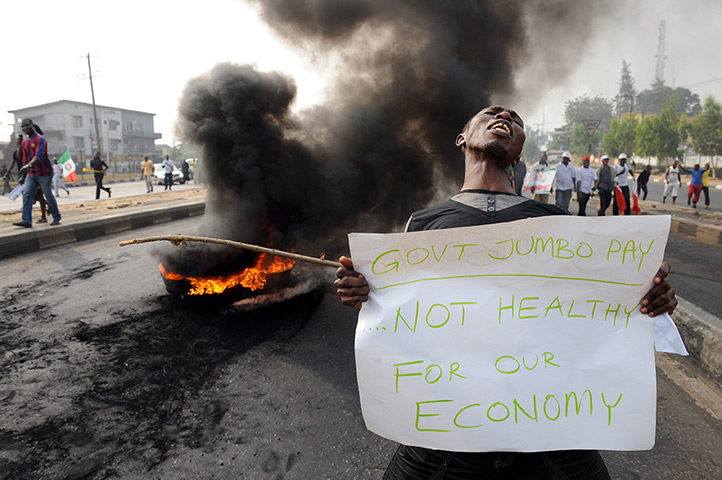
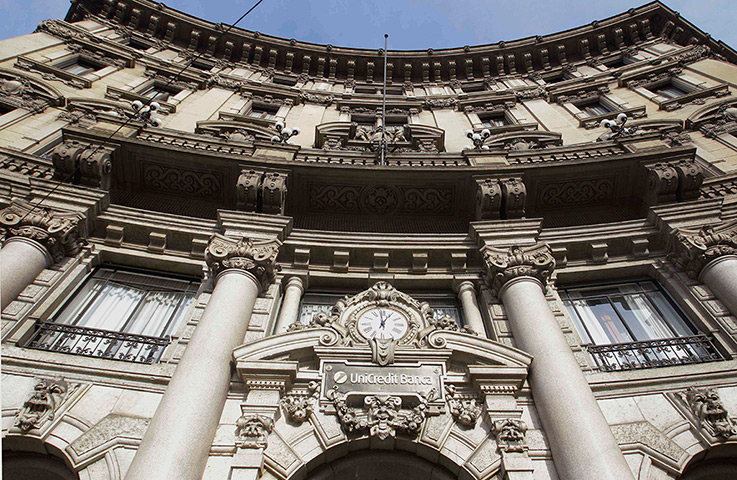
EDF Energy raised expectations of widespread cuts in household power bills from other "big six" firms by reducing its gas bills for 1.4 million customers by 5%. The move – to come into effect on 7 February – came on the day that an investigation by the consumer group Which? showed the top firms received 4m complaints last year. The next day, British Gas announced it was cutting its standard tariff by 5% with immediate effect and Scottish & Southern Electricity said it would reduce gas bills by 4.5% with effect from 26 March.Photograph: David J. Green/AlamyFears that the US might ban imports of orange juice from Brazil drove orange juice futures to an all-time high on Tuesday as health regulators began testing all incoming shipments for traces of an illegal fungicide called carbendazim. Orange juice futures jumped almost 11% on the news.Photograph: Paulo Whitaker/ReutersAlison Davis, a non-executive director of Royal Bank of Scotland (RBS). The number of women directors in British boardrooms has reached its highest ever level, almost a year after the government demanded action on the gender inequality at the top of British business. Research carried out by the Professional Boards Forum found that 14.9% of UK directors at Britain's 100 largest public companies are women, up from 12.5% in 2010. Nearly 100 more women were appointed to the boards of FTSE 100 and 250-listed firms in the last year.Photograph: Frank Baron for the GuardianThe biggest leap forward in Britain's rail network since the 19th century was announced on Tuesday with a £32.7bn investment in high-speed rail linking London with Birmingham, Manchester and Leeds. The HS2 high-speed rail scheme to be running by 2026 and completed by 2033, will almost halve some journey times between England's biggest cities and make it significantly quicker to travel from the north of England and Scotland to London.Photograph: Martin Godwin for the GuardianImmigration to Britain from outside Europe is linked to unemployment in depressed economic times, according to an explosive report from the government's own expert advisers. The migration advisory committee research published on Tuesday suggests that for every extra 100 non-European migrants who come to Britain, 23 fewer British residents are employed. The finding directly contradicts research from the National Institute of Economic and Social Research, which found that even in the recent recession there was no direct impact.Photograph: Martin Argles for the GuardianChina's import growth showed an unexpectedly sharp drop in December in a new sign that the world's second-largest economy is slowing. December growth in imports fell to 11.8%, just over half the previous month's 22.1% gain, customs data showed on Tuesday. Exports rose 13.4%, down slightly from November's growth rate. The country's politically sensitive global trade surplus widened to $16.5bn (£10.7bn).Photograph: Jianan Yu/ReutersThe boss of Switzerland's central bank quit after he failed to dispel accusations that his wife (pictured) profited from insider dealing. Philipp Hildebrand stepped down as chairman of the Swiss National Bank with immediate effect, saying he wanted to protect the bank's reputation, which has come under sustained attack since leaks implicated his wife in currency trades only weeks before he pegged the value of the Swiss franc.Photograph: Tim Chong/ReutersRolls-Royce is the latest UK-based carmaker to benefit from emerging markets' appetite for luxury marques after reporting its best-ever sales last year. Now owned by BMW, the manufacturer behind the Phantom, Corniche and Ghost models sold 3,538 cars in 2011, setting an annual sales record for the 107-year-old brand. Meanwhile the North American International Auto Show opened in Detroit and looks set to be the biggest show in years, with Nissan rejoining its rivals after a three-year absence. Ford and the other two big Detroit carmakers, Chrysler and General Motors, all logged double-digit sales growth last year, helping fuel a 10.3% increase in the US sales to 12.8m vehicles, the highest since 2008.Photograph: Yves Logghe/APOne of the biggest changes to the internet since its inception 30 years ago will began, with the launch of the so-called "dot brand" names allowing anyone to register any web address suffix for $185,000 (£119,000). Boris Johnson, the Mayor of London, has announced his intention to register .london for the city. Since 1985, industry body Icann has opened up the internet to country codes, such as .uk, .fr, and .de, and 22 other generic suffixes, including .info, .gov and .eu. The biggest recent change came last year when .xxx was created to give adult websites their own space on the internet.Photograph: Simon Dawson/Bloomberg via Getty ImagesSenior ministers are backing a move that would give shareholders an effective veto over pay deals they deem unacceptable. "Let's empower the shareholders by having a straight, shareholder vote on top pay packages," David Cameron said. "The market for top people isn't working; it needs to be sorted out."The move came to light as the main parties scrambled to occupy the high ground over executive pay, in the runup to the politically charged bank bonus season.Photograph: Leon Neal/AFP/Getty ImagesPublic spending cuts and collapsing business confidence sent unemployment in the eurozone to a record 16 million people, up 587,000 on the same month in 2010. Official figures compiled by Eurostat, the EU's statistics agency, show the heavy toll taken on the workforce by austerity measures and the slowdown in the eurozone economy during 2011. Unemployment across the 17-member single currency area hit 16.4 million as of November 2011. Photograph: Nikolas Giakoumidis/APTwo people were killed and swaths of Nigeria ground to a halt on Monday as thousands of protesters took to the streets at the start of an indefinite strike against soaring fuel prices. The protests and mass strike follow the government's announcement on 1 January that it would discontinue a state fuel subsidy programme, which has kept fuel cheap for decades. Overnight, petrol pump prices in Africa's largest oil-producing country more than doubled to about $1 per litre. Every previous government's attempt to remove the subsidy, which funnels a quarter of the £15.5bn annual government budget to a well-connected cartel of fuel importers, has floundered amid mass protests.Photograph: Pius Utomi Ekpei/AFP/Getty ImagesRecord amounts of deposits are being lodged overnight with the European Central Bank as banks continue to seek a safe home for their cash amid continued anxiety about the health of the eurozone financial system. Much of the focus remains on Italian bank UniCredit whose shares on Monday slumped another 13% on the first day of trading of its €7.5bn (£6.2bn) cash call. The fundraising has hit its share price hard and raised concerns about the likelihood of any other banks raising cash from investors.Photograph: Luca Bruno/AP
Sign up to read this article
Read news from 100’s of titles, curated specifically for you.