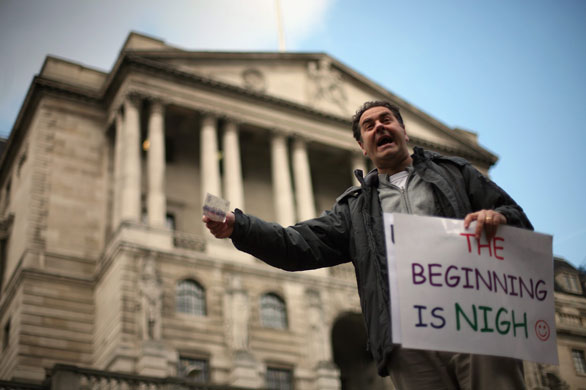
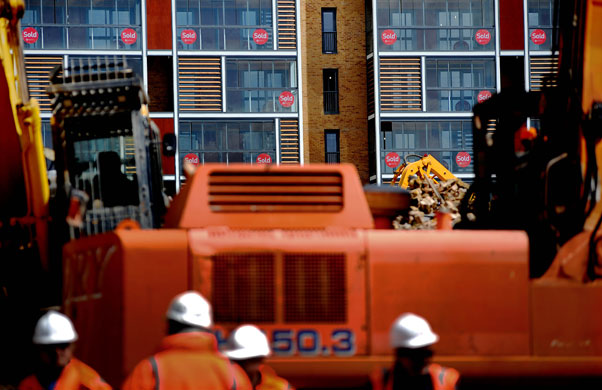
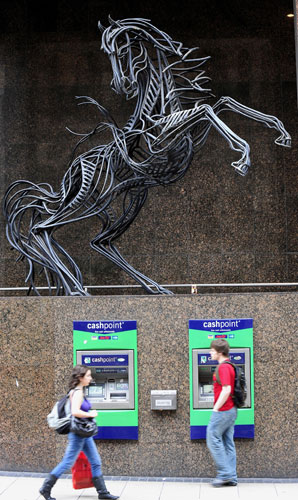
The Bank of England is pumping another £50bn into the UK economy in a further attempt to lift it out of recession. Britain's central bank will raise the total amount of new money created under the quantitative easing (QE) programme to £175bn. The move is bigger than economists had expected, with the Bank admitting the recession had been 'deeper than previously thought' Photograph: Dan Kitwood/Getty ImagesBritain's housing market is emerging from the doldrums, and prices could end 2009 'slightly higher' than last year, according to a report from surveyors which points to growing evidence of a bounce, but warns that, 'caution is still the watchword'. The Halifax reported house prices increased by a larger than expected 1.1% in July, while its measure of the longer-term trend, which compares the past three months with the previous quarter, turned positive, to 0.8%, for the first time since the autumn of 2007. The Royal Institution of Chartered Surveyors published its latest quarterly housing outlook - instead of the 10-15% fall in prices it had previously predicted, it 'now looks likely that the average house price in the fourth quarter of 2009 will be slightly higher than in the fourth quarter of 2008'Photograph: Sarah LeeHigher-than-expected bad debts of £13.4bn drove Lloyds Banking Group to a £4bn loss in the first half of the year as the rescue takeover of HBOS continued to dent the black horse bank. The biggest retail bank in Britain admitted that 80% of the soaring bad debts were caused by HBOS, the Halifax and Bank of Scotland, which the group controversially rescued last year during the height of the banking crisis Photograph: John Giles/PA
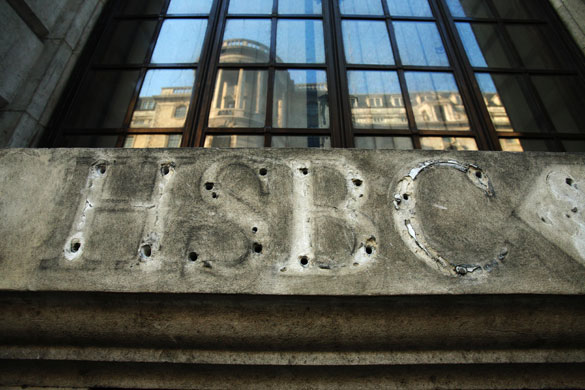
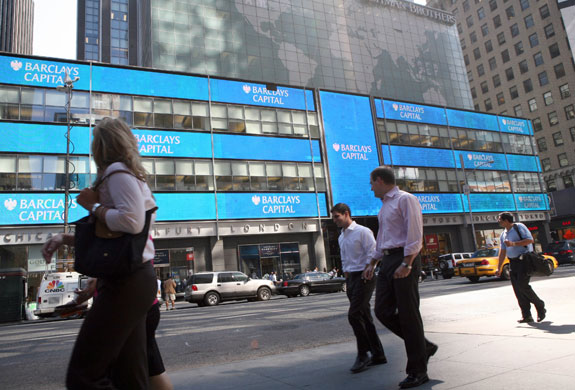
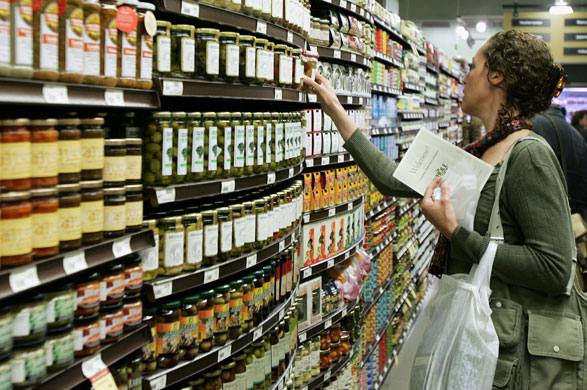
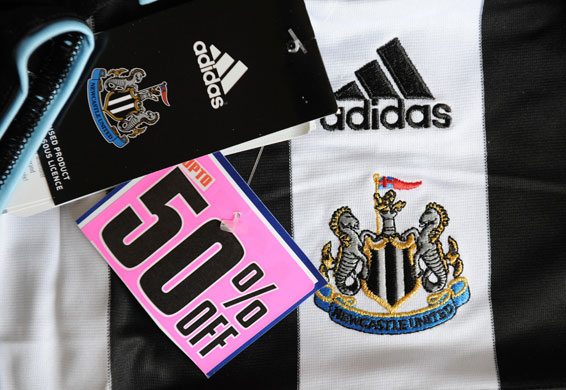
Profits at HSBC, Britain's largest bank, halved in the first half after it was dragged down by huge write-offs on its North American mortgage and credit card businesses. The bank, which reports its results in dollars, made a profit before tax of $5bn (£3bn), a decrease of $5.2bn, or 51%, compared with the first half of 2008. While the bank's investment banking businesses around the world increased income and profits, the US household business wrote off $3bn in value after already losing around $15bn since the start of the credit crunchPhotograph: Graham TurnerBarclays profits rose 8% to £3bn in the first six months of the year, despite a near doubling in the charge to cover bad debts. Profit in its high street banking operations dropped to £268m, more than halved compared to the same period a year ago, but profits in the investment banking operation Barclays Capital doubled to more than £1bn Photograph: Diane Bondareff/APRoyal Bank of Scotland announced a jump in bad debts to £7.5bn and a downbeat assessment of its near-term prospects. The statutory pre-tax profit was £15m but chief executive Stephen Hester focused on the 'poor' net attributable loss to shareholders of £1bn Photograph: Matt Dunham/APWhen Whole Foods arrived in the UK two years ago it was hailed as a mecca for those determined to follow a healthy diet. But the struggling US store's chief executive will probably want to eat his words after admitting that, alongside the organic carrots and bags of granola, the shops 'sell a bunch of junk'. The comments came in an interview in which John Mackey was attempting to outline plans for the store to put more emphasis on healthy eating – amid suggestions that it has recently indulged consumer cravings for more indulgent offerings Photograph: Bruno Vincent/GettySports Direct, the retail chain controlled by billionaire Mike Ashley, faces a wider investigation by competition regulators into its purchase of 31 stores from rival JJB Sports. The Office of Fair Trading has turned to the Competition Commission after Sports Direct failed to find buyers for five stores, all in parts of the country where the deal might give the firm too much control over the sportswear and sporting goods marketPhotograph: Owen Humphreys/PA
Sign up to read this article
Read news from 100’s of titles, curated specifically for you.