The nation's railway companies are running deficits because of a sharp decline in passengers amid the novel coronavirus pandemic that is pressuring them to review business practices. This article is the second in a series examining the challenges facing the railway industry.
The owner of Japan's largest private railroad network is seeking to sell about 10 of its buildings as early as this spring, in a fire sale to shore up capital as it deals with business effects from the COVID-19 outbreak.
"We would sell everything that sells. There are so many uses [for these buildings]," said an executive of Kintetsu Group Holdings Co., which owns Kintetsu Railway Co., expressing a sense of crisis.
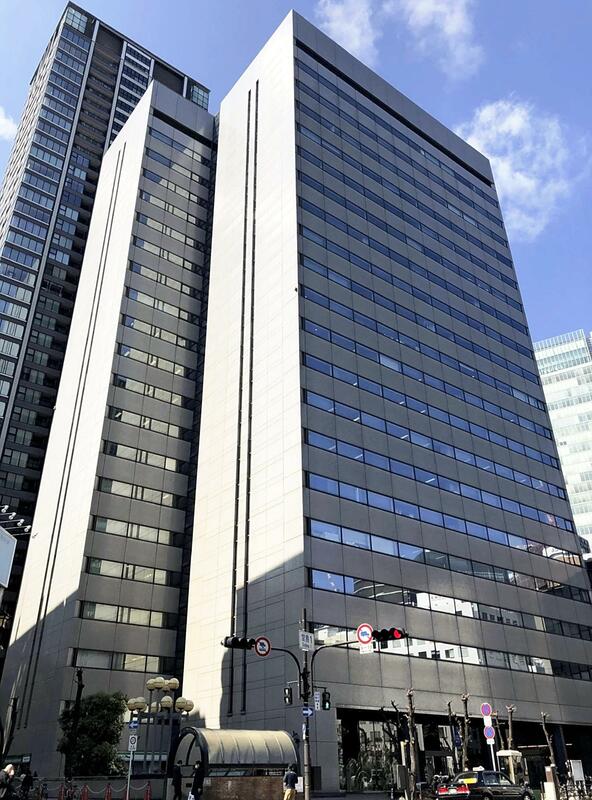
The properties include the Kintetsu Dojima Building, which the company has owned for nearly 40 years, in the prime location of Kita Ward, Osaka. If the sales go through, the company will secure up to about 40 billion yen in capital.
In addition to its large railroad network, Kintetsu has over the years been expanding its business to include travel agencies, hotels and theme parks, on the back of rail lines to popular sightseeing spots such as Nara and the Ise-Shima district in Mie Prefecture.
However, the synergistic benefits from such a business model can be expected only when all of the enterprises go well, and the prolonged coronavirus crisis has run Kintetsu's diversification strategy through the wringer. On Feb. 26, Kintetsu announced it would reduce its workforce by 8%, or 600 employees.
-- Expected losses widespread
Tobu Railway Co. opened hotels at five locations, including Tokyo's Ginza district, in fiscal 2020 alone. Its business strategy, based on anticipated demand from the Tokyo Olympics and Paralympics, has gone sideways amid the novel coronavirus outbreak and postponement of the Games.
The occupancy rates at some of the firm's hotels have languished to 10% to 20%. Tobu is expected to incur a loss for the time being, because the break-even occupancy rate is about 80%.
"What are called luxury hotels cost 40,000 yen per night per person. We are in between cheap hotels and expensive hotels in Tokyo, so we don't fit into the category of luxury hotels that are doing well," Tobu's executive officer Sadahiro Iwasawa said.
Because of how the government's Go To Travel tourism promotion program was structured, the benefits were small for Tobu, while high-priced resort hotels enjoyed popularity.
Now, even prestigious hotels are suffering amid the pandemic-driven slowdown. Many facilities, including restaurants, at the Hyatt Regency Tokyo, will close at the end of March. The hotel, which is a subsidiary of Odakyu Electric Railway Co., has attracted mainly visitors from abroad, so the global outbreak dealt a big blow to the hotel.
Group company Odakyu Department Store saw sales at its Tokyo's Shinjuku store drop by more than 40% during the March to November period. Duty-free items, which have accounted for about 10% of sales, fell 90%.
-- Old models at crossroads
Some large construction projects are now shrouded in uncertainty.
Nagoya Railroad Co. has postponed the construction of a large terminal building at Nagoya Station, which had been scheduled to start in fiscal 2022. Nagoya Railroad President Takashi Ando said: "We need to carefully consider expected changes in social environment and demand."
The company is expected to decide whether to proceed with the project by fiscal 2024, after reviewing the scale and details of the development.
The envisioned monolithic building, which will be about 400 meters wide and up to 180 meters high, has been a highly anticipated project along with the Linear Chuo Shinkansen line being promoted by Central Japan Railway Co. (JR Tokai). The president of a local real estate company said he worries how the changes will affect the local economy.
The concept of building railway lines from urban areas to the suburbs, developing residential areas along those lines, building commercial facilities and hotels next to stations and opening entertainment facilities in the suburbs is not new. This business model is credited to Ichizo Kobayashi, the founder of Hankyu Corp., during the Meiji era (1868-1912).
Many railroad companies have adopted this approach, because railroad income can be generated by transporting people to offices and schools on weekdays, and to commercial and leisure facilities on weekends and holidays. However, this business model is now at a crossroads.
Read more from The Japan News at https://japannews.yomiuri.co.jp/