It was an everyday kind of quarter for HSBC: superficially healthy earnings were undermined by a $1.6bn (£1bn) charge to cover a long list of fines, provisions and compensation bills. By way of variation on a theme, there was news of a possible criminal investigation over tax matters in France.
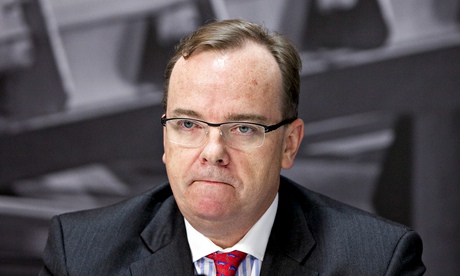
It can all be filed under “legacy issues”, to use the bankers’ jargon, but the message from HSBC’s chief executive, Stuart Gulliver, was unmistakable: the “significant items” line in the profit-and-loss account will remain significant for some time yet.
He is now walking away from some of the financial targets he set only in May last year for the 2014-16 period. A cost-to-income ratio of 55%? Try the “high 50s”, suggested Gulliver. HSBC will soon employ 7,000 people in compliance roles, up from 1,700 when he became chief executive in 2010.
As for a return on shareholders’ equity of 12-15%, that now looks out of reach in a world where regulators oblige big international banks to hold more capital. For the first nine months of this year, HSBC achieved only 9.5%. Gulliver’s targets were based on the assumption of a core capital ratio of 10%; in fact, HSBC currently boasts 11.4%.
It seems Neil Woodford was right. The bank-averse fund manager made an exception for HSBC but then changed his mind in September and dumped his entire holding, citing the spectre of “fine inflation”.
As it happens, HSBC probably got off lightly with $1.9bn in 2012 for failing to prevent Mexican and Colombian drug cartels laundering cash through its branches; BNP Paribas was whacked later with a far higher sum for busting US sanctions.
But other regulatory clouds remain lodged firmly over HSBC. Note, for example, that the $378m provision for the foreign exchange investigation related only to the UK end of the inquiry; any US fine is the real worry for shareholders. And the seriousness of the new French investigation is impossible to judge.
The supposed comfort blanket for investors is a dividend yield of 4.5%, plus the assumption that Gulliver will try to stick to his other pledge about a “progressive” dividend policy. But, when other financial targets are being abandoned and watered down, a loose dividend commitment is not much to cling to.