The Burmese military junta today arrested a close aide to the detained opposition leader, Aung San Suu Kyi.
Myo Nyunt, a youth member of the National League for Democracy (NLD), added to the number of people arrested in recent days.
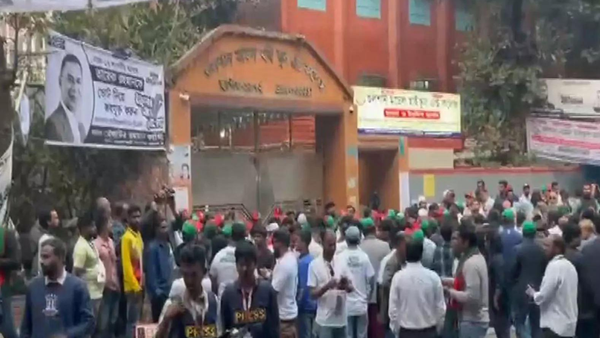
More than 20 other party activists were held as they campaigned against the forthcoming constitutional referendum on Sunday.
The seizures came as the UN human rights investigator for Burma, Paulo Sergio Pinheiro, dismissed the May 10 referendum, which is part of the isolated regime's seven-point "road map to democracy".
"The government continues detaining people and repressing people who are trying to do some campaigning for a no [vote] in the referendum," he said.
"How can you have a referendum when you make repression against those that are intending to say no? This is completely surreal."
The proposed 194-page constitution - finalised in February but only revealed in leaks last month - bars 62-year-old Suu Kyi from the political process because she was married to a foreigner, the Briton Michael Aris.
Critics of the draft constitution, which took 14 years to write, say it has been designed to perpetuate the military's 46-year grip on power.
The NLD has urged voters to reject the document despite threats of imprisonment for those campaigning against it.
Myo Nyunt was taken from his home near Rangoon today, while the other activists were arrested in the city of Sittwe as they staged a rally, Nyan Win, a spokesman for the NLD, said.
The NLD opposes the constitution because it was drafted under the military's control. The party has said international observers must monitor the poll if it is to have any credibility.
Pinheiro echoed the call, saying the poll would be reduced to window dressing without independent oversight. The junta has already rebuffed an offer of help from the UN's special Burma envoy, Ibrahim Gambari.
"It would be important to have international observers to validate the referendum, because if not it would be just a ritual without real content," Pinheiro said in an interview in Brussels.
The Brazilian law professor, whose term started in 2000 and ends in two weeks, said he was "gloomy" about Burma's future.
He said he could see little transition towards democratic reform despite the constitutional referendum, intended to pave the way to multi-party elections in 2010.
"I don't see the most basic requirements," he said. "You don't have freedom of association, freedom of expression, freedom of organisation, or functioning of parties.
"You cannot have a political transition if you keep almost 2,000 political prisoners and you continue the crackdown after the repression of the end of last year."