Myanmar must protect the rights of its Rohingya Muslim minority, the chief of the Organisation of Islamic Cooperation (OIC) said on Thursday, urging the southeast Asian nation to join hands with Muslim-majority neighbours in tackling a refugee crisis.
A group known as Harakah al-Yaqin attacked Myanmar border guard posts on Oct. 9, killing nine policemen and igniting the biggest crisis yet to face Nobel peace laureate Aung San Suu Kyi's fledgling administration.
About 75,000 people fled to Bangladesh during the ensuing military crackdown, which was beset by allegations of rape, torture and extrajudicial killings by security forces.
Suu Kyi's government has denied most of the allegations and is refusing access to a United Nations panel of experts, saying its mission will aggravate the situation on the ground in the western state of Rakhine.
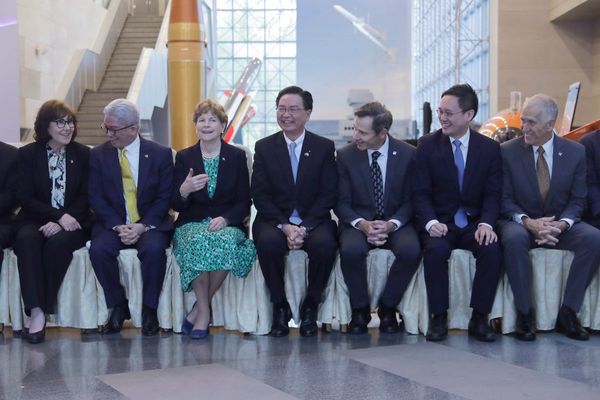
"Myanmar should sit with Bangladesh, Indonesia and Malaysia to find a roadmap for the solution of the crisis," said Yousef bin Ahmad Al-Othaimeen of the OIC, which represents 57 states and acts as the collective voice of the Muslim world.
"We call on the Myanmar government to ensure human rights for the Rohingyas," Othaimeen told reporters during a four-day visit to the Bangladeshi capital.
"Myanmar can't deny the human rights of Rohingyas. We also call on the Myanmar government to ensure citizenship for the Rohingyas."
Othaimeen is also expected to visit Rakhine Muslims in the Kutupalong camp and surrounding areas in the southern resort town of Coxâ's Bazar on Friday, Bangladesh foreign ministry officials said.
Thousands of Rohingya live in Bangladesh without being officially recognised as refugees, but police rarely file immigration charges against them. Still, their presence is a source of tension between the two countries.
Many in Myanmar see the Rohingya as illegal immigrants from Bangladesh, although about 1.1 million of them live in Rakhine state and say their roots go back generations.
Reuters