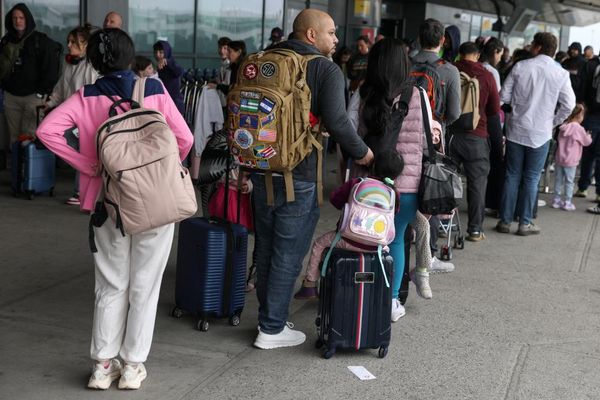
Burberry has reported a near 40% drop in sales in European markets on the back of store closures and fewer tourists but is experiencing a strong rebound in other parts of the world.
Sales in Europe, the Middle East and Africa slumped 37% in 13 weeks to 26 December, a major contrast with the Asia Pacific region, where sales jumped 11% on strong demand from Chinese and Korean shoppers.
With 15% of its stores closed and about a third operating under reduced trading hours or restrictions, Marco Gobbetti, Burberry’s chief executive, said the British luxury brand faced an “uncertain trajectory, given the spread of the more transmissible new variants of Covid-19”. He said: “Given this outlook, we expect trading will remain susceptible to regional disruptions as we close the financial year.”
However, Gobbetti struck a positive note on the new future as new collections, and advertising featuring people such as the Manchester United footballer Marcus Rashford, attracted younger customers to its designer clothes and accessories. Shoppers were embracing the designs of its creative boss Riccardo Tisci with sales of leather handbags and outerwear up in the “low teens”.
Gobbetti said: “While the short-term outlook remains uncertain due to Covid-19, we are well placed to accelerate when the pandemic eases.”
Burberry is working through the implications of the Brexit deal. Based on its preliminary analysis, the company expects a “modest increase in border trade compliance costs as well as some incremental duty under the rules of origin”.
Third-quarter sales in established stores were down 9% overall, with the figure pulled down by the company’s decision to reduce the volume of end-of-season discounts, as well as reduced tourist numbers. Online sales were up by more than 50% in the company’s third quarter and by more than 100% in mainland China.