Bupa’s £50m Energy Saver Fund will have implemented nearly 1,000 low carbon projects worldwide by July this year.
It will save about £4m a year on bills and reduce the carbon footprint of two-thirds of Bupa’s buildings.
Bupa was the first private healthcare company to be awarded Carbon Trust Standard certification in 2013 for reducing emissions and for the quality of its carbon data.
Projects began in March 2014 and are being carried out in properties in the UK, Spain, Australia, New Zealand, India, Hong Kong and Poland. They affect at least seven different types of building: hospitals, offices, retailers, care homes, dental clinics, medical and wellbeing centres. The company has 1,500 buildings, more than 22 million customers and 70,000 staff.
Each building needed its own energy plan. Most projects are in buildings working round the clock, such as hospitals or care homes, so installation work has to be done around patients or residents. Many sites also have heritage protection, adding another layer of challenge.
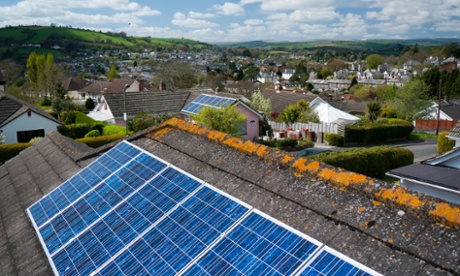
The projects include putting solar panels in more than 90% of its Australian care homes, installing building environment management systems in more than 320 offices and care homes in Spain and the UK, and switching to LED lighting systems.
Bupa argues that the connection between pollution and poor health is increasingly evident. Air pollution is cited as the main cause of lung conditions, such as asthma. The World Health Organisation says that in 2012 air pollution was responsible for seven million deaths.
The company is placing an internal price on carbon and on every flight staff take, to encourage less flying. This will be invested in environmental and health-related projects. It is also exploring investments in large scale renewable energy generation and a power purchase agreement to switch to low-cost clean energy.