The numbers of bumblebees could fall in Britain as they struggle to cope with the increasing intensity of recent heatwaves.
A study has suggested the furry insects wilt in warmer temperatures and are more suited to Britain’s historically, cooler, more temperate climate.
The UK has been hit by three successive heatwaves this year, with temperatures regularly climbing above 30C - and a further possible spell of hot weather on the way.
Data from the Bumblebee Conservation Trust has shown a significant decline in the population of Britain’s most common bees during years with more intense heatwaves.
Dr Richard Comont, science manager at the Bumblebee Conservation Trust, told said that bumblebees are increasingly at risk each year with the country’s changing climate.
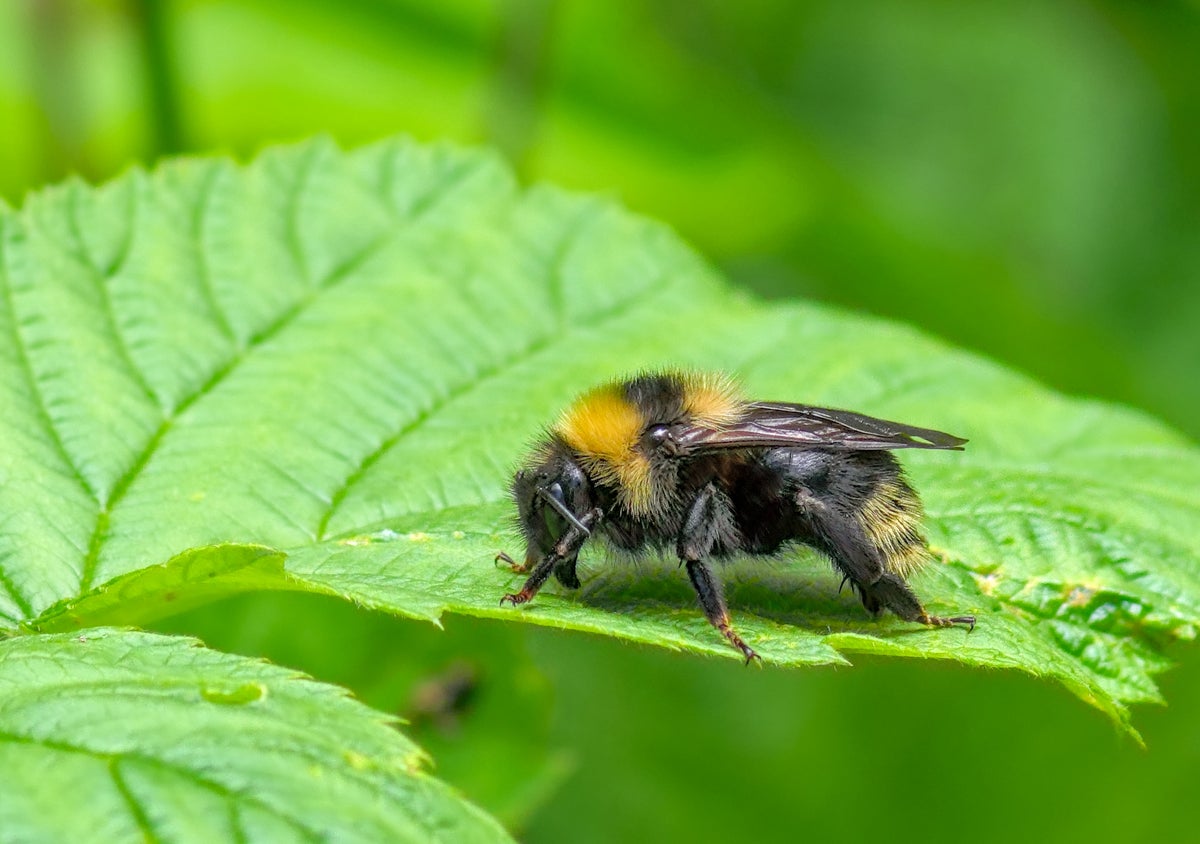
He said: “They’ve got that big furry coat on, they have huge flight muscles that generate a lot of heat when they fly. You can imagine they are flapping their flight muscles two and a half thousand times a minute when they are flying — it generates a lot of heat.
“Essentially, they are very good at keeping the heat in, but they’re not very good at keeping the heat out. So when the air temperature gets too high, they struggle to vent that heat quickly enough.”
As a result of a series of heatwaves in 2022, species such as the red-tailed and buff-tailed bumblebee, as well as the common carder bumblebee, declined 20 per cent, 25 per cent, and 35 per cent.
Dr Comont explained that the UK’s bees have an upper temperature limit of approximately 30C, and that when temperatures rise above this then they can struggle to forage as they can’t shed their body heat quickly enough.
He added: “In more severe heat waves, you get to that sort of temperature at ten in the morning instead of midday and there’s just a bigger window where they can’t forage.”
Heatwaves can exacerbate existing threats to bumblebees, like loss of habitat and food due to drought.
Speaking about 2026 so far, Dr Comont remains optimistic, saying that there are a couple of species doing “quite well” after a good start to the year, but after this summer’s heatwave, the rest of the year’s results remain uncertain.
“This year hopefully it’s bouncing back again a little bit because the spring has been quite good. But we've been in such a hot dry period already that those numbers, I suspect, are starting to come down already. That has the caveat that we’ve not had any really excessively hot days, at least not very many so, this is a long sort of chronic heat wave and that means that drought is likely to be an issue.
“We've only run the numbers up to the end of June, but at the moment we are seeing bees doing really quite well because we've had quite a decent spring, because we had a warm winter, and so a lot of bees were able to get started early.
“March in particular was fantastically good. The buff-tailed bumblebee in particular had its best March on record this year going back to 2008 and several others are doing really well because we've had good conditions. I'd be slightly concerned what this month would look like, but we haven't got that data yet. Generally speaking, this year so far has been really good one for bees.”