'Built by my family': America's grand buildings constructed by slaves
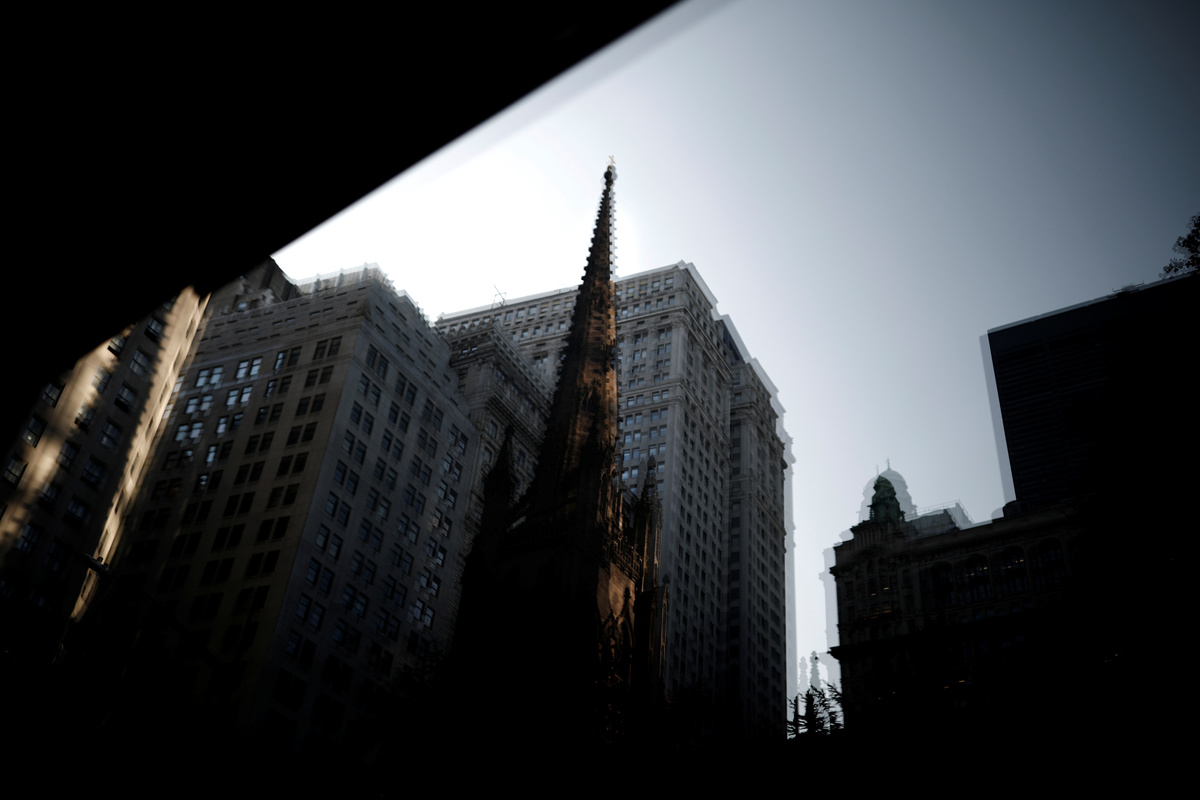
A reflection of Trinity Church is seen in the Financial District of Lower Manhattan in New York, U.S., August 11, 2019. The church wasÊbuilt in 1696 with the use of enslaved people. REUTERS/Carlos Barria
CHARLOTTESVILLE, Va. (Reuters) - Monticello, the expansive brick home of Thomas Jefferson, sits atop a hill overlooking farmland, trees and the University of Virginia, the institution founded by the third U.S. president.
Its distinctive architecture - a columned portico, balconies ringing the upper floors, the famous dome - has landed the residence on the UNESCO World Heritage Site list and the back of the U.S. nickel.
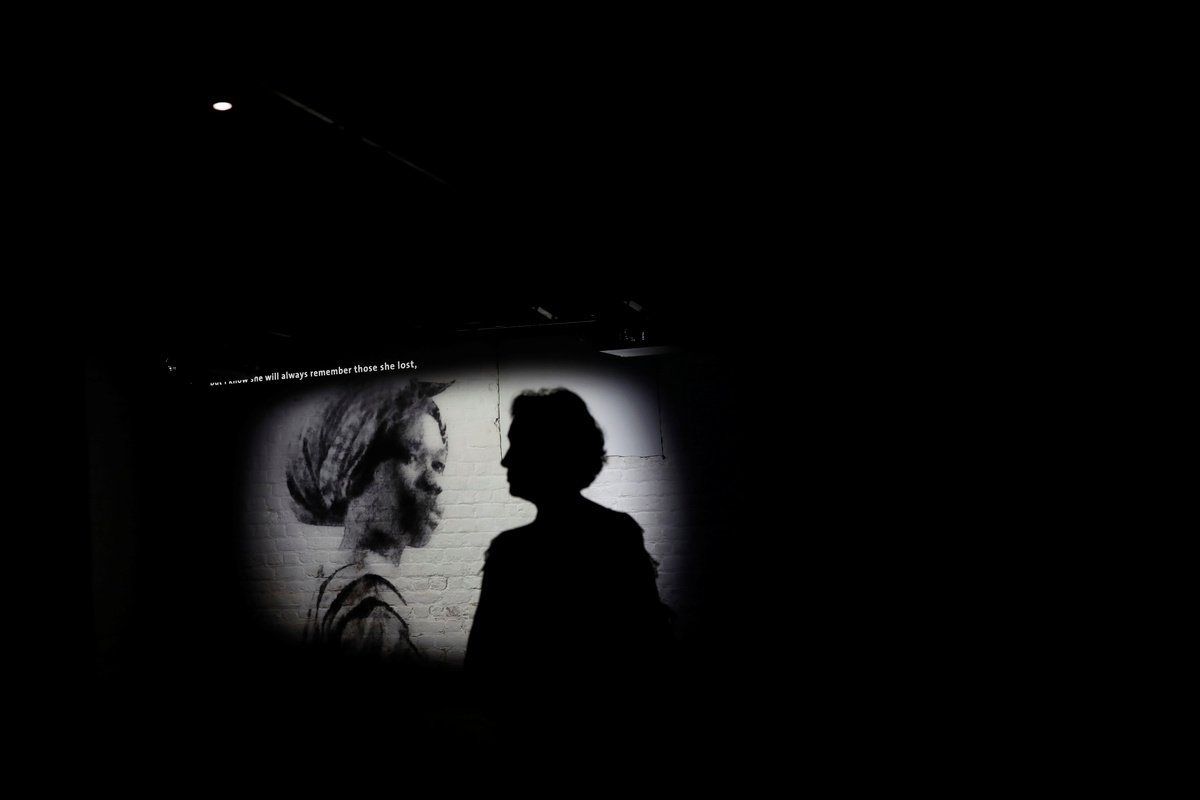
A visitor watches a video presentation at James Madison's Montpelier in Orange County, Virginia, U.S., August 20, 2019. Built in 1764 using enslaved labor, the mansion belonged to the family of James Madison, the fourth President of the United States until his death in 1836. REUTERS/Carlos Barria
Built between 1769 and 1809, Monticello is also one of the most famous of the hundreds of landmark American buildings constructed by slaves.
(Click https://reut.rs/2ZAQQku to see a picture package about prominent U.S. landmarks built using the labor of slaves.)
Four hundred years ago this month, the boat carrying what is believed to have been the first 20 enslaved Africans arrived in the British colony of Virginia, an anniversary that has prompted a reckoning of race-based chattel slavery in the United States of America.
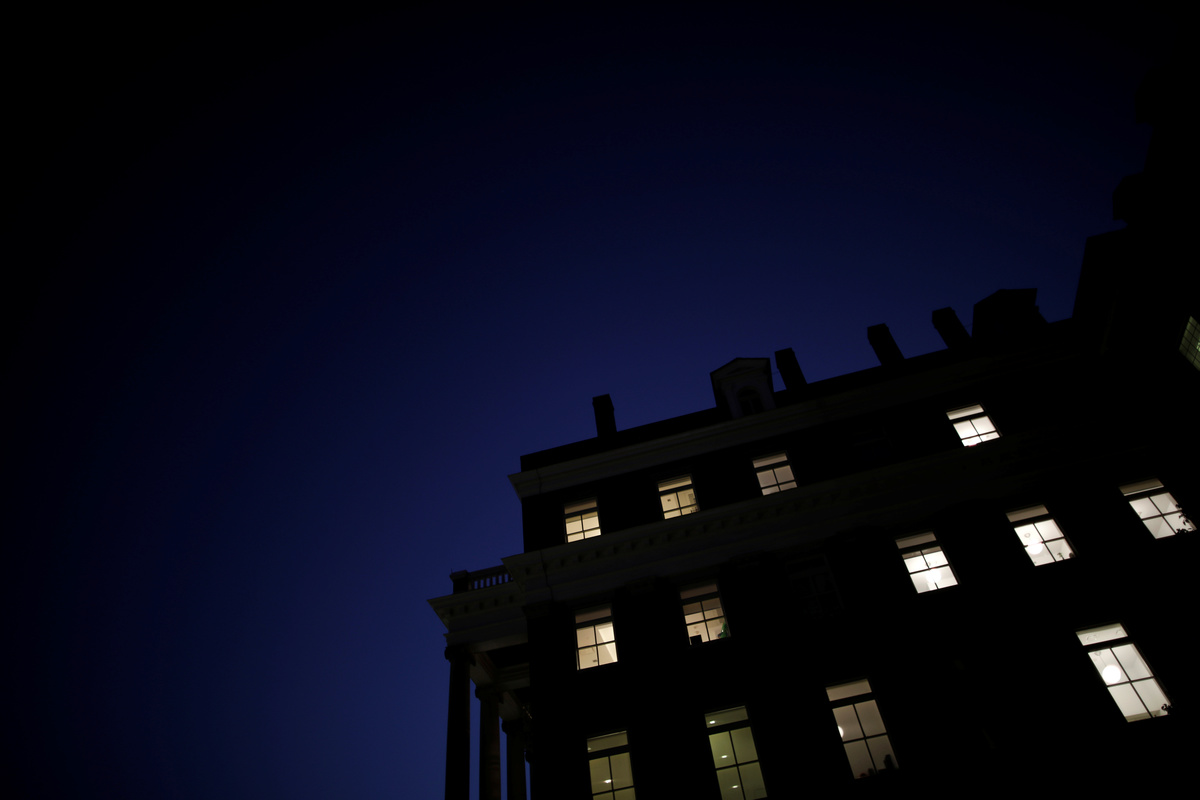
The Isaac Hawkins Hall dormitory building is seen at Georgetown University campus in Washington, U.S., August 30, 2019. The dormitory is believed to have been built in part by slaves and has since been renamed to honour those who were sold to plantation owners in Louisiana. REUTERS/Carlos Barria
Throughout the United States, the physical legacy of slavery can still be seen in the U.S. Capitol, the White House, the residences of former presidents including George Washington's Mount Vernon and James Madison's Montpelier and universities built using the labor of slaves.
Other prominent landmarks built using the labor of slaves include South Carolina's Fort Sumter, the site in Charleston Harbor where the Civil War that brought the end of slavery erupted in 1861, and the Castillo de San Marcos masonry fort in St. Augustine, Florida.
Tours and exhibits at Monticello highlight the work performed by slaves in the construction of the building and on Jefferson's plantation.
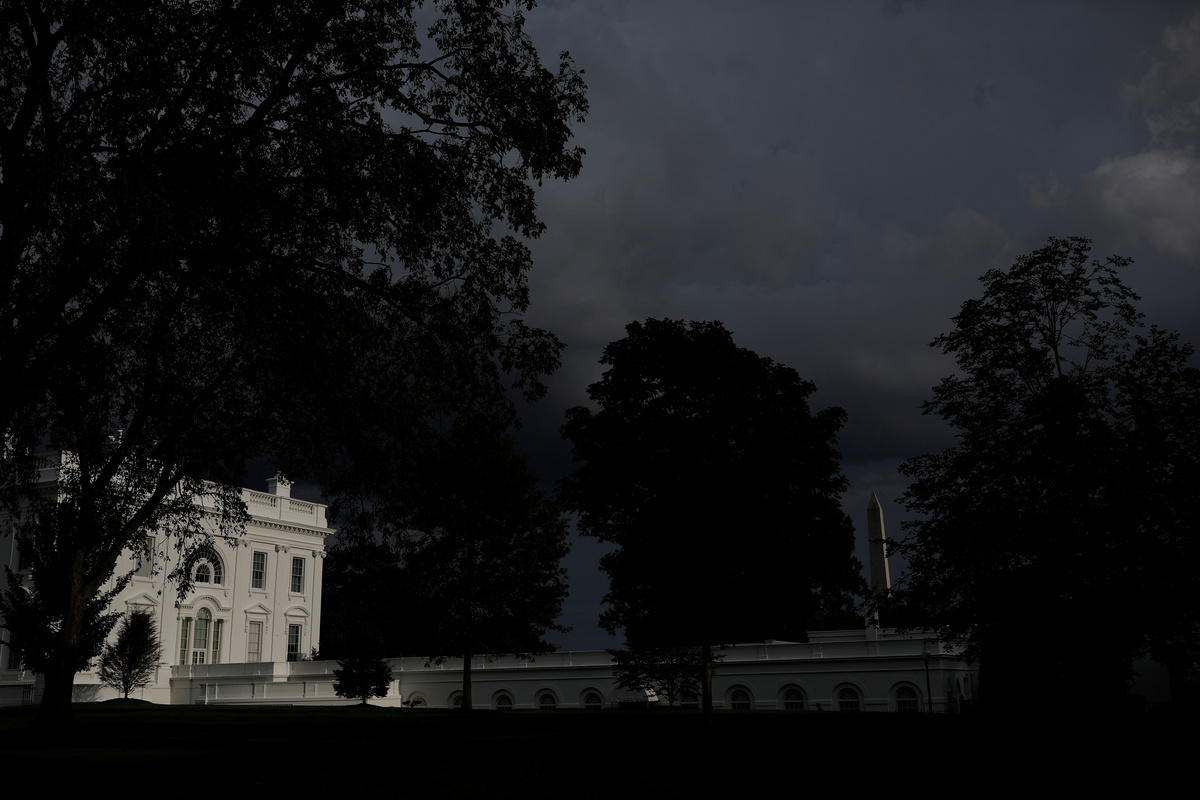
The White House is seen in Washington, U.S., August 21, 2019. Construction of the President's House began in 1792 which involved enslaved labor. In 2008, First lady Michelle Obama, a descendant of slaves, was the first African American First Lady to live in the property. REUTERS/Carlos Barria
Enslaved people leveled the hill on which the house sits, dug clay for brick-making, quarried limestone for mortar and plaster, and chopped trees that became lumber for framing and woodwork.
They also assisted white craftsmen hired for the building's construction, with some becoming highly skilled workers in their own right - like John Hemmings, half-brother of Sally Hemings, a woman enslaved by Jefferson who had at least six children with him.
"You think of what it took to build Monticello – you need people who made bricks, people who laid the bricks, who chopped the wood, converted it into fine trim and woodwork and then installed it," said Gardiner Hallock, director of restorations and collections for the foundation that operates the estate.
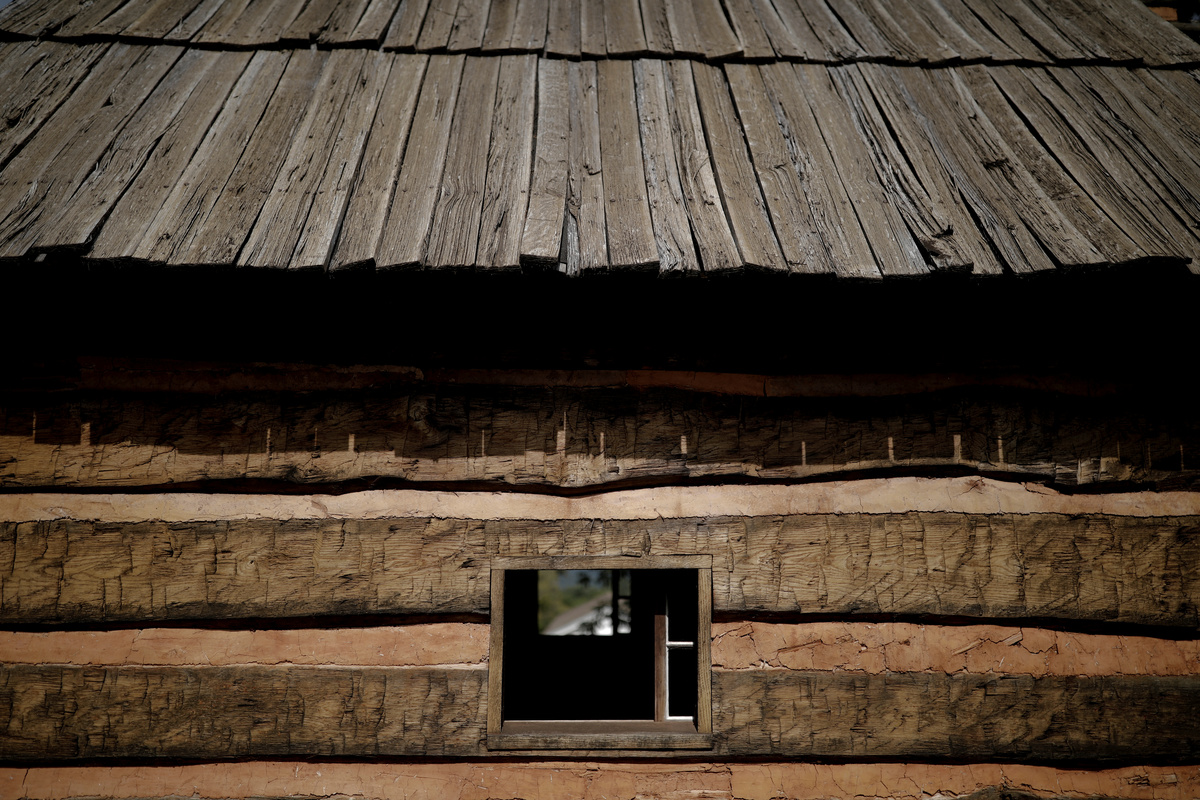
A replica of a house of enslaved people is seen at Monticello estate, home of Thomas Jefferson, the third President of the United States, in Charlottesville, Virginia, U.S., August 20, 2019. REUTERS/Carlos Barria
"And then there's people who need to plaster the interior walls as well and lay the floors - and slave craftsmen were involved with all of those steps," Hallock added.
'IN AWE OF THIS INSTITUTION'
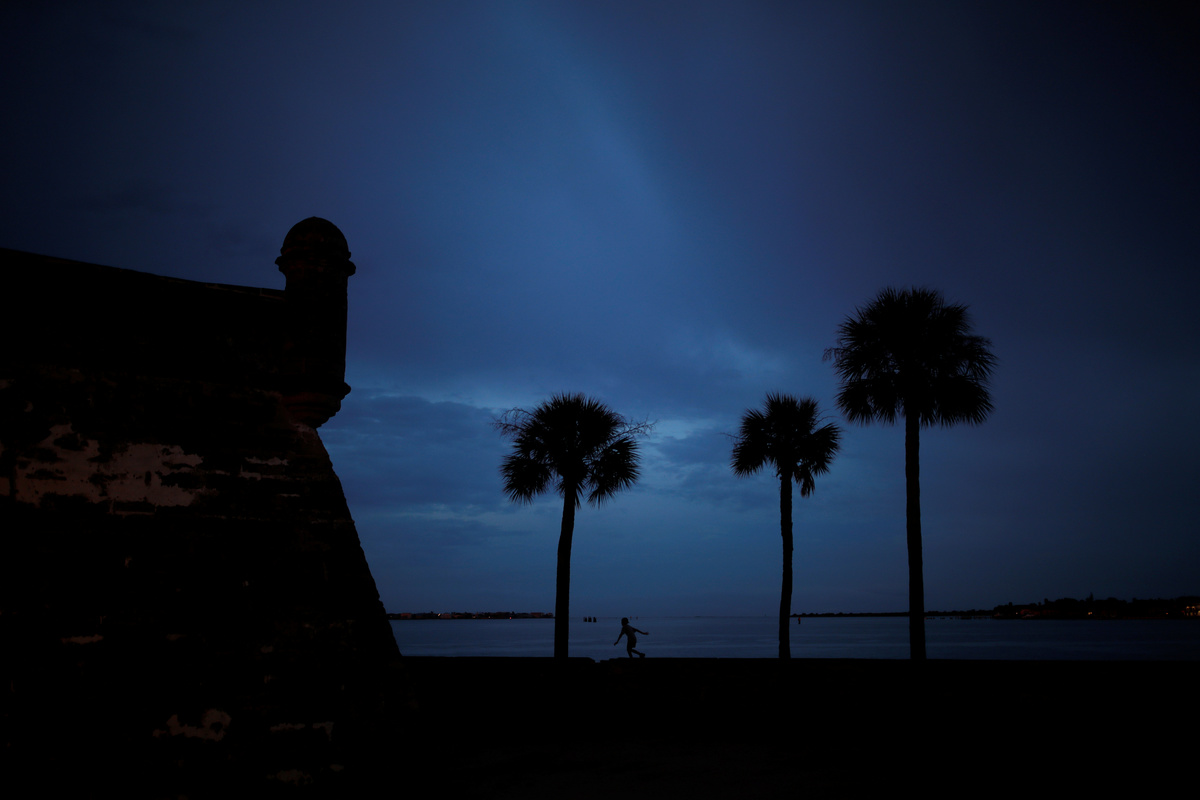
A boy runs outside Castillo de San Marcos masonry fort in St. Augustine, Florida, U.S., August 28, 2019. The construction of the masonry fort began in the early 1670s. Local native Americans, convicts, African American slaves, as well as skilled workers from Cuba worked on the construction of the fort. REUTERS/Carlos Barria
In New York City, where as much as 20% of its population was once enslaved, the original street of Broadway, the wall that gave Wall Street its name, historic restaurant and bar Fraunces Tavern and Trinity Church were all built using slave labor.
"All of the original built environment in New York basically was built with the labor of enslaved people," said Louise Mirrer, the head of the New York Historical Society.
Growing recognition of the role that slaves played in constructing the United States has helped fuel the topic of reparations for descendants of American slaves.
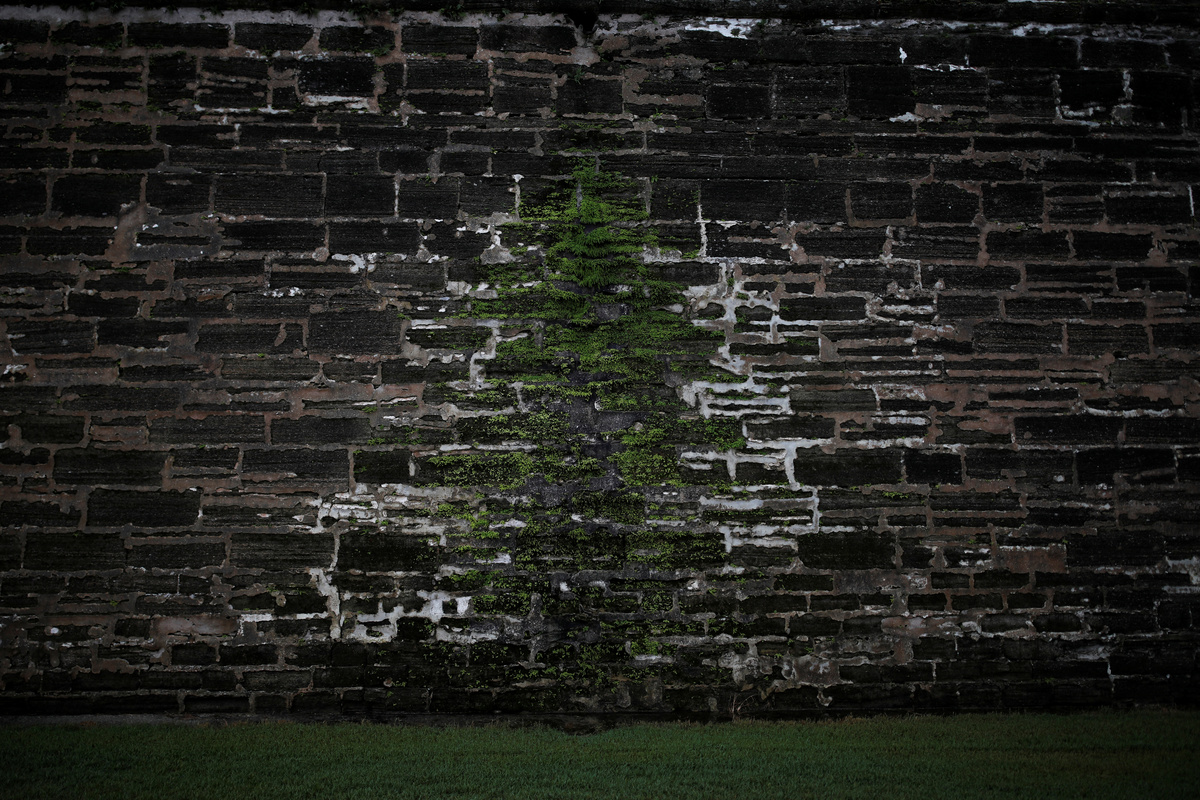
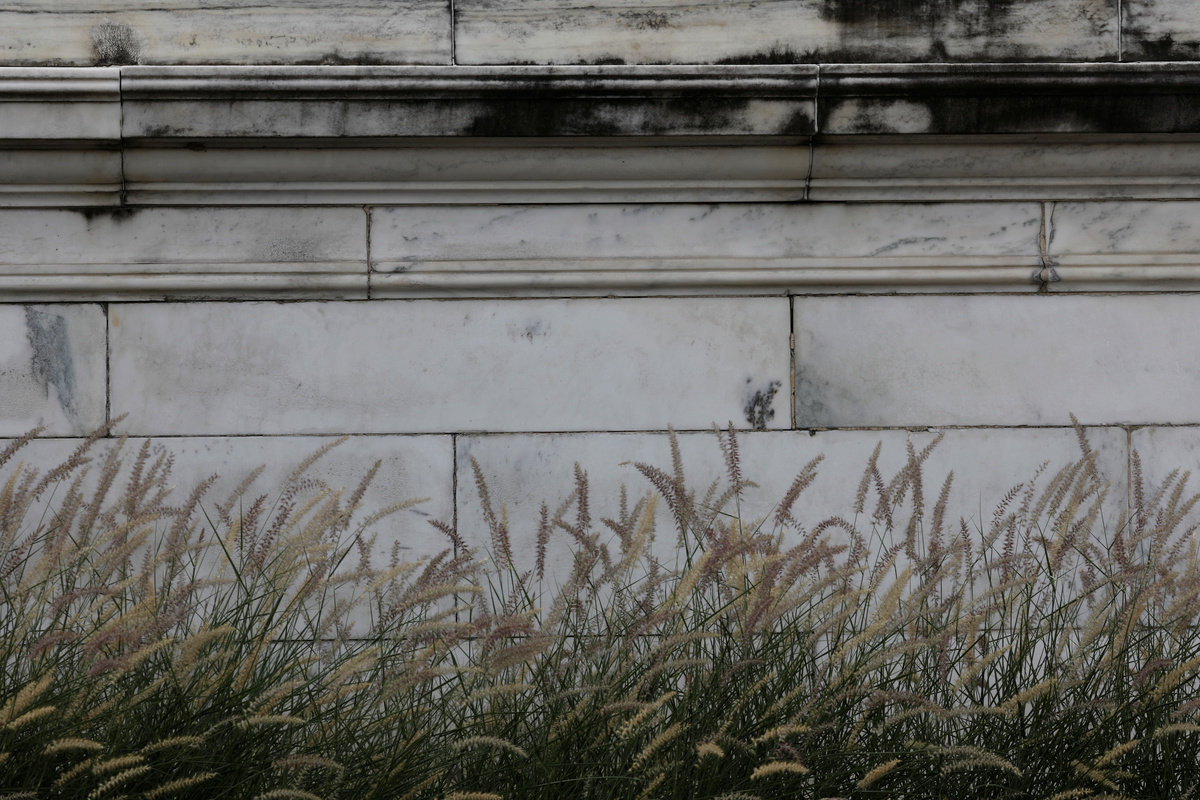
Plants grow on a wall of Castillo de San Marcos masonry fort in St. Augustine, Florida, U.S., August 27, 2019. The construction of the masonry fort began in the early 1670s. Local native Americans, convicts, African American slaves, as well as skilled workers from Cuba worked on the construction of the fort. REUTERS/Carlos Barria
One prominent institution that has received attention for its role in slavery is Georgetown University in Washington.
In 2016, Georgetown acknowledged that hundreds of people who were enslaved on Jesuit plantations were sold in 1838 to farms in Louisiana to pay off some of the university's debts.
People involved in the GU272 Memory Project, a venture to find the descendants of those slaves, have said they have identified about 9,000 descendants, 4,000 of whom are living. In 2016, the university began offering preferential admission to descendants of slaves who had been owned by the Maryland Province of Jesuits.
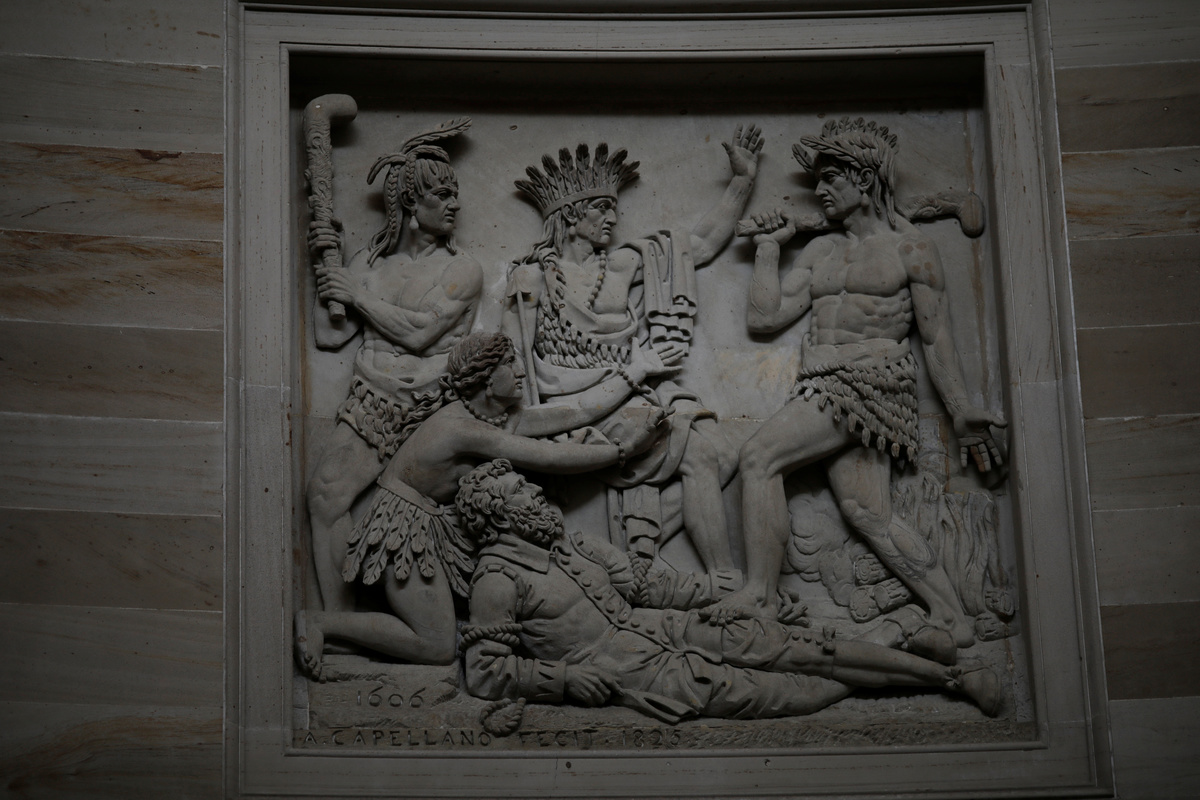
A relief knows as "Preservation of Captain Smith by Pocahontas, 1606" is seen above a rotunda door in the U.S. Capitol in Washington, U.S., August 16, 2019. One of the most iconic symbols of American democracy, the U.S. Capitol, was built using enslaved labor who were involved in all aspects of construction, including carpentry, masonry, plastering, glazing and painting. REUTERS/Carlos Barria
One person who took the university up on its offer was 65-year-old Melisande Short-Colomb, who after a career as a chef decided to attend Georgetown University and complete an undergraduate degree in history and theater.
Now, throughout the school year, she walks past buildings such as Isaac Hawkins Hall, a dormitory believed to have been built in part by slaves and which has since been renamed to honor those who were sold to plantation owners in Louisiana.
"It's beautiful," Short-Colomb said about buildings like Isaac Hawkins Hall on the Georgetown campus, "and I am in awe of this institution and this place that was built by my family."
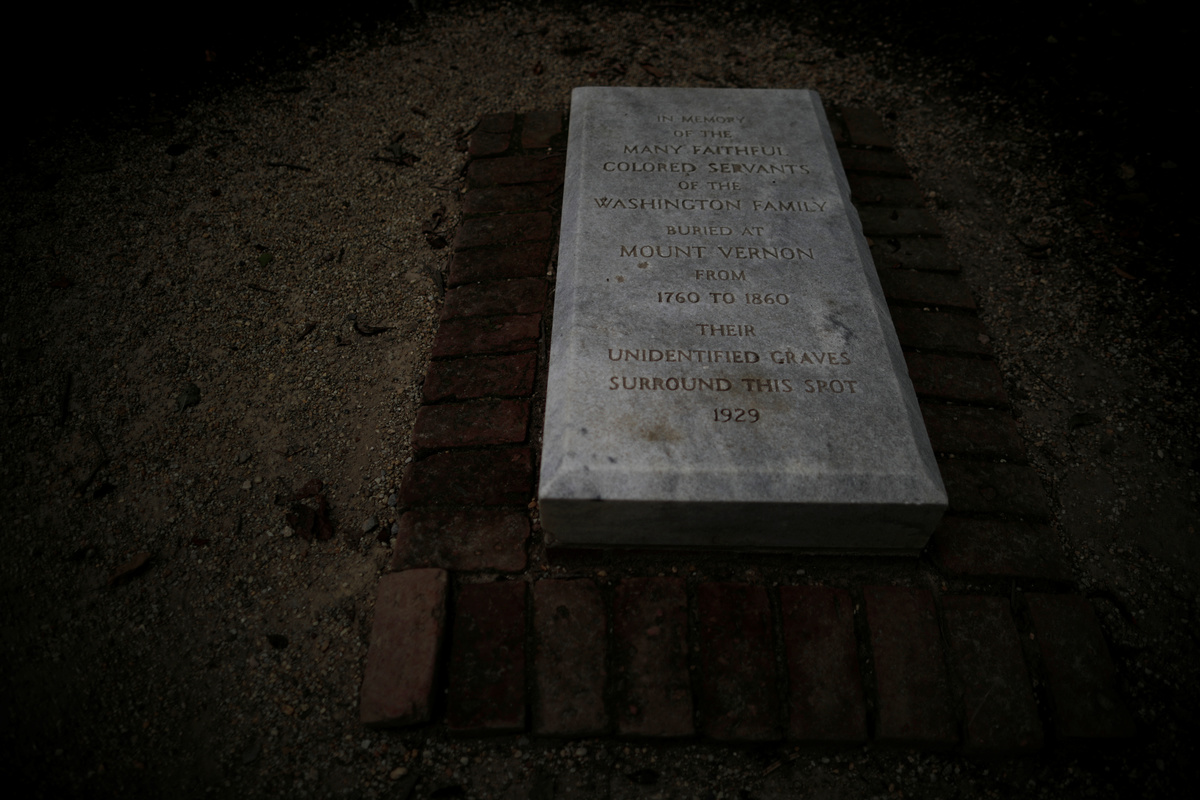
A plaque which reads, "In memory of the many faithful colored servants of the Washington Family buried at Mount Vernon from 1760 to 1860, Their unidentified graves surround this spot, 1929" is seen at Mount Vernon estate, home of George Washington, the first President of the United States, in Fairfax County, Virginia, U.S., August 15, 2019. REUTERS/Carlos Barria
(Reporting by Makini Brice; Editing by Mary Milliken and Will Dunham)
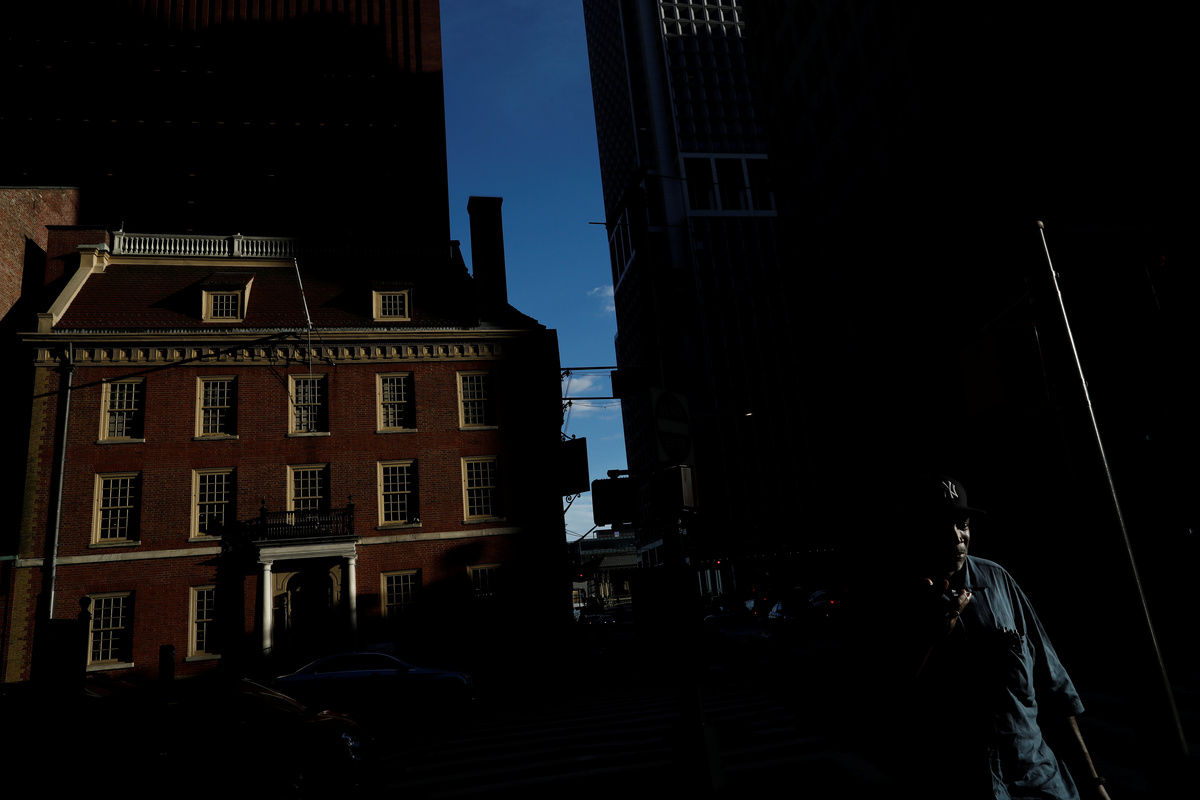
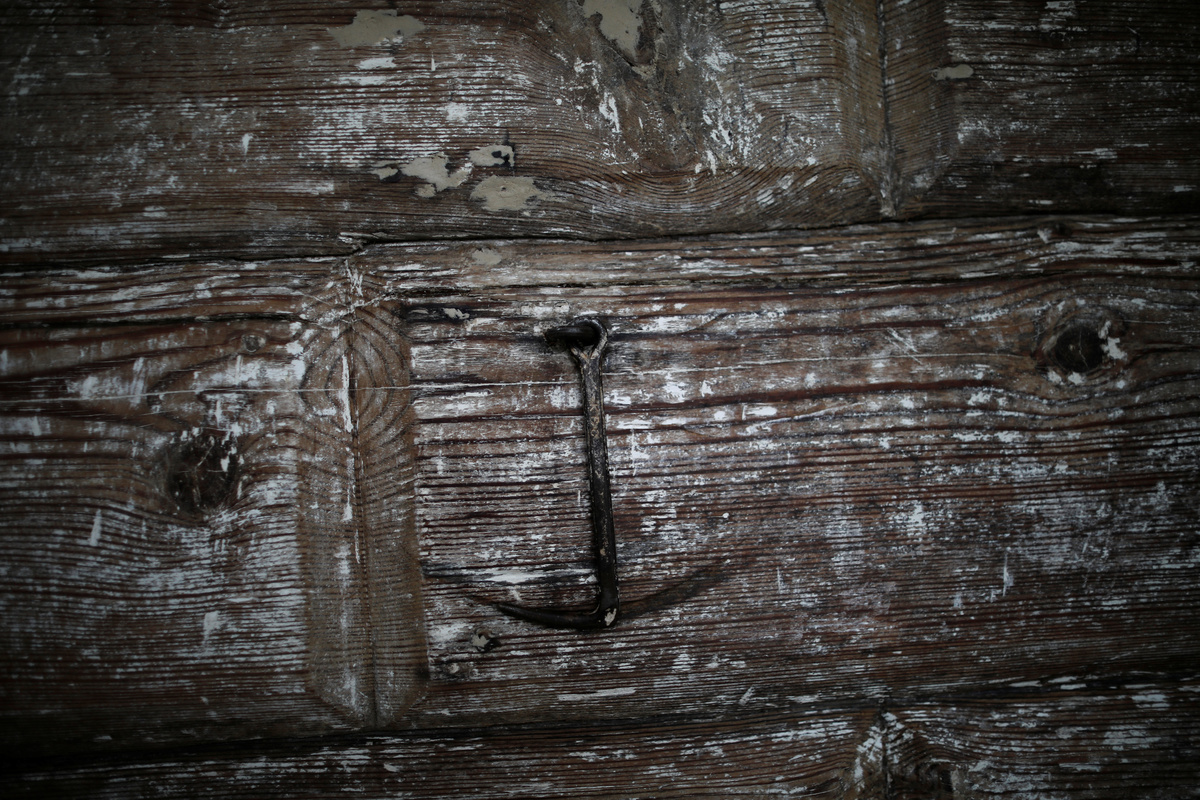
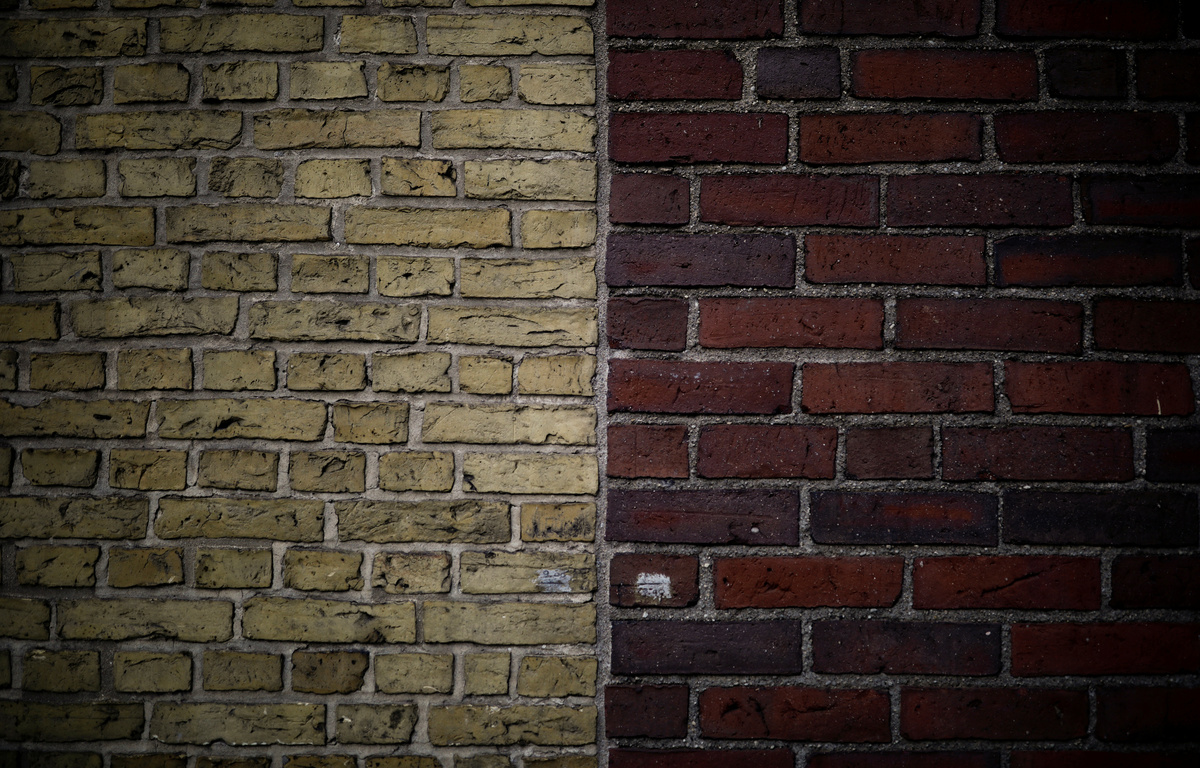
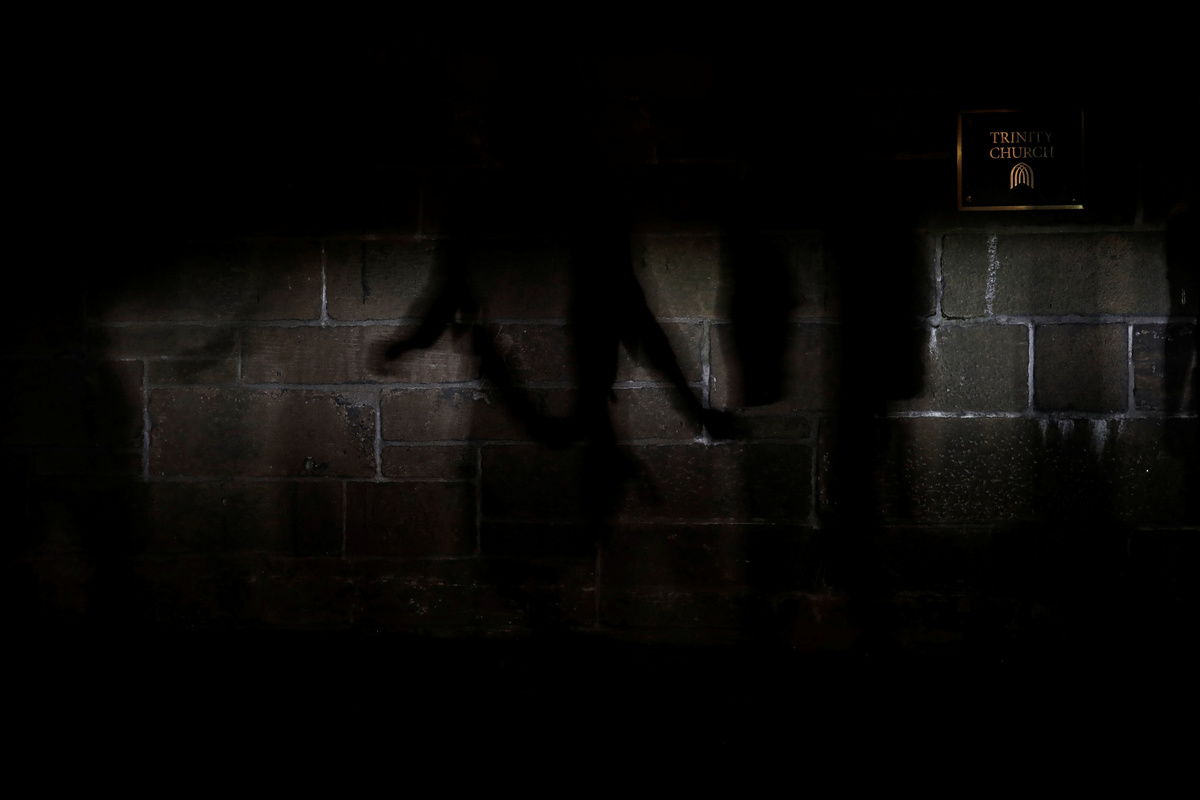
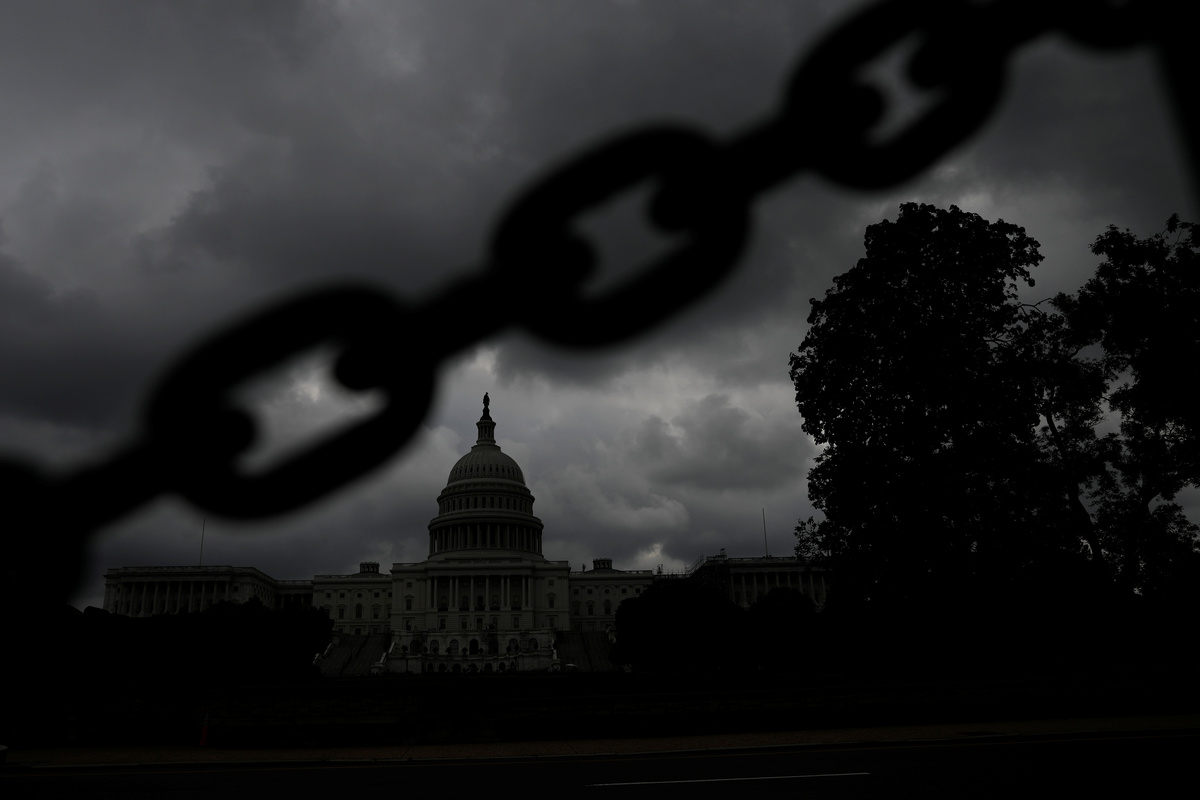
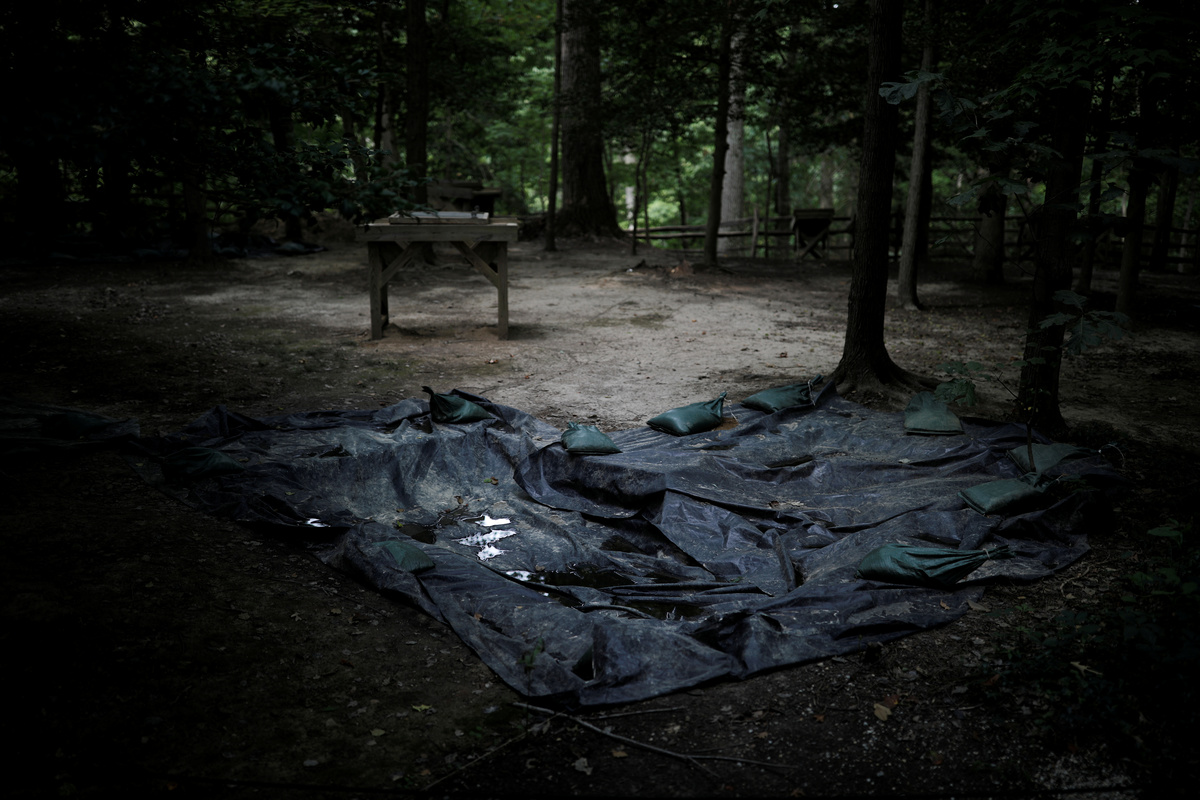
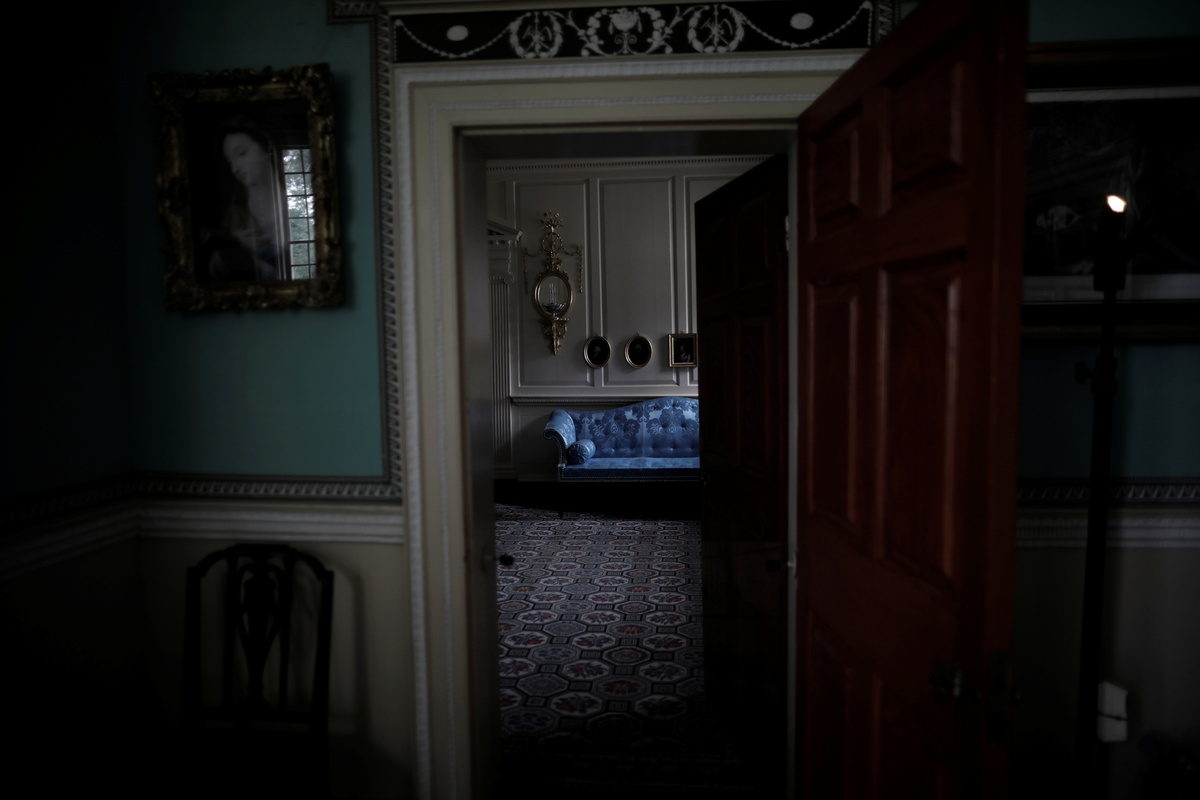
A man walks by Fraunces Tavern in the Financial District of Lower Manhattan in New York, U.S., August 11, 2019. Built by the De Lancey family in 1719 with the use of enslaved people, the property has been a private residence, hotel, and one of the most important taverns of the Revolutionary War. REUTERS/Carlos Barria Wild grass is seen at the U.S. Capitol in Washington, U.S., August 16, 2019. One of the most iconic symbols of American democracy, the U.S. Capitol, was built using enslaved labor who were involved in all aspects of construction, including carpentry, masonry, plastering, glazing and painting. REUTERS/Carlos BarriaA latch is seen at Mount Vernon estate, home of George Washington, the first President of the United States, in Fairfax County, Virginia, U.S., August 15, 2019. Built using enslaved labor by George Washington's father, Augustine Washington in 1734, the house was inherited by George years later and expanded to almost 11,000 square feet with two and a half stories and a full cellar. REUTERS/Carlos BarriaA brick wall, part of the original Fraunces Tavern, is seen in the Financial District of Lower Manhattan in New York, U.S., August 11, 2019. Built by the De Lancey family in 1719 using enslaved labor, the property has been a private residence, hotel, and one of the most important taverns of the Revolutionary War. REUTERS/Carlos BarriaShades of pedestrians are see on a wall of Trinity Church in the Financial District of Lower Manhattan in New York, U.S., August 10, 2019. The church was built in 1696 with the use of enslaved people. REUTERS/Carlos BarriaChains are seen near the U.S. Capitol in Washington, U.S., August 16, 2019. One of the most iconic symbols of American democracy, the U.S. Capitol, was built using enslaved labor who were involved in all aspects of construction, including carpentry, masonry, plastering, glazing and painting. REUTERS/Carlos BarriaPlastic covers are seen at an area believed to contain the remains of enslaved people as archeological excavations are been conducted in Mount Vernon estate, home of George Washington, the first President of the United States, in Fairfax County, Virginia, U.S., August 15, 2019. REUTERS/Carlos BarriaA room is seen at Mount Vernon estate, home of George Washington, the first President of the United States, in Fairfax County, Virginia, U.S., August 15, 2019. Built using enslaved labor by George Washington's father, Augustine Washington in 1734, the house was inherited by George years later and expanded to almost 11,000 square feet with two and a half stories and a full cellar. REUTERS/Carlos Barria
Sign up to read this article
Read news from 100's of titles, curated specifically for you.