Building partnerships for social gain Big Society troubleshooter Rob Ashton looks at collaboration Robert Ashton Supermarkets are so easy, aren't they. Everything you need under one roof, with everything fresh and nicely wrapped. But what if you live in a rural village and have no car? If you're lucky there's a village shop. It's probably run at a loss by an elderly couple who sell overpriced basics and perhaps some tins of red salmon should you fancy a weekend treat. It's no surprise that village shops have mostly closed. They were often out on price, out of touch with what folk want and worse, out of date too.
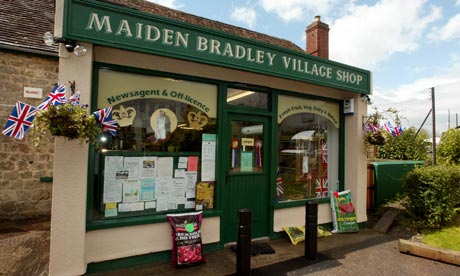
But owned and managed by the community, village shops can be very different. Not only stocking what people want, but also providing a valuable social hub. They can be a place to meet your neighbours — perhaps over a coffee. A place to trade skills, share opportunities and feel you belong. No wonder four new community shops open every week.
North Norfolk based Victory Housing understand the value of community shops. They also appreciate that for those living in their 5,000 largely rural properties, many in areas with poor public transport, village shops are a vital resource. That's why they're investing £100,000 to help six communities that have no shop, create one of their own.
I've introduced them to the Plunkett Foundation who recently launched a very exciting community shop network. This introduces community shops to a range of discounted services and suppliers, as well as to each other. Most learning in this sector is gained from the experience of others. Plunkett also have a national network of advisers, each uniquely placed to help communities create a new shop.
Until recently, Plunkett were able to offer £20,000 grants to communities able to raise a similar sum themselves. Now the bar has been raised, with the Esmee Fairburn Foundation, who provide the funding demanding their investment be matched, not just by the community, but by another funder as well.
This is I suspect something we're going to see more of. Big society means a growing demand for grants to support social enterprise start-ups such as community shops. It also means greater collaboration between organisations of all persuasions. Driving this positive trend, together with making their money go further, is a very good move by Esmee Fairburn, perhaps the largest grant funder to the social enterprise sector.
In Norfolk, Victory Housing, with their natural desire to improve community services, are a natural partner. However, until I introduced them to the Plunkett Foundation and this opportunity they did not know that getting their investment matched was a possibility. As in so many situations, as people and organisations move out of their operational silos to explore the surrounding landscapes, expert guides are incredibly useful.
Creating these new partnerships is increasingly going to be the way things get done, particularly when community resources need creative funding to survive. Protesting about funding cuts will get you noticed; but it won't enable your local council to conjure up a few million from nowhere. Political protest may make you feel better, but it won't deliver much by way of change.
So how do you identify, and win the support of organisations you feel might have an interest in your community venture's success? Here are five things that work for me. I suspect they'll work for you too.
Look at the bigger picture
Think about the impact your project will have on the lives of those who use it. Will it improve their health and wellbeing? Will it reduce demand on other services? If you can find agencies your project will benefit, they might help cover its cost.
Start small
The more modest your initial plan, the easier it will be to get started. Big aspiration is OK, but better to start small and enable success to fuel growth
Learn the language
You understand your sector and its jargon intimately. Others won't. Translate your project into the language of those you hope will support it. This will aid understanding and importantly, help people see the opportunity for them to tick off some of their objectives by supporting you
People power
There's nothing so compelling as hard evidence of both need and demand. Even a petition to 'save our sports centre', coupled with pledges to pay membership fees in advance, can help demonstrate viability. Nobody will buy into a dream that isn't shared by those it's intended to benefit.
Spread the burden
You may be passionate about your project, but funders are more likely to be swayed by support won from other funders. Win over the easiest first, then use this to illustrate the value to other funders.
Robert Ashton is a big society troubleshooter and author of How to be a Social Entrepreneur. He is also MD of Ethecol Merchant Services CIC
This content is brought to you by Guardian Professional. To find out about forthcoming Q&As, sign up to the social enterprise network.