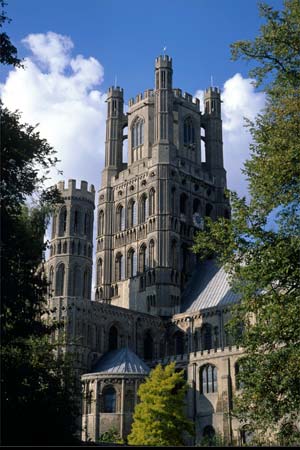
Dating back to 1109 the Etheldreda monastery was rebuilt as Ely Cathedral under instruction from William the Conqueror in his desire to show his devotion to religion. Photograph: britainonview
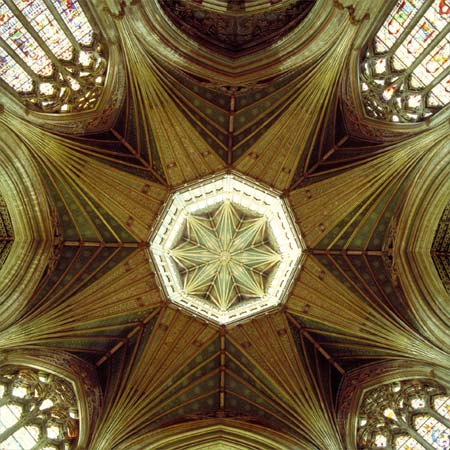
Cathedrals such as Ely exemplify the wealth of the east of England at the time. During the Middle Ages, this was the richest corner of the nation and the Norman conquest of 1066 led to the first construction boom in the country's history. Photograph: britainonview
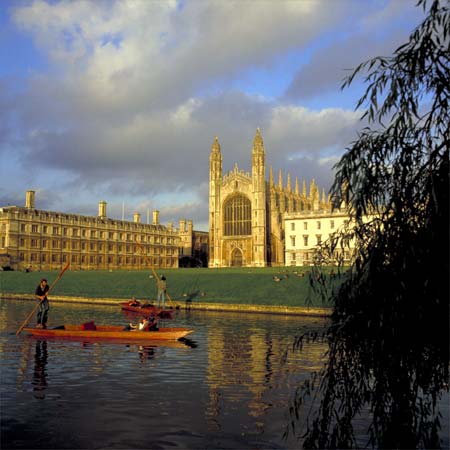
King Henry VI had great plans for this learning institution, which he wanted to be without equal in size and beauty. Photograph: britainonview
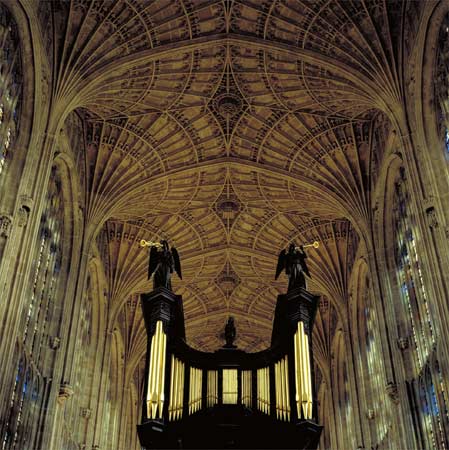
The college took 100 years to construct and the chapel is one of the greatest examples of early gothic architecture. Photograph: britainonview
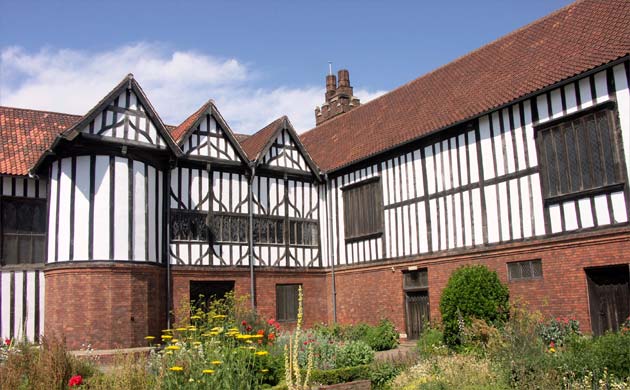
One of the best-preserved medieval houses, Gainsborough Old Hall is part brick, part timber frame. It is now looked after by English Heritage. Photograph: Howard Taylor/britainonview
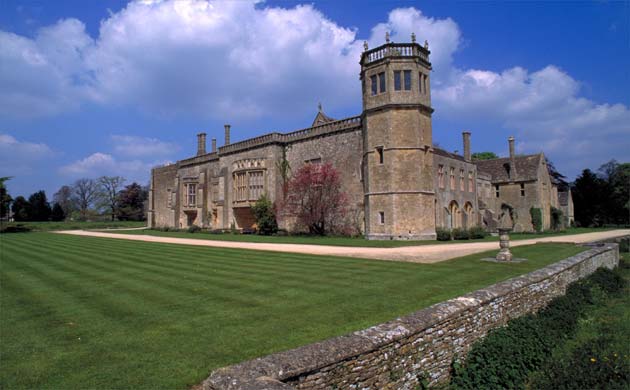
This country house was converted from a medieval abbey. In later centuries it was the home of pioneer photographer William Henry Fox Talbot and it also appeared in the first two Harry Potter films. The National Trust now looks after the house. Photograph: britainonview
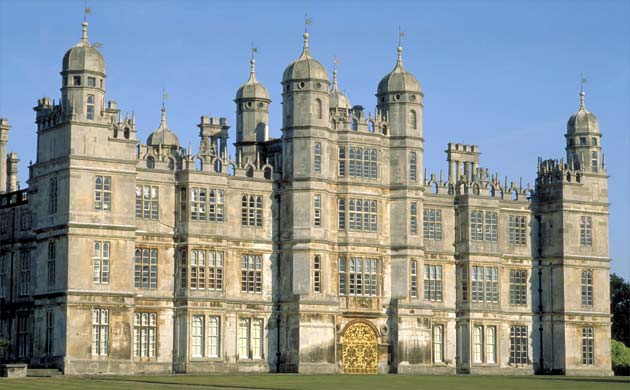
Originally built as a family home, this stunning property took 32 years to complete and is essentially Tudor in style. Photograph: Dave Porter/Britain on view
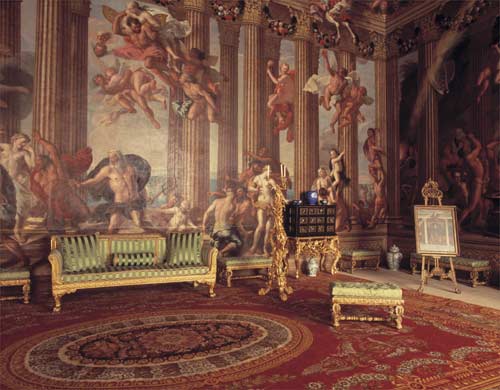
Inside the Heaven Room at Burghley House, showing the celestial masterpiece painted by Antonio Verrio. Photograph: Peter Packer/britainonview

With elaborate carvings, impressive gardens, and a monumental great hall, Blenheim Palace was the birthplace of Sir Winston Churchill. Photograph: V K Guy Ltd/Vic Guy/Britain on view
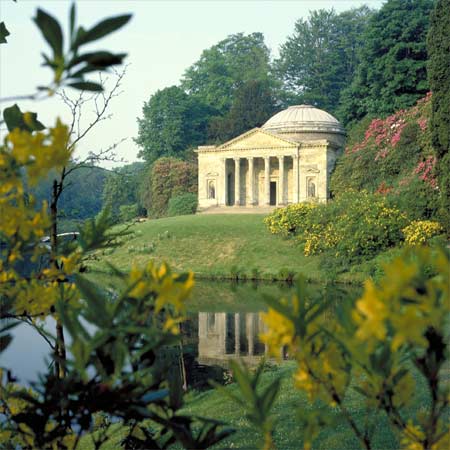
Inspired by the great 17th-century landscape paintings, Stourhead includes a pantheon, temple of Apollo and a hermitage and is one of the great gardens of England. Photograph: britainonview
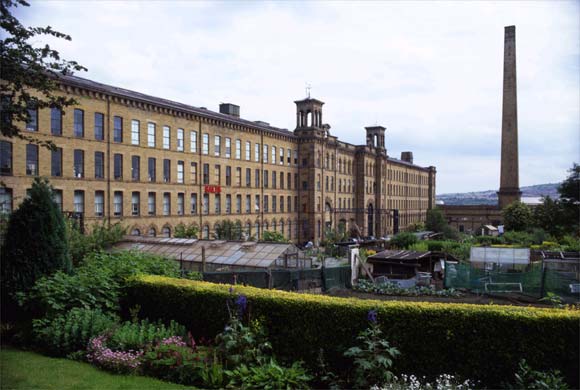
The north represented the powerhouse of Queen Victoria’s Britain. Salt's Mill was built by wool and cloth pioneer Sir Titus Salt. Titus went on to create a whole village for workers as he was concerned for their wellbeing living in the polluted industrial boom cities. Photograph: John Whitaker/britainonview
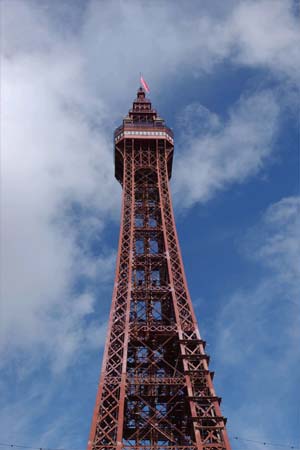
Inspired by the Great Exhibition in Paris and the Eiffel Tower, the first foundations were laid for Blackpool Tower in 1891. When it opened it generated its own electricity, held more than five million bricks and measured over 518ft. Photograph: Adrian Houston/britainonview
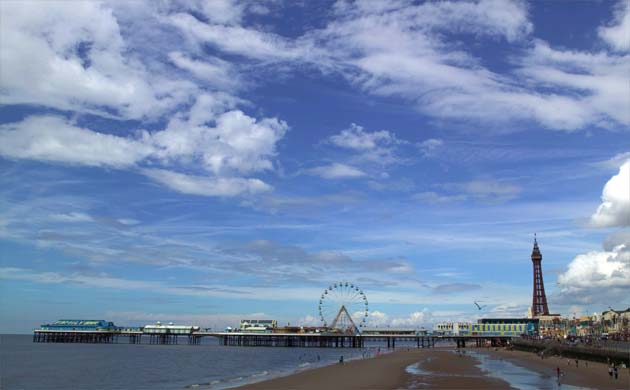
The famous circus opened at the base in 1894, followed five years later by the infamous Blackpool Ballroom. The tower takes seven years to paint from top to bottom and is illuminated by 10,000 lightbulbs. Photograph: Martin Brent/britainonview
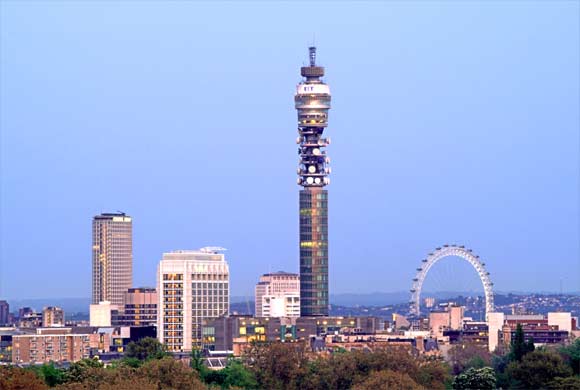
Rising over the rooftops of central London, the Post Office Tower (now the BT Tower) represented the technological revolution of the 1960s and was associated with swinging London. It was a top tourist attraction, with a Top of the Tower restaurant run by Billy Butlin of holiday camp fame. Photograph: Eric Nathan/britainonview
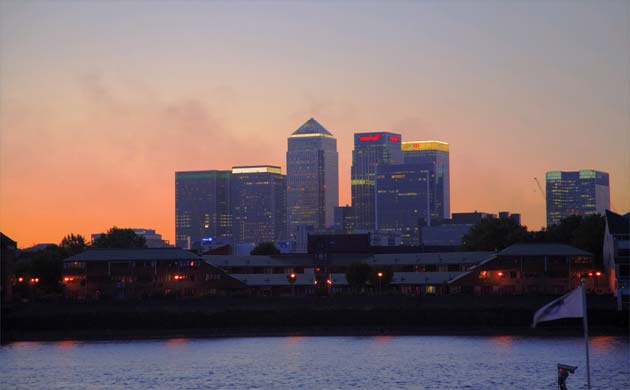
The London docks stretch eight miles eastwards of Tower Bridge. Following a steep decline in the area the London Docklands Development Corporation was set up in the 1980s with a focus to regenerate the area. Photograph: Visit London images/Britain on view
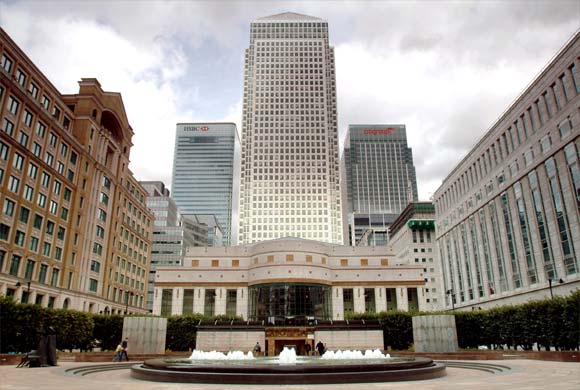
An enterprise zone was declared, with tax allowances for investors and developers, and 1988 saw the construction of Canary Wharf. Rapid development followed and by 2005 the working population of this area was 75,000. Photograph: TNT Eric Nathan/britainonview