Key Takeaways
- Embrace flexible talent solutions to meet diverse workforce needs.
- Implement skills-based hiring to broaden the candidate pool.
- Leverage technology and data analytics to enhance recruitment processes.
- Develop strong employer branding to attract top talent.
- Focus on employee well-being to improve retention rates.
In today’s rapidly shifting workforce landscape, organizations need to rethink their hiring approach. Flexible models, technology, and a candidate-first focus are all essential to excel in a competitive job market. With market conditions constantly in flux and top candidates having more choices than ever, it’s crucial to create a modern recruiting strategy that addresses both immediate and future needs.
Adapting to new expectations around remote work, job flexibility, and career development can help employers stand out. As automation and artificial intelligence shift workforce demands, organizations must frequently review and retool their talent acquisition processes to stay competitive. This new paradigm is about much more than just filling open roles—it's about creating processes that attract high-quality talent from every possible background while keeping the existing workforce engaged.
A forward-thinking hiring plan is essential for anticipating workforce trends and aligning recruitment with organizational growth. Companies that embrace continuous improvement in hiring realize better outcomes, both in speed to hire and quality of hire, leading to improved organizational agility and competitiveness.
To keep pace, it’s vital to build agile teams, leverage data-driven decisions, and invest in employee well-being—practices echoed across research from leading industry resources such as Harvard Business Review.
Embrace Flexible Talent Solutions
Traditional nine-to-five office jobs are no longer the only route to building strong teams. Remote work, hybrid arrangements, and short-term contract roles have surged in popularity, making flexibility a key differentiator in recruitment. Companies leveraging flexible models gain access to a global workforce and can quickly scale teams to meet shifting organizational needs.
The gig economy’s expansion has created a diverse talent pool, offering a wide range of skills and perspectives that benefit businesses of all sizes. By adopting versatile hiring frameworks, organizations can efficiently fill talent gaps, boost innovation, and remain responsive to market changes. This approach also enables the inclusion of professionals who may not be able to participate in traditional employment models, thereby widening access to highly skilled candidates.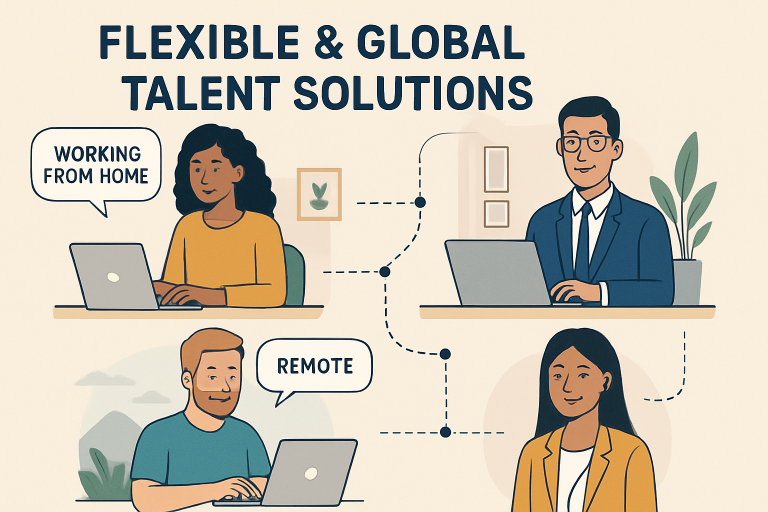
Implement Skills-Based Hiring
Shifting gears from conventional education-based hiring to prioritizing skills and competencies is an effective way to diversify the talent pipeline and address shortages. Recent analysis of job vacancies in the UK (2018–2024) highlighted a 21% rise in demand for AI roles, while credential requirements related to university degrees dropped by 15%. This indicates a growing shift towards recognizing capabilities over conventional qualifications, ultimately broadening the pool of viable candidates.
Skills-based hiring helps mitigate unconscious bias, making recruitment more equitable and performance-driven. By designing job descriptions around role-specific skills rather than generic requirements, hiring managers can attract diverse applicants and ensure that recruitment aligns tightly with organizational needs. Many top employers—including those highlighted in Forbes—are shifting towards this model to secure a competitive advantage in tight labor markets.
Leverage Technology and Data Analytics
Digital transformation continues to reshape recruitment, introducing powerful new tools to streamline and enhance every step of the hiring process. Automated platforms can efficiently screen thousands of resumes, identify top candidates with precision, and help managers make more informed choices. Data analytics, meanwhile, enables organizations to track recruitment metrics, optimize workflows, and forecast hiring needs in line with business growth.
Innovative platforms also enhance the candidate experience through user-friendly portals, timely communication, and transparent feedback. As a result, organizations leveraging recruitment tech not only reduce administrative overhead but also build employer brands recognized for efficiency and candidate care.
Develop Strong Employer Branding
Talent today is drawn to organizations with compelling stories, clear values, and visible commitments to employee growth and well-being. A robust employer brand can reduce cost-per-hire by up to 50% and boost applicant numbers exponentially. With reputation and transparency being top priorities for job seekers, organizations must communicate what makes their culture unique and supportive.
Good employer branding comprises regular showcases of team achievements, behind-the-scenes glimpses of work-life culture, and authentic testimonials from current staff. When woven into career sites and social media, these efforts drive interest from top performers seeking environments where they can thrive.
Focus on Employee Well-Being
Modern hiring plans must extend their focus beyond acquisition to include retention. Employee well-being is a foundational element in today’s talent strategies. Organizations that prioritize inclusivity, flexibility, and mental health support see reduced turnover and improved morale.
Initiatives such as open mental health discussions, flexible hours, and professional development support demonstrate an organization’s investment in its people. This not only improves the employee experience but also encourages greater loyalty, advocacy, and productivity from the workforce.
Conclusion
The talent market is more dynamic and competitive than ever before. To succeed, companies must embrace flexible work solutions, invest in skills-based hiring, leverage the latest technologies, and commit to both employer branding and employee well-being. By building hiring plans that prioritize adaptability, inclusivity, and transparency, organizations can secure the talent necessary for long-term success while creating workplaces where people want to stay and grow.