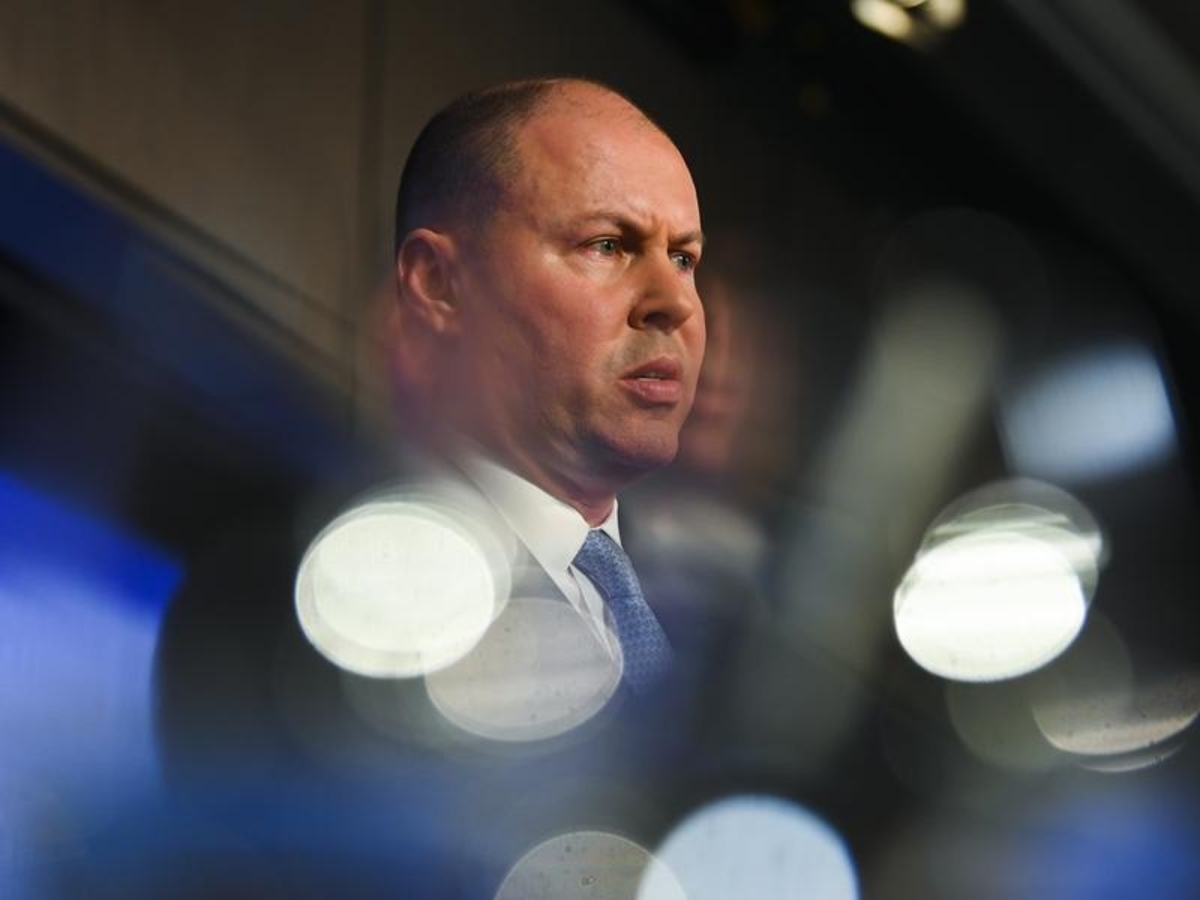
Treasurer Josh Frydenberg has rejected concerns bosses could sack older workers to capitalise on government subsidies for younger employees.
Tuesday night's federal budget outlined a $4 billion program offering all businesses - excluding the four big banks - credit to hire young unemployed people.
But there are suggestions the scheme could encourage employers to bring on subsidised staff at the expense of more expensive older workers.
Mr Frydenberg said a "double-barrel" eligibility test relied on a company's headcount and wage bill increasing.
"The lessons from past crises show that young people are often the last in and often the first out of a job," he told the National Press Club in Canberra on Wednesday.
"They don't necessarily have the same experience or the skill sets that some of the senior workers have and so, therefore, giving them this helping hand now is very important."
Workers under 30 will draw a $200 weekly government subsidy, while someone between 30 and 35 will attract $100.
New hires must work at least 20 hours a week.
The government predicts about 450,000 jobs will be created through hiring credits.
But Labor argues 928,000 people out of work and aged over 35 will be excluded from the scheme.
"We don't think those people should be just thrown on the scrap heap," Opposition Leader Anthony Albanese told ABC radio.
"We want to see people put into work, young people as well as older workers."
Prime Minister Scott Morrison defended the scheme, saying the coronavirus pandemic hit women and young people the hardest.
"The subsidy only applies for new places over and above what your current level of employment is," he told the Seven Network on Wednesday.
"If they drop the level of employment to take on other workers, they won't get the subsidy. It's got to be new jobs over and above what is there now."
Unions want a guarantee the money will end up in workers' pockets and safeguards for existing employees.
Employer groups have welcomed the scheme as a job creation measure to stimulate the economy.
JobKeeper coronavirus wage subsidies will end at the end of March after being tapered off.
The big-spending budget will also provide a tax cut for more than 11 million Australians.
Labor have backed the cuts meaning the tax office can now update rates to provide relief for workers in coming weeks.
The economic blueprint also predicts a strong turnaround in economic growth of 4.75 per cent next financial year.
That's based on almost all of Australia receiving a coronavirus vaccination by late next year and no major outbreaks in the meantime.
Mr Frydenberg said the assumptions were made after Treasury consulted with the Health Department.