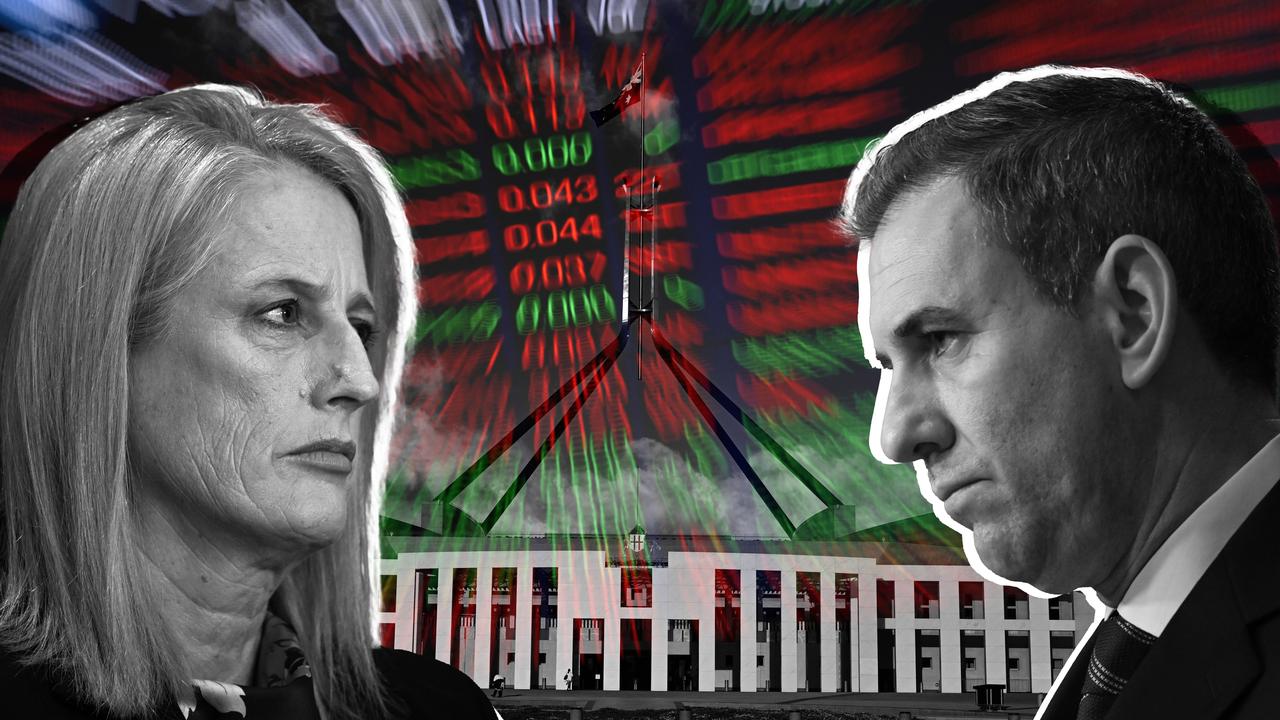
Treasurer Jim Chalmers has used a $4.9 billion blowout in home battery subsidies to claim the government saved taxpayers $6.7 billion in the mid-year budget update.
The battery subsidy program was initially set to cost taxpayers $2.3 billion but the forecast cost was revised up to $13.9 billion over four years, because of a higher uptake than expected.
The scheme was capped in Wednesday's budget update, so it will now only cost $7.2 billion over the four-year forward estimates period.
While the government said the blowout was outside its control, Dr Chalmers banked the subsequent $6.7 billion reduction as a decision of government.
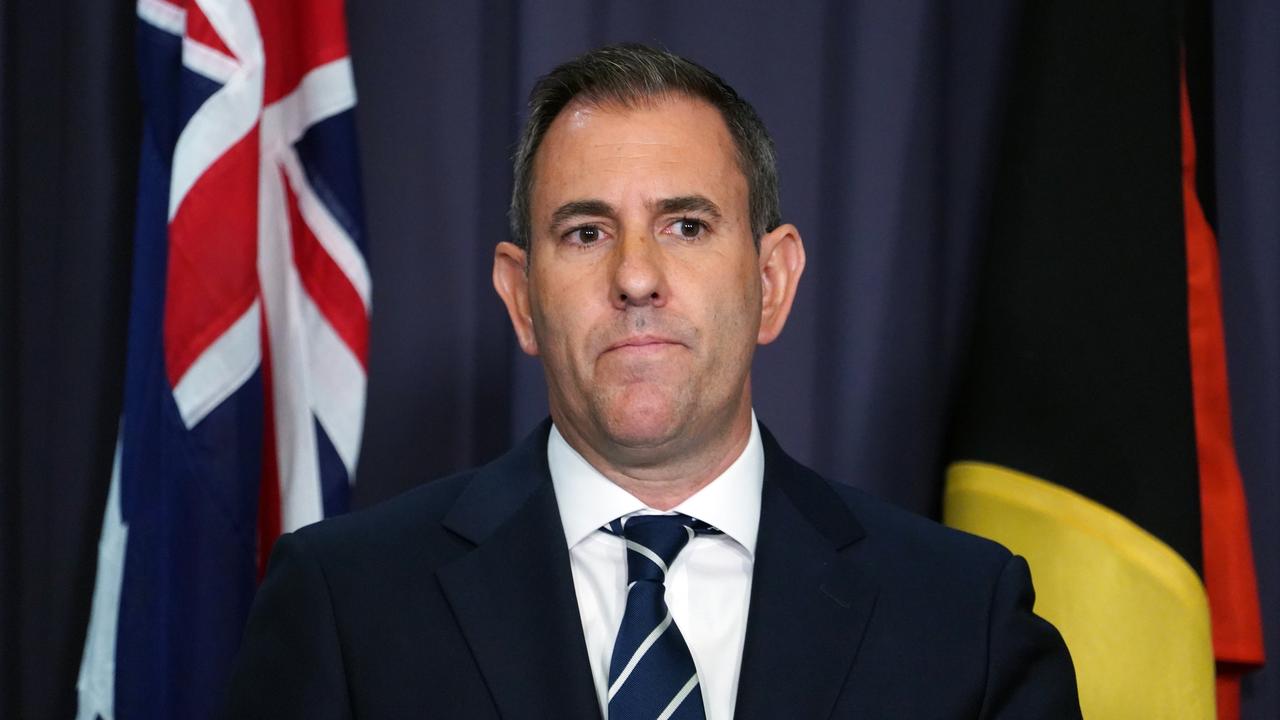
Through that method, he claimed the net impact of the government's total policy decisions shaved $2.2 billion off cumulative deficits over the four-year forward estimates period.
Dr Chalmers called it "the most responsible mid-year update on record", because it was the first time in eight years the decisions of government had improved the budget.
But had Treasury correctly costed the battery scheme in the first place, the government's policy decisions would have had a negative impact on the budget, independent economist Chris Richardson said.
"They've had two bites at the cherry," he said.
Without the blowout and subsequent capping of the scheme, the update would have shown the net impact of government policies made the budget balance $4.5 billion worse off.
Dr Chalmers was able to spruik a modest $5.4 billion improvement to the deficit this financial year, mainly driven by higher-than-expected tax collections.

Over the forward estimates, the government claimed to have found $20 billion in savings while parameter variations - factors outside the government's control - boosted the expected tax take by $41 billion.
But the forecast budget balance over four years improved by just $8.4 billion, eaten up by "unavoidable" spending increases.
By 2028/29 the deficit is expected to be $36 billion, or 1.1 per cent of GDP, which is significantly smaller than most peer economies.
Beyond the forward estimates, the deficit is now expected to get worse before it gets better.
Higher interest, childcare and health costs will result in bigger deficits in the medium term than were anticipated ahead of the May election.
Childcare subsidy growth is expected to average 5.7 per cent, compared to 5.1 per cent in the pre-election fiscal outlook, "largely reflecting higher-than-estimated childcare use by families in the forward estimates".
Treasury has also provisioned for an unknown amount of hospital funding to the states, with Health Minister Mark Butler and state ministers still at loggerheads over an agreement.
The deficit is finally expected to narrow to 0.1 per cent of GDP by 2035/36, as higher income taxes push the share of revenue to 26.6 per cent of GDP, from 25.4 per cent in 2028/29.
The budget returning to balance also relies on the government controlling spending growth on the $52 billion NDIS.
Growth in the program is forecast to moderate to 7.6 per year on average over the next decade, but questions remain over how successful Mr Butler's attempts will be to move kids with minor autism onto state-run programs.
An extra $104 million in funding for Jewish community security was included in the update following the Bondi massacre, in which Hanukkah celebrations were targeted on Sunday.
Other new spending measures include $233 million in extra funding for the CSIRO, investments in free mental health services and $10 billion to build 100,000 new homes for first home buyers, first announced during the election.
Treasury's economic forecasts were also updated from the March budget, with headline inflation for this financial year revised up from three per cent to 3.75 per cent.
That means after two years of real wages growth, pay packets are expected to go backwards relative to prices next year.