Brookside Close: dark secrets of TV's deadliest address
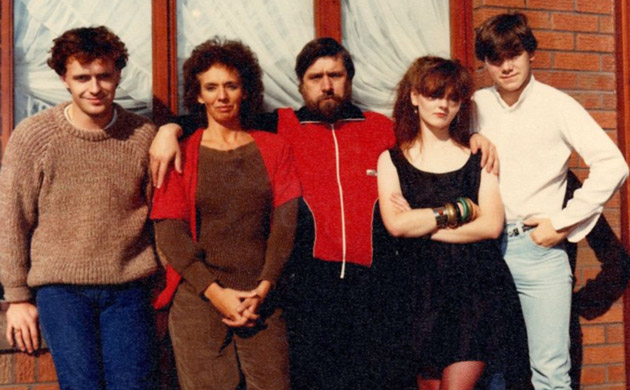
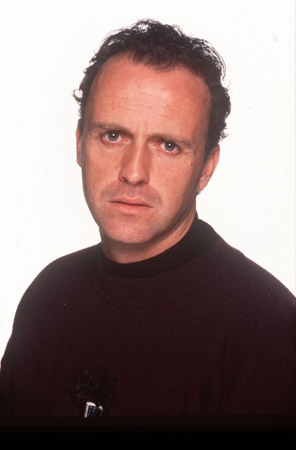
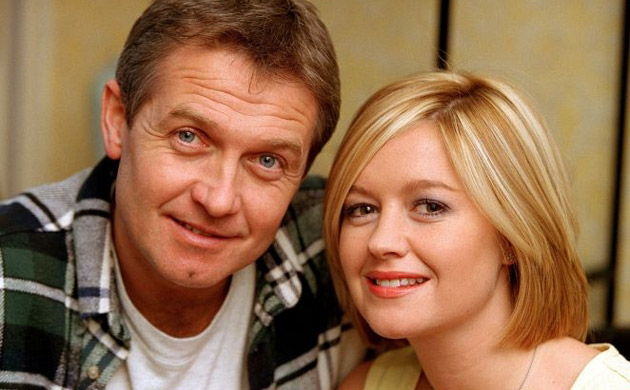
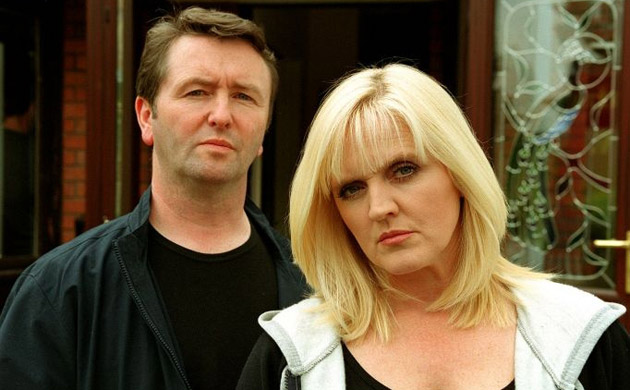
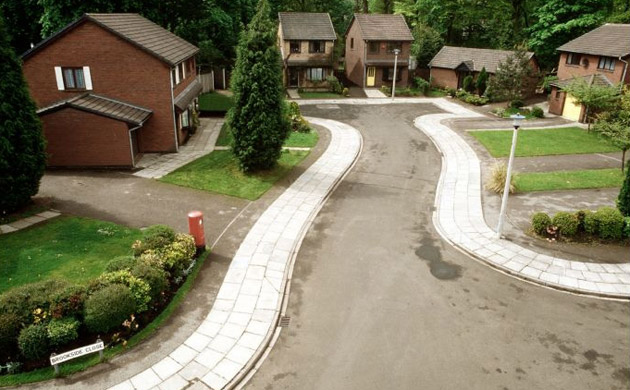
Phil Redmond's Mersey Television bought 13 houses in early 1982 to host fledgling soap Brookside. It made its debut on the first night of Channel 4 on November 2 1982. At the start, six were used on-screen as sets, while the remainder hosted offices, post-production and catering facilities. Over the years, the set was to be the scene of a string of sensational plotlinesPhotograph: Channel 4Number 5 was the focus of many of the soap's early scenes as the working-class Grant family moved into their new four-bedroom home from a council estate. Their middle-class neighbours the Collinses, at number 8, were moving down the housing ladder from a large house in the Wirral. Number 5 was destroyed 12 years later when a cult took charge of the house and blew it up in a Waco-style fireballPhotograph: Mersey TelevisionFrom his early days as a cheeky youngster at number 5, Barry Grant developed into a money-obsessed 'scally'. By the late 1980s he had become the villain at the head of a gangland empire, and was revealed as the killer of Terry's wife Sue, who fell from scaffolding with her baby. He moved into number 5 briefly after it was rebuilt following the cult disaster, went abroad for a while and eventually bought a mansion in NewcastlePhotograph: Mersey Television
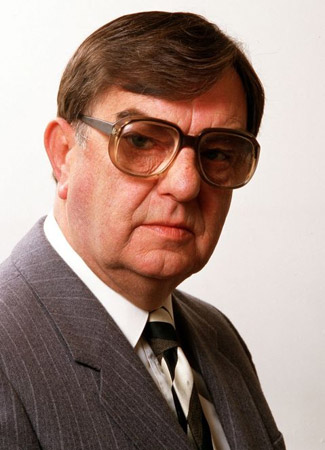
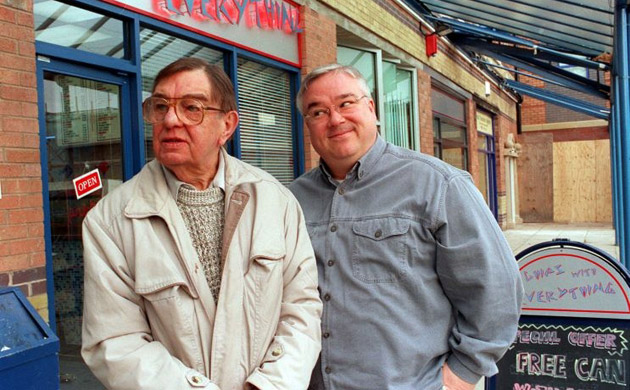
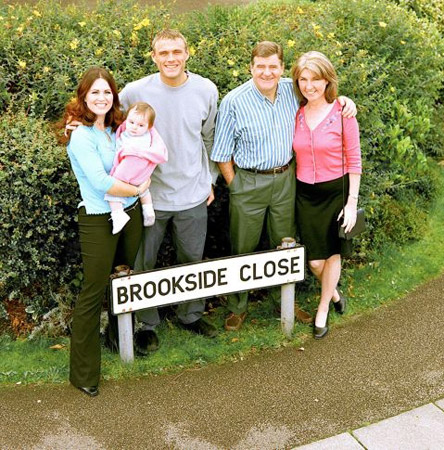
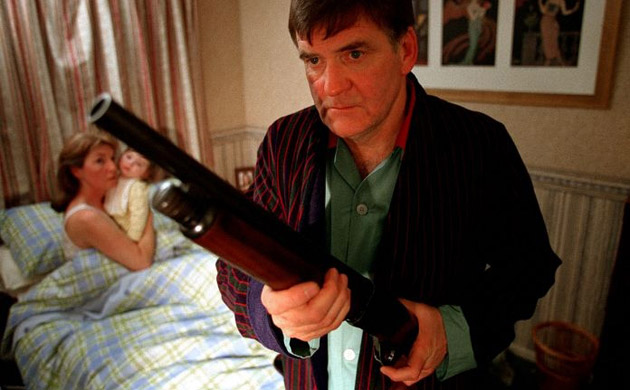
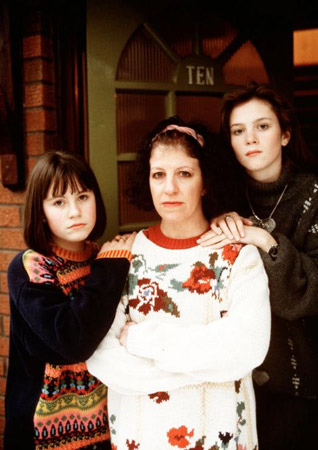
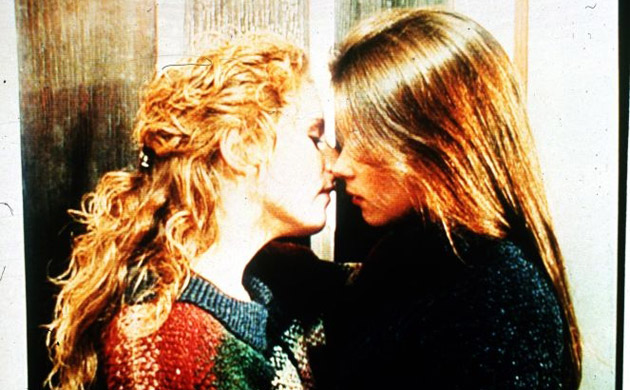
Pensioner Harry Cross bought number 7 in 1983, and brought humour with his cantankerous attitude. His plotlines took a bleaker turn as his wife Edna died; he first took in a lodger and then rented out the house. In 1985 the house was at the centre of the infamous 'siege'; the Close had to be evacuated when a psychopathic gunman held nurses Kate Moses and Sandra Maghie and hospital porter Pat Hancock hostage. The siege ended with the gunman killing Kate, then shooting himselfPhotograph: Mersey TelevisionDespite the shock of the siege in the house he owned at number 7, Harry Cross's character remained in the soap until 1999, and was often at the centre of humorous storylines. Here he is pictured in Brookside Parade with fellow joker Sinbad, who started in the series as a visiting window cleaner. Sinbad eventually moved into number 7 after he was asked to show prospective buyers round the house but in fact installed himself in the propertyPhotograph: Mersey TelevisionYuppie couple Max and Patricia Farnham moved into number 7 in 1990. The couple split up and Max remarried his ex-wife Susannah. However, their two children were killed in a car crash, and neighbour Jacqui Dixon offered to be a surrogate mother for them. After numerous plot twists, including Susannah being in a coma after a bomb blast, Max and Jacqui (pictured) got together and married in 2001, leaving the show in its penultimate episodePhotograph: Mersey TelevisionThe Dixon family moved into Brookside in late 1990, replacing the Collinses at number 8. They soon made an impact on their neighbours, parking the 'Moby', a huge mobile shop, outside the house. The family remained central characters, becoming involved in increasingly dramatic storylines including Ron Dixon's affair with much younger neighbour Bev McLoughlinPhotograph: Mersey TelevisionFollowing a siege in his home at number 8, Ron Dixon got a shotgun to protect his family. This culminated in his shooting burglar Clint Moffat, mirroring the real-life case of Tony Martin. After pleading self-defence, Ron was sentenced to six months in jailPhotograph: Mersey TelevisionThe Corkhill family first moved into number 10 in the autumn of 1985. Billy faced tough times and ended up burgling his own house with brother Jimmy, but the episode failed to cure the family money problems and his marriage collapsed. Jimmy moved into the house and became a central character, descending into drug abuse, while his daughter Lindsay also took a leading role, becoming a lesbian, as did her mother, who then stole her daughter's girlfriendPhotograph: Mersey TelevisionThe Jordache family moved into number 10 in late 1993, giving rise to some of Brookside's most infamous storylines. Battered wife Mandy Jordache stabbed her husband Trevor to death in the kitchen after she failed to poison him. She buried him under the patio with the help of her daughter Beth with Sinbad's help. The finding of his remains in January 1995 gave Brookside its highest ever audience of 9 millionPhotograph: Mersey TelevisionBrookside's most famous moment took place at number 10in late 1993 when Beth Jordache shared British TV's first pre-watershed lesbian kiss with Margaret ClemencePhotograph: Mersey TelevisionThe Murrays were introduced in 2000 in an attempt to rekindle viewers' interest in the struggling soap, moving into number 9. They became involved in various dramatic plotlines including teenage pregnancy and bullying. As the show struggled to retain viewers, the plotlines became increasingly bizarre, including the shooting down of a police helicopter in Brookside Parade. However, this failed to revive the ratings, and the soap was axed in November 2003Photograph: Mersey TelevisionIn the final episodes, Barry Grant returned to a boarded-up Close which had been overrun by drug dealers and compulsorily purchased by an incineration firm. A drug dealer named 'Jack Michaelson' moved into the Close - a play on Michael Jackson, the Channel 4 controller who had cancelled the series. A mob took the law into their own hands and hung Michaelson from number 8's bedroom windowPhotograph: Mersey Television
Sign up to read this article
Read news from 100’s of titles, curated specifically for you.