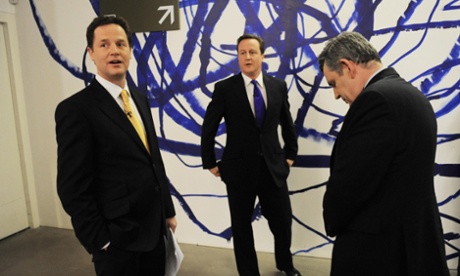
Broadcasters have proposed a new plan to protect the second live televised debate planned for 16 April, the prospects for which had been thrown into doubt by Downing Street earlier this week when David Cameron said he had accepted an offer that would require him to appear in only one leaders’ debate during the election campaign.
The broadcasters, led by the BBC, are thought to have issued assurances to Labour that they will be invited to participate alongside Ukip, the SNP, the Greens and Plaid Cymru. The new offer means that there would be at least two live television debates involving most party leaders. The first will be broadcast by ITV on 2 April and the second will be screened by the BBC on 16 April.
Although David Cameron is thought to be unwilling to participate in anything other than the first debate and some live TV interviews, it appears that broadcasters are lining up to say that the second debate involving the other leaders could go ahead with - or without – him.
Labour has been pressing the broadcasters not to abandon their threat to “empty-chair” the prime minister if he refuses to appear in TV debates. The party had also opposed plans for a 16 April “challengers’ debate” involving the SNP, the Greens, the Democratic Unionists and Plaid. Sources say Labour has now received an offer to join this challengers’ debate, although it is not clear if the Liberal Democrats would wish to take part as well. Cameron is unlikely to want to appear.
Labour is expected to continue to press Cameron to appear in both the second debate, as well as the third debate proposed by broadcasters, which would be a head-to-head between the prime minister and Ed Miliband.
That head-to-head debate is currently not on the cards. Instead, Nick Clegg, Cameron and Miliband would appear in a BBC Question Time-style format, but separately.
On Monday, Downing Street, under pressure over Cameron’s reluctance to stage a head-to-head debate with Miliband, briefed that it had reached an agreement with the broadcasters to appear in one TV debate on 2 April, and that all other set-piece television appearances by the leaders would not be in a debate format.
It emerged that broadcasters, particularly BBC executives, had opened up a back channel with the Tories and reached an agreement on Saturday with David Cameron – described by the prime minister as formal offer. Labour then rejected the offer, expressing private anger that some BBC executives had reached a deal with the Tories before placing it in front of the other parties, and this has led to a rethink.