British wildlife photography awards 2012 – in pictures
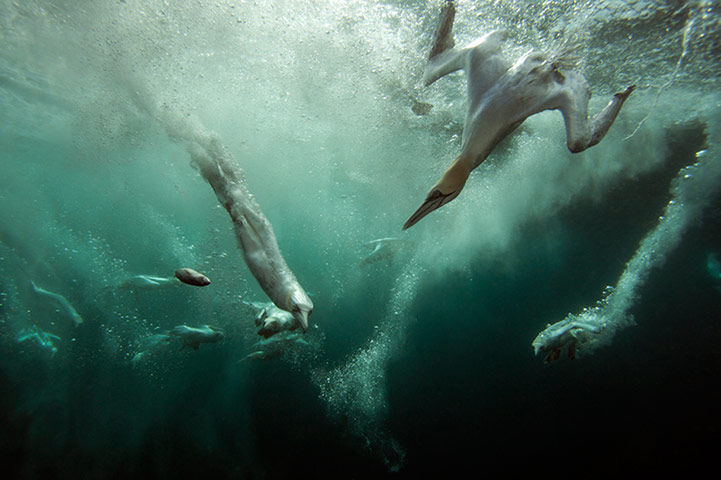
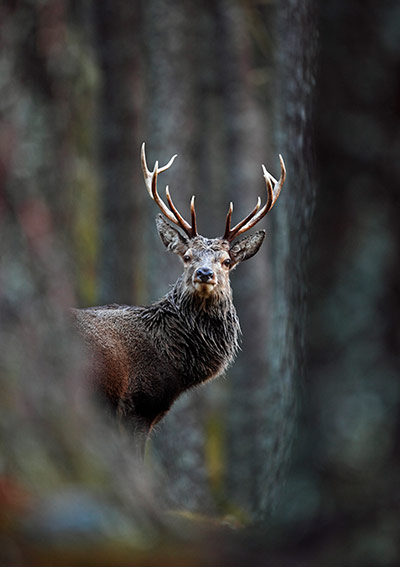
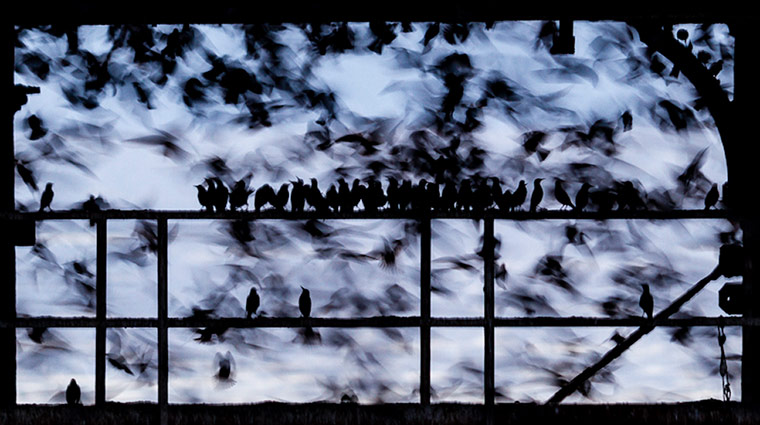
Overall winner and coast and marine category awards: Gannet Jacuzzi by Dr Matt DoggettPhotograph: Dr Matt Doggett/BWPAAnimal portraits category winner: Red deer stag in pine forest by Neil McIntyrePhotograph: Neil McIntyre/BWPAUrban wildlife category winner: Starlings watching starlings by Phil JonesPhotograph: Phil Jones/BWPA
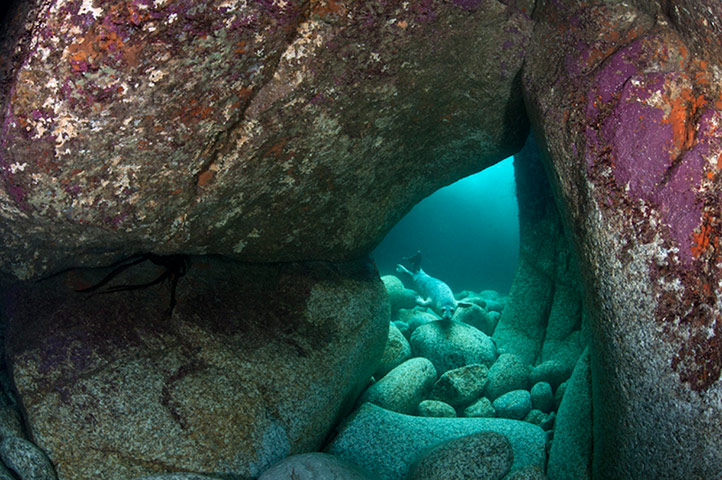
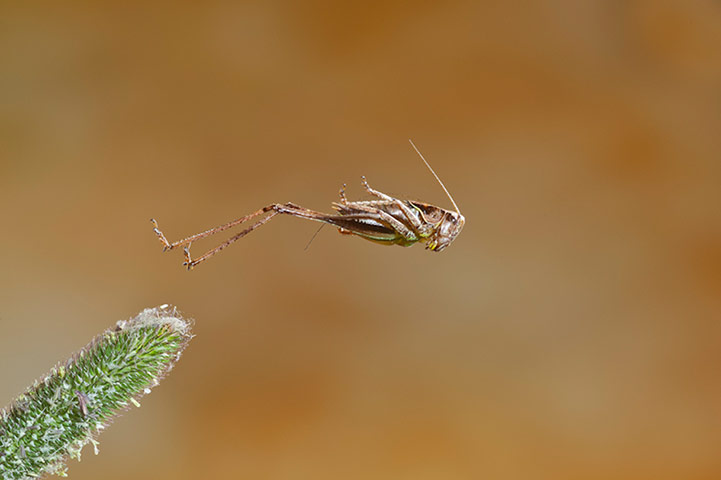
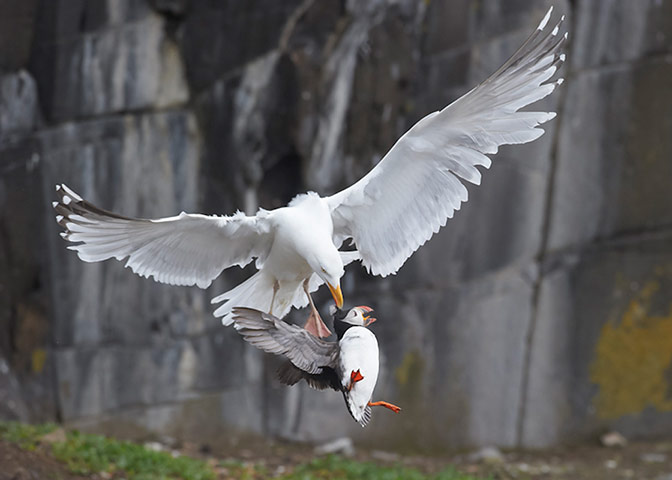
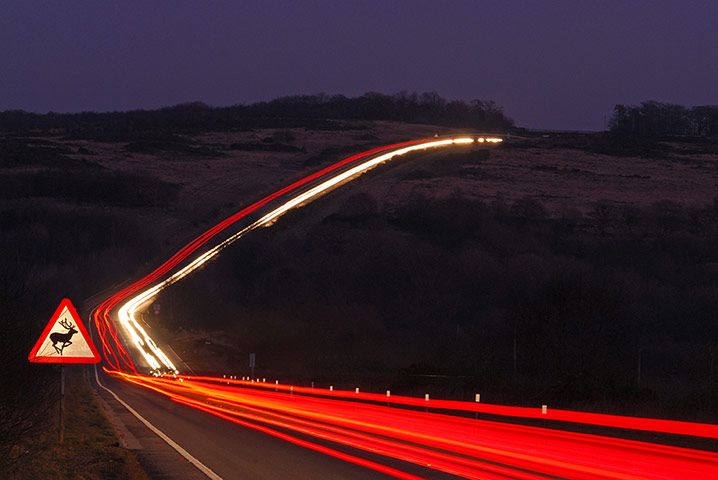
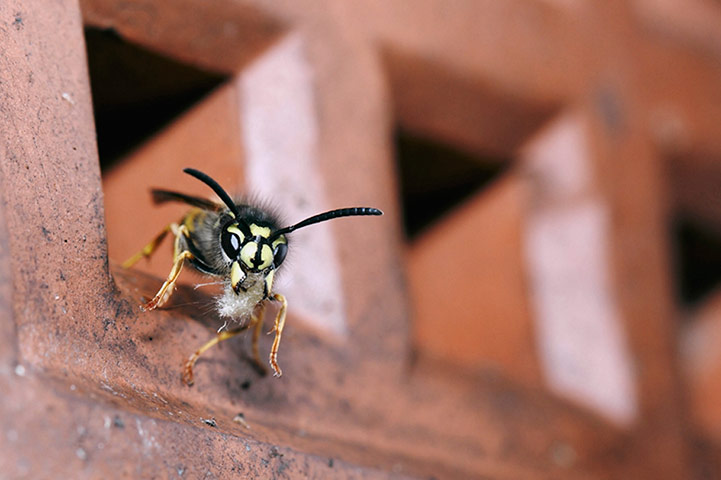
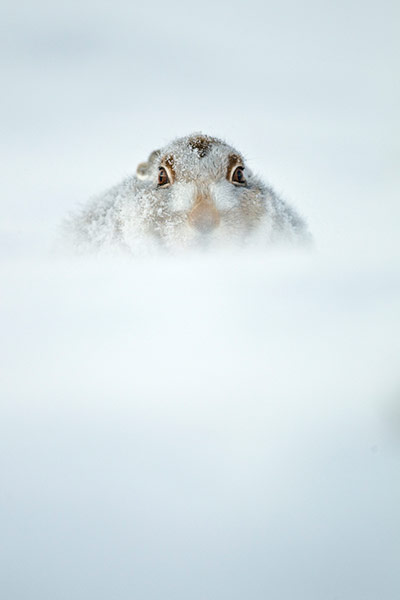
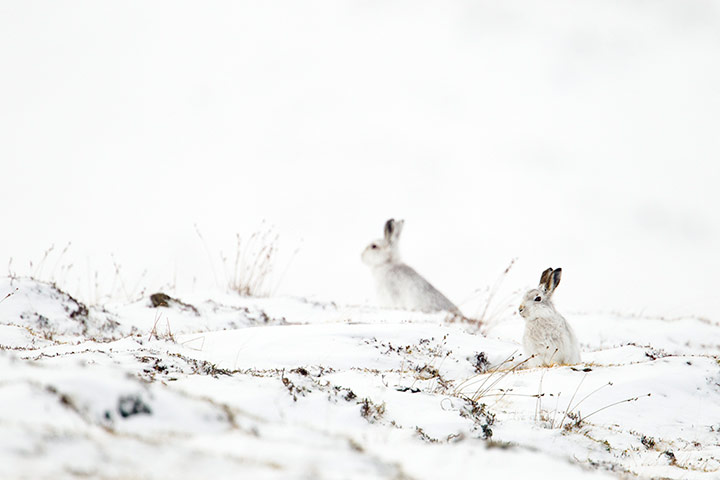
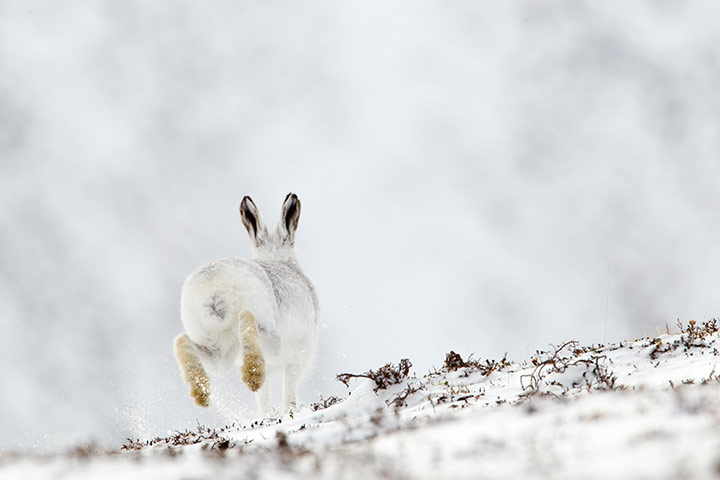
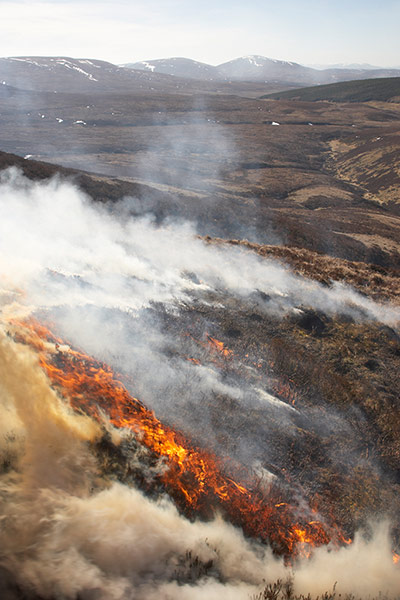
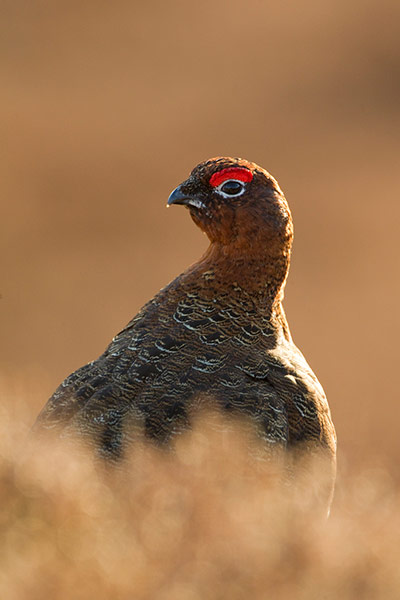
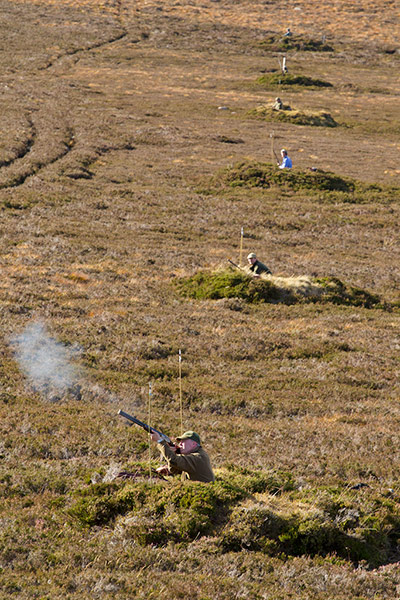
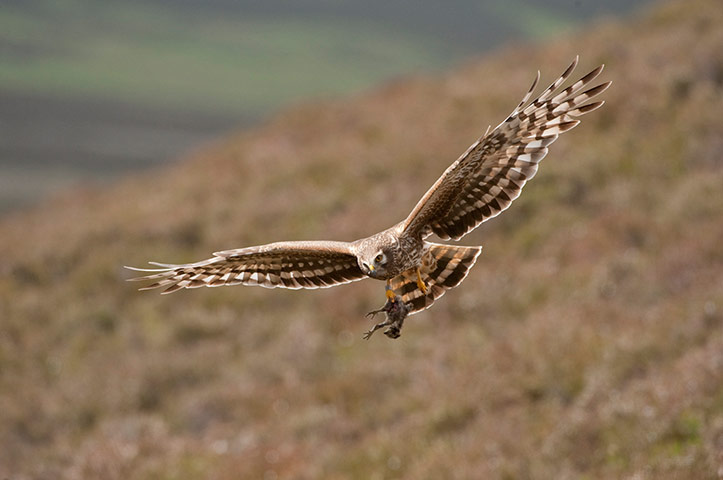
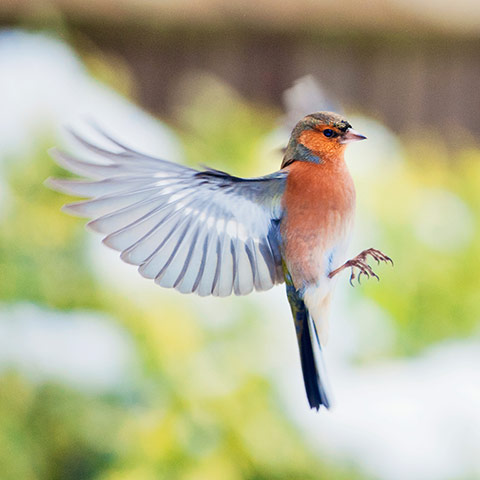
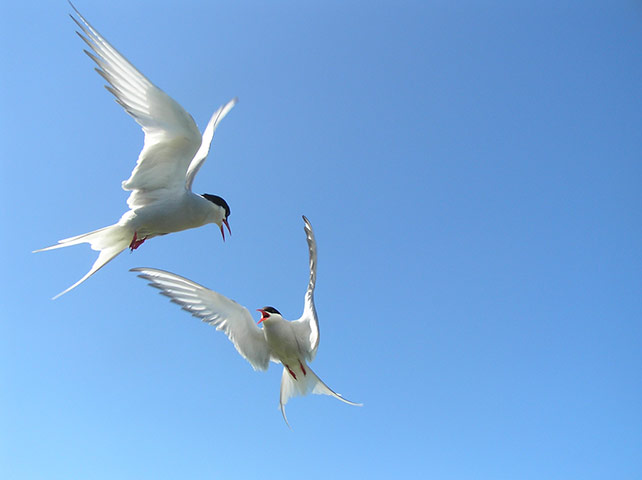
Habitat category winner: Grey seal in underwater cave by Alexander MustardPhotograph: Alexander Mustard/BWPAHidden Britain category winner: Leap for freedom by Dale SuttonPhotograph: Dale Sutton/BWPAWildlife behaviour category winner: Herring gull and puffin by Amanda HayesPhotograph: Amanda Hayes/BWPAWild woods category winner: New Forest in autumn by Jeremy WalkerPhotograph: Jeremy Walker/BWPALiving landscapes category winner: Culm divided by Stephen PowlesPhotograph: Stephen Powles/BWPAIn my backyard category winner: Wasp house cleaning by David HandleyPhotograph: David Handley/BWPABritish seasons category winner: Snow hare portfolio by Jules CoxPhotograph: Julian Cox/BWPABritish seasons category winner: Snow hare portfolio by Jules CoxPhotograph: Julian Cox/BWPABritish Seasons category winner: Snow hare portfolio by Jules CoxPhotograph: Julian Cox/BWPADocumentary series award winner: A fresh approach to a rural tradition, portfolio by Mark Hamblin. Muirburn (heather burning) on an upland sporting estate to burn off old growth and promote fresh heather shoots on which red grouse feed. Burning takes place on a 12-year cycle to generate a mosaic of heather patches of different ages as part of red grouse managementPhotograph: Mark Hamblin/BWPADocumentary series award winner: A fresh approach to a rural tradition, portfolio by Mark Hamblin. A red grouse adult male in spring plumage is an important game bird whose numbers are maximised on sporting estates through careful management to provide high yields for paying clients during the shooting season Photograph: Mark Hamblin/BWPADocumentary Series award winner: A fresh approach to a rural tradition, portfolio by Mark Hamblin. Clients pay handsomely to shoot red grouse but if there are low numbers of game birds then there are fewer grouse shooting days, which it is argued has significant implications for rural economies and local employmentPhotograph: Mark Hamblin/BWPADocumentary Series award winner : "A fresh approach to a rural tradition", portfolio by Mark Hamblin. A female hen harrier returns to its nest with a young grouse chick. Harriers and other moorland raptors can heavily reduce grouse stocks during the breeding season, which inevitably brings them into direct conflict with game shooting interests. An alternative approach to try to reduce the impact of grouse predation by harriers is to provide them with another food source. On Glen Tanar Estate during the 2011 season the single pair of breeding harriers were provided with chunks of venison that the female took to feed her chicks, which resulted in a reduction in the number of grouse takenPhotograph: Mark Hamblin/BWPAWildPix young people’s awards under 12 winner: A chaffinch by William BriggsPhotograph: William Briggs/BWPAWildPix young people’s awards 12-18 winner: Arctic terns by Ashley ButterworthPhotograph: Ashley Butterworth/BWPA
Sign up to read this article
Read news from 100’s of titles, curated specifically for you.