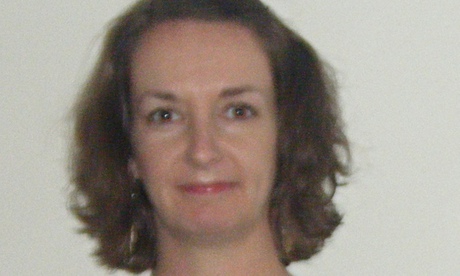
The British nurse who was diagnosed with Ebola after returning from volunteering in Sierra Leone is still in a critical condition, but has now stabilised, the health secretary, Jeremy Hunt, has said.
In a statement to the Commons, Hunt praised the courage of Pauline Cafferkey, the Scottish nurse who is now seriously ill with the disease following her return to the UK a week ago.
Hunt said her doctors had told him she was still critical, but stable since Sunday. She and her colleagues, who spent their Christmas treating the sick of Sierra Leone, deserved the nation’s thanks, he said.
“Pauline’s condition has deteriorated to a critical state although she stabilised yesterday and continues to receive the best possible care,” he said.
Addressing the House of Commons, Hunt announced that any NHS volunteer returning from Sierra Leone, Liberia or Guinea who feels unwell on their return to the UK would now be referred to a specialist adviser for further assessment, even if they do not have a high temperature.
Cafferkey was cleared to fly on from Heathrow to Glasgow after seven separate temperature checks, in accordance with the public health protocols in place on Sunday 28 December – even though she had said she felt she might be developing a slight fever. The clinical advice to the government has always been that there is no risk to the public before symptoms develop. “I am satisfied the right clinical practices were followed,” Hunt said.
Cafferkey only became symptomatic overnight at her home – at which point she called the health authorities, was tested for Ebola and then transferred to the Royal Free hospital in London.
“However, we also recognise that medical understanding of the disease is not complete,” said Hunt. That is why stronger precautions have already been taken than public health experts advise - health workers are instructed to avoid crowded places and long journeys by public transport for 21 days after they return from west Africa.
On the same precautionary principle, the procedures at airports have now been changed to ensure that any returning health worker who has concerns about their health – as Cafferkey did – will get a further assessment by an infectious diseases specialist before they are given the all-clear to travel home.