Britons could soon receive free electricity for using household appliances at weekends, under a new scheme unveiled by the National Energy System Operator aimed at tackling rising surplus power across the grid.
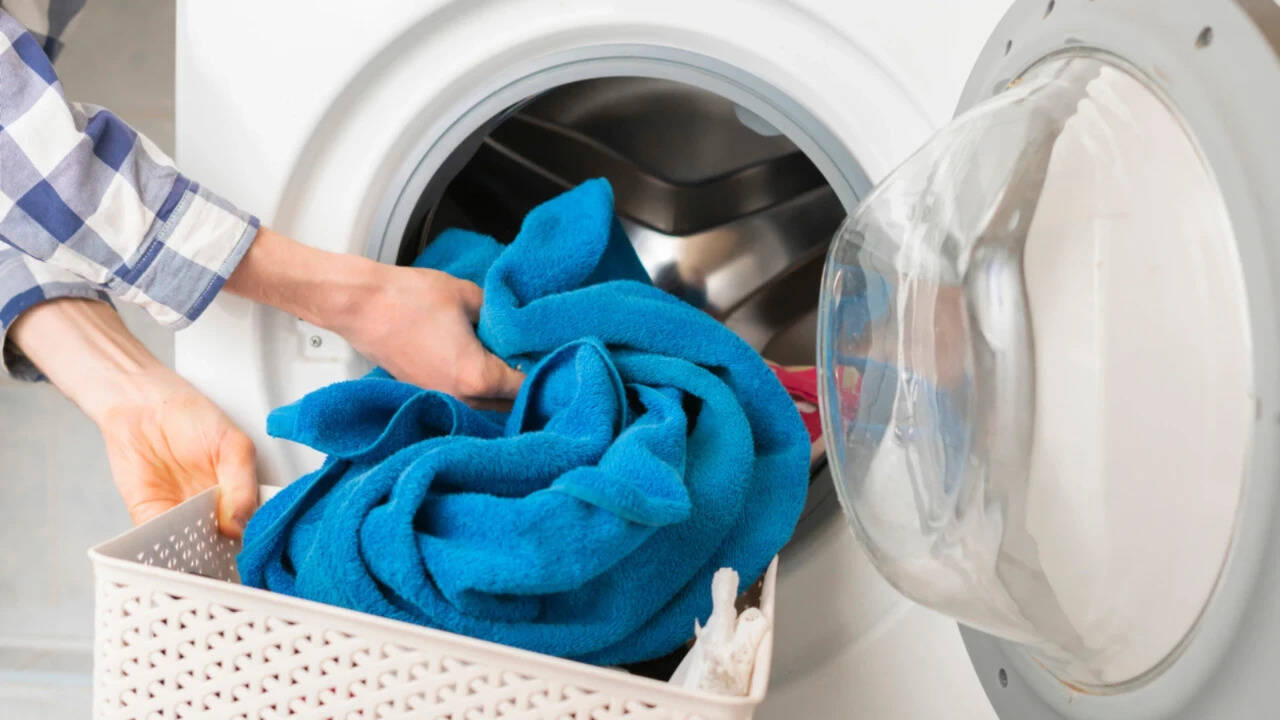
Announced on 14 April 2026, the initiative will reward households with smart meters for shifting their electricity use to off-peak periods, particularly when demand is low and supply is high. Activities such as running washing machines, dishwashers or charging electric vehicles during these windows could effectively cost nothing.
How the free electricity scheme works
The scheme is designed to rebalance the UK’s electricity network, where supply increasingly outpaces demand at certain times. Weekends, bank holidays and warmer days often see reduced consumption while renewable generation, especially solar, continues to produce high output.
Households connected through energy suppliers or third-party platforms will be incentivised to use electricity during these surplus periods, easing pressure on the grid while reducing waste.
According to the National Energy System Operator, the scheme will reward “flexible electricity use”, helping align consumption with real-time energy availability.
Why surplus electricity is rising
The shift towards renewable energy is driving the increase in surplus supply, with solar generation peaking during longer daylight hours and demand failing to keep pace.
At the same time, the growth of local and small-scale energy producers has reduced reliance on large power stations, creating a more distributed but less predictable energy system.
In 2025, the UK spent nearly £1.5 billion managing excess wind power, including paying generators to switch off when the grid could not absorb the supply.
Impact on households and daily routines
The scheme signals a shift in how households interact with energy, not by cutting usage, but by changing when it happens. Running appliances at weekends or during off-peak hours could lead to direct savings, particularly as energy costs remain under pressure.
Energy firms such as Octopus Energy have already reported rising demand for solar panels and heat pumps, reflecting a broader change in how consumers approach energy use.
A move towards a more flexible energy system
Officials say the initiative forms part of a wider strategy to improve grid efficiency, reducing the need for costly interventions and strengthening overall energy resilience.
Dr Deborah Petterson, director of resilience and emergency management at the National Energy System Operator, said the scheme will help improve both efficiency and system stability, particularly during periods of fluctuating demand.
With transmission demand expected to hit record lows this summer, the role of flexible consumption is becoming increasingly central.
The scheme will be rolled out via energy suppliers and digital platforms, with participation dependent on households having smart meters installed.