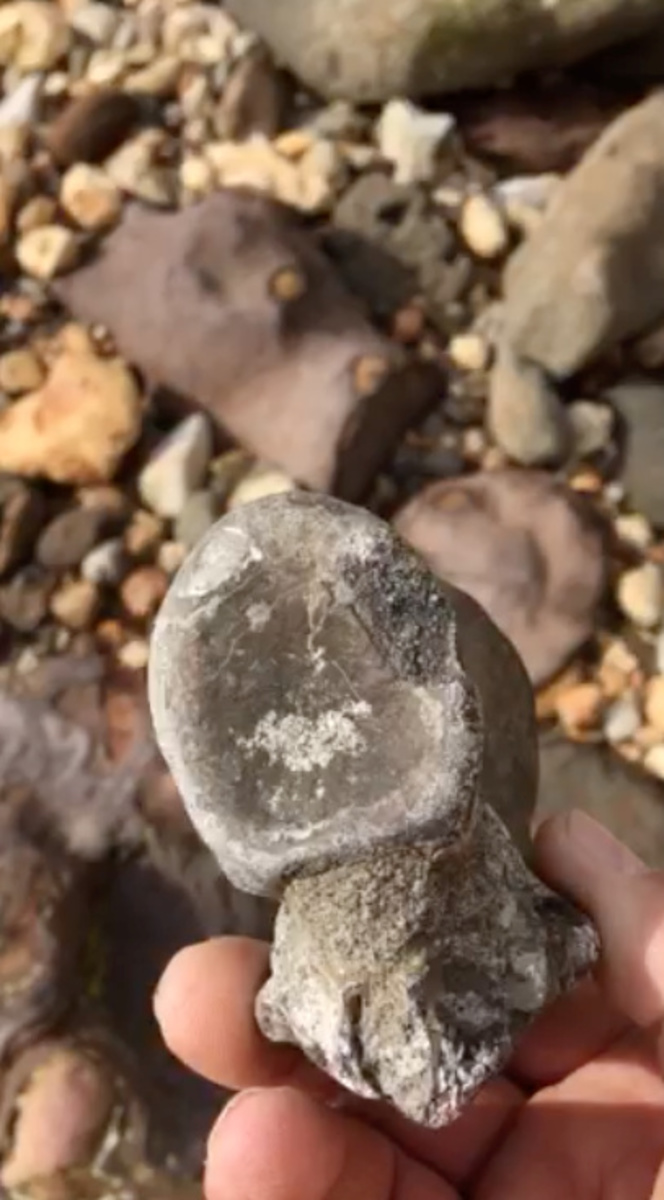
Four bones found on a beach on the Isle of Wight, off England's south coast, belong to a new species of theropod dinosaur, the group that includes Tyrannosaurus rex, researchers at the University of Southampton said on Wednesday.
The new dinosaur, which has been named Vectaerovenator inopinatus, lived in the Cretaceous period 115 million years ago and was estimated to have been up to four metres long, the palaeontologists said.
The name refers to the large air spaces found in the bones, which were discovered on the foreshore at Shanklin, a seaside resort on the island, last year.
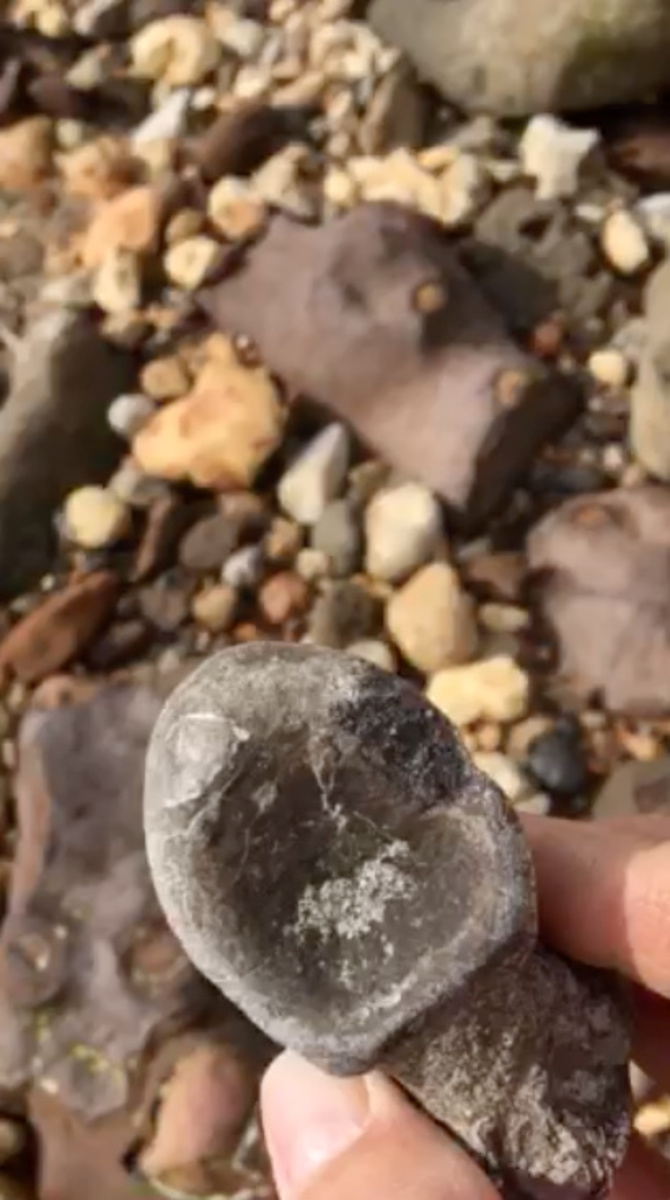
The air sacs, which are also seen in modern birds, were extensions of the lung, the researchers said, and it is likely they helped fuel an efficient breathing system while also making the skeleton lighter.
One of the finders, Robin Ward, a regular fossil hunter from Stratford-upon-Avon in central England, said: "The joy of finding the bones we discovered was absolutely fantastic."
"I thought they were special and so took them along when we visited Dinosaur Isle Museum," he said. "They immediately knew these were something rare and asked if we could donate them to the museum to be fully researched."
James Lockyer, from Spalding, Lincolnshire, in east England, was also visiting the island when he found another of the bones.
"I was searching a spot at Shanklin and had been told and read that I wouldn't find much there," he said. "However, I always make sure I search the areas others do not, and on this occasion it paid off."
Chris Barker, a doctoral student who led the study, said: "We were struck by just how hollow the animal was – it's riddled with air spaces. Parts of its skeleton must have been rather delicate."
It is likely that the Vectaerovenator lived in an area just north of where its remains were found, with the carcass having washed out into the shallow sea nearby, the researchers said.
(Reporting by Paul Sandle; Editing by Angus MacSwan)