Your leader on the effectiveness of foreign aid (1 November) made my blood boil. First, the patronising tone. British aid, it says, should be used to impose sanctions on corruption in poor countries and make them think it’s a bad thing. As if they didn’t know it, and as if the British were so pure. Second, does the Guardian not realise that aid is available only to countries whose governments cut public spending, make the poor pay for education and health, privatise public institutions and enterprises, and welcome foreign private investment and the appropriation by foreigners of their wealth, resources and land? Do you not realise that this benefits only the elite in these countries, and probably corrupts them, and harms the poor? And that if their populations elect governments that introduce socialist policies, or even redistribute wealth and protect the interests of the poor, aid will certainly be cut and probably be stopped? My first proper book (published by Penguin in 1971) was called “Aid as Imperialism”.
Teresa Hayter
Oxford
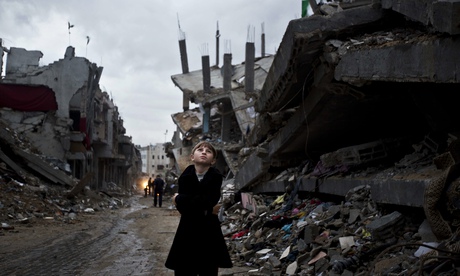
• Nobody can condone ill-spent public funds and I support those seeking to use the Independent Commission for Aid Impact’s findings to challenge the Department for International Development into becoming a beacon for anti-corruption internationally (Report, 31 October). However, with Ukip having pledged to cut foreign aid by 85%, those who know the real value of DfID’s work must continue to speak out. I have seen this recently in its support for British surgical missions to Gaza after the July conflict. By helping to mend the broken bones of some of the most severely injured Palestinians, DfID is not only changing the lives of hundreds of people in Gaza but building bridges of solidarity in a region where Britain’s reputation is not what it could be. We must not let such stories of aid-effectiveness be lost to short-term political positioning.
Dr Phyllis Starkey
Oxford




.png?w=600)