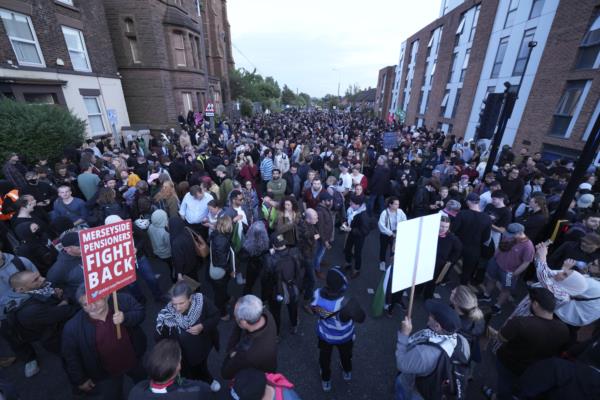
British anti-racism campaigners took to the streets in towns and cities across the UK, demonstrating their support for refugees and immigrants. The protests were in response to a threatened wave of far-right demonstrations, which were largely subdued by a significant police presence.
Protesters carried signs with messages like 'Refugees Welcome' and chanted slogans asserting their ownership of the streets. Their primary aim was to protect asylum service centers and immigration attorney offices that were identified as potential targets for far-right attacks.
The government declared a national critical incident, mobilizing 6,000 specially trained police officers to maintain order and respond to any potential unrest. Fortunately, the protests and counterprotests remained largely peaceful, with only a few arrests reported.

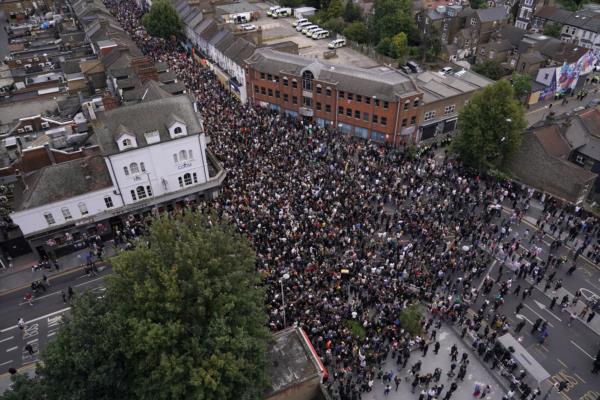
Commissioner Mark Rowley of the London Metropolitan Police Service commended the police force and communities for their unity in preventing extreme right-wing disorder. The situation was effectively managed, and fears of violence were alleviated.
Despite the relative calm, authorities remain vigilant following a recent incident in Southport where misinformation about a knife attack led to widespread violence. Over 400 individuals have been arrested nationwide for participating in anti-immigrant activities, including clashes with police and attacks on mosques and asylum-seeker accommodations.
Far-right activists had circulated a list of potential targets, including immigration lawyer offices, but the anticipated unrest did not materialize. The government has vowed to prosecute those responsible for disorder, including individuals who incite violence online.
Several individuals have already been convicted and handed harsh sentences as a deterrent to others considering similar actions. Measures such as banning rioters from attending soccer matches are also being considered as additional sanctions to curb future disturbances.
Home Office minister Diana Johnson emphasized the need for consequences for those involved in criminal acts, highlighting the ongoing debate around preventing hooliganism and criminal behavior in local communities and sports events.