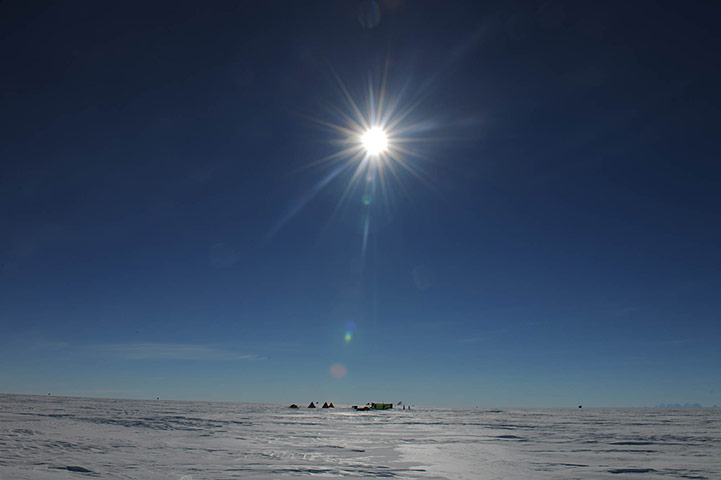
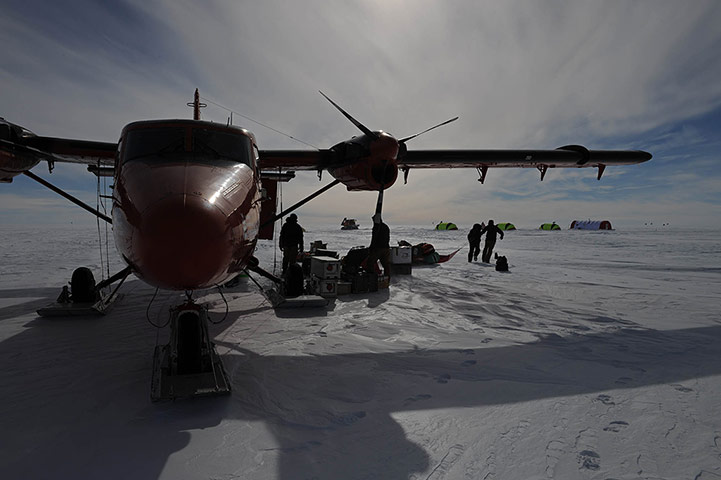
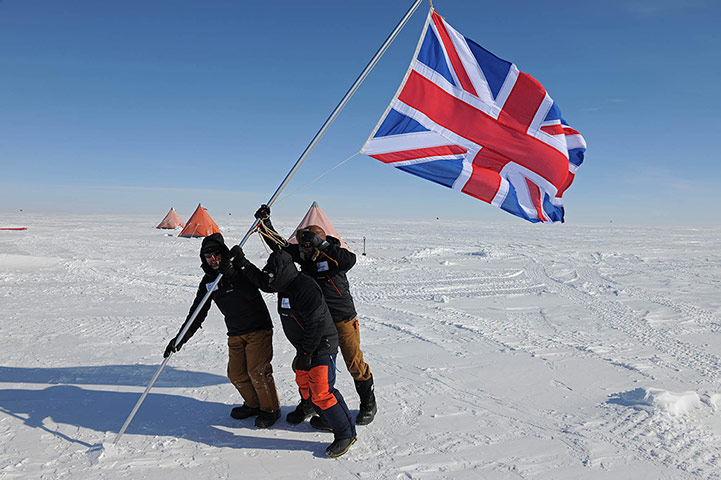
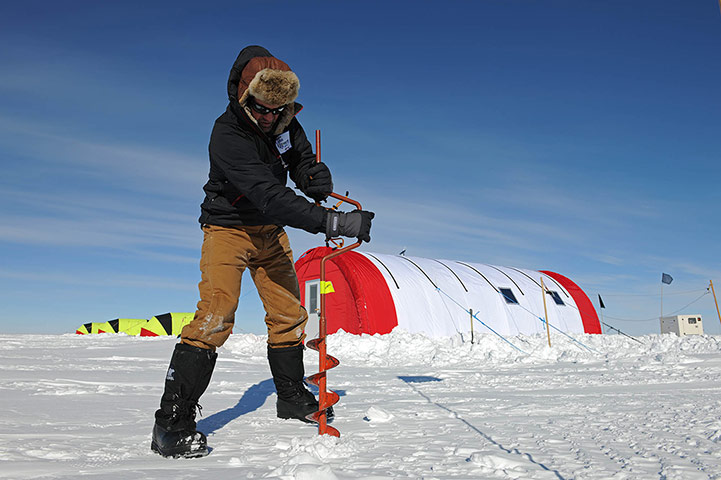
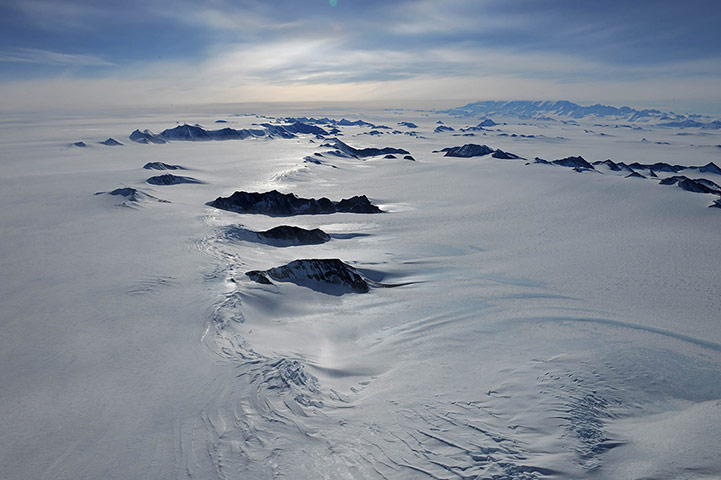
The shines night and day in the Antarctic during December, but the temperatures are far below freezingPhotograph: British Antarctic SurveyA plane with special skis delivers supplies to the camp above the subglacial lakePhotograph: British Antarctic SurveyScientists raise the union flag above EllsworthPhotograph: British Antarctic Survey
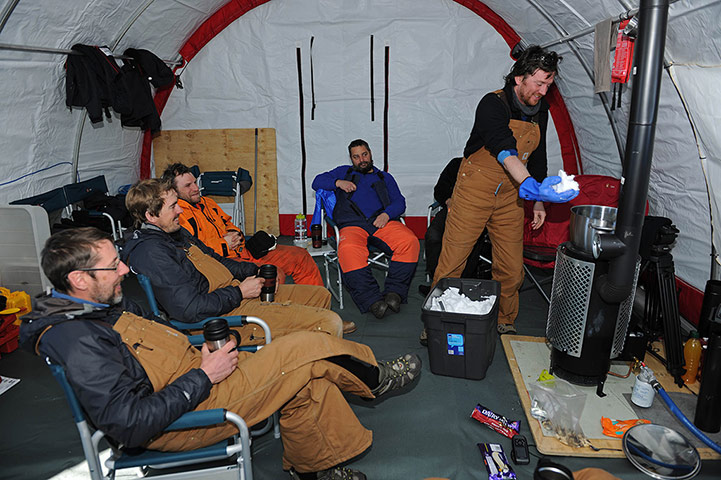
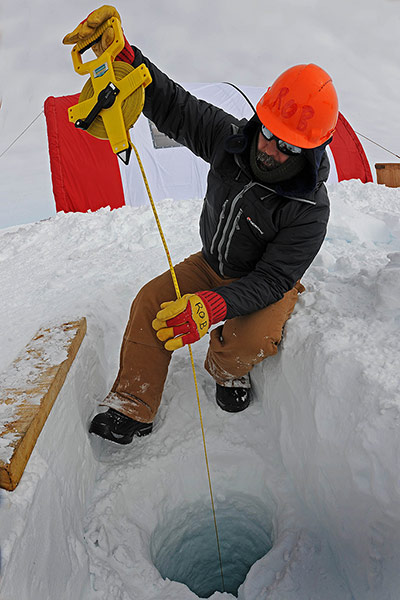
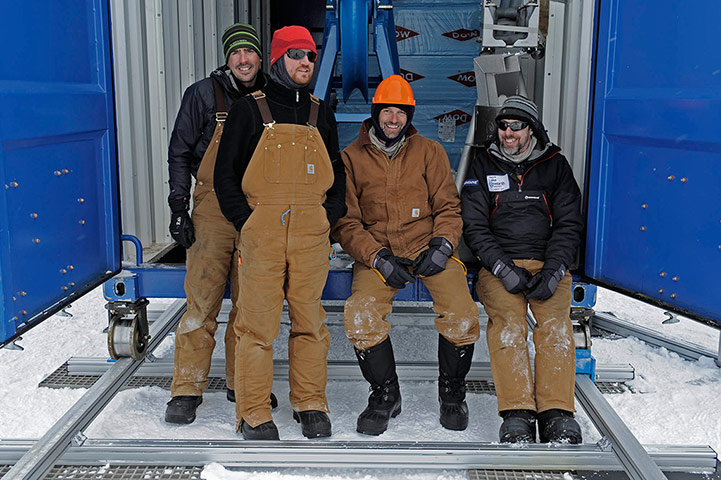
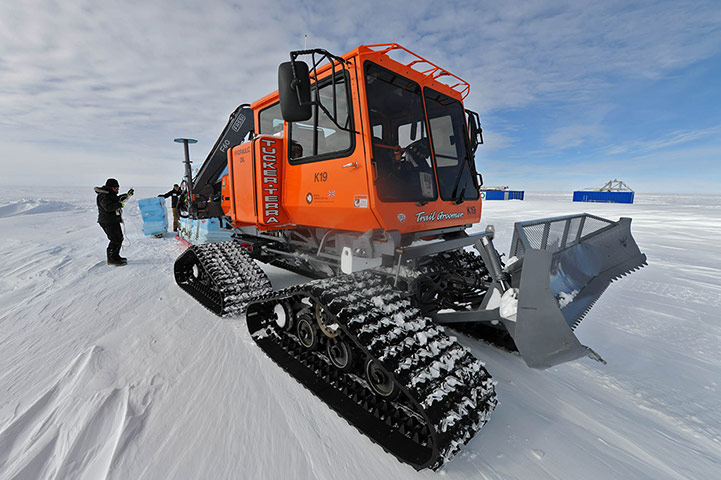
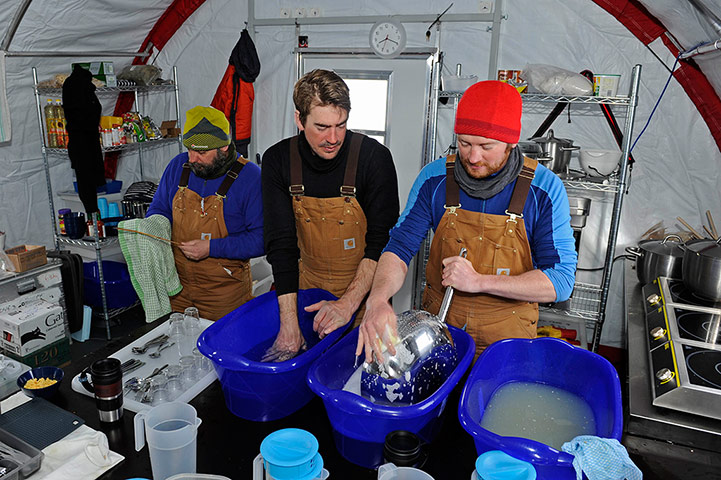
The team melt snow to make tea in a tent that houses the kitchen, dining area and office facilities, around which there are a handful of smaller tents for sleepingPhotograph: British Antarctic SurveyThe UK team will spend this week preparing for a three-day drilling operation, which is due to start on 12 December. They will use a sterile hot water drill to bore down to the subglacial lake to retrieve samples of water and sedimentsPhotograph: British Antarctic SurveySome of the samples they recover may have been isolated from the rest of the world for a million yearsPhotograph: British Antarctic SurveyBreak time for the deep field team, which consists of Andy Webb, Riet van de Velde, Chris Hill and Andy Tait. They will spend six weeks on the icePhotograph: British Antarctic SurveyA snowcat vehicle will help the team traverse the ice in the harsh Antarctic conditionsPhotograph: British Antarctic SurveyThe crew wash up at base campPhotograph: British Antarctic SurveyScientists want to know first whether life can endure such harsh environments, and if it can, howPhotograph: British Antarctic SurveyLake Ellsworth is one of more than 360 subglacial lakes in Antarctica that formed when gentle heat from the planet's interior melted the base of an overlying glacierPhotograph: British Antarctic Survey
Sign up to read this article
Read news from 100’s of titles, curated specifically for you.