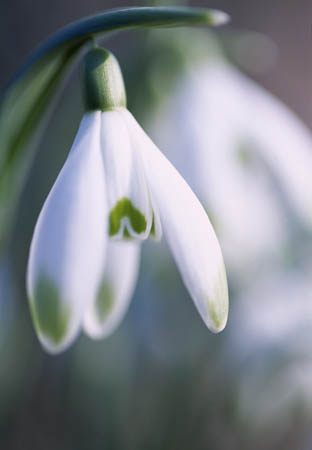
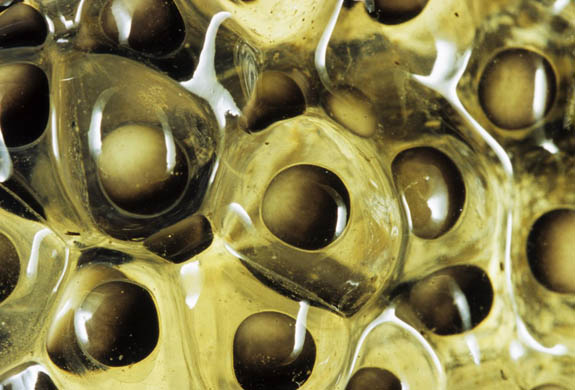
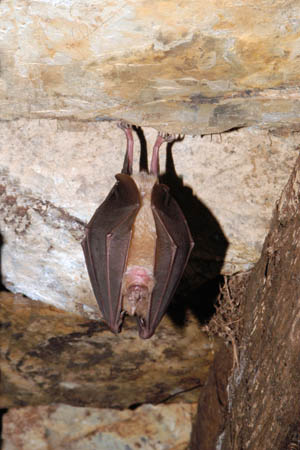
January Snowdrops and hazel catkins came and went very quickly in National Trust gardens and parks. A male goldeneye duck was seen displaying at the Bann estuary in Northern Ireland, months earlier than usualPhotograph: Stephen Robson/NTPLFebruary A bumper month for insects with ladybirds, bumblebees and peacock butterflies all seen earlier than most years. Another advanced starter was frogs with spawn gracing many ponds in this traditionally chilly month Photograph: Oxford Scientific/Photolibrary/GettyMarch A greater horseshoe bat. Late March saw the first bats of the year on the wing - much earlier than usualPhotograph: JJ Kaczanow/BCT
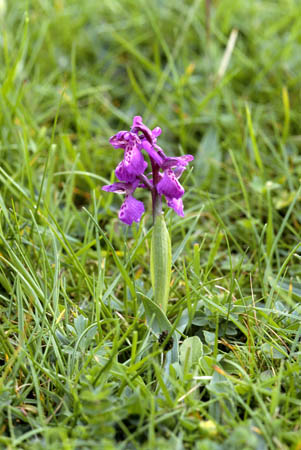
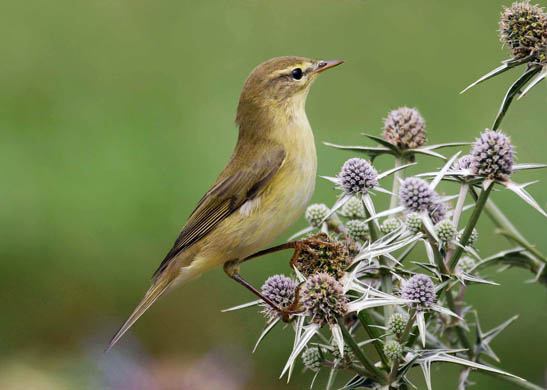
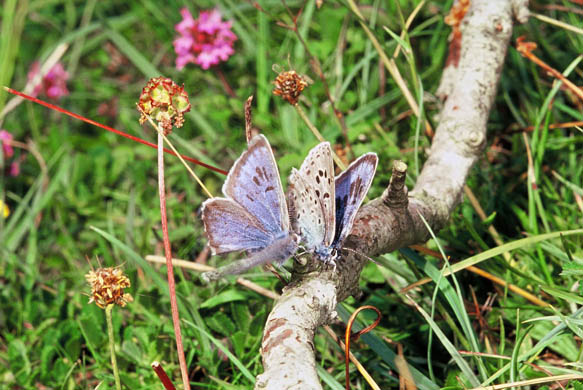
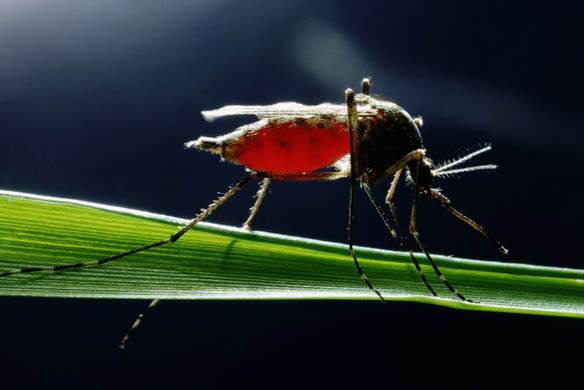
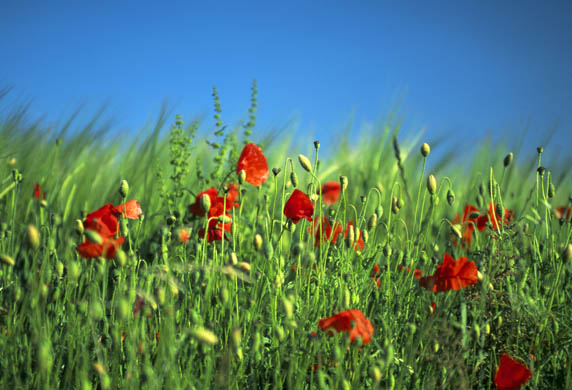
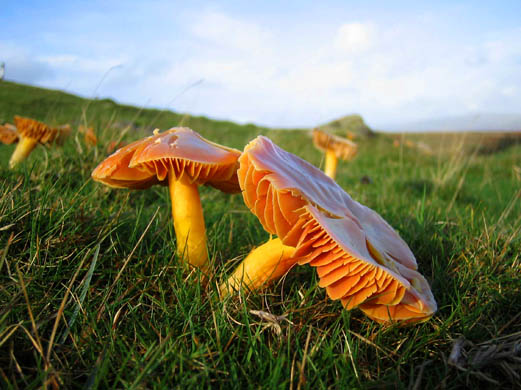
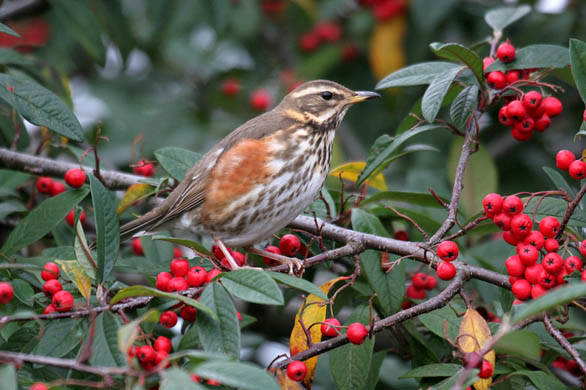
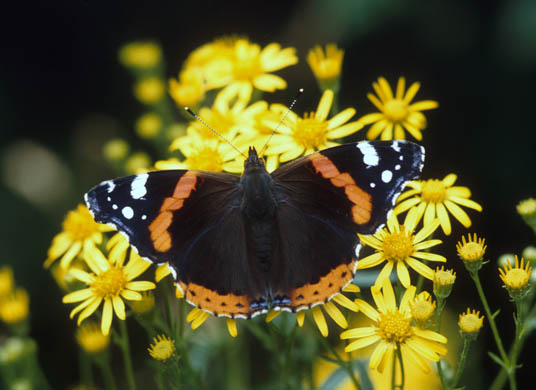
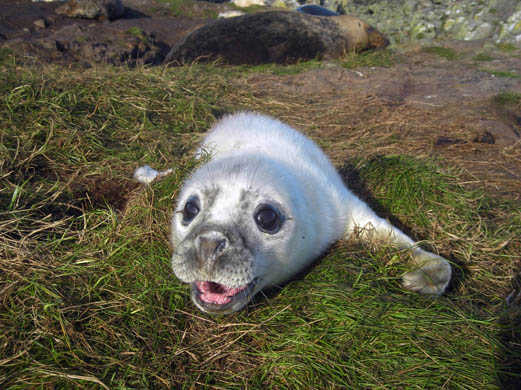
April The greatest April on record. Most surprisingly were these green-winged orchids blooming two months ahead of schedule. Then the cinnabar moth was one month early. Adonis blue and marsh fritillary butterflies were also on the wing, radically earlyPhotograph: Andrew Butler/NTPLMay The poor weather had a knock-on-effect for some of our favourite birds with blue tits, great tits, reed warbler, whitethroat and willow warbler (pictured) all experiencing lower than normal numbersPhotograph: Jill Pakenham/BTOJune It was the best year for the large blue butterfly at the National Trust’s Collard Hill in Somerset since its re-introduction in 2000 with record numbers on the wing. Then the rains descendedPhotograph: National TrustJuly July 2007 will be known as a veritable deluge. So wet, that mice invaded our houses in a big way – something they usually do only in winter. So cold, there was a dearth of biting flies such as clegs and mosquitoes (pictured). Generally, the summer was a nightmare for winged insects - which in turn led to a bad year for batsPhotograph: Dr Sauer/GettyAugust It was a great flowering year, with fields and especially downs unusually verdant and flowery due to the wet summer, which also meant that butterflies, bees and hoverflies were all very scarce in gardensPhotograph: David Noton/NTPLSeptember Traditionally a bountiful month for fungi, full of fruiting bodies, but the lack of rain meant that few showed this year across National Trust properties. A late brood of the clouded yellow butterfly were also seenPhotograph: Richard AllenOctober Fieldfares and redwing (pictured) arrived early to the south of England and in unusually high numbers - probably as a result of cold weather further north. Basking sharks were spotted for the first time in the waters surrounding the Farne Islands – unusual because plankton is not normally found in the North Sea at this time of yearPhotograph: Jim AsherNovember The mild weather continued to confuse wildlife with red admiral butterflies, dragonflies and wasps still being on the wing. A record number of little auks for the UK are seen off the Farne Islands with 29,000 spotted in one day alonePhotograph: Jim AsherDecember Perhaps not such an unusual year for one of the stars of Autumnwatch - the grey seal pups whose plight was highlighted during the 2007 broadcast actually had an average year. The mortality rate was 51%, compared to a 50% averagePhotograph: National Trust
Sign up to read this article
Read news from 100’s of titles, curated specifically for you.