LONDON (Reuters) - Cut-price copies of an expensive Roche biotech drug for blood cancer have taken 80 percent of the British market since launching last year, saving the healthcare system 80 million pounds ($113 million) a year, experts said on Wednesday.
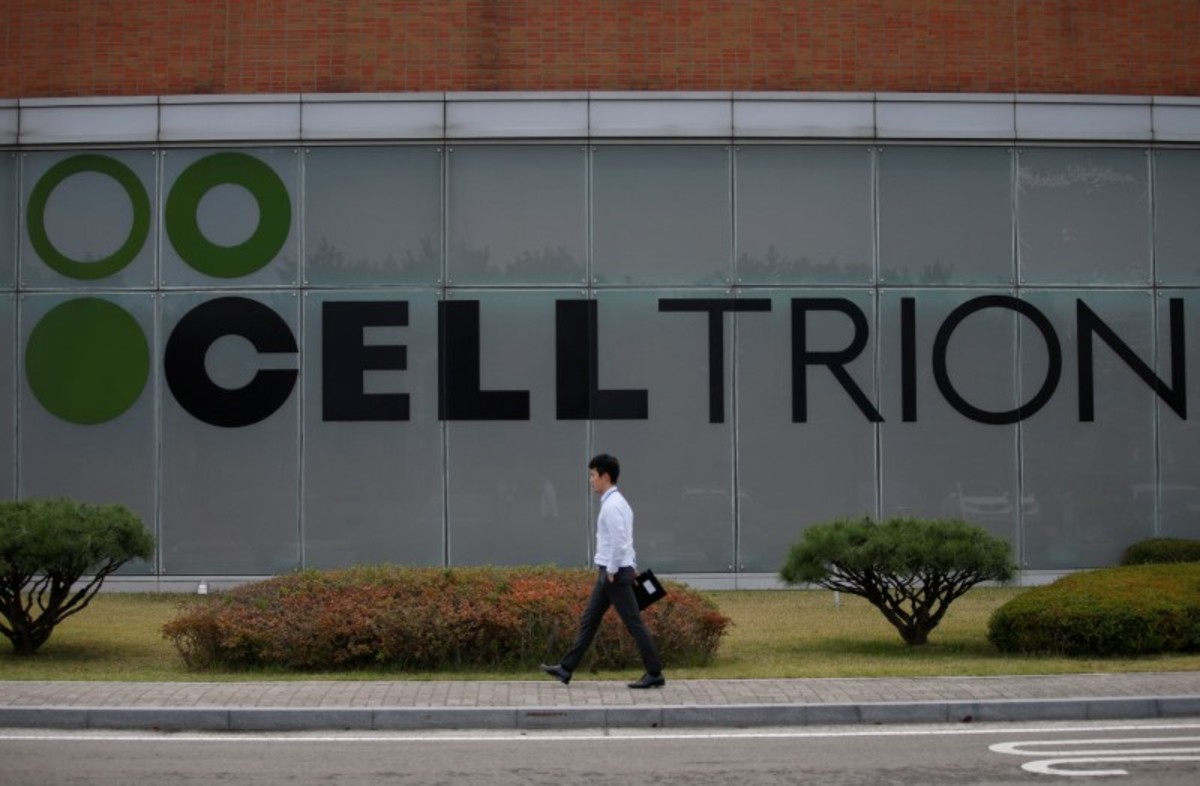
The rapid adoption of two so-called biosimilar forms of rituximab from Celltrion and Novartis has been accompanied by discounts of 50-60 percent as the National Health Service (NHS) has used tenders to bring down costs.
The situation contrasts sharply with the United States, where regulators have lagged Europe in approving biosimilars while a complex system of rebates offered to insurers by original-brand drugmakers has created barriers to use.
The U.S. logjam prompted Food and Drug Administration (FDA) Commissioner Scott Gottlieb to complain of "rebating mischief" and a "rigged payment scheme" in a speech https://www.fda.gov/NewsEvents/Speeches/ucm599833.htm on March 7.
Biological drugs such as Rituxan, a $7 billion-a-year seller, are complex molecules made inside living cells.
Copies of some biotech medicines have been on sale in Europe for more than a decade, but it is only now that patents are starting to expire on big-selling antibody treatments for cancer and other serious diseases, with the pace expected to accelerate.
Only this month Merck launched Europe's first biosimilar copy of Roche's breast cancer antibody drug Herceptin in Britain under a deal with Samsung Bioepis. More Herceptin copies are set to follow this year.
A biosimilar version of AbbVie's rheumatoid arthritis drug Humira -- the world's biggest-selling medicine -- is also expected later this year, with biosimilar Avastin, another Roche cancer drug, expected in 2019.
Britain's NHS has estimated that biosimilars could save it up to 300 million pounds a year. Jatinder Harchowal, chief pharmacist at the Royal Marsden hospital and one of the coordinators of the UK's push for biosimilar use, believes the scale of discounts achieved so far mean the savings could be even higher.
"These are large figures. Without compromising clinical effectiveness, this is a big saving that can be reinvested back into the NHS," he told a news briefing.
The uptake of biosimilar rituximab has been significantly faster than with the first antibody biosimilar, a copy of Johnson & Johnson and Merck's Remicade for arthritis, which Harchowal attributed to tendering and growing doctor confidence.
PFIZER AND J&J LAWSUIT
In the United States the key battleground is still over copycat Remicade, which has sparked a high-profile legal fight between J&J and Pfizer.
Pfizer, a major biosimilars player and supplier of innovative drugs, has sued J&J over its Remicade contracts with health insurers, arguing that they are anti-competitive and block sales of Pfizer's new biosimilar.
Pfizer contends that J&J is offering discounts on Remicade in exchange for essentially excluding Pfizer's drug from insurance coverage, keeping it out of the hands of doctors and patients. J&J says Pfizer's suit is without merit.
Jenny Alltoft, Pfizer's global head of biosimilars, told Reuters that a tilted playing-field against biosimilars was a threat not only to Pfizer but also to the wider U.S. healthcare system, which is struggling with spiraling costs.
"Pfizer wanted to shine a light on this with the lawsuit so that it doesn't become common practice, because if it does, then the U.S. will never get the benefit that biosimilars could offer in terms of patient access and healthcare savings," she said during a visit to London.
The tussles in the biosimilars market are a growing focus for investors, with soaring valuations for some pioneers in the field, such as South Korea's Celltrion, and worries about the long-term sales threat to makers of original drugs, such as Roche and AbbVie.
Consensus forecasts from analysts suggest that combined sales of Roche's Rituxan, Herceptin and Avastin will halve over the next five years, leaving a gap the Swiss group must fill with new drugs for cancer, multiple sclerosis and haemophilia.
($1 = 0.7109 pounds)
(Reporting by Ben Hirschler; Editing by David Goodman)