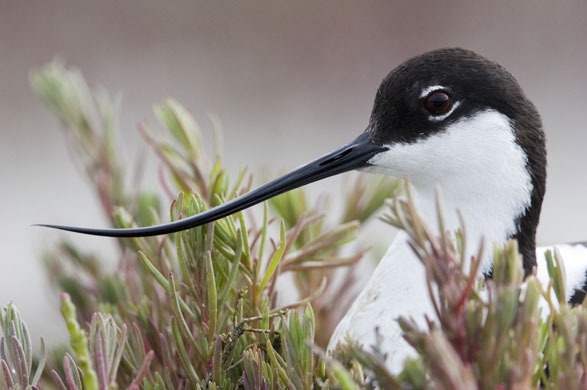
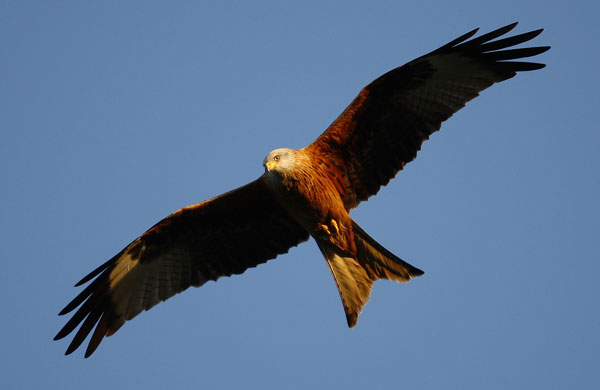
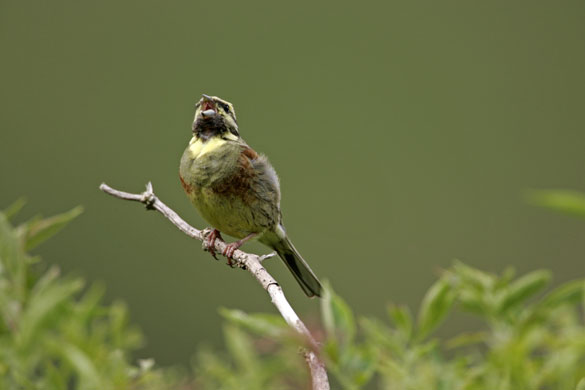
The avocet (Recurvirostra avosetta) is the emblem of the RSPB. The bird had been extinct in Britain for a long time because of habitat loss and persecution by egg collectors, but it made a return in the 1940s and has since seen a huge increase in numbersPhotograph: Erwan Glemarec/Rex FeaturesThe revival of Britain's red kite population – from the very brink of extinction – has been so spectacular that the bird of prey is now being exported to boost struggling populations in other parts of Europe. The rise in numbers has made their eggs so common that illegal egg collectors no longer seek them outPhotograph: Eddie Keogh/ReutersCirl Bunting (Emberiza cirlus). A rescue plan was launched in 1989 when the number of breeding pairs dropped to 118, and the entire population was confined to south Devon. Farmers were encouraged to revert to traditional hay crops rather than sileage to give grasshoppers – the birds' main source of food – a greater chance of survivalPhotograph: Andy Hay/RSPB
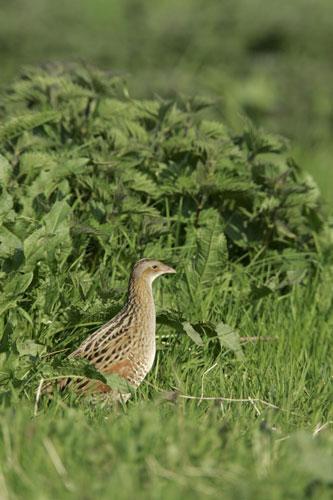
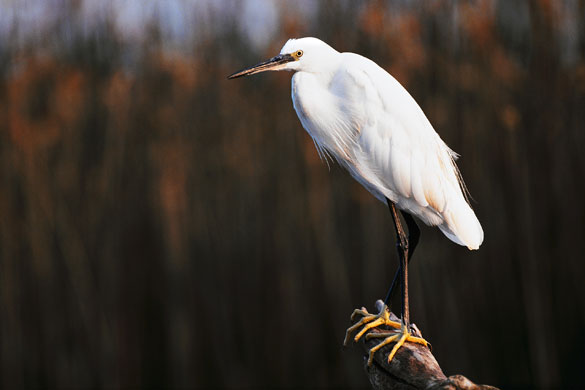
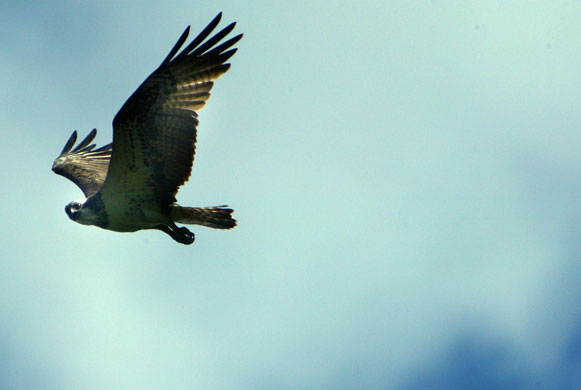
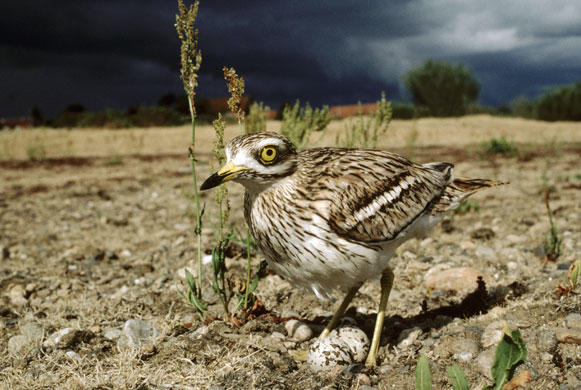
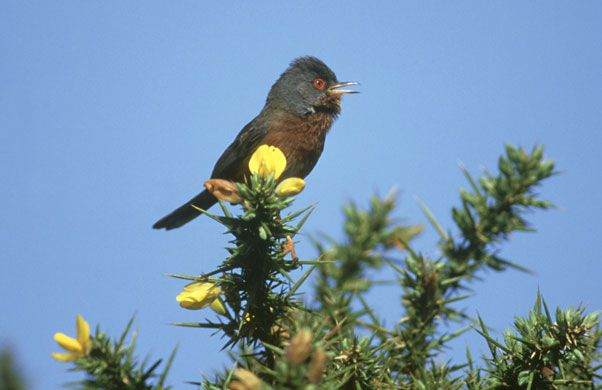
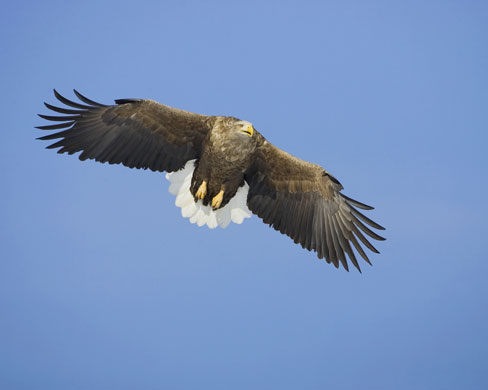
Ecologists predicted the corncrake could have become extinct in the UK by the early 21st century because of intensive farming methods. Numbers tripled over the last 15 years to 1,236 in 2007 after ministers introduced grants to reward farmers and crofters who delayed cutting hay until after the breeding seasonPhotograph: Andy Hay/RSPBFour decades ago, little egrets (Egretta garzetta) were rare visitors from the continent. The bird bred for the first time in the UK in 1996. Today, little egrets are a familiar sight on freshwater marshes and estuaries throughout southern BritainPhotograph: CorbisOspreys (Pandion haliaetus) were once found widely across the UK, but persecution resulted in the species becoming extinct in England as a breeding bird in 1840 and in Scotland in 1916. Some birds re-colonised Scotland in the 1950s and today there are about 200 pairsPhotograph: Christopher Furlong/Getty ImagesThe climate in parts of the UK is expected to become more suitable for the stone curlew (Burhinus oedicnemus) and its range is expected to expand, provided that appropriate habitat is available in those areas that become climatically suitablePhotograph: Duncan Usher/GettyDartford warbler (sylvia undata) Climate change may also be of benefit to this species of warbler, as parts of the UK are expected to become more suitable habitats and warmer temperatures will increase their rangePhotograph: David Tipling/GettyWhite-tailed eagle (Haliaeetus albicilla). In 1700 there were 200 pairs but by 1916 this huge bird, sometimes called the sea eagle, became extinct after persecution in the UK. It was reintroduced to Scotland from Scandinavia in 1975 and there are now 42 breeding territories there. A feasibility study is being carried out on proposals to reintroduce it to East AngliaPhotograph: John Cornell/Getty
Sign up to read this article
Read news from 100’s of titles, curated specifically for you.