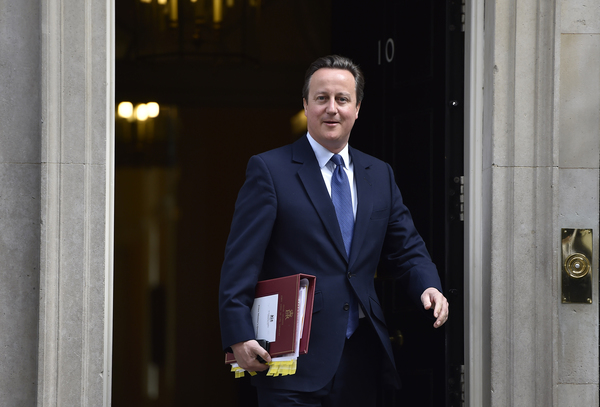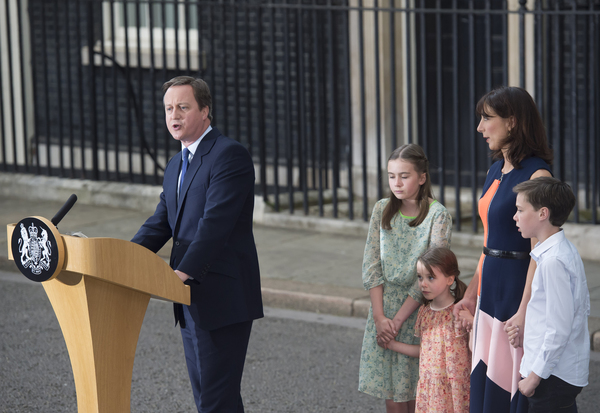
David Cameron ceremonially tendered his resignation as Britain's prime minister to Queen Elizabeth II on Wednesday, less than three weeks after the electorate defied his wishes and voted to abandon the European Union, sending the country into uncharted political and economic territory.
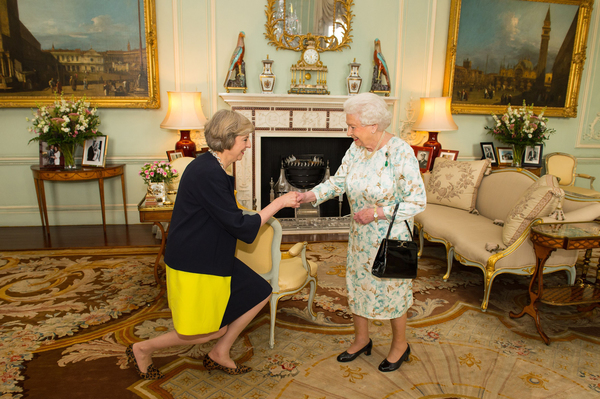
Successor Theresa May was then officially invited by the monarch to form a government, becoming Britain's second female prime minister _ thus handed the onerous task of negotiating a complex new relationship with the Continent in the wake of June's "Brexit" referendum.
With the pomp-filled choreography that characterizes solemn and joyous British formal events, aerial cameras followed Cameron's journey by motorcade to the flag-topped bulk of Buckingham Palace.
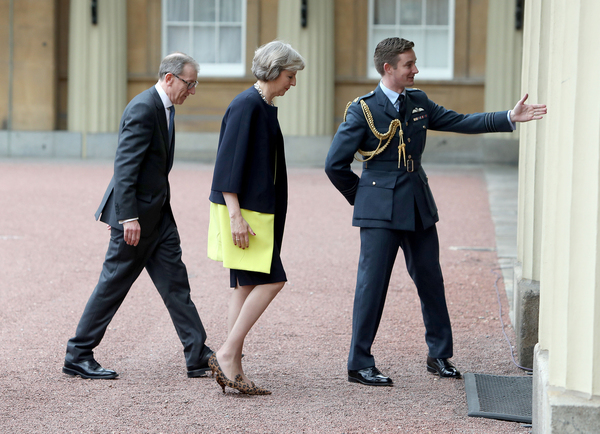
Immediately following his private audience with the queen, May was summoned, and the palace swiftly released an image of her dropping a curtsy to a smiling Elizabeth. The deal was sealed.
Even with earthquake-like upheaval the new norm in British politics, the week's events unfolded with unaccustomed speed. May was named head of the governing Conservative Party on Monday after a welter of rivals fell away, setting the stage for her to assume the prime minister's post.
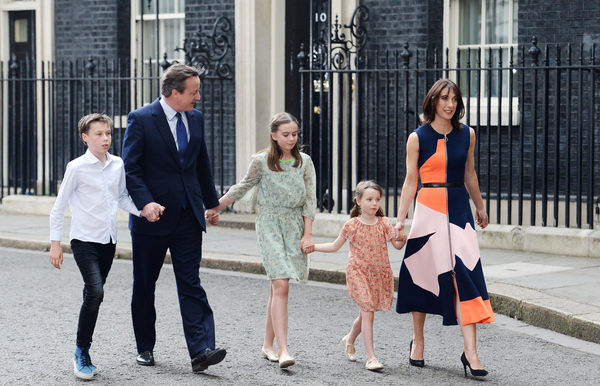
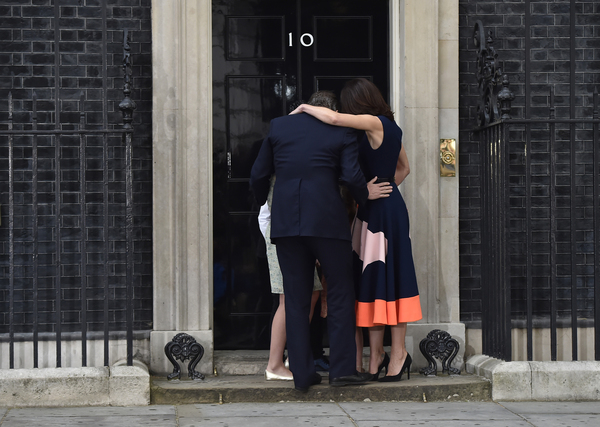
Cameron then declared his readiness to depart 10 Downing Street, the prime minister's residence, in a scant 48 hours. Thus unburdened, he appeared almost jovial, caught on microphones humming a jaunty tune.
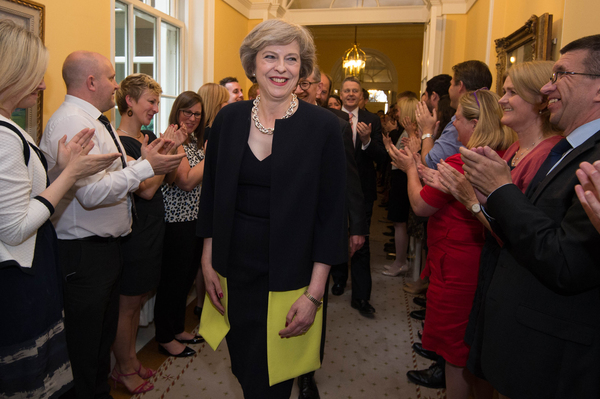
The leadership contest had been expected to last through the summer, but the accelerated timetable, and the swift closing of party ranks behind May, was spurred in part by a craving for stability that could stem the already painful economic fallout of the prospective divorce from Europe.
May, 59, is an experienced Cabinet minister, but largely untested in the realms of foreign relations and finance � which will be the overriding concerns as Britain prepares to split from the 28-nation European Union. That process will not begin until the new leader invokes what is known as Article 50 of the Treaty of Lisbon, the triggering mechanism.
In a final parliamentary appearance earlier Wednesday _ a regular weekly session known as the Prime Minister's Questions, which often takes on the character of a blood sport _ Cameron received a warm sendoff, displaying a determinedly lighthearted tone.
"As I once said, 'I was the future once,'" said the 49-year-old Cameron, who was deemed a political wunderkind when he took office six years ago but whose legacy is now largely defined by what many see as a single disastrous blunder, the Brexit referendum, which Cameron had tried and failed to defeat.
"I will miss the roar of the crowd. I will miss the barbs of the opposition," Cameron said.
Lawmakers rose from their upholstered green benches to give a cheer-filled standing ovation to the departing leader, who will remain a Conservative member of Parliament.
Cameron joked that his appointment calendar on Wednesday afternoon was remarkably light _ other than his palace visit.
May's first order of business was assembling her new Cabinet, to include a "Brexit" minister tasked with overseeing the EU split. The new leader, who had lent Cameron her formal support in the referendum campaign but is viewed as sympathetic to the Euroskeptic camp, had already said the lineup of ministers would include figures from both sides of the EU question.