Poverty in Britain continues to reach record highs with around 14.2 million people (21 per cent) still living in deprivation, a stark new report has warned.
These figures will grow higher by the end of parliament if the government does not act, the Joseph Rowntree Foundation’s (JRF) UK Poverty 2026 report warns, as politicians and campaigners call on Labour to find solutions.
While the anti-poverty charity welcomed the government’s move to lift the two-child benefit limit from April, which will lift 400,000 children out of poverty immediately, it finds that 4.2 million children will still be growing up in poverty by 2029 without further action.
Children’s commissioner Dame Rachel de Souza described the policy change as a “vital first step” but told The Independent: “If we are serious about ending child poverty – not just reducing it – then we must continue to be ambitious for children’s lives.”
The wide-ranging JRF report finds that the depth of poverty in the UK has reached the highest on record, with 6.8 million people now living in very deep poverty. This means that their incomes are reaching two-thirds of the poverty line at most.
Labour MP Rachael Maskell called for a “radical plan” to end poverty, calling on the government to introduce affordable rent caps, a progressive tax system, and to “end its focus on taking more away from disabled people”.
The report also finds that:
- The average person in poverty now lives 29 per cent below the poverty line, compared with 23 per cent in the mid-1990s.
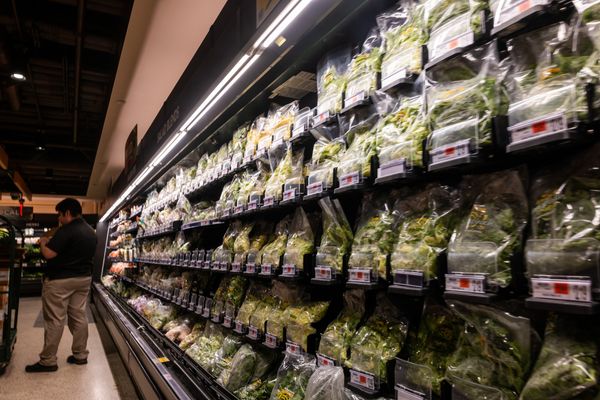
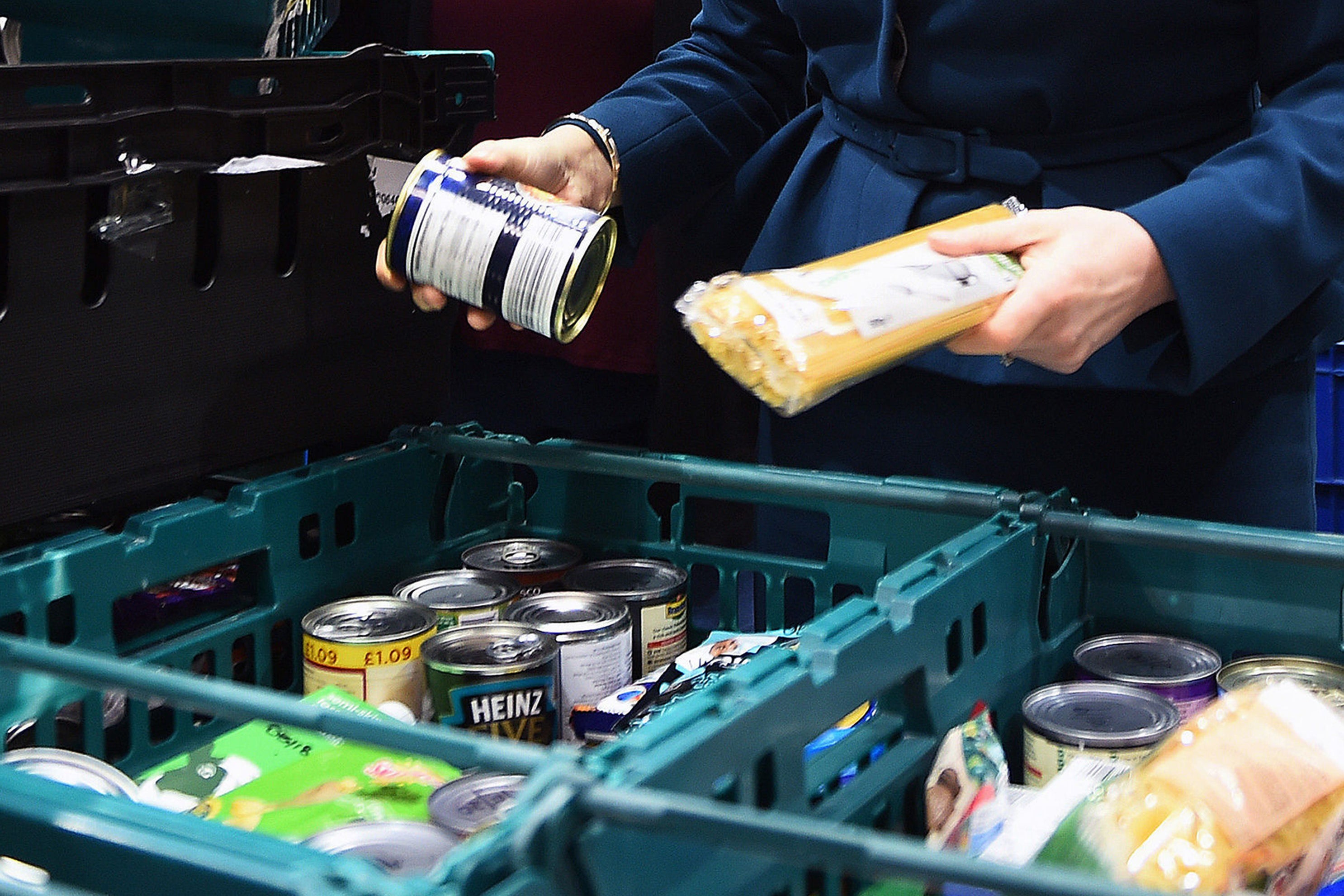
- 1.1 million more people in poverty cannot afford enough food than two years ago, bringing the total to 3.5 million, while 2.8 million more people overall are now food insecure, bringing the total to 7.5 million.
- Around two-thirds of working-age adults in poverty, 5.4 million people, live in households where someone is in work.
The findings reflect poverty levels in 2023/24, leading up to the general election. Researchers say that, while headline figures remain broadly steady over the year, the increase in child poverty and the depth of poverty are cause for concern.
There was “no progress” in reducing poverty under the last Conservative government, the report finds, noting that income growth has shrunk during every parliament since 2005 as consecutive administrations pursued economic growth following crises like the 2008 crash and Covid pandemic.
Researchers add that this trend “is set to continue in this current parliament”, writing: “It is deeply unjust to force families to wait for economic growth before they feel their situation improve.”
JRF chief analyst Peter Matejic said: “The longer we tolerate unacceptably high levels of poverty, the worse it is for our country. The corrosive impacts of poverty on families – the exhaustion of having to work multiple jobs, not knowing where the next meal is coming from – hamper both their participation in society and their scope to make a bigger economic contribution. Failure to address poverty can hold back economic growth itself.
“The government has promised to reduce child poverty this parliament, and this analysis is the starting line of that commitment. JRF analysis shows that, without further changes, relative poverty levels remain stuck at a high level after April 2026. There can be no national renewal if deep poverty remains close to record levels.”
The foundation has reiterated its call for the government to introduce an “essentials guarantee”, meaning that the basic rate for benefits is set at a level where claimants can at least afford life’s essentials, as well as improving protection for people who lose their jobs or cannot work.
Dame De Souza said: “Childhood is a short and precious time, but children today are more aware of ‘adult’ concerns seeing their parents’ worries and struggles from the hours they work, the homes they live in and the ability to put food on the table.
“Children from low-income families have told me about the sense of deep shame they feel that comes from not having what others have and many of us consider basic like a warm, safe home, suitable clothing, enough fresh food, and bed big enough to sleep at night.”
Ms Maskell said: “The shocking data represents millions of stories of people struggling with their energy, food and housing bills every day ... It is time for a radical plan to end this extreme destitution. I urge government to press further on households with children and the elderly as a first step, setting clear targets to protect the most vulnerable.”
Helen Barnard, director of policy and research at the Trussell Trust, said removing the two-child benefit cap was a “vital step”, adding: “But more needs to be done if we are to turn the tide on severe hardship, as food banks in the Trussell community provided nearly 3 million emergency parcels to people facing hunger last year.”
Chief executive of Child Poverty Action Group Alison Garnham said: “To maintain momentum in its commitment to children, the next step must be further and sustained investment in policies that support children and families. Every child deserves the best start in life and that can’t be achieved while millions of them are living in poverty.”
A government spokesperson said: “We understand that too many families are struggling, and we are taking decisive action to address poverty by boosting the national living wage by £900, cutting energy bills by £150 from April, and launching a £1bn crisis and resilience fund to help households stay afloat.
“As this report acknowledges, scrapping the two-child limit alongside our wider strategy will lift 550,000 children out of poverty by 2030 – the biggest reduction in a single parliament since records began.”
Police officer left with phobia of police stations sues Met for £1 million
Mapped: Where living standards are growing the fastest in the UK
Pensioners missing out on £1,300 payment they don’t know they’re entitled to
Young survivors are calling for help over online abuse – we should listen to them
Storm Chandra latest: ‘Danger to life’ flood warning and travel chaos hit UK
Schools shut and thousands without power as Storm Chandra hits island of Ireland