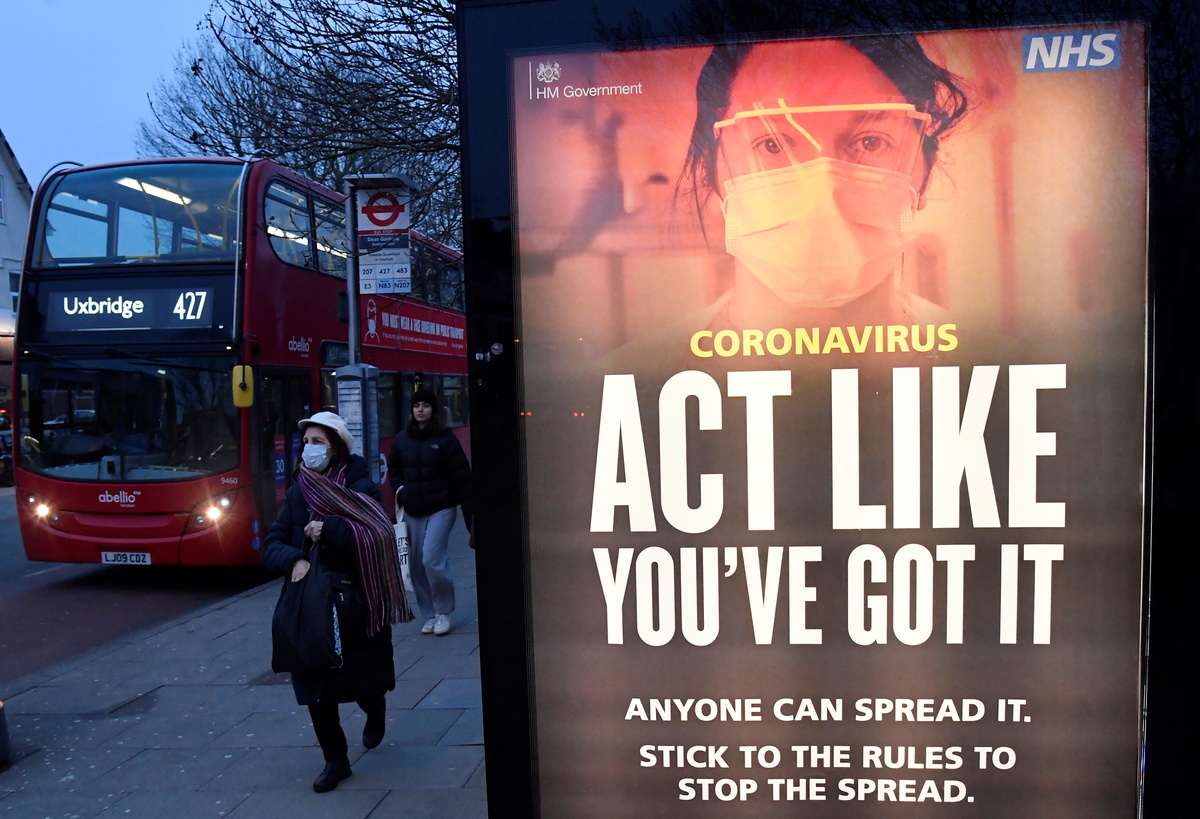
Eleven people in different regions of England have tested positive for the South African coronavirus variant without having any links to people who have travelled, prompting mass testing in the areas to contain the outbreak.
Britain, with the world's fifth-highest COVID-19 death toll, has moved to tighten its borders out of concern that new variants of the virus will undermine its vaccination drive.
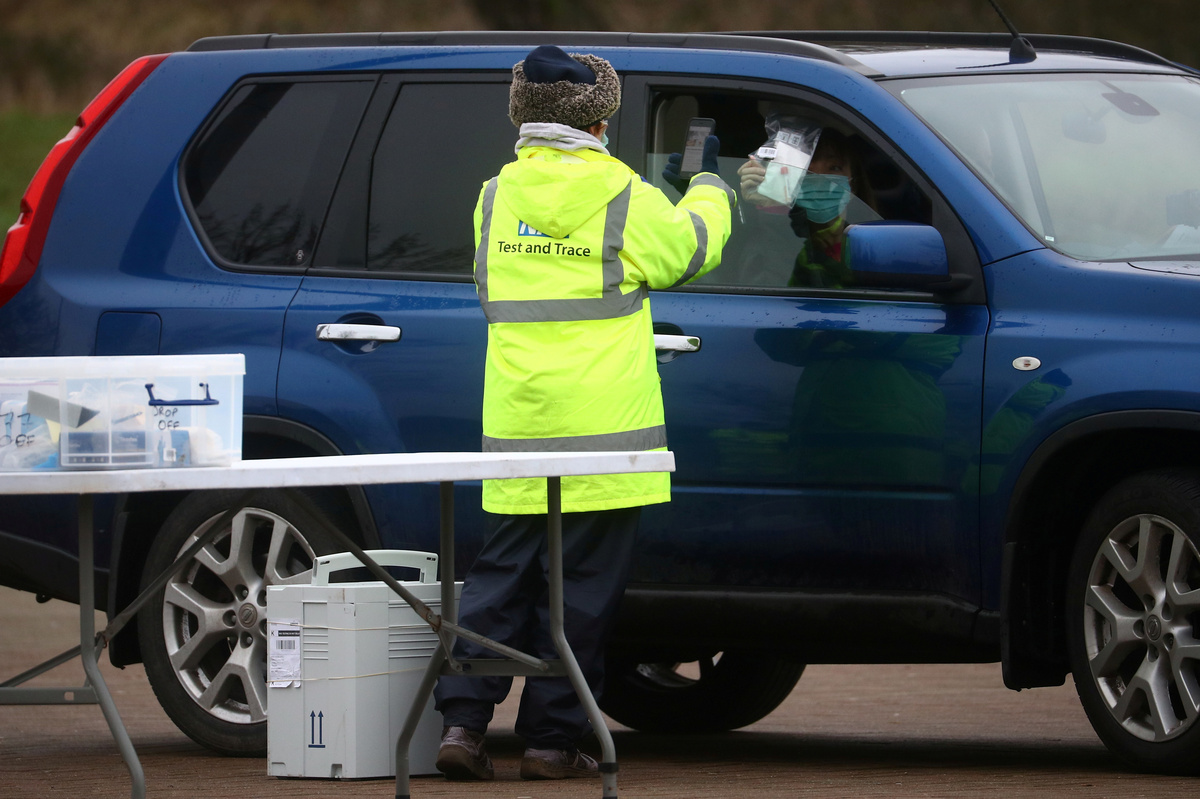
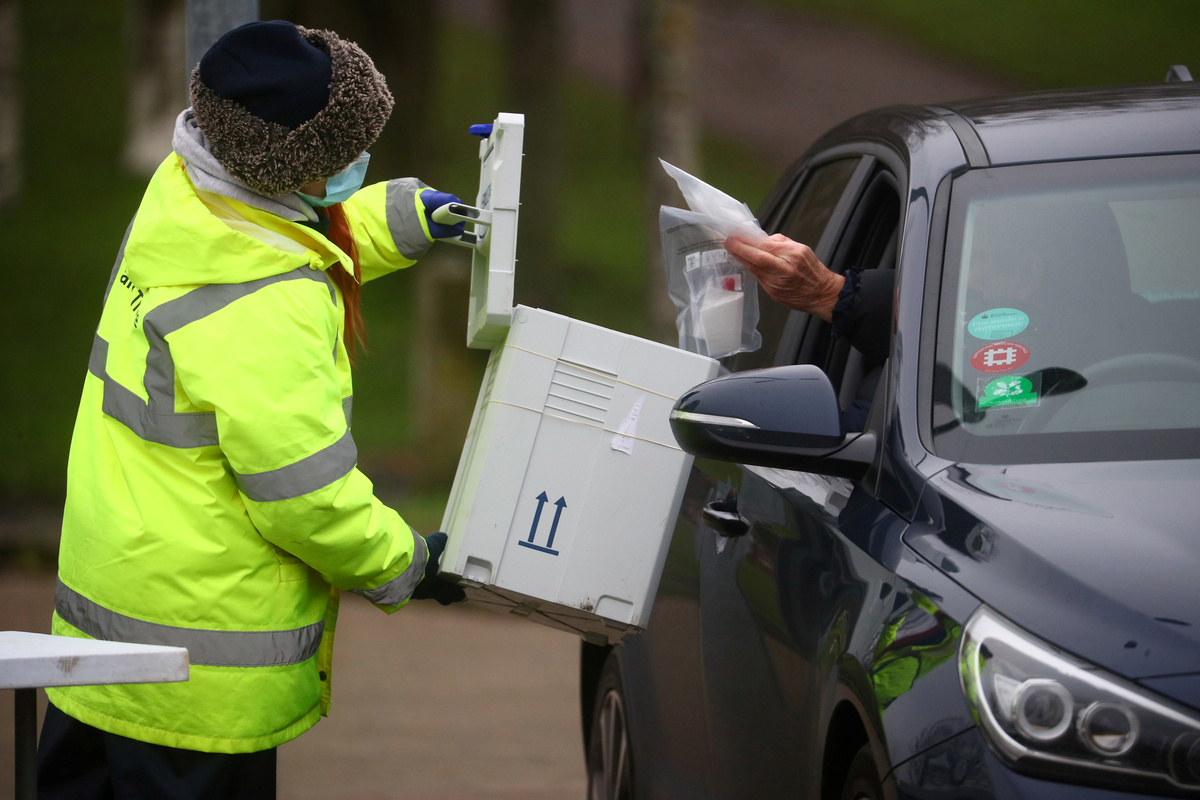
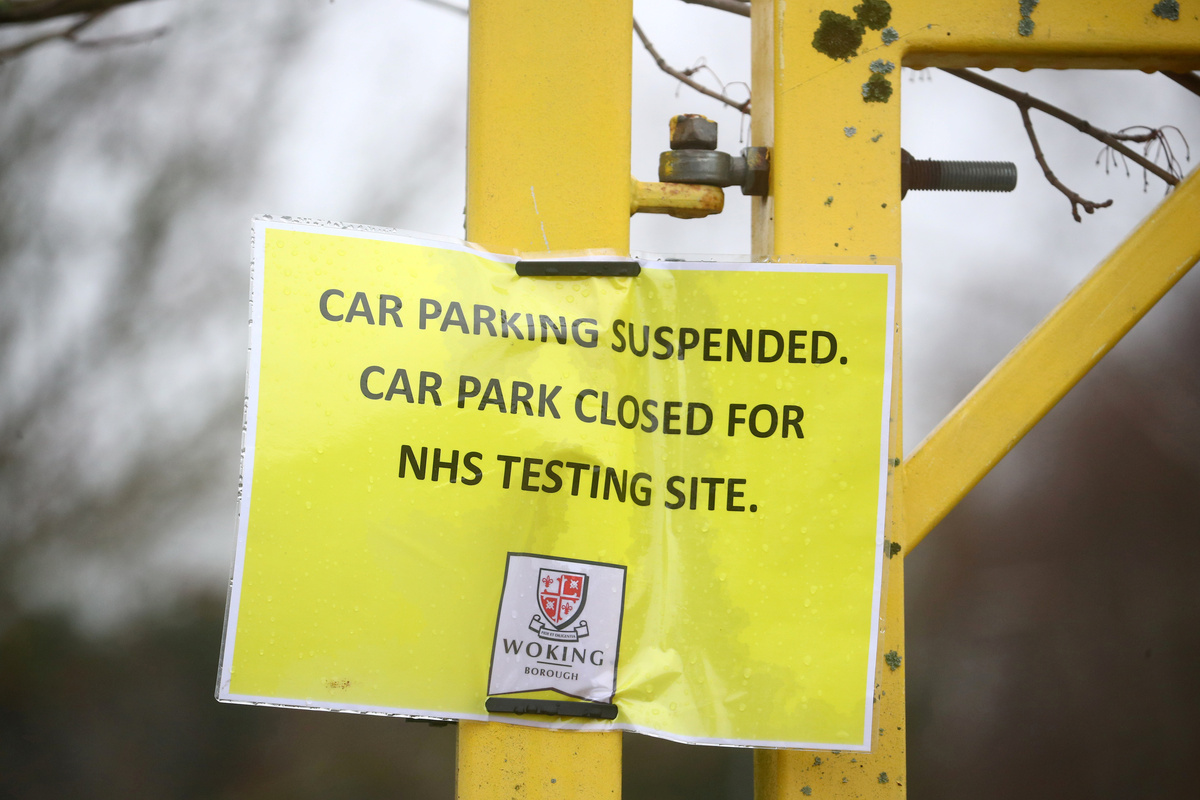
To contain the new outbreaks, residents in eight areas of the country will now be tested whether or not they are showing symptoms, a process known as "surge testing".
There are about 10,000 people in each area. Three are in London, two in the southeast, one in central England, one in the east and another in the northwest.
Health minister Matt Hancock said those in the affected areas needed to comply with the request to be tested, even if they are asymptomatic, to break any chain of transmission.
"There's currently no evidence to suggest this variant is any more severe," he said. "But we need to come down on it hard, and we will."
Positive tests in the areas will be sequenced to identify any further spread of the variant.
All viruses mutate, and scientists have identified several variants of the coronavirus found to be more transmissible than the original strain.
Their emergence has raised questions over whether vaccines will still prove effective.
Public Health England said it has identified a total of 105 cases of the South African variant since Dec 22.
Scientists have said it appears to be more transmissible, but there is no evidence that it causes more severe disease. However, several laboratory studies have found that it reduces vaccine and antibody therapy efficacy.
Simon Clarke, associate professor in cellular microbiology at the University of Reading, said there was emerging evidence to suggest the variant was less susceptible to immunity induced by the current crop of vaccines.
"The discovery of a handful of cases with no links to travel to Africa indicates that it might be more widespread in the community than previously thought," he said.
"This spread, even if small in scale, needs to be brought under control quickly, so Public Health England's house-to-house checks and intensive testing are the right thing to do."
Public Health England's Managing Director Susan Hopkins said the cases did not appear linked.
"They're more likely to be related to somebody who potentially had asymptomatic infection when they came in from abroad," she said at a news conference.
Britain is battling a new wave of COVID-19 turbocharged by the emergence in September of a more transmissable variant found in the southeast of England. The country's official death toll passed 100,000 last week.
Britain is, however, making rapid progress in its vaccination programme, with nearly 9.3 million people having received the first shot of either the Pfizer-BioNTech or Oxford-AstraZeneca shot.
(Reporting by Kate Holton, Michael Holden and Paul Sandle; Editing by Estelle Shirbon, Timothy Heritage and David Goodman)