Perhaps all the television cookery programmes, all the lobbying from Jamie and Hugh, the government initiatives and the social media campaigns are finally filtering through into the national consciousness.
Britons, it appears, are becoming more adventurous in their taste for fish, experimenting with sustainable species from which they once would have shied away because they deemed them too difficult to fillet or simply too ugly to eat.
The public’s newfound appetite for all things pescetarian comes amid a concerted campaign from the National Federation of Fishermen’s Organisations (NFFO) and the big supermarket chains to push alternatives to cod and haddock due to continuing concerns of declining numbers caused by overfishing.
Tesco reports that in the last year it has seen a huge rise in sales of fish that it says are caught by sustainable methods. Sales of whole wild turbot have doubled, while those of farmed sea bream and wild mackerel are up 25%.
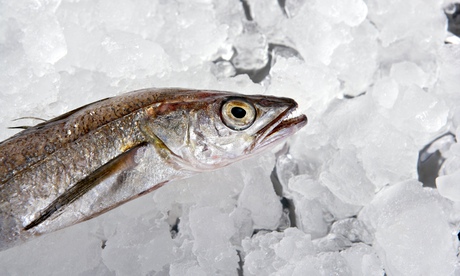
Sales of whole hake, meanwhile, are up 65%, suggesting Britons are now developing an appetite for a species that is commonly eaten in Europe but hardly consumed here. The average Spaniard eats 6 kilos of hake a year, but it is uncommon to see the fish, similar in taste to haddock and cod, on UK menus. Of the 12,000 tonnes of hake caught by British fishermen last year, just 1.5% was consumed in the UK. Sales of shellfish have also rocketed as consumers seek out more exotic ingredients. Sales of raw tiger prawns were up 1,100% on last year at Tesco, while oyster sales increased 240%. Sales of lobster increased 30%.
“It’s well known in the seafood industry that many Brits lack confidence when it comes to fish, believing it to be hard to prepare, tricky to eat, perishable and also expensive,” said Gary Hooper, a director of the NFFO. “The rise in demand for more uncommon species such as turbot, sea bream, squid and brill shows that shoppers are becoming much more adventurous in trying new types of fish.”
The NFFO campaign to promote the diversity of fish caught by the UK’s fishing fleet, supported by the likes of Morrisons and Sainsbury, is the latest attempt to rebut charges that the industry and the major retailers are not doing enough to safeguard depleted stocks. But the message is still not being heard by many.
Research carried out for the NFFO suggests that only half of Britons eat seafood at least once a week and most rarely stray from cod, haddock and salmon. Around half of British adults have never tried hake or pollock, while almost two thirds of people have not eaten coley.
The price of many species, how they looked, and the difficulties in preparing them put consumers off being more adventurous, the research found.
But Paul Williams, chief executive of Seafish, the industry trade body, said it was clear consumer sentiment was shifting. “With the increasing popularity in cookery and food programmes and just general awareness of the sustainability of the fish in our seas, we are seeing much more interest from consumers in trying new types of seafood. People are starting to realise they don’t need to stick to the usual suspects such as cod, salmon, tuna or prawns, because there is a much bigger choice of species that they can experiment with.”
In 2013, the latest figures available, 624,000 tonnes of fish was landed in the UK, contributing £718m to the economy.