Brigitte Bardot, the French actor and singer who became a symbol of the sexual revolution in the 1950s and 1960s, has died. She was 91.
News of her death was announced “with immense sadness” by The Brigitte Bardot Foundation on Sunday (28 December), who called the star “a world-renowned actress and singer, who chose to abandon her prestigious career to dedicate her life and energy to animal welfare and her foundation”.
Bardot’s death arrived just one month after the star’s foundation said reports of her ill health were “false”. Bardot underwent a "minor" surgical procedure in October.
Throughout her career, the Parisian star drew acclaim for her work with pioneering French New Wave directors such as Roger Vadim and Jean-Luc Godard.
She also sang on a number of albums, notably collaborating with Serge Gainsbourg, and in later life dedicated herself to animal rights activism.
Bardot was born on September 28, 1934 in the 15th arrondissement of Paris. Her father, Louis, was an engineer and her mother, Anne-Marie, was the daughter of an insurance company director. She grew up in a strict Catholic household, and attributed her rebelliousness to an incident that happened in her youth when she and her sister broke a vase and were subsequently whipped by their father.
After studying ballet as a child, she began her career as a model. At the age of 15, Bardot appeared on the cover of Elle magazine. She was subsequently invited to an audition for a film role, where she met the production’s screenwriter Vadim. The pair fell in love and married after she turned 18.
Bardot began her acting career in 1952, at the age of 17, with appearances in the comedy Crazy for Love and the drama Manina, the Girl in the Bikini. The latter film was credited with helping to popularize the revealing swimsuit style.
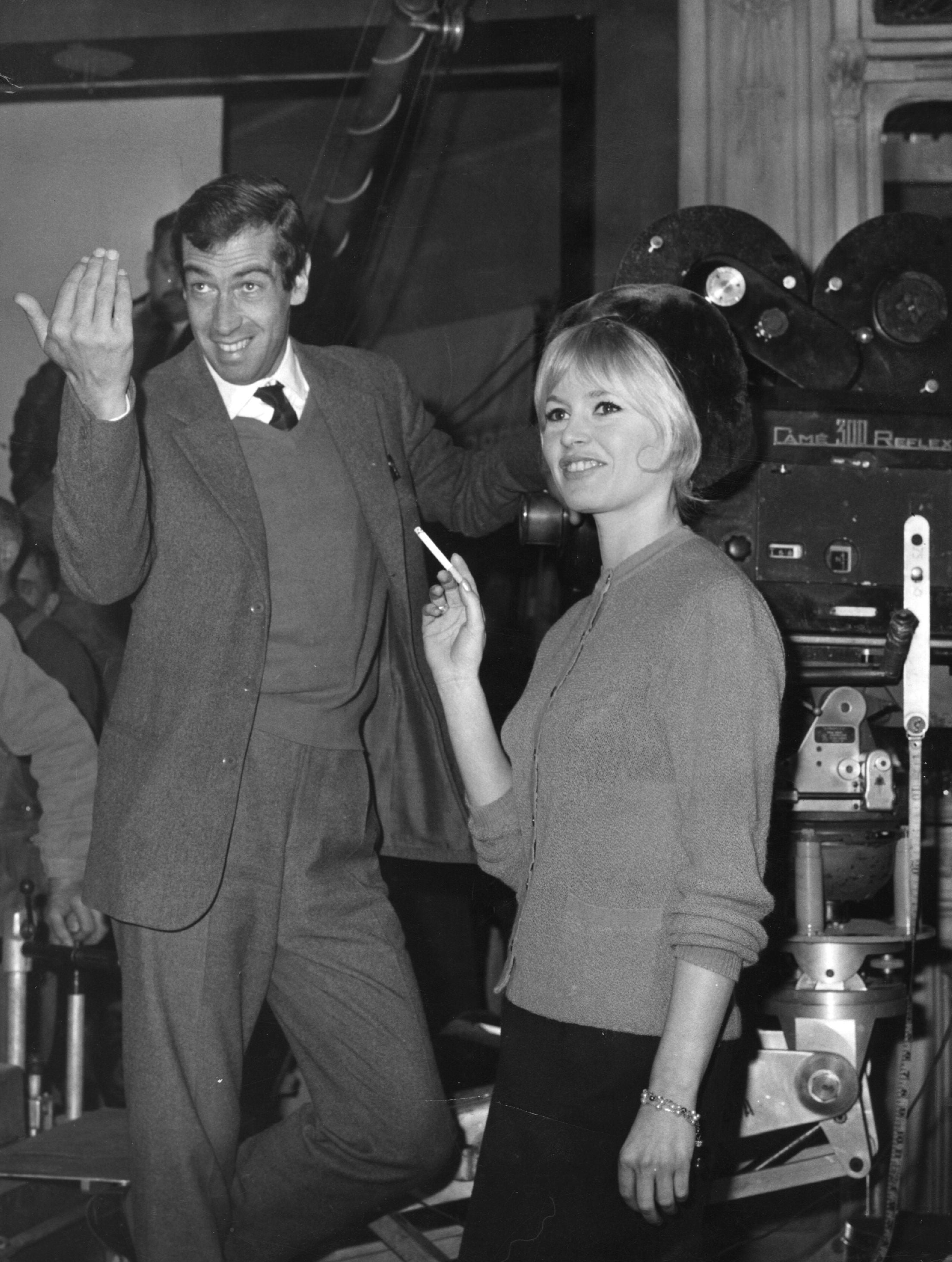
She made another dozen movies before her husband Vadim cast her in his directorial debut, And God Created Woman, in 1956. The film became an international success, and led critics to coin the phrase “sex kitten” to describe the allure of her screen presence.
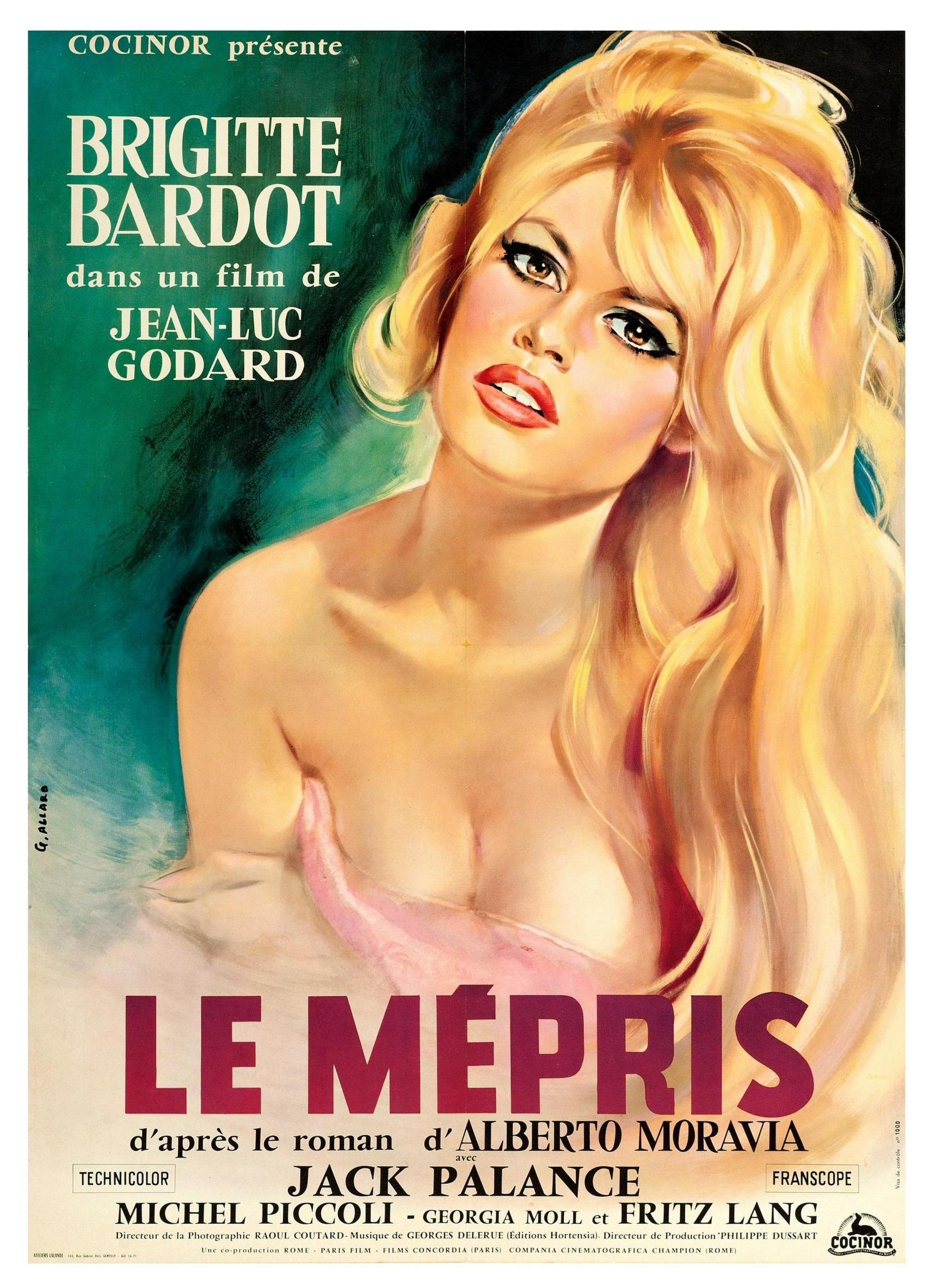
By the end of the 1950s, Bardot was the highest-paid actress in France. Despite substantial financial offers, Bardot never moved to Hollywood. Instead, she largely remained a star of European cinema, earning widespread praise for her performance in Godard’s Contempt in 1963. After 47 films she announced her retirement from acting in 1973, at the age of 39, saying she wanted “a way to get out elegantly.”
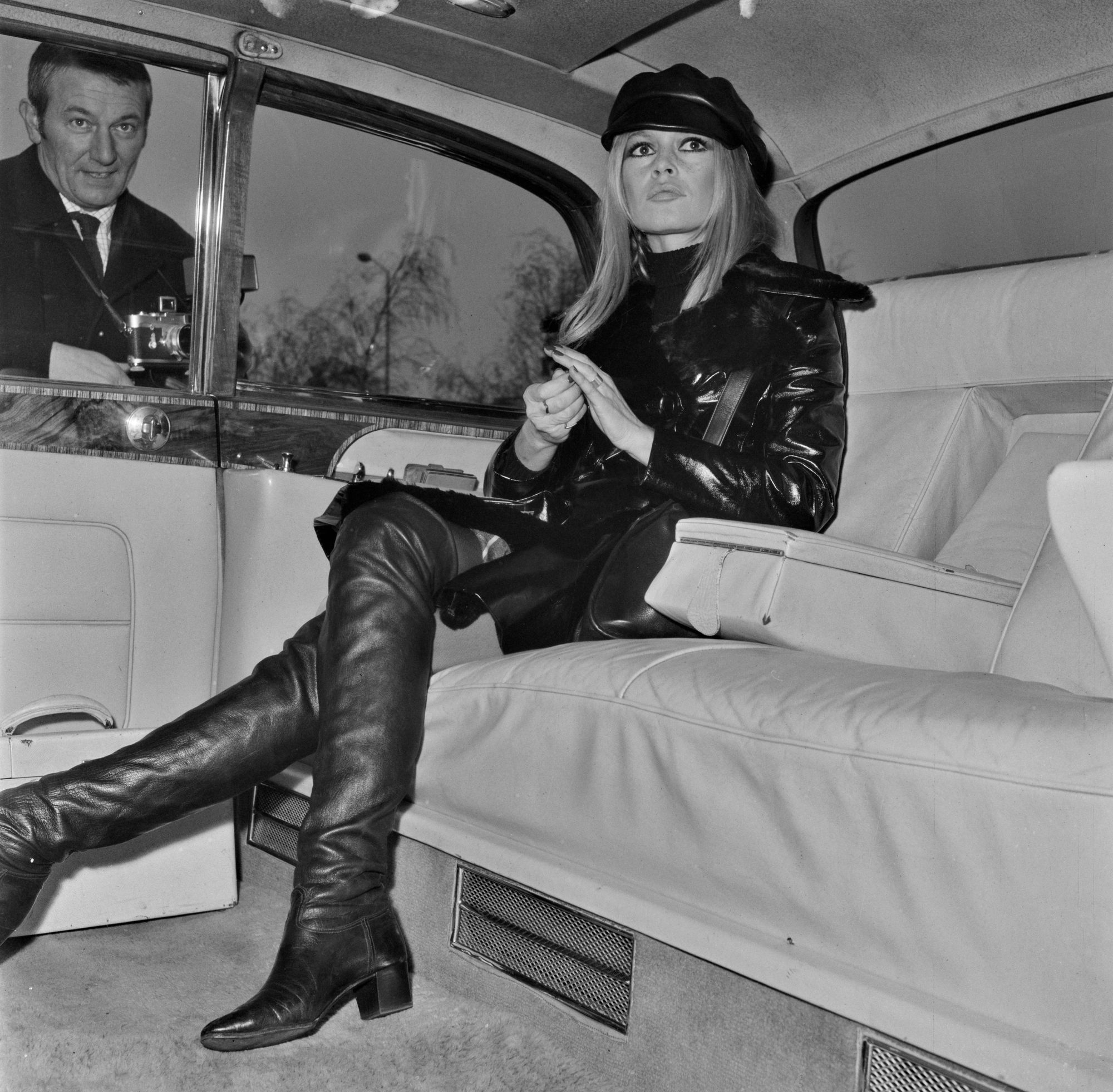
At the height of her fame in 1963, Bardot released her debut album Brigitte Bardot Sings. She later collaborated with Gainsbourg on his 1968 album Initials B.B., most famously duetting on the single “Bonnie and Clyde”.
Bardot divorced Vadim after five years in 1957. Her second marriage, to fellow actor Jacques Charrier, lasted from 1959 to 1962. She also divorced her third husband, the millionaire Gunter Sachs, in 1969 after three years of marriage.
Sachs had been upset when Bardot and Gainsbourg, who was by then her lover, recorded the song “Je t’aime... moi non plus” and it included what the recording engineer described as “heavy petting”.
Bardot’s fourth and final marriage in 1992 was to Bernard d’Ormale, an adviser to the ultra-right-wing National Front leader Jean-Marie Le Pen.
In her later years, Bardot dedicated herself to animal welfare through her own charity, the Brigitte Bardot Foundation.
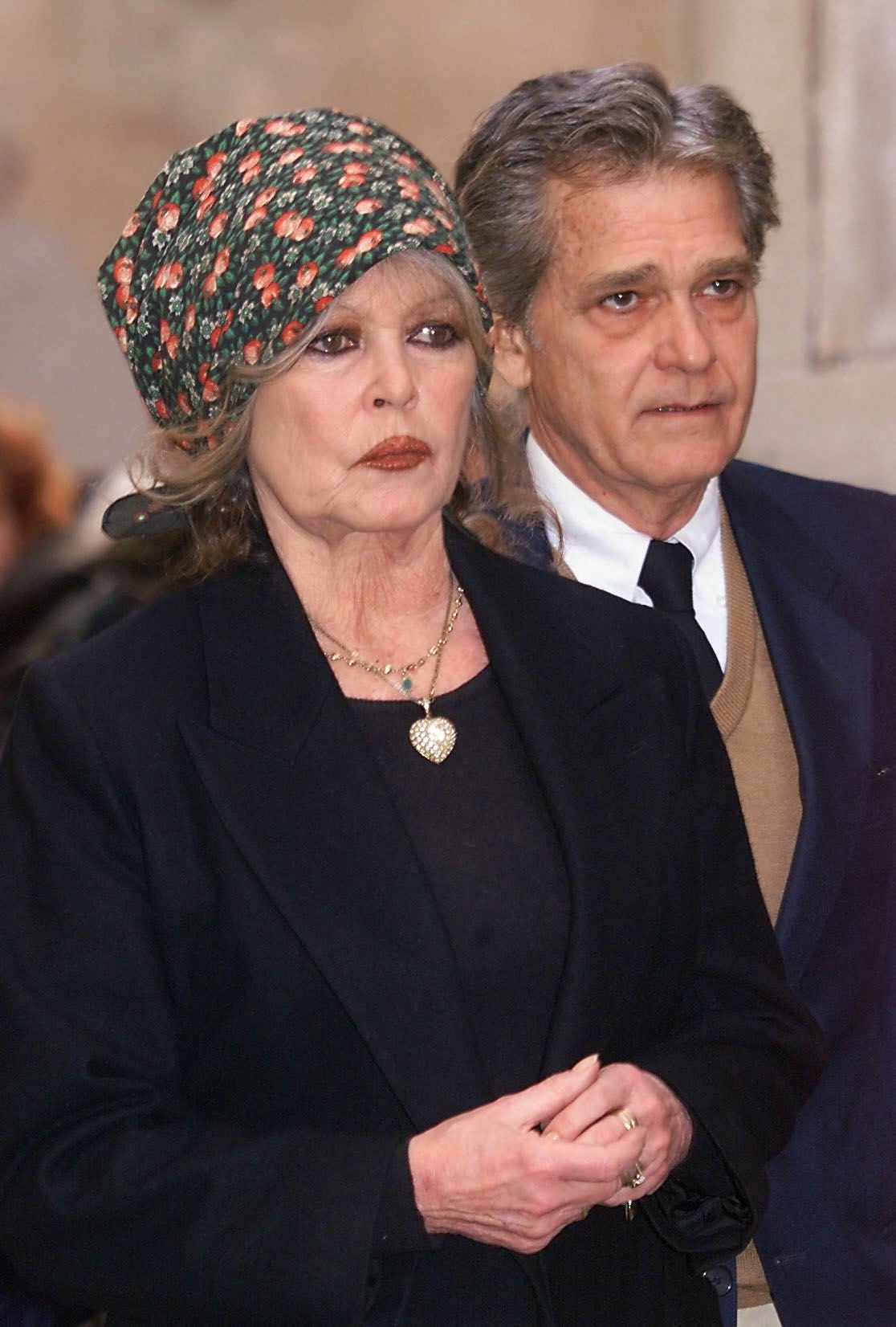
She also courted controversy on several occasions with racist and offensive public remarks. In a 2004 book she referred to gay people as “fairground freaks”, complained about “the scandal of unemployment benefits”, and claimed that France was being “infiltrated” by “sheep-slaughtering Muslims”. Between 1997 and 2008 she was taken to court five times on charges of inciting racial hatred.
French president Emmanuel Macron led tributes to the star, writing: “Her films, her voice, her dazzling glory, her initials, her sorrows, her generous passion for animals, her face that became Marianne, Brigitte Bardot embodied a life of freedom. French existence, universal brilliance. She touched us. We mourn a legend of the century.”
Meanwhile, Marine Le Pen, the far-right French politician that Bardot once praised, hailed her “an exceptional woman”.
She wrote: "A woman who chose to break with an incredible career to devote herself to the animals she defended until her last breath with inexhaustible energy and love. She was incredibly French: free, untamable, whole. She will be greatly missed by us."
Bardot is survived by d’Ormale and her son Nicolas-Jacques Charrier.
The promise Brigitte Bardot made to her estranged son before her death
Brigitte Bardot: How the original ‘sex kitten’ courted controversy until the end
Jack Black reveals ‘soul sucking’ job he held before becoming an actor
Martin Scorsese pays emotional tribute to friend Rob Reiner
Mohammad Bakri death: Renowned Palestinian actor and filmmaker dies aged 72
Home Alone house to be restored to 90s look after modern makeover backlash