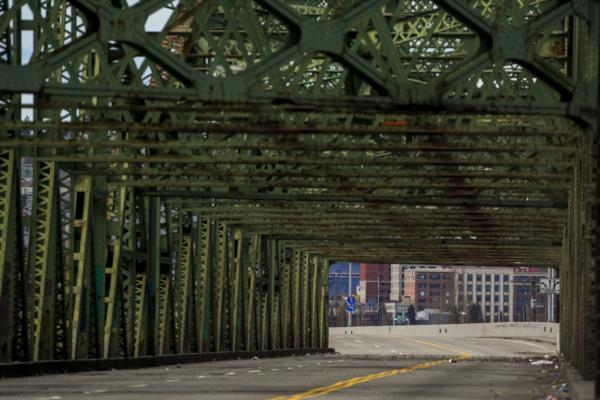
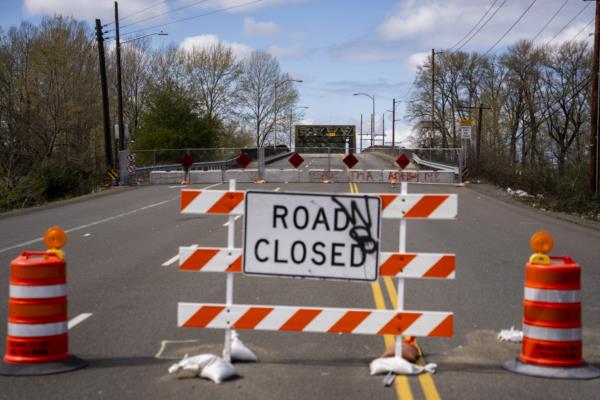
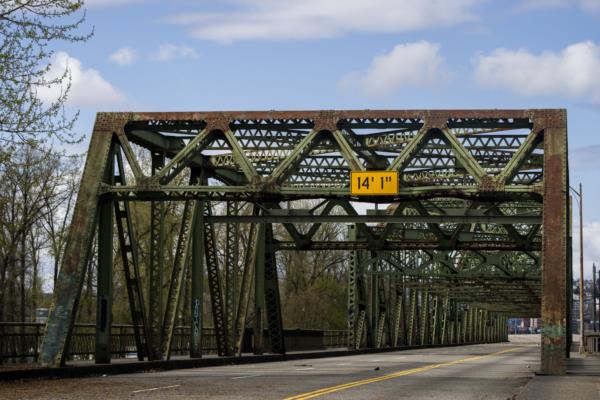
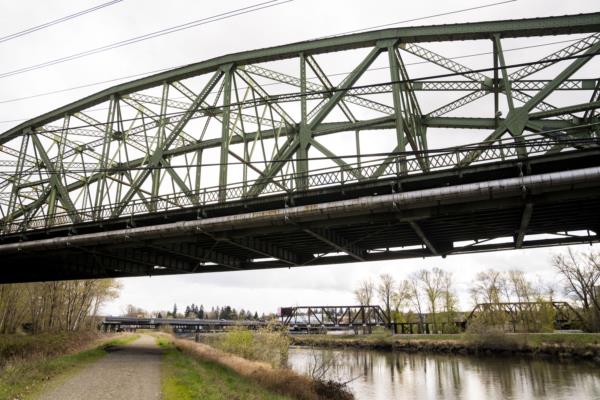
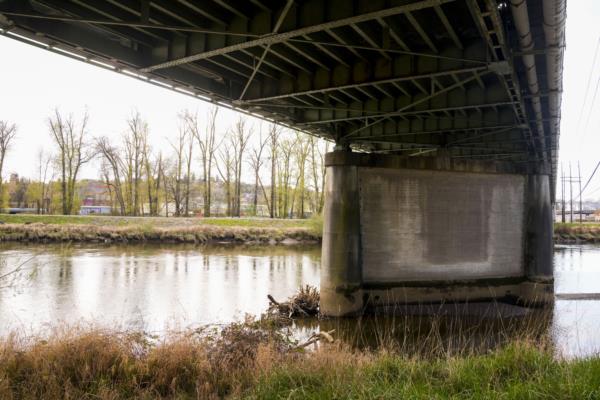
Following a yearlong closure, the Fishing Wars Memorial Bridge over the Puyallup River in Tacoma, Washington, has been shut down again due to concerns about a vintage section of the nearly century-old structure. The closure, with no set reopening date, has left the city grappling with the need to raise millions for cleaning and inspection.
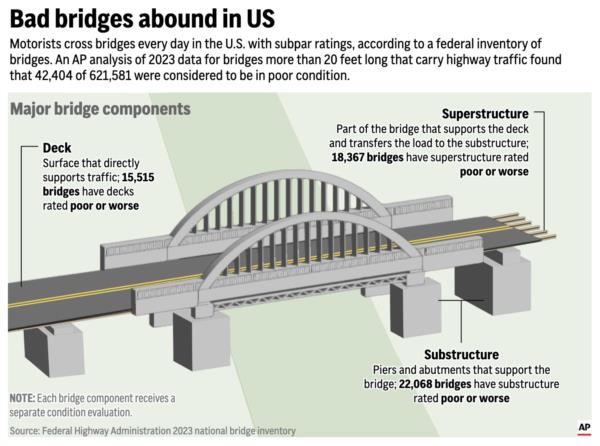
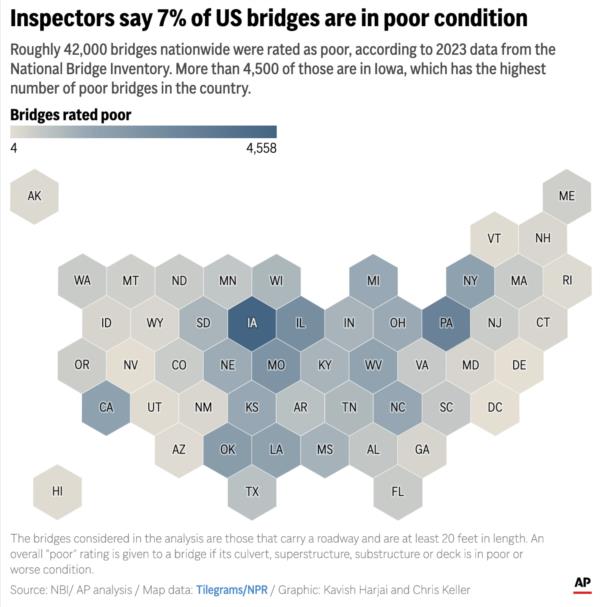
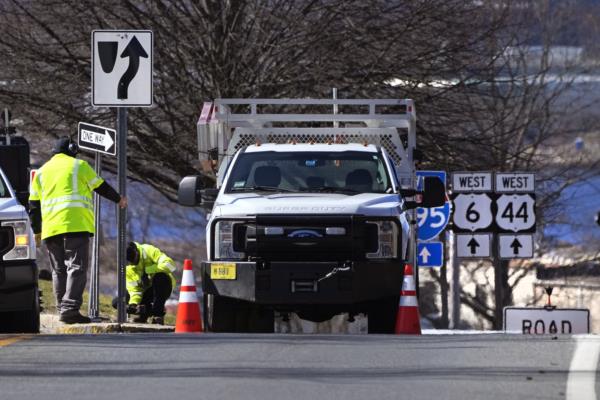
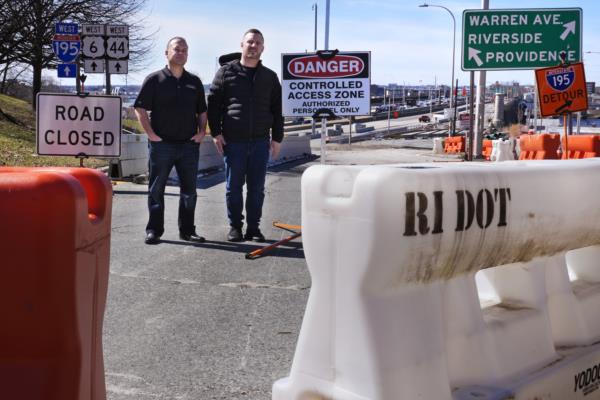
The closure of bridges, such as the Francis Scott Key Bridge in Baltimore and the Interstate 195 bridge over the Seekonk River in Rhode Island, underscores a broader issue of aging infrastructure in the United States. With approximately 42,400 bridges in poor condition, the nation faces challenges in maintaining critical transportation links.
To address these concerns, President Joe Biden signed a significant infrastructure law in 2021, allocating $40 billion over five years for bridge projects. While this funding is a step in the right direction, it falls short of the estimated $319 billion needed for nationwide bridge repairs.
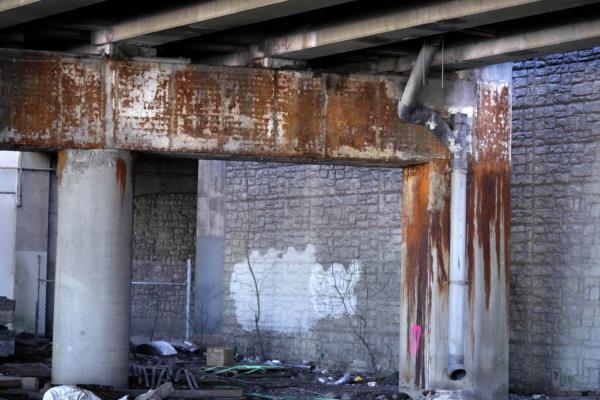
Inspectors use a rating scale to assess bridge conditions, with many aging bridges falling below acceptable safety thresholds. The consequences of neglecting infrastructure maintenance were tragically demonstrated in incidents like the collapse of the Interstate 35 bridge in Minneapolis in 2007.

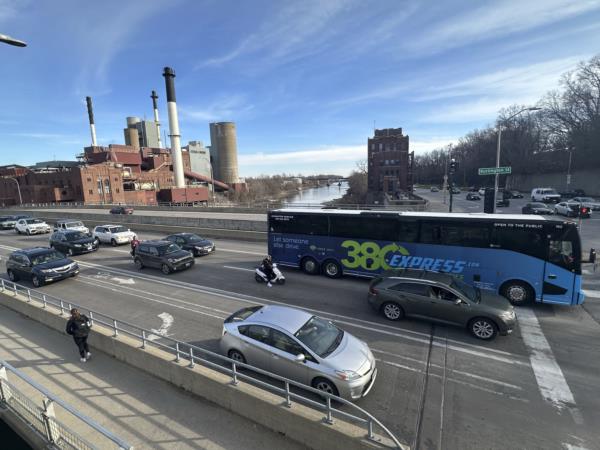
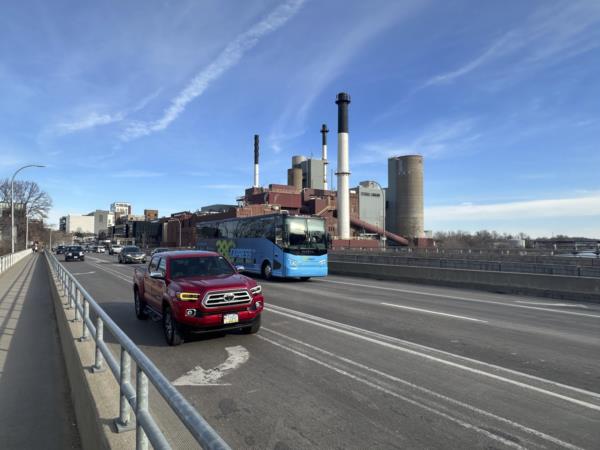
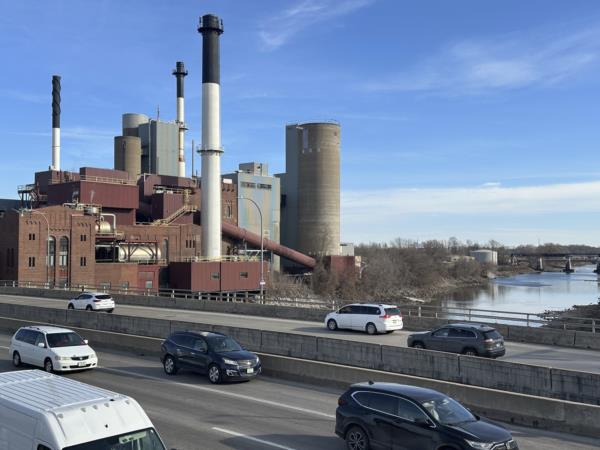
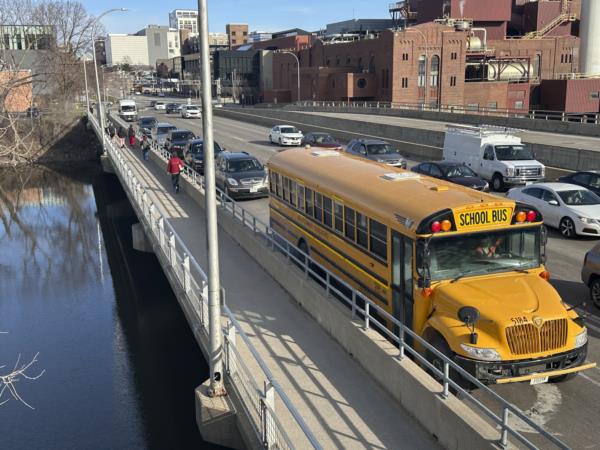

Financial challenges further complicate efforts to address deteriorating bridges, as seen in the case of the Burlington Street bridges in Iowa City. Split ownership and funding constraints hinder the timely replacement of structurally deficient bridges.
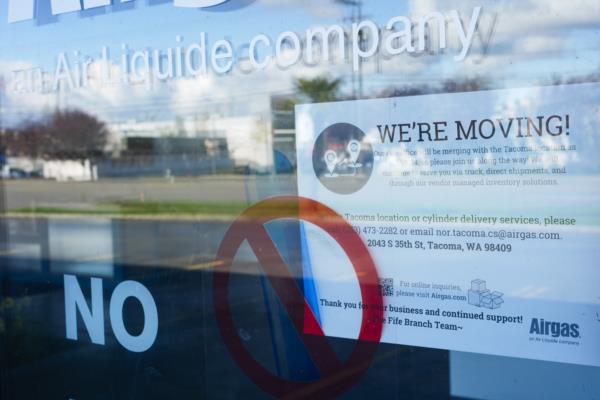
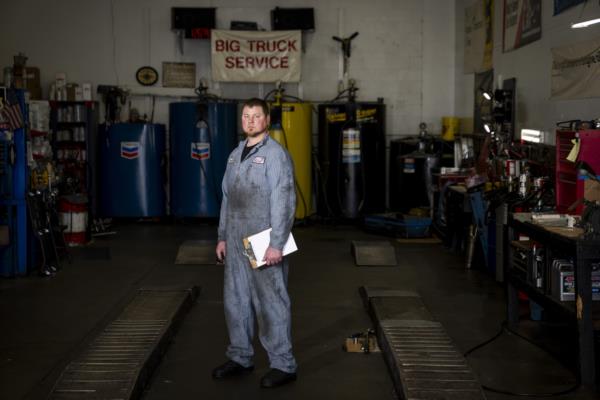
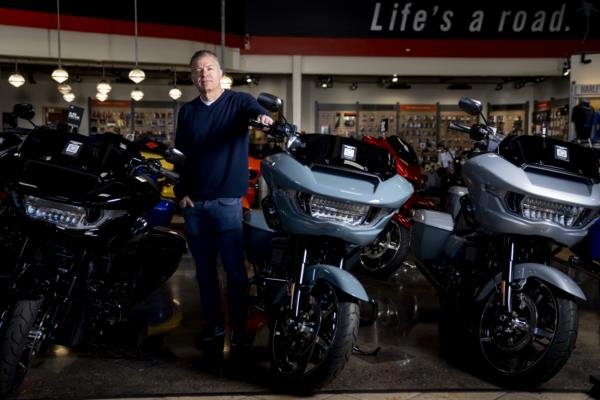
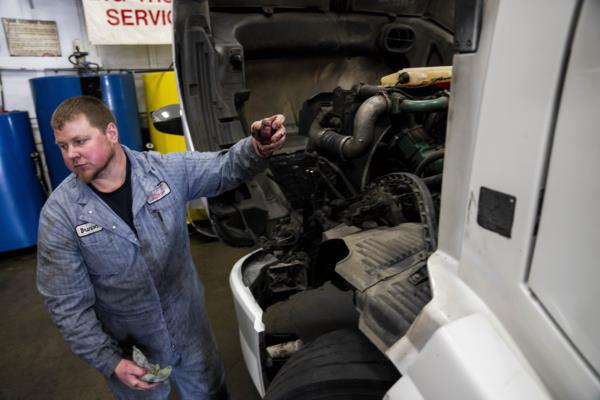
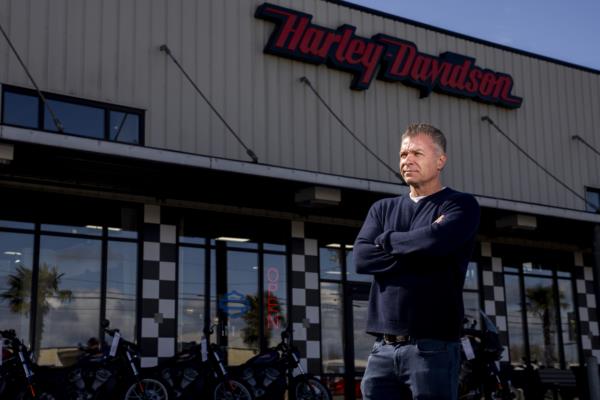
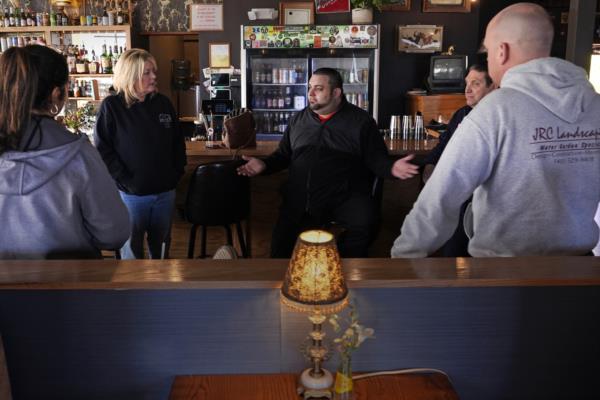
The economic impact of bridge closures is significant, affecting businesses and communities that rely on these vital transportation links. Business owners near closed bridges report declines in revenue and express concerns about the long-term repercussions of disrupted traffic patterns.
As the nation grapples with an aging infrastructure crisis, the need for sustained investment in bridge maintenance and replacement remains critical to ensure public safety and economic stability.