The fallout from the Brexit vote dominated our business coverage in 2016, led by Graeme Wearden and his daily live blog.
Six of our 10 most-read articles covered the aftermath of the shock referendum result, from the trillions wiped off global markets to the plummeting pound and the prospect of negative interest rates.
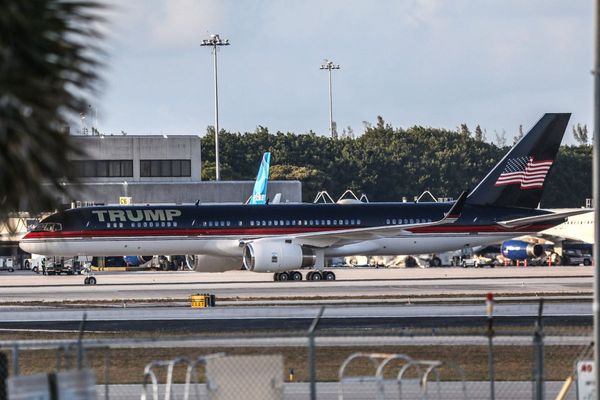
There was Donald Trump too, of course, and an apocalyptic warning from economists in January to “sell everything” before a new crash.
Based on the number of page views, here are our 10 most popular business stories in 2016.
1. US election reaction: stocks rally but warnings of trouble ahead

With more than 2m page views, our live blog of the aftermath of Trump’s election victory was the most-read business article of the year.
Our teams in New York, London and Sydney tracked the initial panic as it swept through world markets, followed by an extraordinary rally. Shares in private prison groups and gun makers did particularly well on Wall Street. There were warnings of trouble ahead, but traders appeared to pay no heed.
2. Brexit panic wipes $2tn off world markets

Friday 24 June brought shock, horror and sheer panic to trading floors around the world. Wearden and Nick Fletcher covered it all in an 18-hour live blog of the turmoil that greeted Britain’s decision to leave the EU.
It was an extraordinary day’s trading. More than $2tn was slashed from the value of global markets and sterling suffered its biggest selloff in recent history.
The Bank of England governor, Mark Carney, stepped up with a promise to take any measures necessary, but economists said the Brexit vote had left Britain on the brink of a recession that would reverberate around the world.
3. Sell everything ahead of stock market crash, say RBS economists

In January economists at RBS issued an apocalyptic warning that stock markets could crash by 20% and oil prices slump to $16 a barrel. “Sell everything except high quality bonds,” they said.
China could be the crisis point, they argued. Their numbers were wrong but they were right when they said it would be a “cataclysmic” year. Just as well they didn’t know then about Brexit and Donald Trump.
4. UK credit rating downgraded after Brexit vote

In the turbulent aftermath of the EU referendum result, as the pound hit 31-year lows and shares tumbled again, Britain was stripped of its last AAA credit rating.
Standard & Poor’s downgraded the nation’s creditworthiness to AA, with a negative outlook. The agency said Brexit would hit growth and had weakened the predictability, stability and effectiveness of policymaking in the UK.
5. Richest 62 people as wealthy as half of world’s population

Oxfam’s annual analysis of how global wealth is (not) shared always makes grim reading. Its analysis in 2016 was timed to coincide with the gathering of many of the world’s superrich at Davos, and the figures laid bare the vast gap between rich and poor.
The charity called for urgent action to tackle the growing inequality that saw the wealth of the poorest half of the world’s population drop by 41% between 2010 and 2015, while the wealth of the planet’s richest 62 people jumped by $500bn to $1.76tn.
6. Pound hits $1.30 as property funds are frozen

The fallout from the Brexit vote continued to reverberate through the markets, as City property funds barred investors from withdrawing their cash and the Bank of England said risks to the financial system had begun to crystallise.
The then chancellor, George Osborne, held a summit with the heads of the major high street banks, who pledged to avoid a new credit crisis by making loans available.
7. Pound and shares rally after two days of record Brexit losses

Shares in London and around the world rebounded in volatile trading after three traumatic days that wiped an unprecedented $3tn off global markets.
As he called for a second referendum to be held, the Virgin boss, Sir Richard Branson, said “thousands and thousands” of jobs would be lost in Britain as a result of Brexit.
8. Lagarde urges speedy Brexit deal as pound hits new lows

The IMF’s managing director, Christine Lagarde, called for clarity on Britain’s Brexit plan “sooner rather than later”. That was two weeks after the referendum. Six months on, we’re still waiting.
The leading economist Mohamed El-Erian, meanwhile, piled on the pain for the battered pound, saying it could slump to parity with the dollar.
9. Cafes serving drinks with 25 teaspoons of sugar a cup

One sugar … or 25? A shocking report from the campaign group Action on Sugar found that 98% of the 131 hot flavoured drinks found in the big high street chains would carry a red warning if they were forced to label them.
Some hot chocolate and other trendy chai drinks contained staggering amounts of sugar, up to 25 teaspoons, in one serving.
10. NatWest paves way for introduction of negative interest rates

Nat West bank raised the spectre of negative interest rates, telling its business customers it might have to charge to accept deposits.
The bank, which is part of the Royal Bank of Scotland and so owned by the taxpayer, issued its warning in a letter changing the terms and conditions for its 850,000 business customers, which range from self-employed traders to clubs, charities and large corporations.