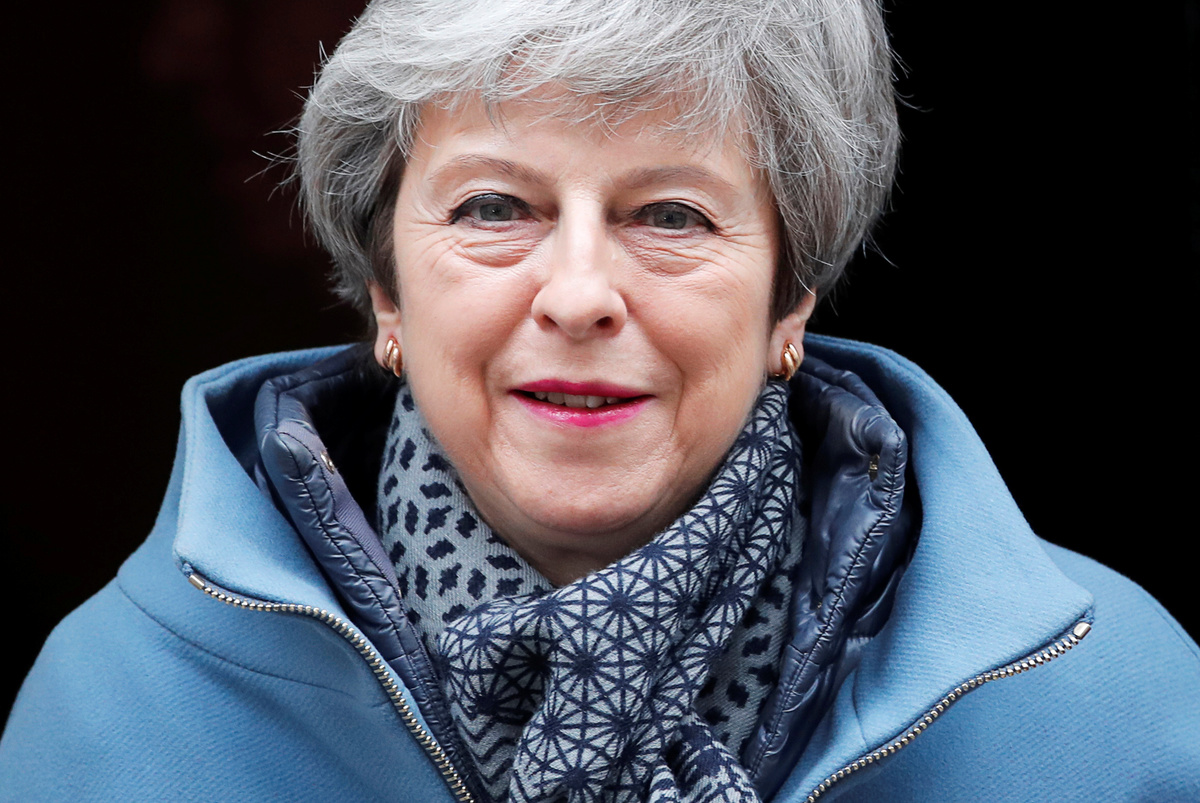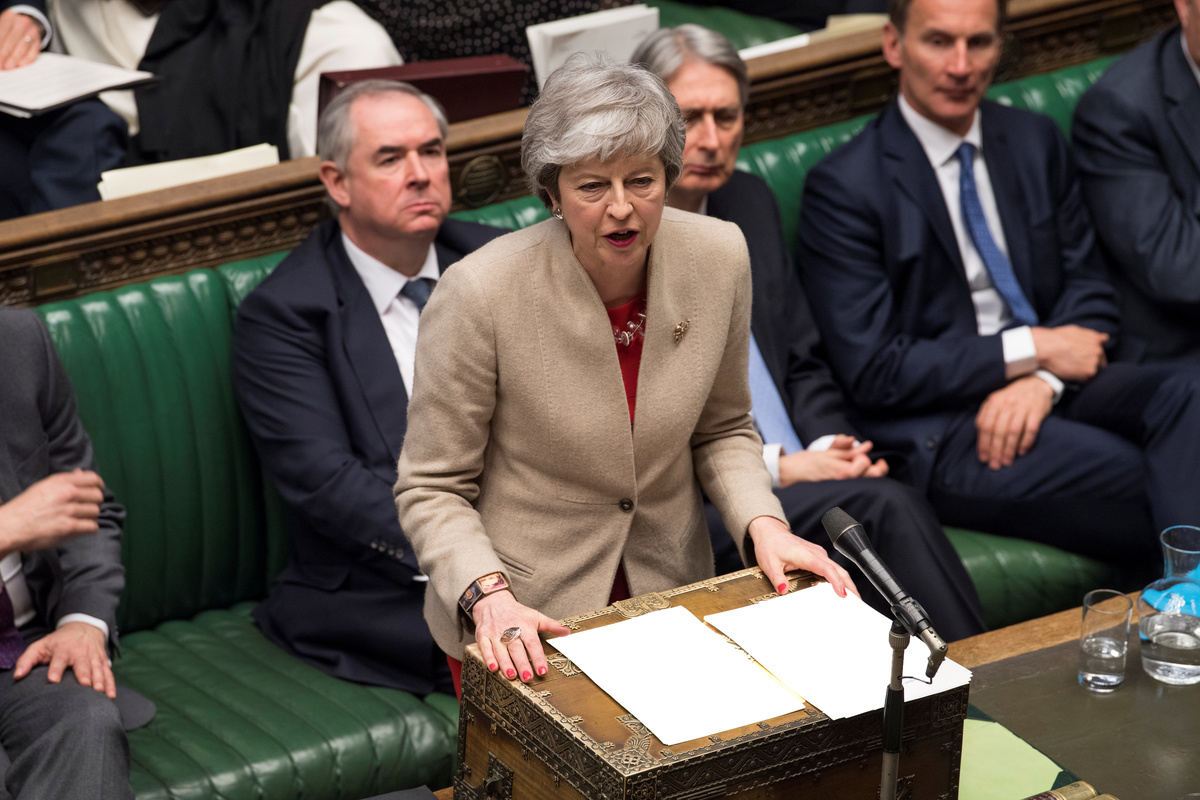
LONDON (Reuters) - Lawmakers rejected Prime Minister Theresa May's Brexit deal for a third time on Friday, sounding its probable death knell and leaving Britain's withdrawal from the European Union in turmoil on the very day it was supposed to quit the bloc.
The decision to reject a stripped-down version of May's divorce deal has left it totally unclear how, when or even whether Britain will leave the EU, and plunges the three-year Brexit crisis to a deeper level of uncertainty.
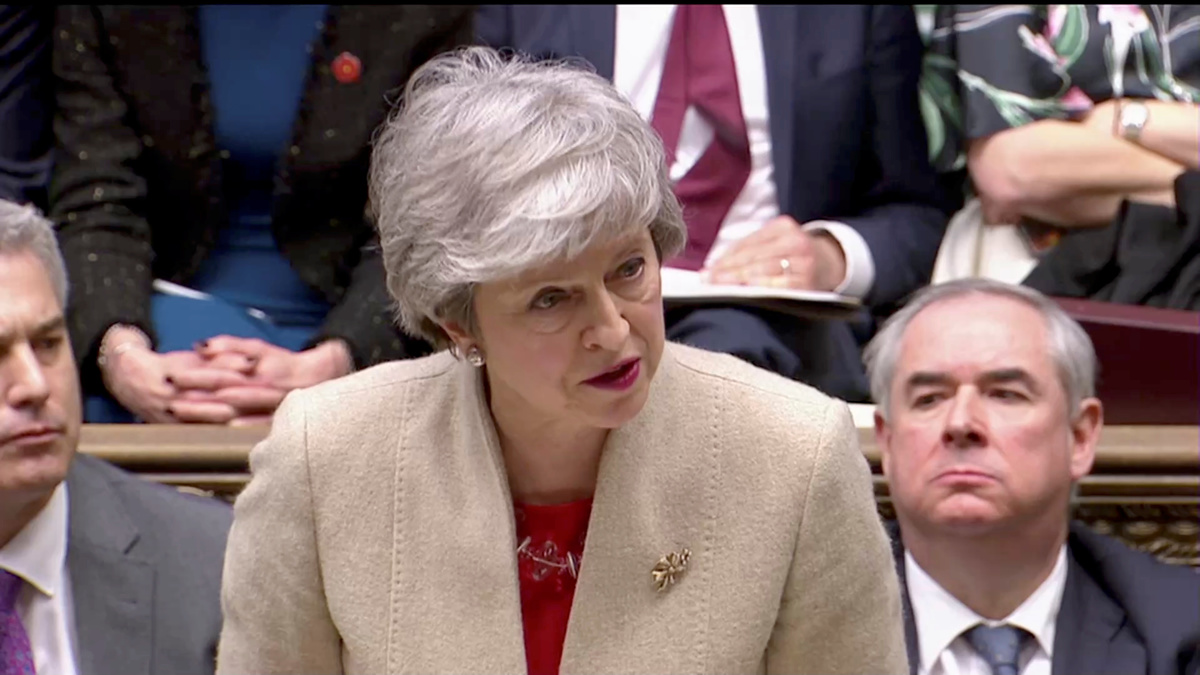
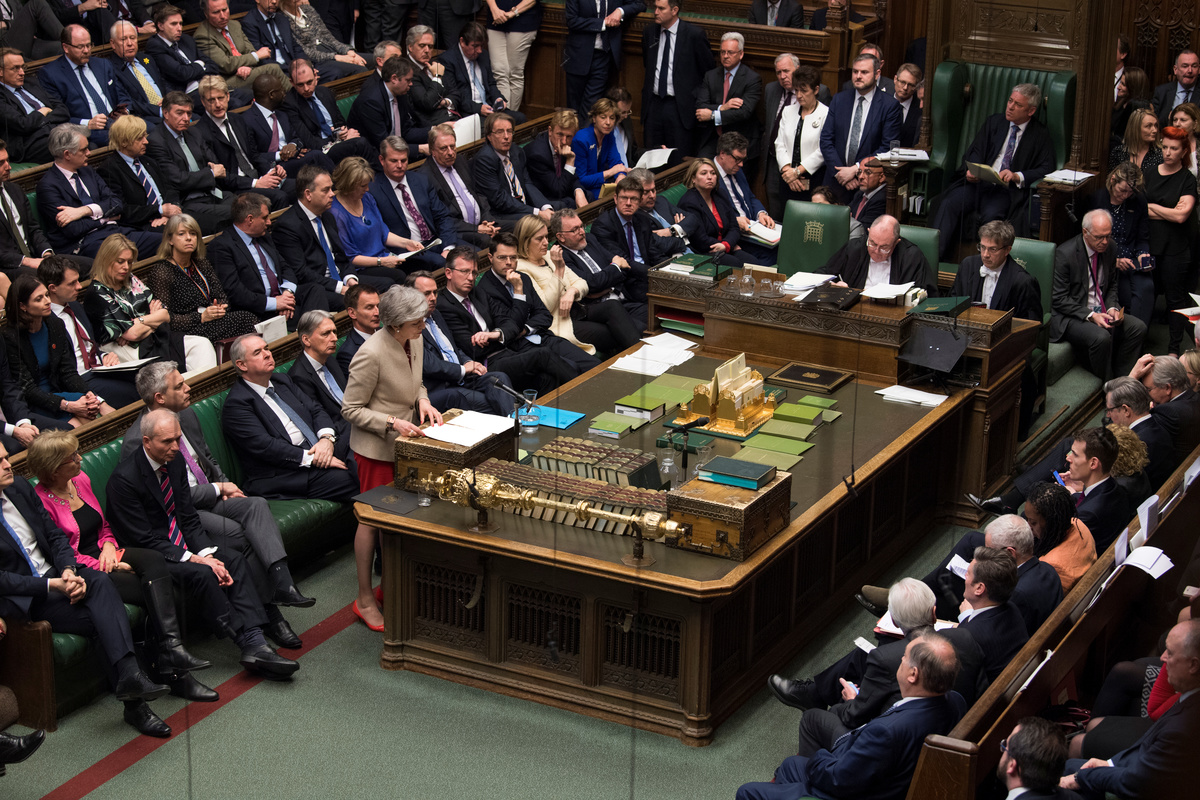
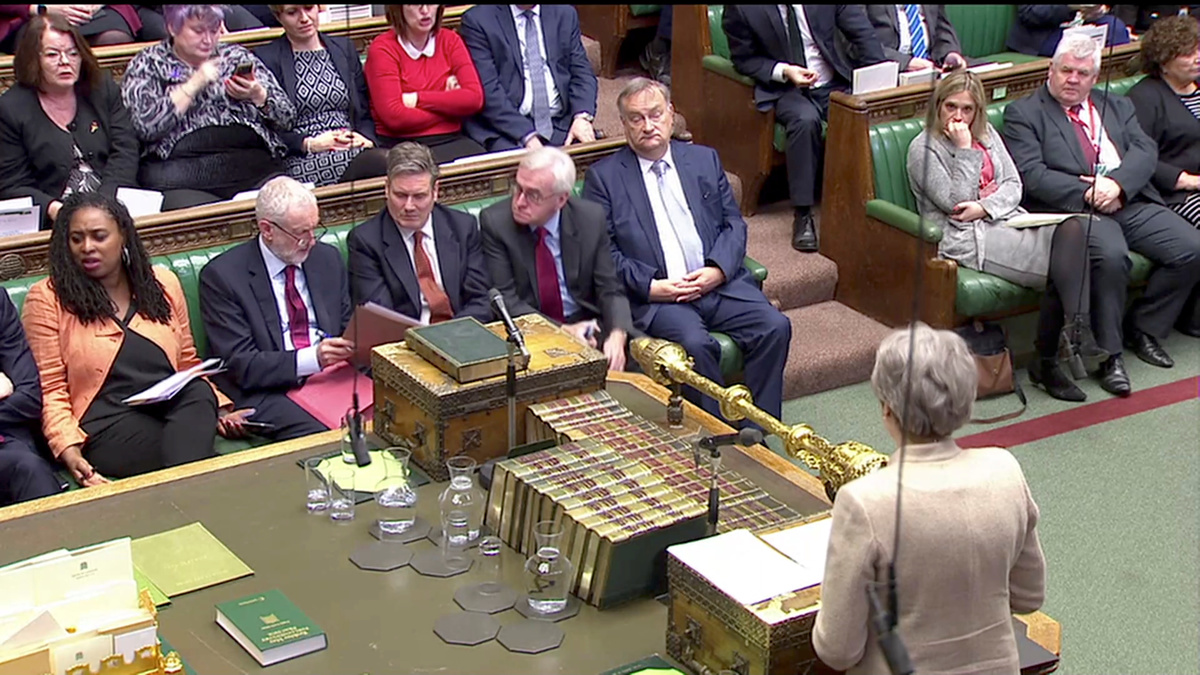
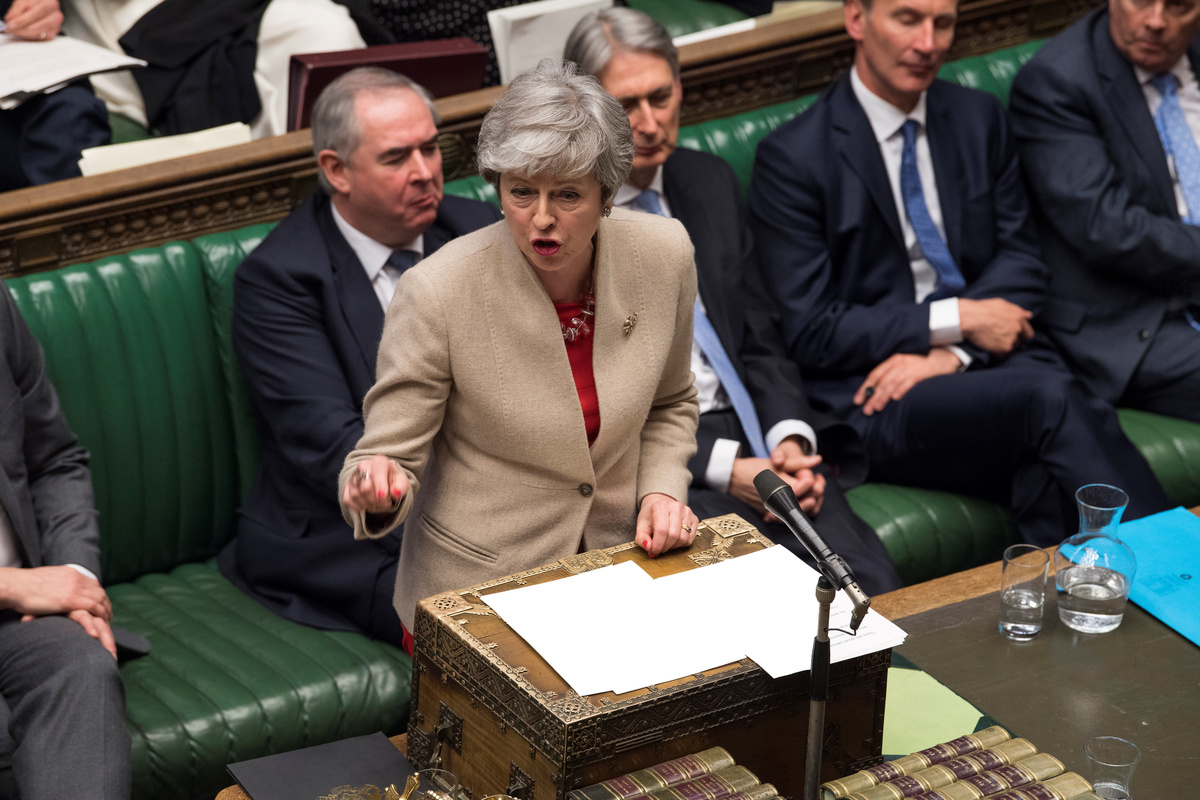
"I fear we are reaching the limits of this process in this House," May told parliament after the defeat. "The implications of the House's decision are grave."
(Graphic on May’s rejected Brexit deal - https://tmsnrt.rs/2V4on0S)
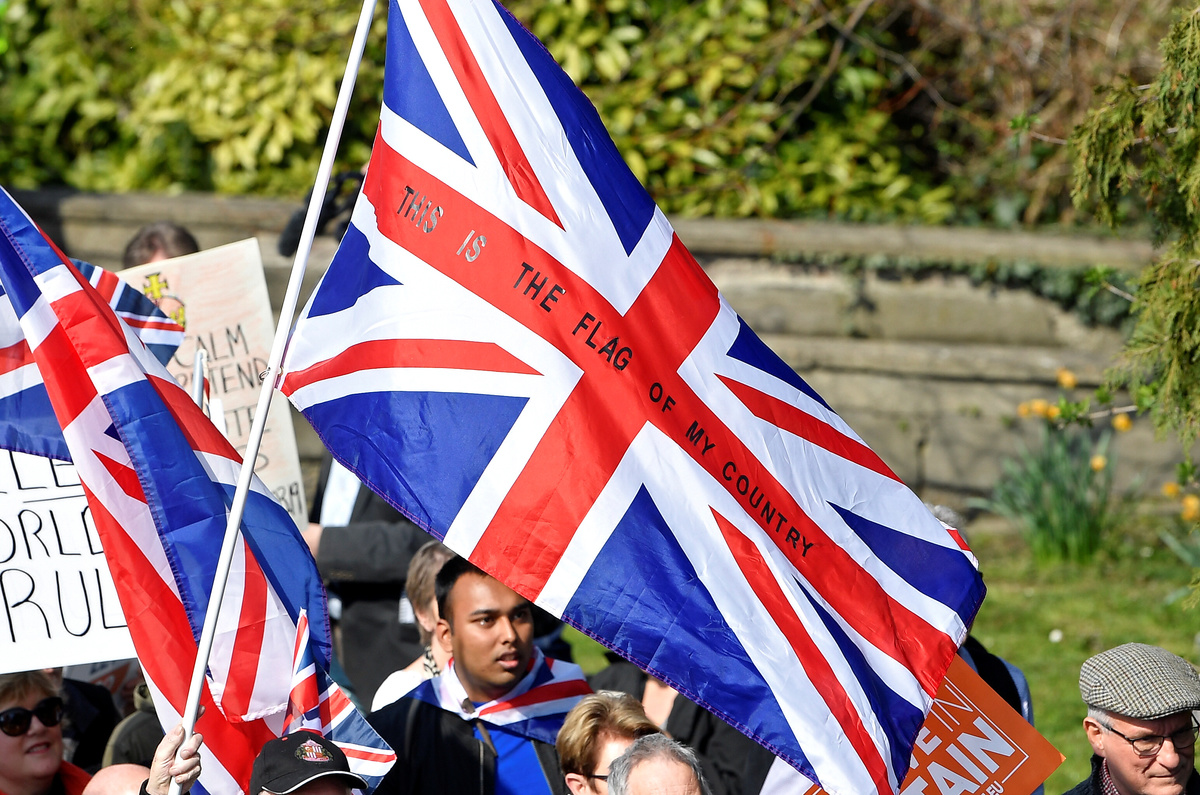
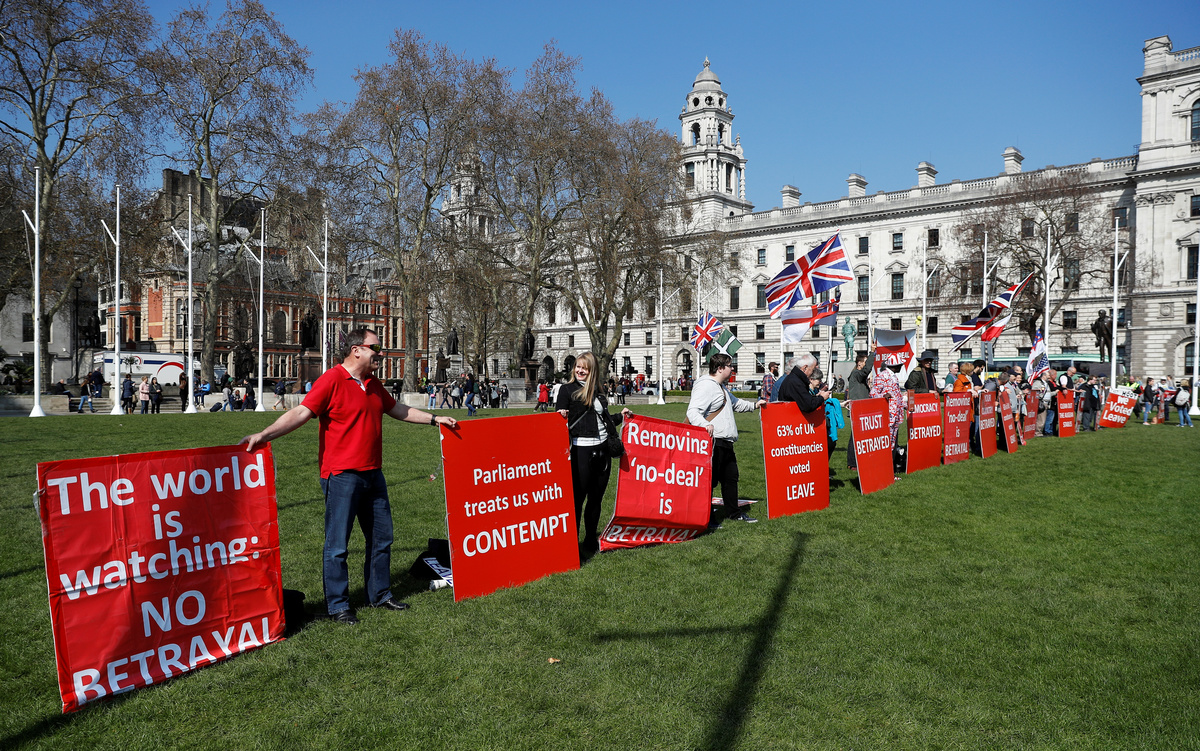
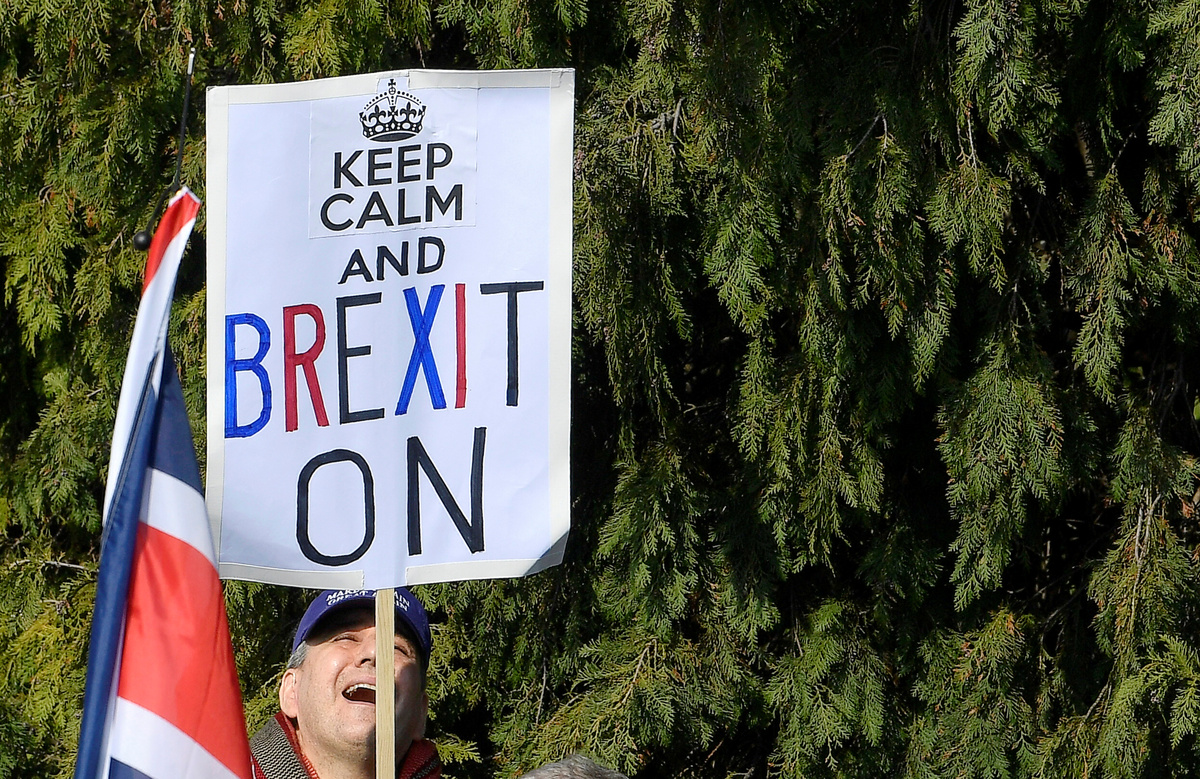
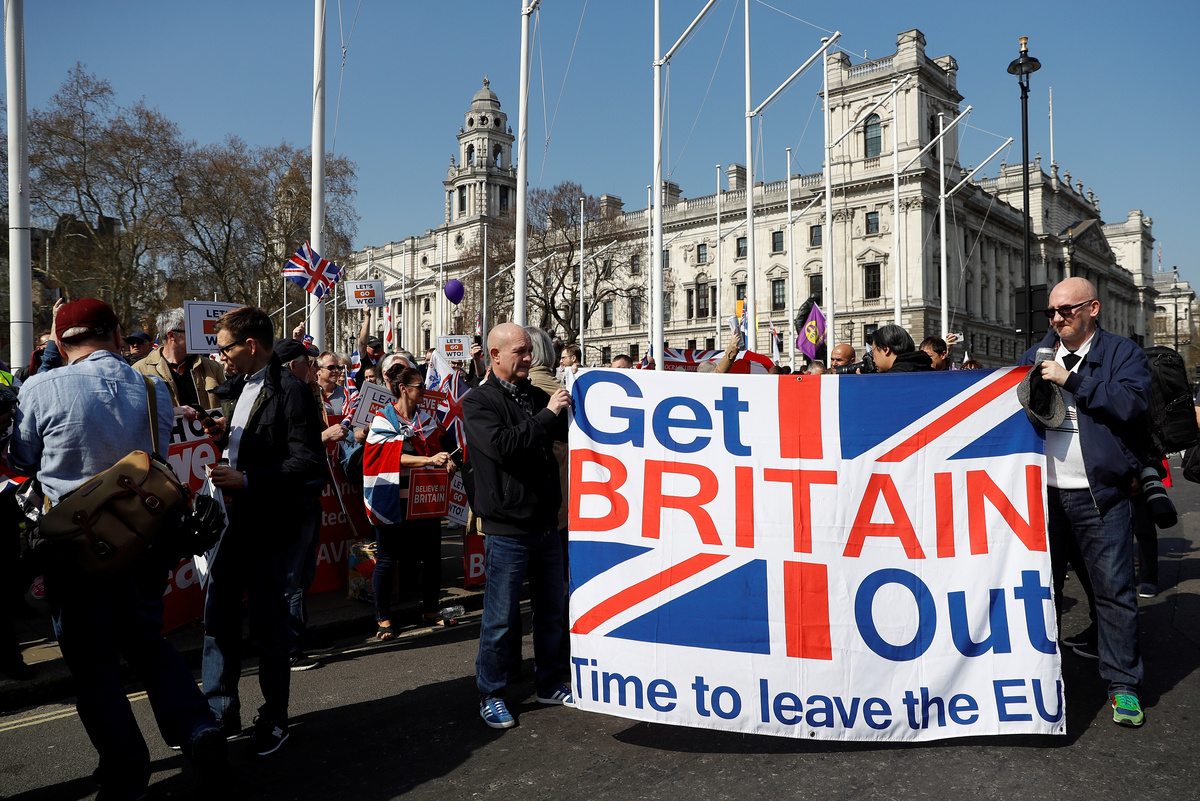
Within minutes of the vote - which took place as thousands of Brexit supporters protested outside parliament - European Council President Donald Tusk said EU leaders would meet on April 10 to discuss Britain's departure from the bloc.
A succession of European leaders said there was a very real chance Britain would now leave without a deal, a scenario that businesses fear would cause chaos for the world's fifth-biggest economy.
White House national security adviser John Bolton told Reuters that President Donald Trump sympathised with May, and restated that the United States was keen to sign a trade deal with Britain once it was no longer in the EU.
May had framed the vote as the last opportunity to ensure Britain actually left the EU, making a passionate plea to lawmakers to put aside party differences and strongly-held beliefs.
But in a special sitting of parliament, they voted 344-286 against the EU Withdrawal Agreement, agreed after two years of tortuous negotiations with the bloc.
"The legal default now is that the United Kingdom is due to leave the European Union on April 12," May said.
She cautioned that any further delay to Brexit would probably be a long one beyond the current deadline, and would mean Britain holding elections to the European Parliament.
The British pound, which has been buoyed in recent weeks by hopes that the likelihood of an abrupt 'no-deal' Brexit is receding, fell half a percent after May lost, to as low as $1.2977, but then recovered some of its losses. [GBP/]
"If the deadline is extended longer, we will re-engage with sterling because that will be the start of the slow death of Brexit," said Salman Ahmed, global investment strategist at Lombard Odier Investment Managers.
TALKS TO CONTINUE
May had offered on Wednesday to resign if the deal passed, in a bid to win over eurosceptic rebels in her Conservative Party who support a more decisive break with the EU than the divorce her deal offers.
The vote leaves her Brexit strategy in tatters. With no majority in parliament for any Brexit option so far, it is unclear what May will now do. Options include asking the EU for a long delay, parliament forcing an election, or a "no-deal" exit.
However, May's spokesman said she would continue talks with opponents of the deal and some political correspondents said she could bring it back a fourth time, perhaps in a "run-off" against any alternative that parliament itself came up with.
Britain now has under two weeks to convince the 27 members of the EU that it has an alternative path out of the impasse, or see itself cast out of the bloc on April 12 with no deal on post-Brexit ties with its largest trading ally.
French President Emmanuel Macron, speaking as parliament voted, said the EU needed to accelerate no-deal planning and Austrian Chancellor Sebastian Kurz said that unless Britain came up with a plan, there would be a "hard" Brexit.
May's deal had twice been rejected by huge margins this year and, although she was able to win over many Conservative rebels, a hard core of eurosceptics, who see "no-deal" as the best option, and the Northern Irish Democratic Unionist Party (DUP), which props up her minority government, refused to back it.
The DUP's deputy leader, Nigel Dodds, said avoiding future customs checks between mainland Britain and Northern Ireland - which might be required under May's deal - was more important than leaving the EU.
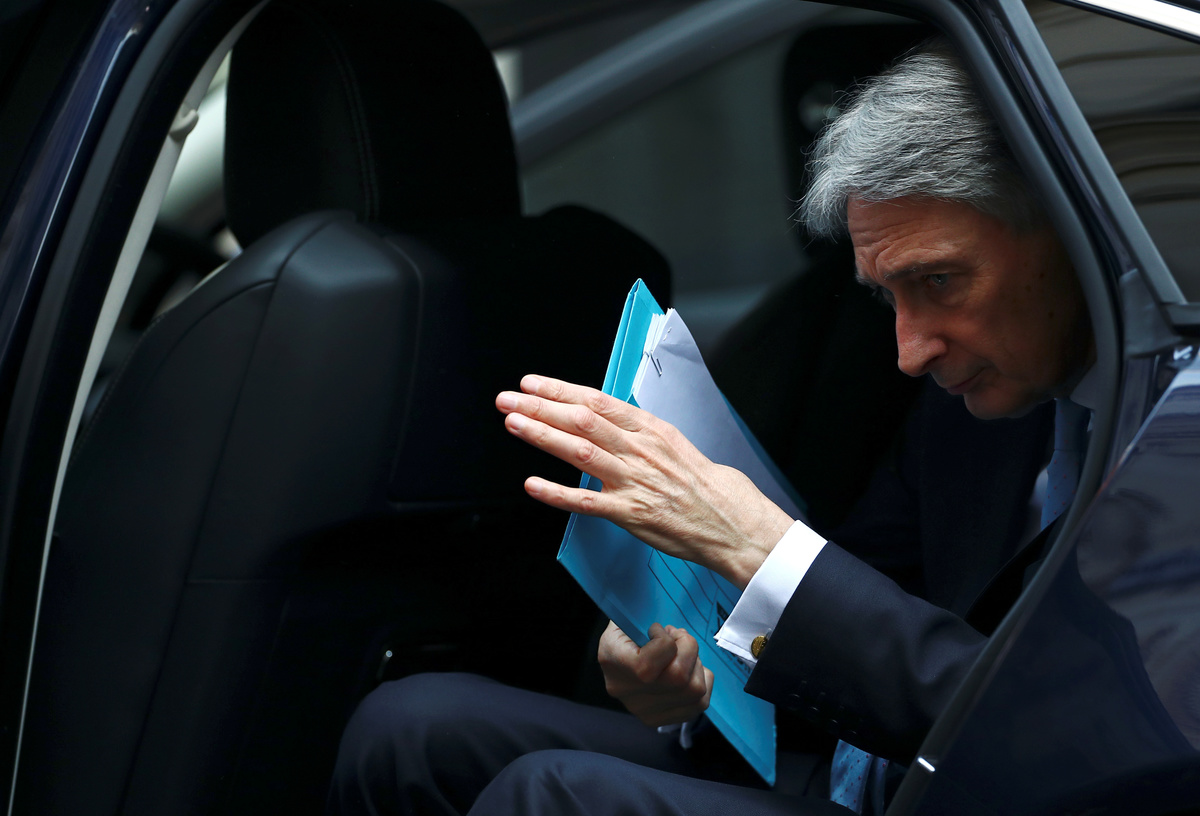
ANOTHER ELECTION?
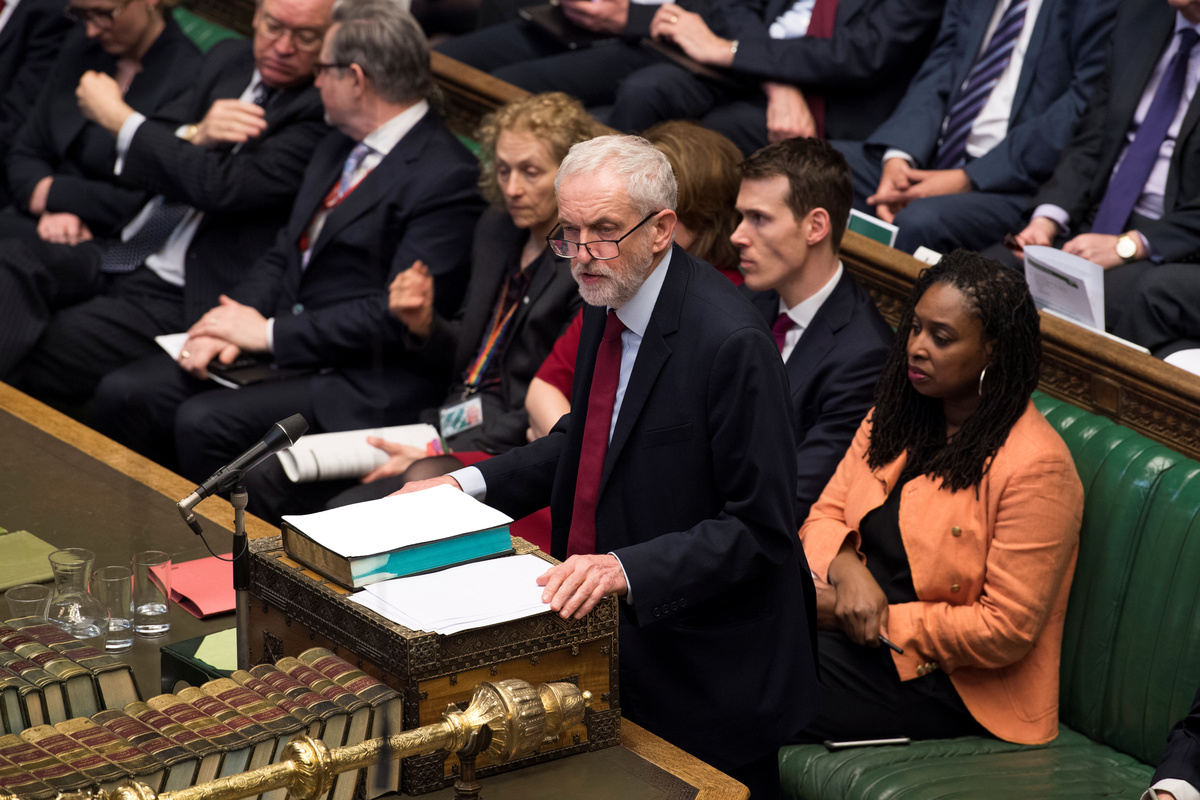
On Monday, lawmakers who have tried to grab control of the process will attempt to agree on an alternative Brexit plan that could command majority cross-party support in parliament. The options that have so far gathered most support involve closer ties to the EU, and a second referendum.
A first attempt at non-binding "indicative votes" on Wednesday failed to produce a majority for any of the eight options on offer.
Many lawmakers believe the only way to solve the crisis will be a snap election - even though it would throw up a host of unknowns for the major parties.
(Graphic on indicative votes - https://tmsnrt.rs/2WrCOw9)
"The last thing this country needs right now is a general election," transport minister Chris Grayling told Sky News. "We've actually got to sort out the Brexit process, we can't throw everything up in the air."
The 2016 referendum vote to leave the EU revealed a United Kingdom divided over many more issues, and has provoked impassioned debate about everything from secession and immigration to capitalism, empire and what it means to be British.
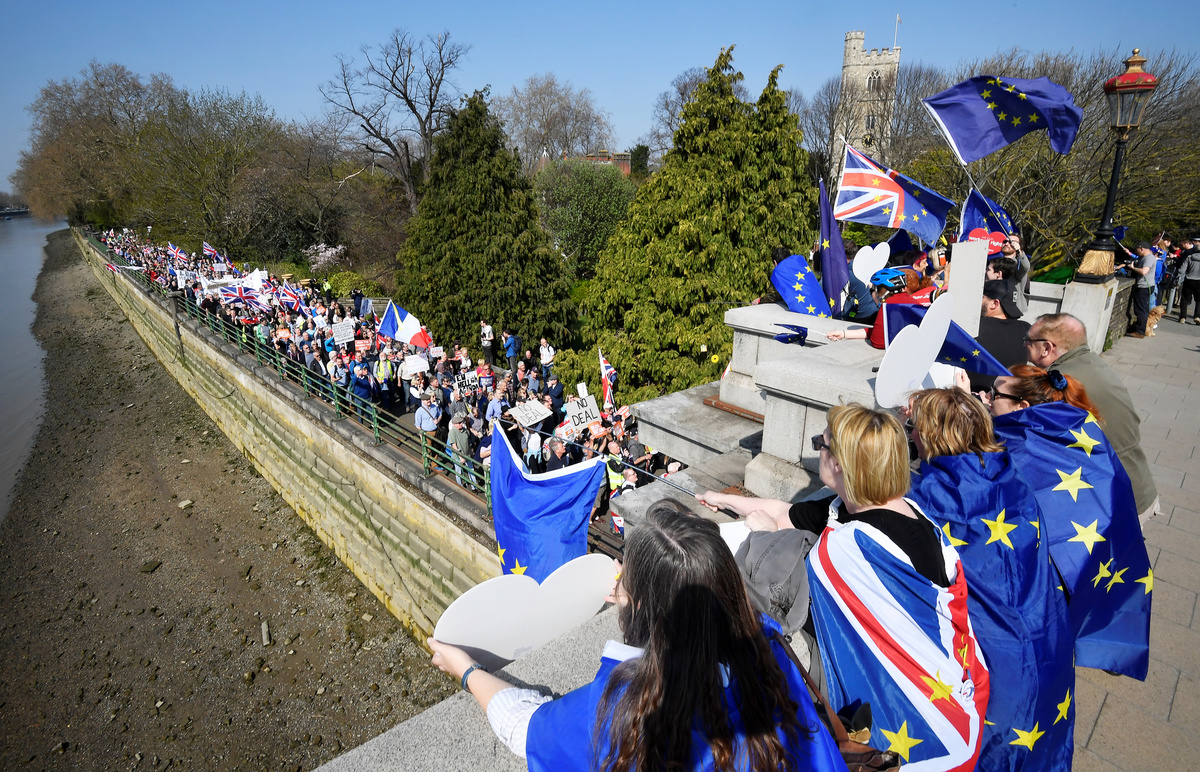
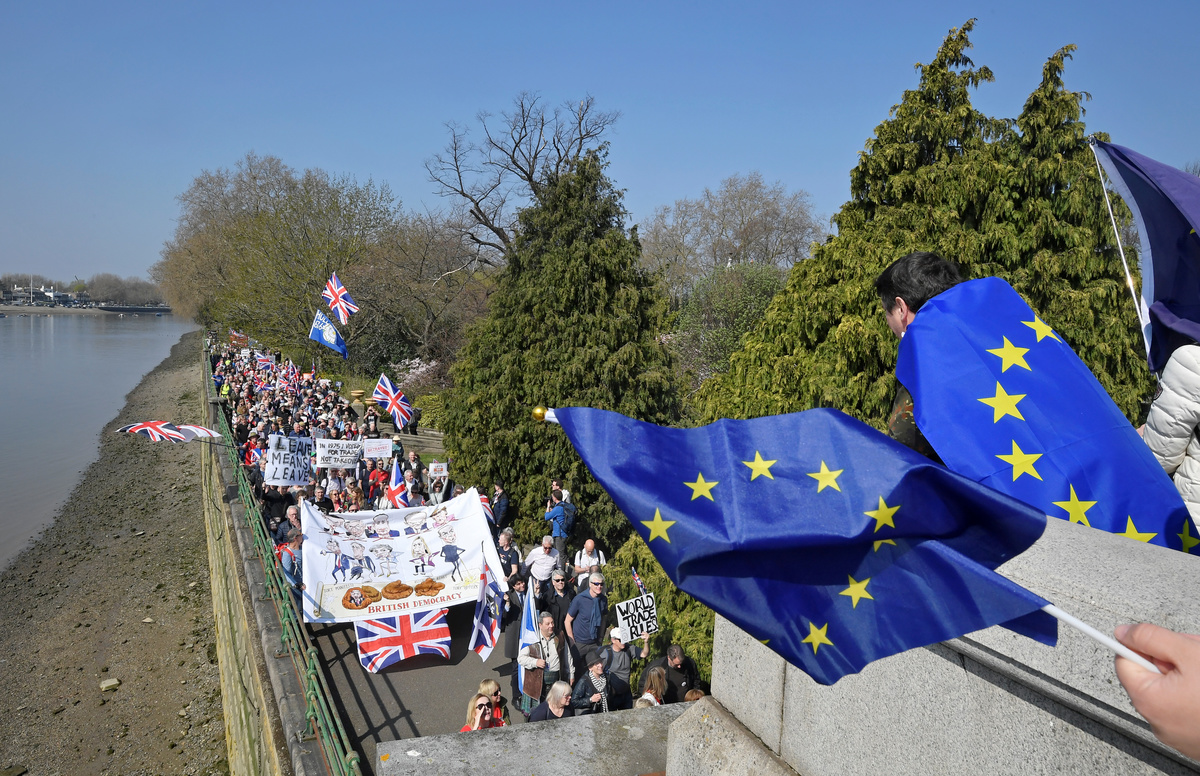
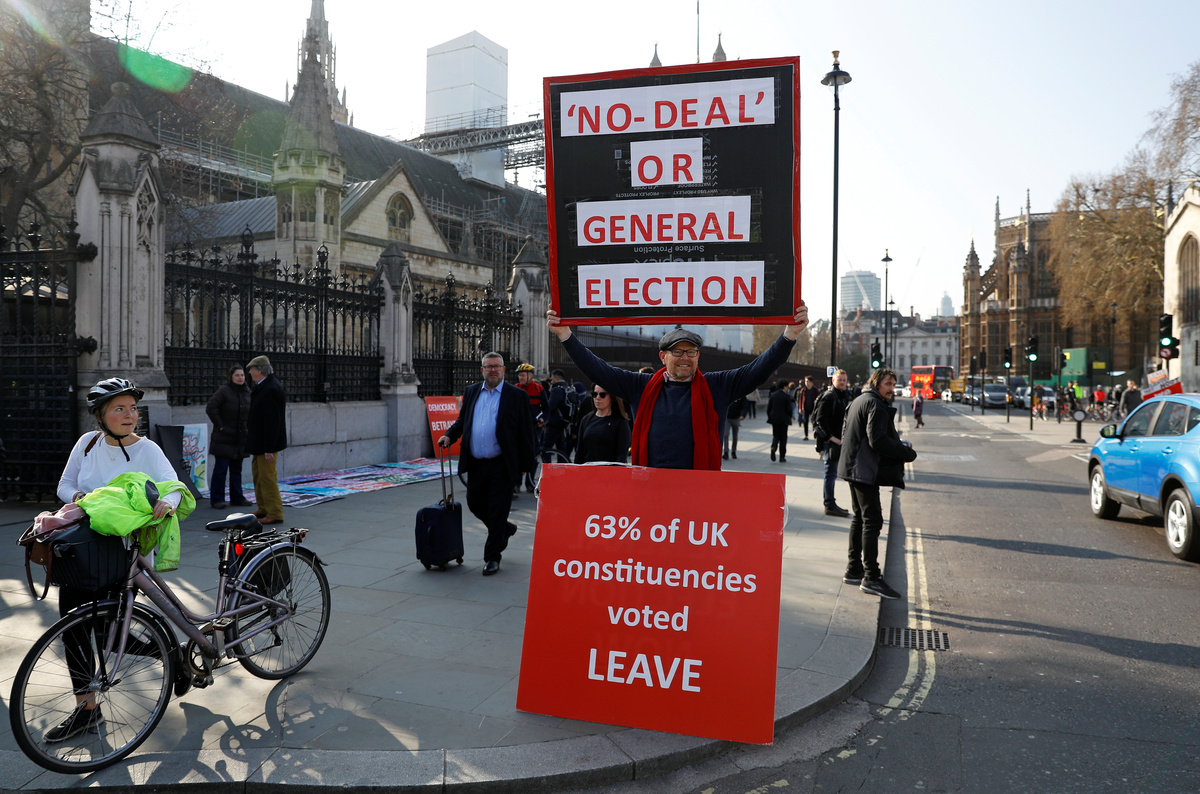
Hundreds of thousands of Britons marched through London last Saturday demanding a second referendum, while on Friday thousands of angry Brexit supporters protested in the capital.
"What should have been a celebration is in fact a day of betrayal," Nigel Farage, a leading Brexit campaigner, told Reuters.
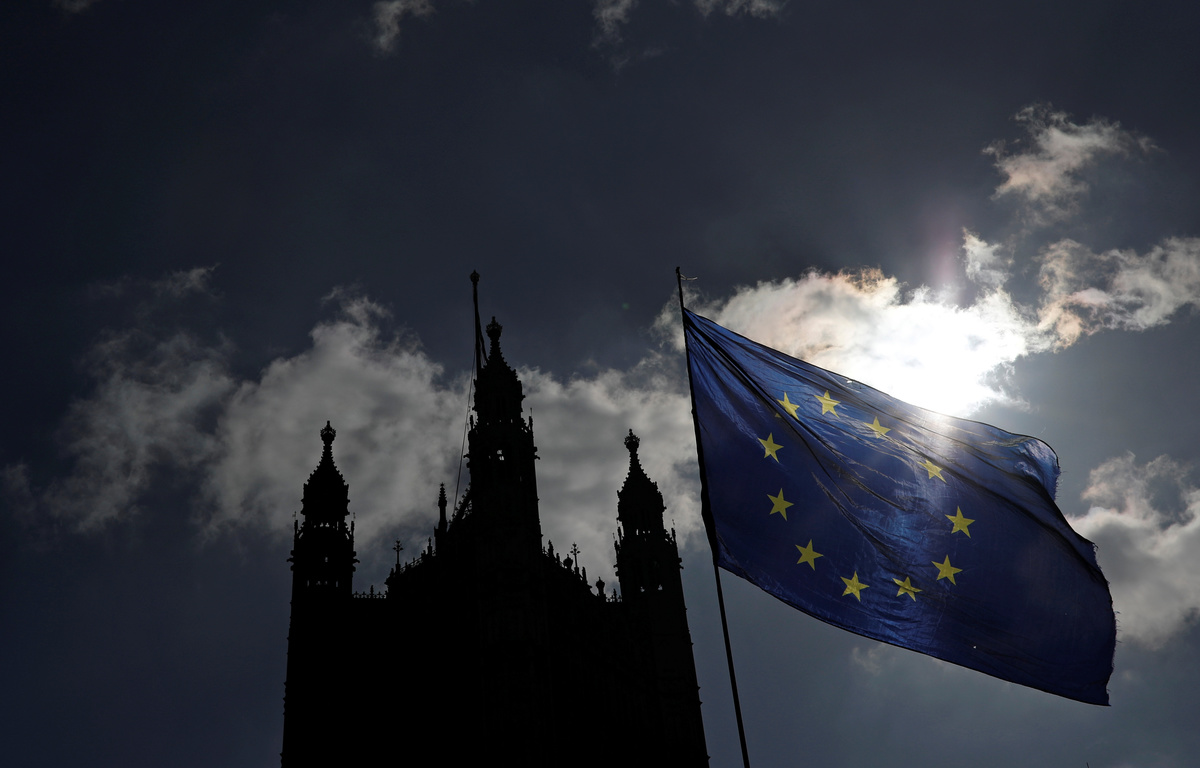
The uncertainty around Brexit, the United Kingdom's most significant political and economic move since World War Two, has left allies and investors aghast.
Opponents fear Brexit will make Britain poorer and divide the West as it grapples with both the unconventional U.S. presidency of Donald Trump and growing assertiveness from Russia and China.
Supporters say that, while the divorce might bring some short-term instability, in the longer term it will allow the United Kingdom to thrive if cut free from what they cast as a doomed project to forge European unity.
(Writing by Michael Holden and Guy Faulconbridge; Additional reporting by Costas Pitas, Kate Holton, Alistair Smout, Andrew MacAskill, Andrew R.C. Marshall, Andy Bruce, William Schomberg and David Milliken; Editing by Kevin Liffey and Rosalba O'Brien)