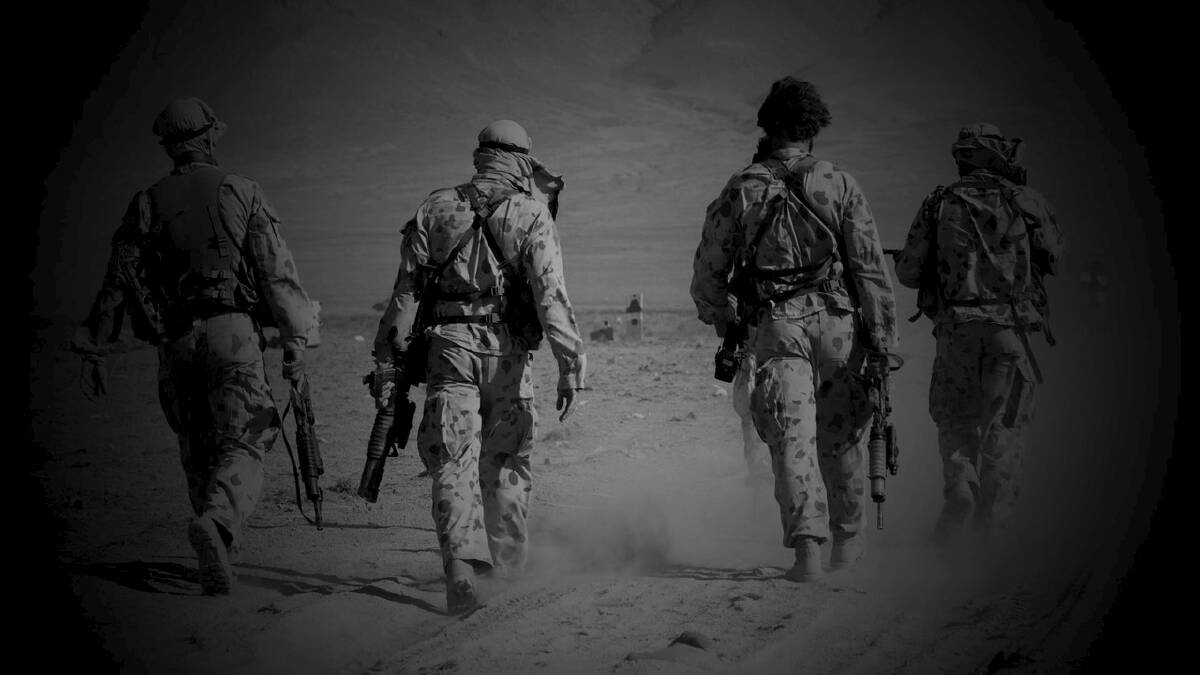
MAJOR General Paul Brereton's report into the conduct of some of our special services soldiers in Afghanistan between 2006 and 2013 has revealed a pattern of behaviour that many Australians will find profoundly disturbing.
While an investigation by the Australian Federal Police will be the next step in the judicial process, Major General Brereton has found that 25 members of the special forces were responsible for 39 deaths that were clearly outside of the rules of engagement: rules that are designed to stop war - as violent as war is by its nature - from becoming an unaccountable free-for-all.
Already, Defence Force chief General Angus Campbell has said that 2 Squadron Special Air Service Regiment - seen as the centre of the "warrior" culture the army now decrees as toxic - will be disbanded and its name expunged.
All of this - and more - may well be necessary.
Certainly, the view within 2 Squadron, and the wider, 600-strong special forces, was far from universal in supporting the previously clandestine behaviour now being exposed for its inhumane cruelty.
For years, the military parried away reports about questionable Australian behaviour in Afghanistan.
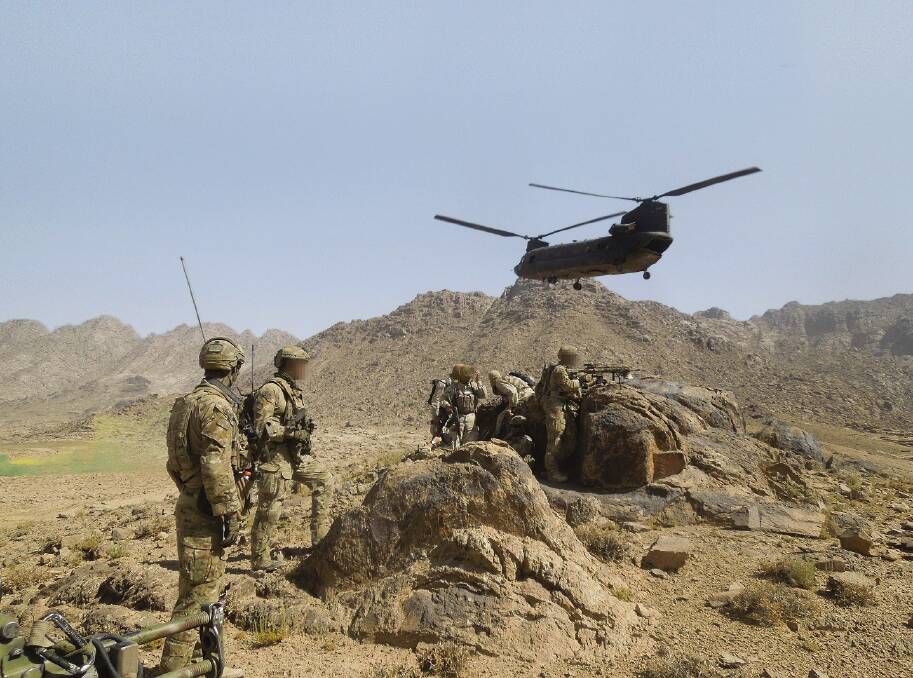
It's quite possible the full picture only emerged because of military whistleblowers, and the subsequent journalism that eventually forced the Army to investigate.
But there is another side to this story - a side that must not be forgotten in the rush to condemn.
Regardless of how the wars in Afghanistan and Iraq have played out, Australia went to war in both places because a terrorist group led by Osama Bin Laden committed atrocities on September 11, 2001.
Islamist terror has operated using "asymmetric warfare": suicide bombers, improvised explosive devices, hiding among civilians and rarely if ever wearing uniform.
Australia's special forces troops have been in situations, witnessing death and injury and violence that most of us could hardly imagine, let alone immerse ourselves in, on the order of superiors running all the way to the government of the day.
The Brereton report exonerates that chain of command, but Joel Fitzgibbon, who was defence minister for 18 months from the end of 2007, says - in our opinion, correctly - that whatever blame is to be attributed, it cannot be to the soldiers alone.
The military, and perhaps our nation itself, has some soul-searching to do.
ISSUE: 39, 469.
IN THE NEWS:
- Catherine Cusack loses her Hunter parliamentary secretary role over vote defiance
- NSW to ease more restrictions, as Premier announces strict permit rules for NYE
-
Government says no staff will be relocated to Newcastle to occupy the building
- Christmas Lights Spectacular granted clearance for 5000 guests per day
- Maitland Hospital in crisis after doctor training accreditation pulled