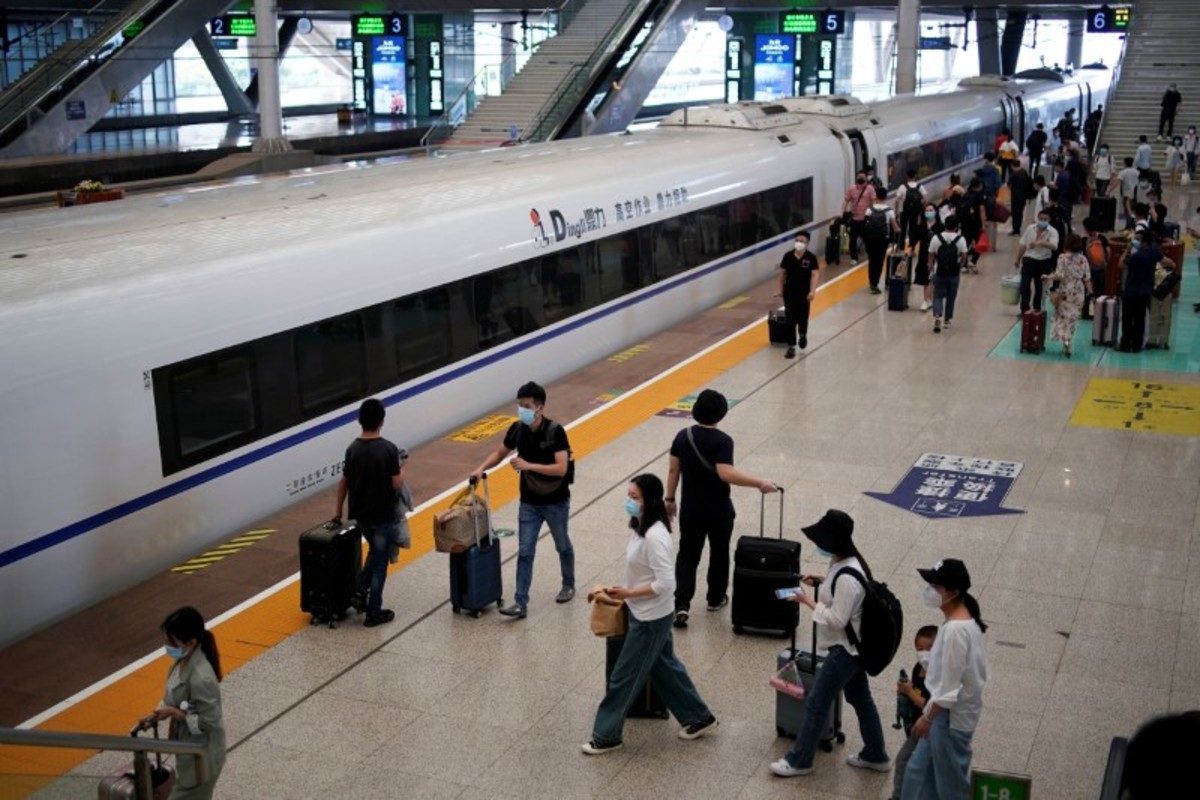
From outbreak to lockdown and reopening, the Chinese city of Wuhan, where the novel coronavirus emerged late last year, has been through all stages of dealing with the health crisis.
Specific characteristics allowed Wuhan to impose some of the tightest restrictions in the world on its 11 million residents until the outbreak was under control.
(Open https://tmsnrt.rs/2Y20DwS in an external browser to see an interactive graphic on Wuhan's blueprint for lifting its lockdown.)
Much of the city, the capital of Hubei province, is organised in residential compounds of apartment blocks, outdoor spaces, convenience stores and other basic services. The compounds are often walled off from the street and gated.
People were restricted to their compounds from Jan. 23 when Wuhan went into a lockdown that lasted 76 days.
Extensive surveillance infrastructure and strict housing registration rules already in place helped to facilitate implementation of the restrictions and the easing of them later.
Now, Wuhan residents live and move under the auspices of coloured QR codes embedded in WeChat and Alipay smartphone apps that use automatically collected travel and medical data.
A green rating allows for unrestricted movement in and out of residential compounds and public areas, while orange and red signify a quarantine for seven and 14 days respectively.
Wuhan also carried out an ambitious campaign to test all of its residents, an effort to boost public confidence and kickstart its economy that cost 900 million yuan ($126 million).
While the city has largely stamped out the virus, officials are unanimous in calling for long-term controls and are investing heavily in testing and population surveillance.
"We need to prepare to make prevention and control work a new normal for a long period," said Liu Dongru, deputy director of the Hubei provincial health commission.
(Reporting by Cate Cadell, Aditi Bhandari and Simon Scarr; Writing by Karishma Singh; Editing by Robert Birsel and Clarence Fernandez)