Brazil's Quilombola people count cost of land rights battle – in pictures
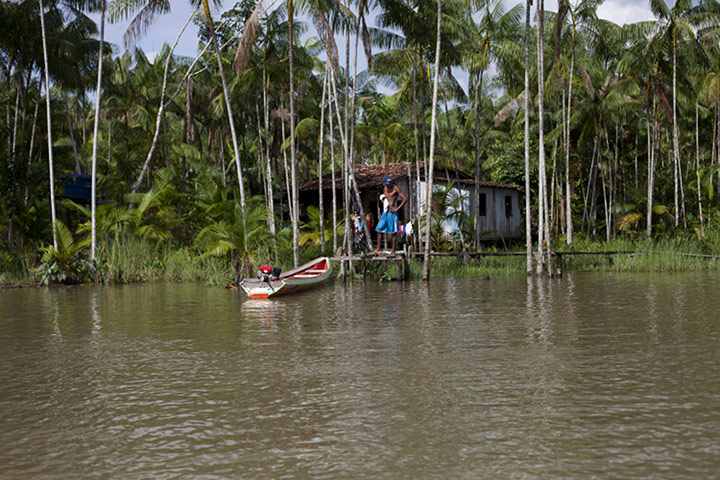
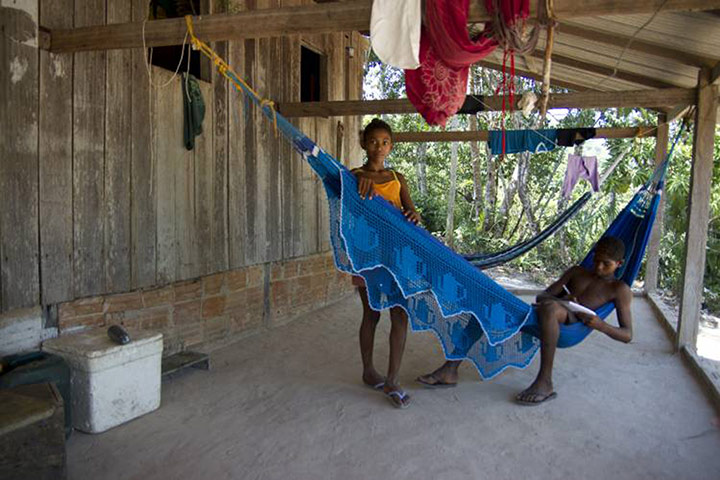
The Quilombola people, descendants of slaves who fled the country’s cotton plantations in the 19th century, live along tributaries of the Amazon river. Despite their quiet and tranquil existence in the forests of northern Brazil, some Quilombola communities are locked in legal battles to keep the land they have inhabited for generationsPhotograph: Tabitha Ross/Christian AidIn 1988, Brazil’s 3,500 Quilombola communities were belatedly given the right to apply for legal ownership of the land they call home. To date, because of conflicting interests with major landowners and big infrastructure projects – not to mention the legal and bureaucratic complexities of the ownership application process – only 6% have secured titles to their land. Some among that seemingly fortunate minority now face an even bigger challengePhotograph: Tabitha Ross/Christian AidBecause the law is set up to encourage farming in the agricultural south, Quilombola communities granted land titles are potentially subject to a high rate of tax. As most Quilombola live simply, making a modest living from gathering and selling forest products such as Brazil nuts and açai berries, the government deems their land 'unproductive' and therefore subject to an especially high rate of taxPhotograph: Tabitha Ross/Christian Aid
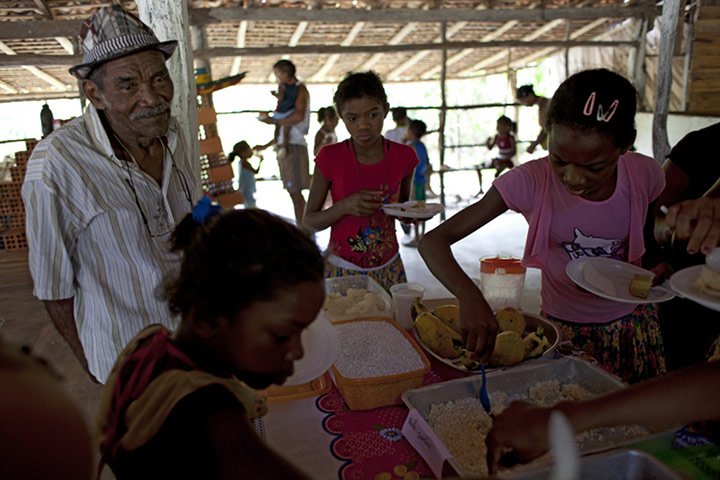
The Quilombola rely heavily on Brazil nuts for nutrition and income. At harvest time, the entire village decamps to the forest for several weeks to collect the nuts. Unfortunately, the Quilombola lack the technology to remove the nuts from their shells intact and at scale. Unable to process them for themselves, they are obliged to sell them to middle men at a fraction of their true valuePhotograph: Tabitha Ross/Christian AidThis community near Abaetetuba, a town not far from the northern city of Belém in Para state, are disputing a land tax debt of more than £4m. Since their only asset is their land, from which they can earn only a subsistence income, they have no hope of ever paying their bill and as a result could face evictionPhotograph: Tabitha Ross/Christian AidChristian Aid's partner, the Pro-Indian Commission of São Paulo (CPI), has hired a well-known firm of lawyers to do a pro-bono defence of the community against the tax demand. However, the lawyers believe it could take 10 to 20 years to resolve the tax dispute and meanwhile, the community's tax debt will continue to rise. The same law firm has started a second legal case, calling for the tax debt to be extinguishedPhotograph: Tabitha Ross/Christian AidIn other parts of the Amazon, Quilombola communities who have been waiting for years for the full extent of their lands to be legally titled are also in danger of losing parts of their land, to mining companies. Quilombola activist Domingos Printes says: 'We are worried because the company has money and power.' His community, with help from CPI, has already fought to prevent a timber company from deforesting their landPhotograph: Tabitha Ross/Christian AidCPI is helping Quilombola communities to win the collective titles to their lands, to contest unfair tax bills and to protect themselves against threats from illegal timber, mining companies and the construction of damsPhotograph: Tabitha Ross/Christian Aid
Sign up to read this article
Read news from 100's of titles, curated specifically for you.