Brazil's mangroves on the front line of climate change
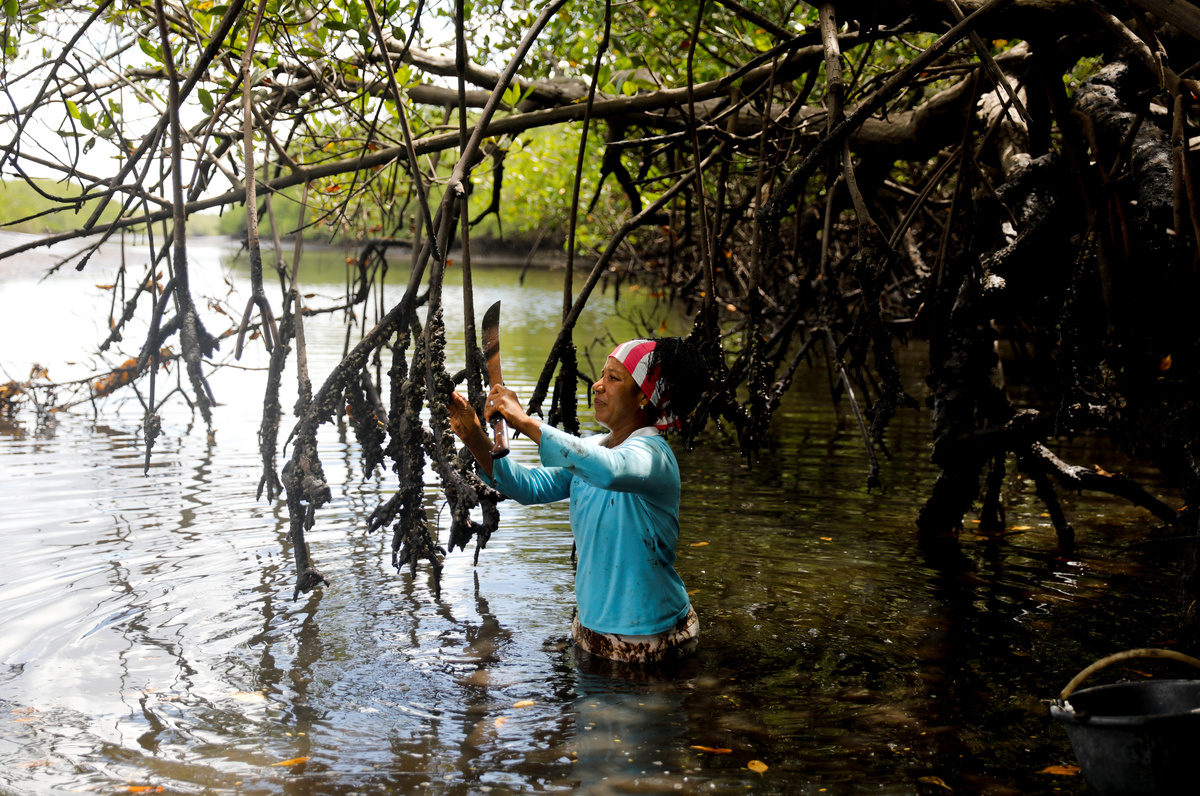
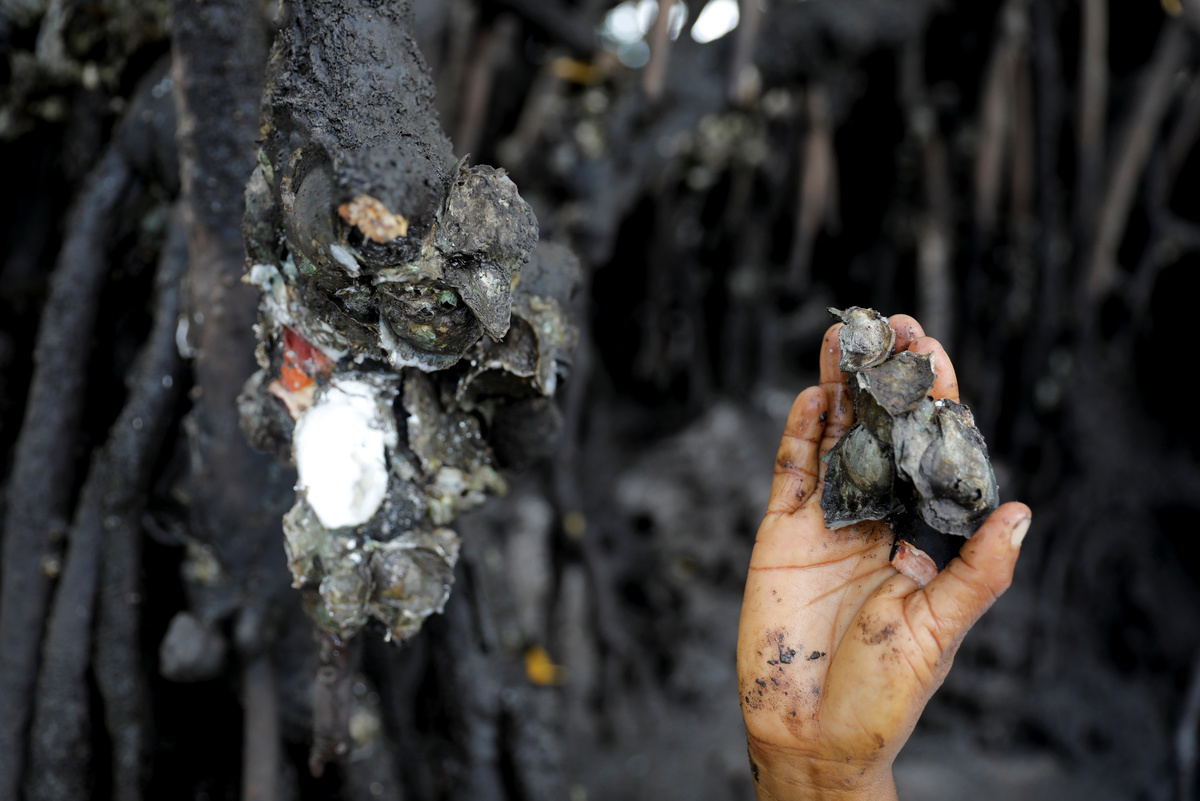
Vandeka, wife of fisherman Jose da Cruz, harvests mangrove oysters on the Caratingui river, in Cairu, state of Bahia, Brazil, April 5, 2019. REUTERS/Nacho Doce
CAIRU, Brazil (Reuters) - Fishermen like Jose da Cruz have made their living for decades hunting for crabs among Brazil's vast coastal mangrove forests, dense thickets of twisted plants in deep black mud that grow where fresh-water rivers meet the brackish Atlantic Ocean.
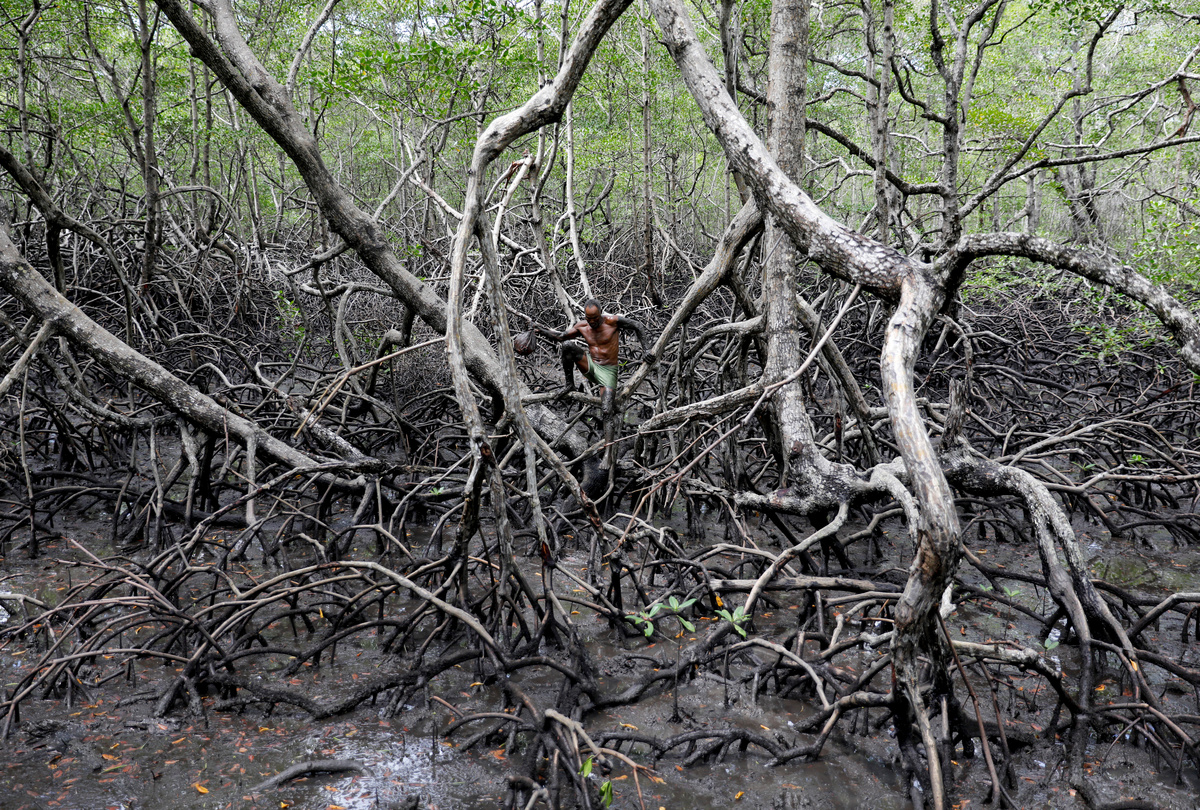
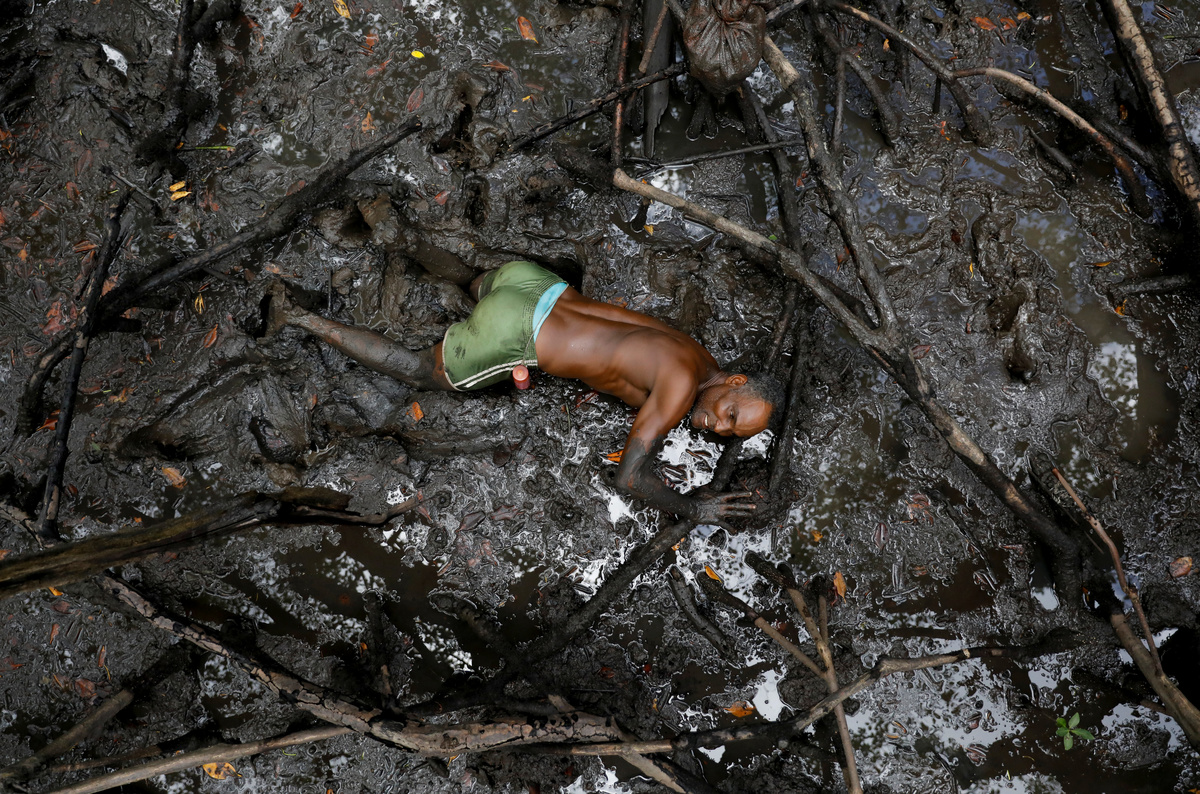
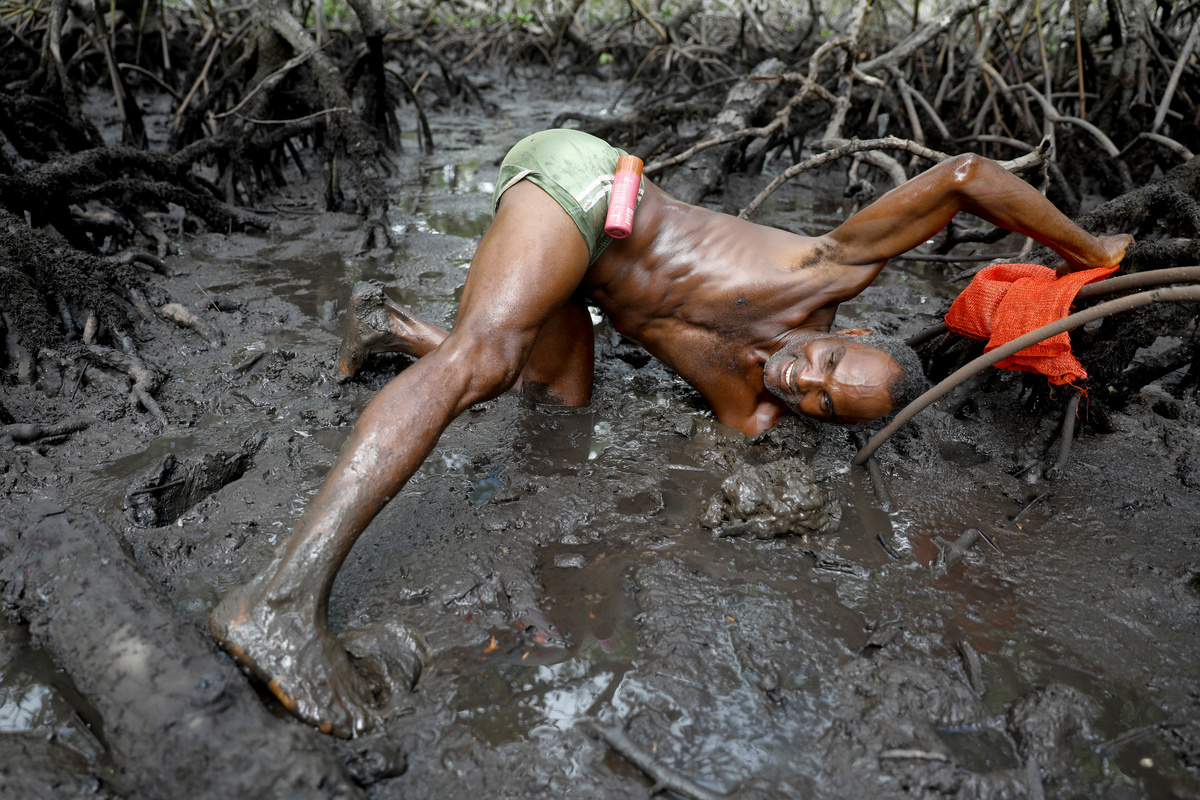
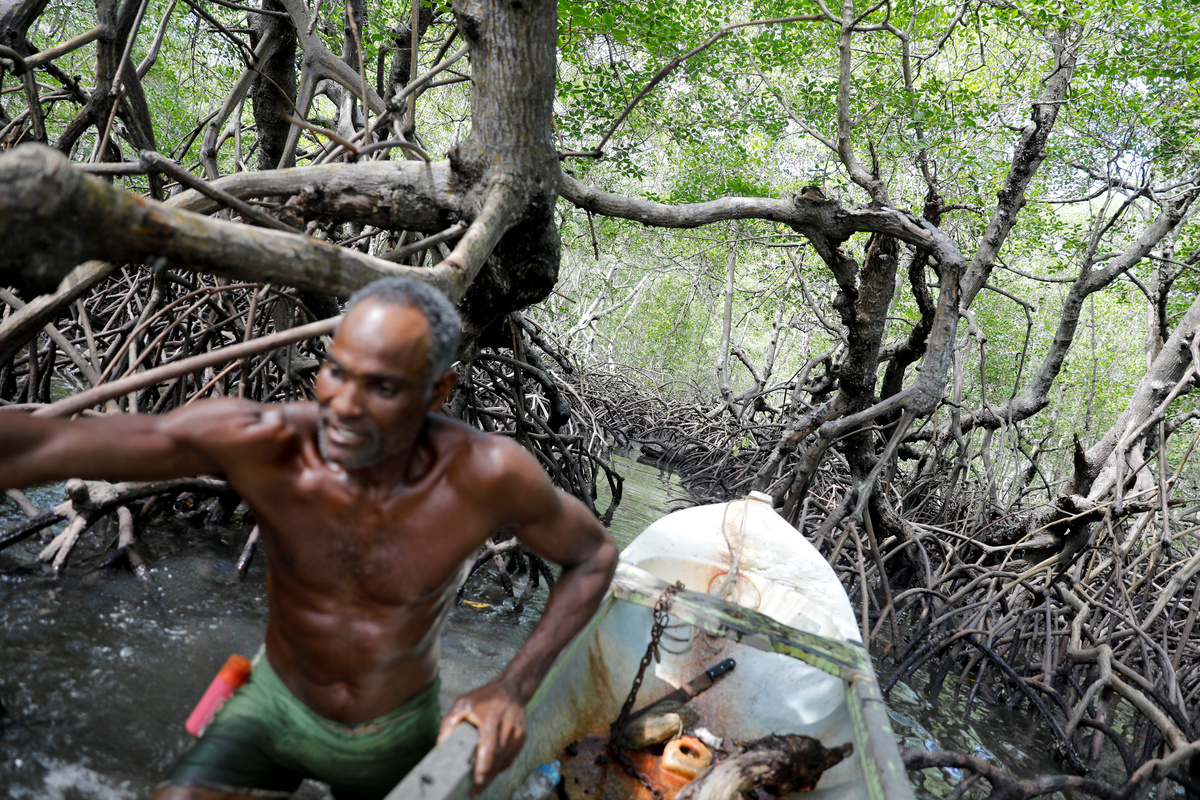
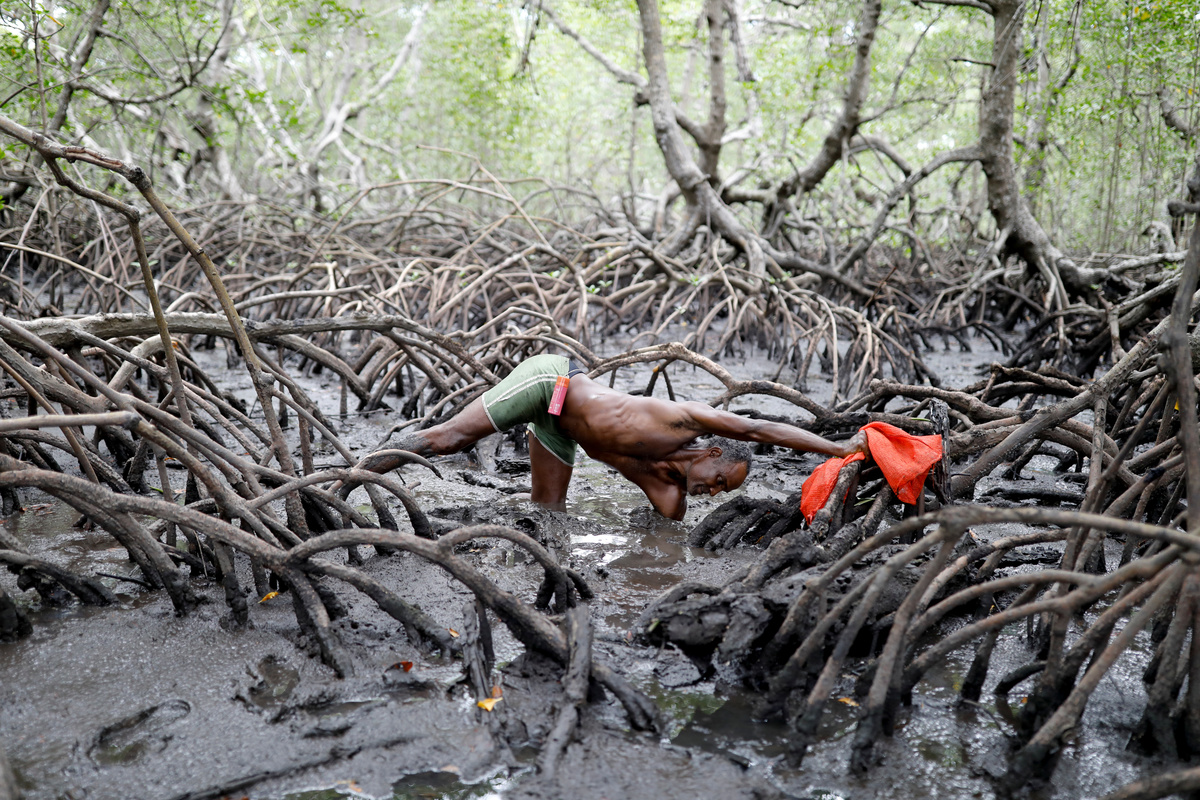
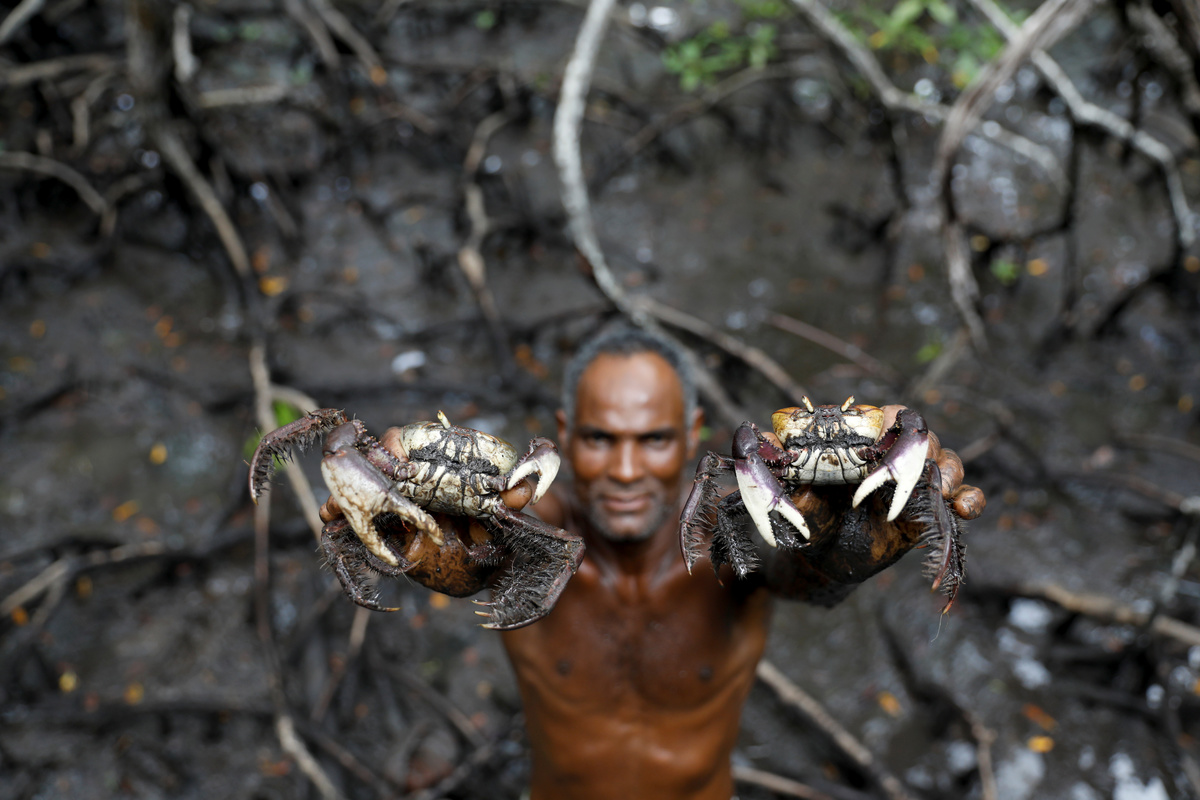
Cruz, who is known by the nickname Vampire because of his distinctive teeth, doesn't use a rod and reel or a net. Instead he parks his two-foot-wide boat at the shore of the Caratingui river and wends his way on foot through the tangle of mangroves to dig out crabs with his hands from the dark muck.
Fisherman Jose da Cruz, who is known by the nickname Vampire because of his distinctive teeth, walks holding a sack filled with crabs he caught at mangrove forests on the Caratingui river, in Cairu, state of Bahia, Brazil, April 3, 2019. REUTERS/Nacho Doce
He slowly begins to blend into his surroundings as he becomes increasingly caked in mud, sometimes lying flat to submerge his arm in search of crabs. He pulls out two of the spikey-legged creatures, larger than his hands.
The four or five dozen he captures in a day will earn Cruz about 200 reais ($50) per week, enough to get by, he said.
But this tenuous livelihood is facing a series of threats, including rapid alterations to the environment caused by climate change, and Cruz's average daily catch is half of what it was 10 years ago. In that time, the water line has advanced 3 meters inland from where it used to be, according to Cruz.
Fisherman Jose da Cruz, who is known by the nickname Vampire because of his distinctive teeth, catches crabs inside mangrove forests on the Caratingui river, in Cairu, state of Bahia, Brazil, April 3, 2019. REUTERS/Nacho Doce
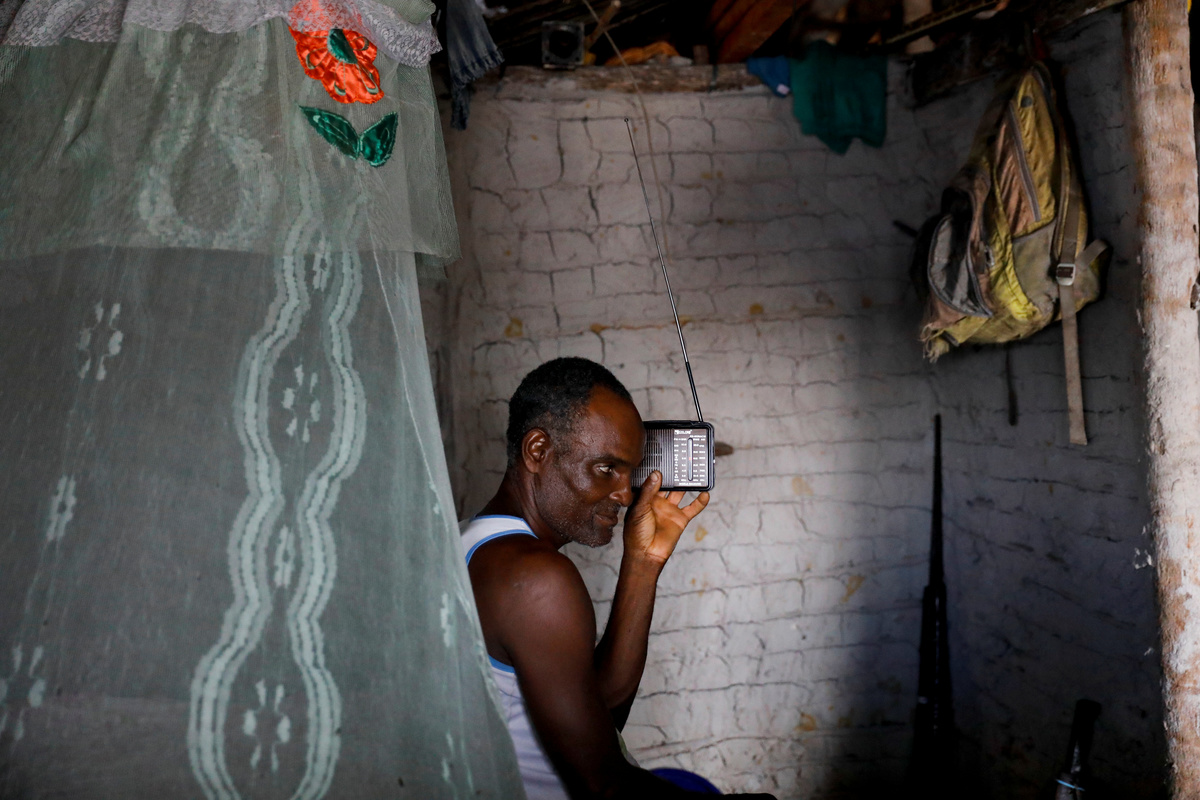
A battery-powered radio may be his principal connection to the outside world, but Cruz knows about global warming.
"Nature is upset. ... In Antarctica, it's melting, nature is melting," he said. "People, you have to have some awareness about what is happening. It's clear what is happening."
Climate scientists lend credence to Cruz's interpretation of what he sees. Rising water levels, they say, are a sign of global warming, which also causes water temperatures to rise, killing off some marine life.
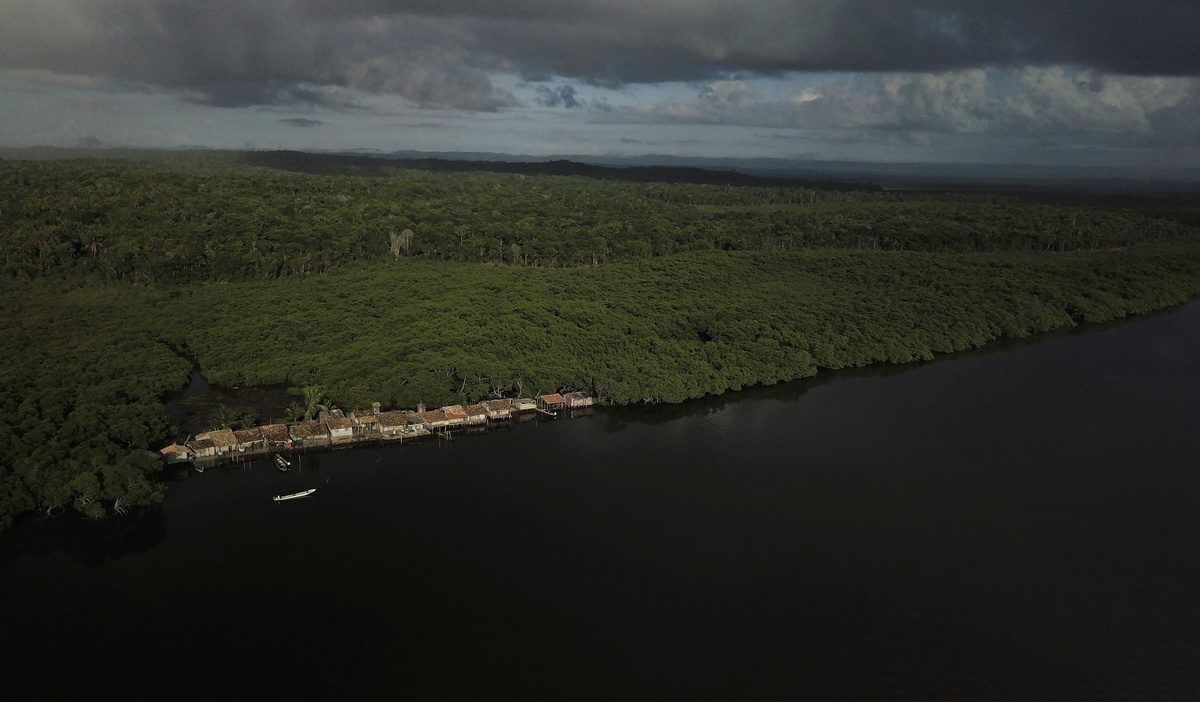
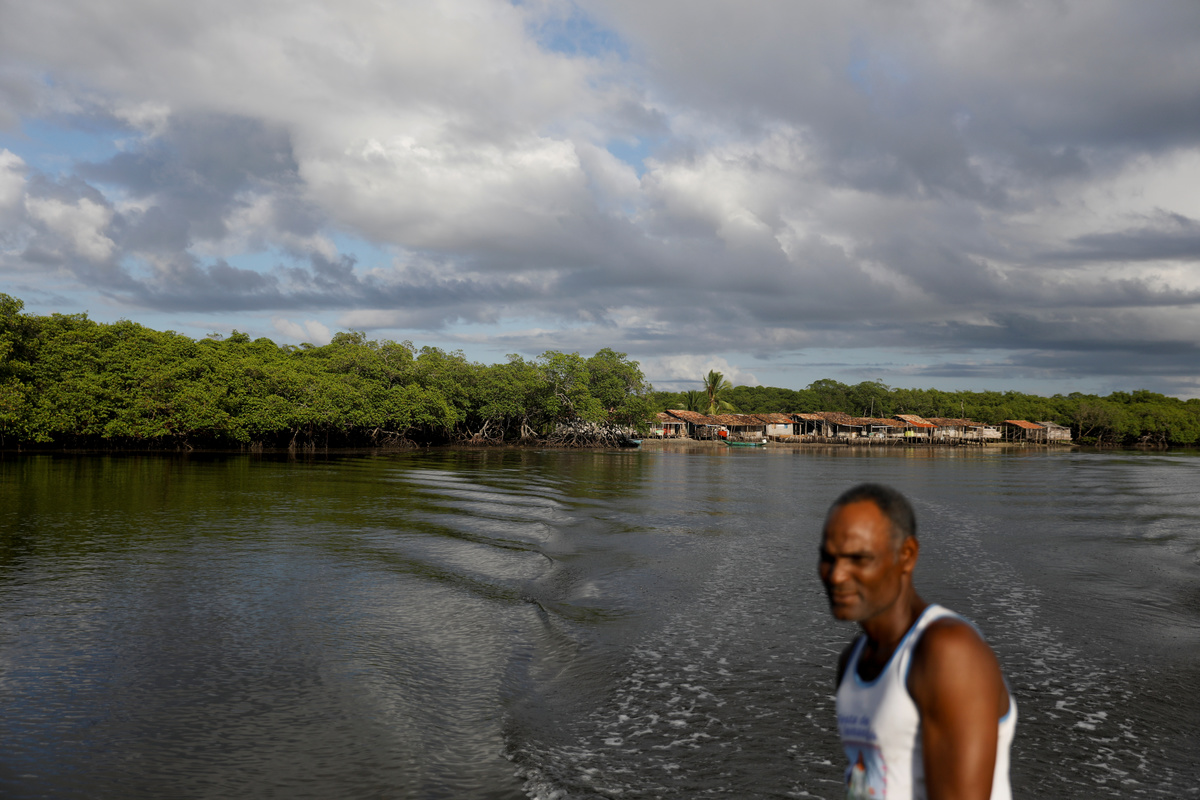
Unofficial community known as "The Train" because the mud houses are arranged single file along the edge of the Caratingui river like train cars, is seen next to mangrove forests, in Cairu, state of Bahia, Brazil April 5, 2019. REUTERS/Nacho Doce
Globally, scientists have warned that water temperatures are increasing far faster than expected, which drives rising sea levels. Climate change and human development are putting 1 million species, a large share of which live in marine environments, at risk of extinction, according to a report published this year.
These changes in turn are threatening the dozen or so families in Cruz's village that depend on the coastal ecosystem.
His unofficial community is known as "The Train" because the mud houses are arranged single file along the edge of the Caratingui river like train cars. The low-lying island, otherwise covered in mangroves, is quickly receding under the water.
Fisherman Jose da Cruz, who is known by the nickname Vampire because of his distinctive teeth, catches crabs inside mangrove forests on the Caratingui river, in Cairu, state of Bahia, Brazil, April 4, 2019. REUTERS/Nacho Doce
Water levels have risen 20-30 centimeters over the past 100 years in coastal Bahia state, where Cairu is located, according to climate researcher Carlos Nobre at the University of Sao Paulo.
Mangroves cover 13,989 square kilometers along Brazil's coast - an area larger than the U.S. state of Maryland - and are a vital protection against climate change, according to biologist Renato de Almeida with the nearby Federal University of Reconcavo da Bahia.
One acre of the ecosystem absorbs as much or more carbon dioxide as a similar area of Amazon rainforest, he said.
Vandeka, wife of fisherman Jose da Cruz, harvests mangrove oysters on the Caratingui river, in Cairu, state of Bahia, Brazil, April 5, 2019. REUTERS/Nacho Doce
They protect the coast from eroding as intense storms grow more frequent as climates shift, the two scientists say. The plants themselves are resilient, following water levels as they rise, but creatures like the crabs and oysters that Cruz harvests less so.
Global warming is causing water temperatures to rise, which can kill off crabs and other animals in their food chain if it becomes hotter than the narrow range they are adapted to, Almeida said. Hotter water is also more acidic, which corrodes the shells of crabs and other marine life, he said.
To be sure, global warming is not the only threat. Overfishing - by fishermen exactly like Cruz - is likely also a major reason for the decline in the crab and other fish populations as urban demand for seafood expands, Almeida said.
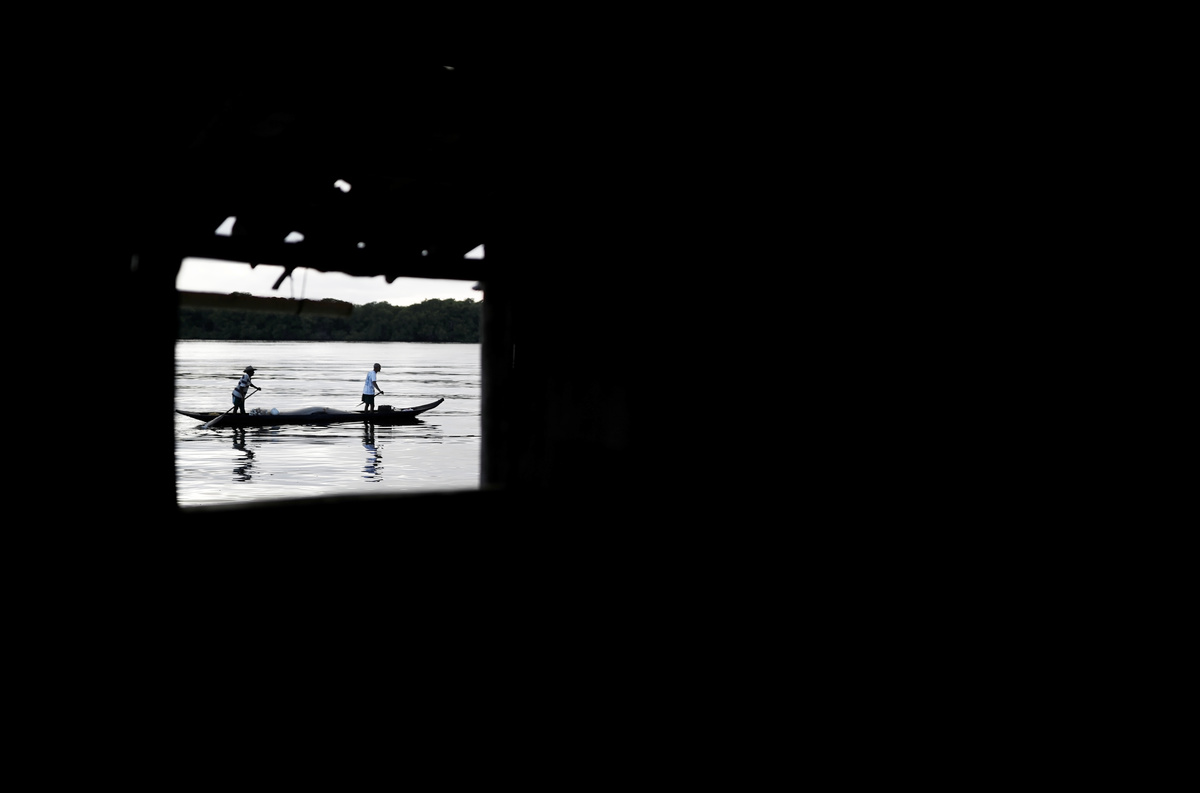
Fishermen riding their boats are seen through a window of fisherman Jose da Cruz, on the Caratingui river, in Cairu, state of Bahia, Brazil, April 3, 2019. REUTERS/Nacho Doce
Growing tourism has led to the clearing of mangroves to make way for small inns and piers that pop up along the coast, the researchers said. Increased traffic can disrupt oysters from growing on riverbanks and the constant inundation from passing vessels can erode the attachment of mangroves to the soil.
Areas like The Train will face more rapid change in the years to come. Even if all greenhouse gas emissions were halted today, water levels could rise another 2 or 3 meters in the next 200 years, 10 times as much as the last hundred, according to Nobre.
"It's not just here. It's not just me. There are many fishermen that depend on getting food from the mangroves day-to-day," Cruz said.
Fisherman Jose da Cruz, who is known by the nickname Vampire because of his distinctive teeth, leaves mangrove forests after catching crabs on the Caratingui river, in Cairu, state of Bahia, Brazil, April 3, 2019. REUTERS/Nacho Doce
(Click on https://reut.rs/2JAly5N to see a related photo essay)
Fisherman Jose da Cruz, who is known by the nickname Vampire because of his distinctive teeth, catches crabs inside mangrove forests on the Caratingui river, in Cairu, state of Bahia, Brazil, April 2, 2019. REUTERS/Nacho Doce
(Reporting by Nacho Doce and Pablo Garcia; Writing by Jake Spring; Editing by Leslie Adler)
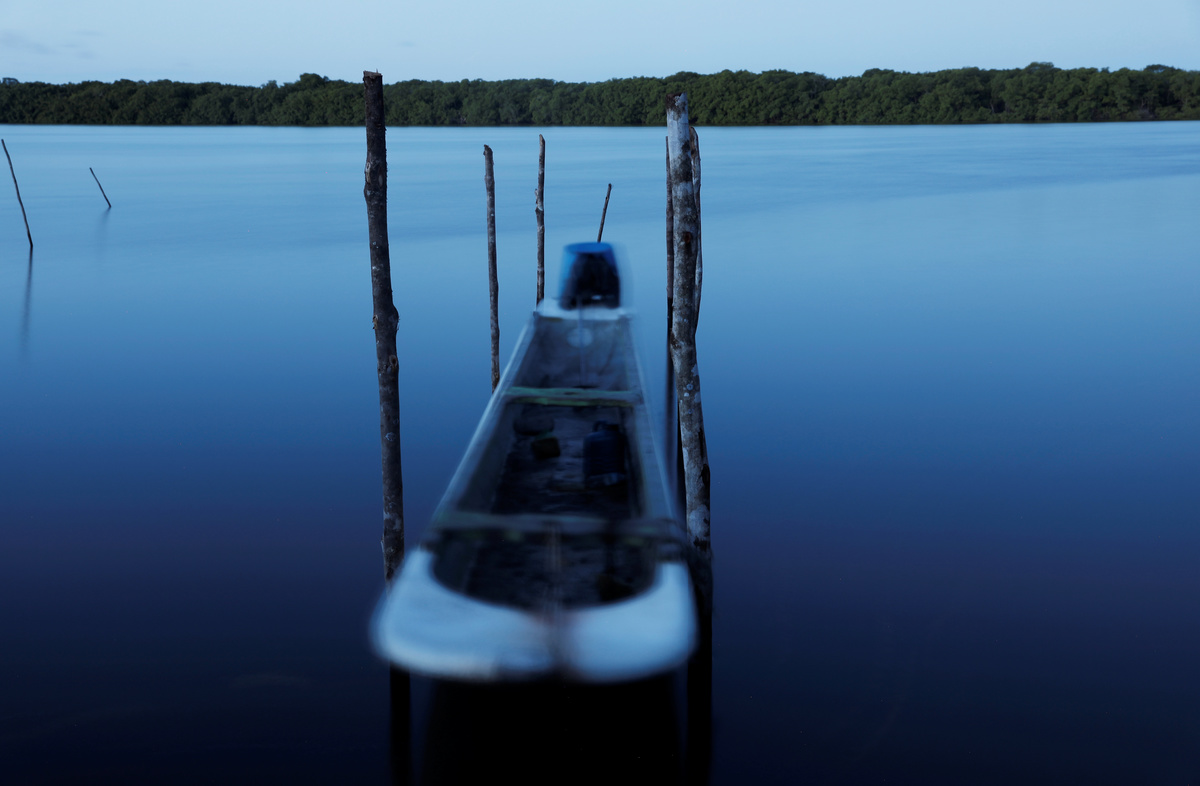
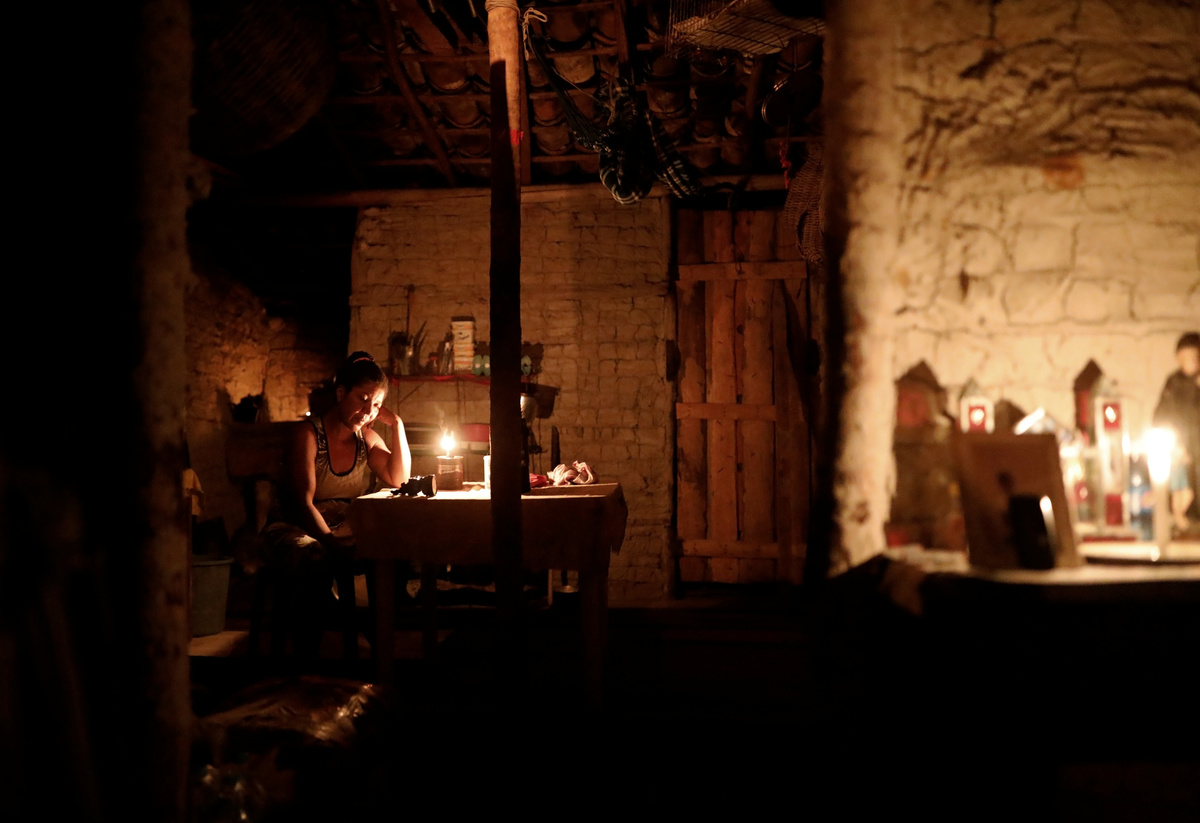
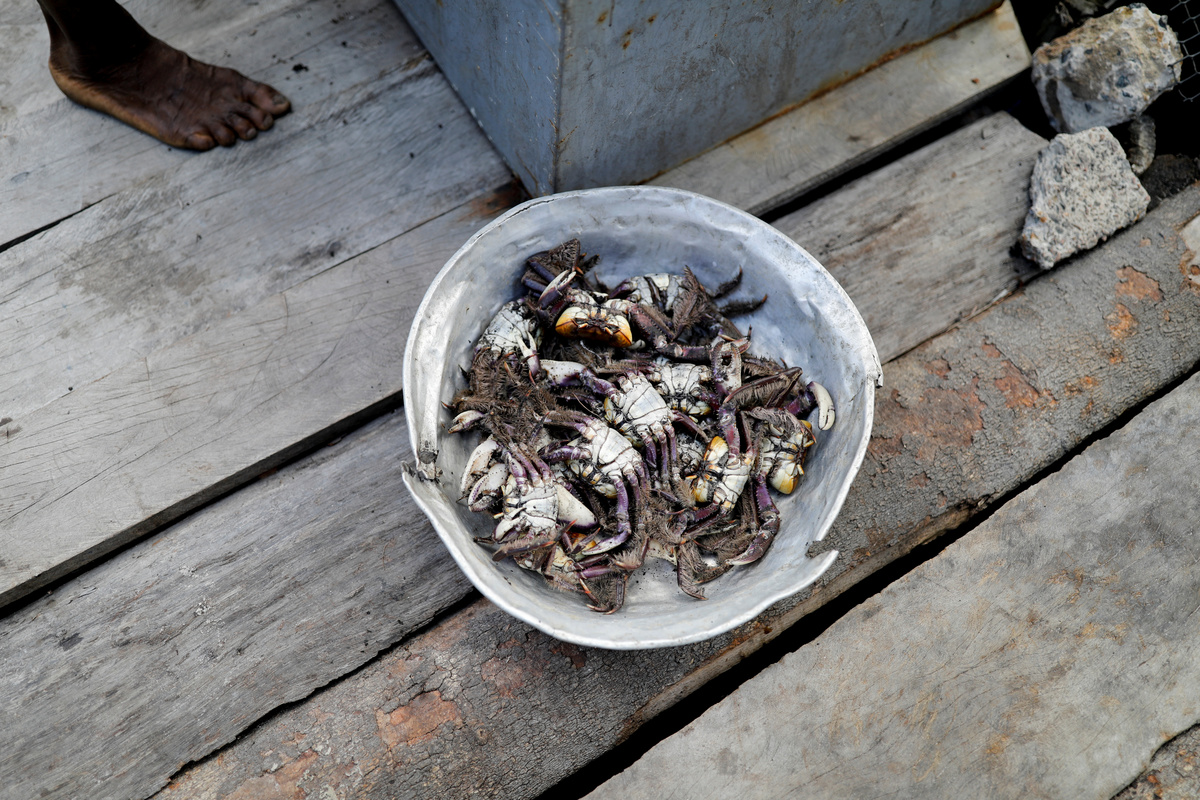
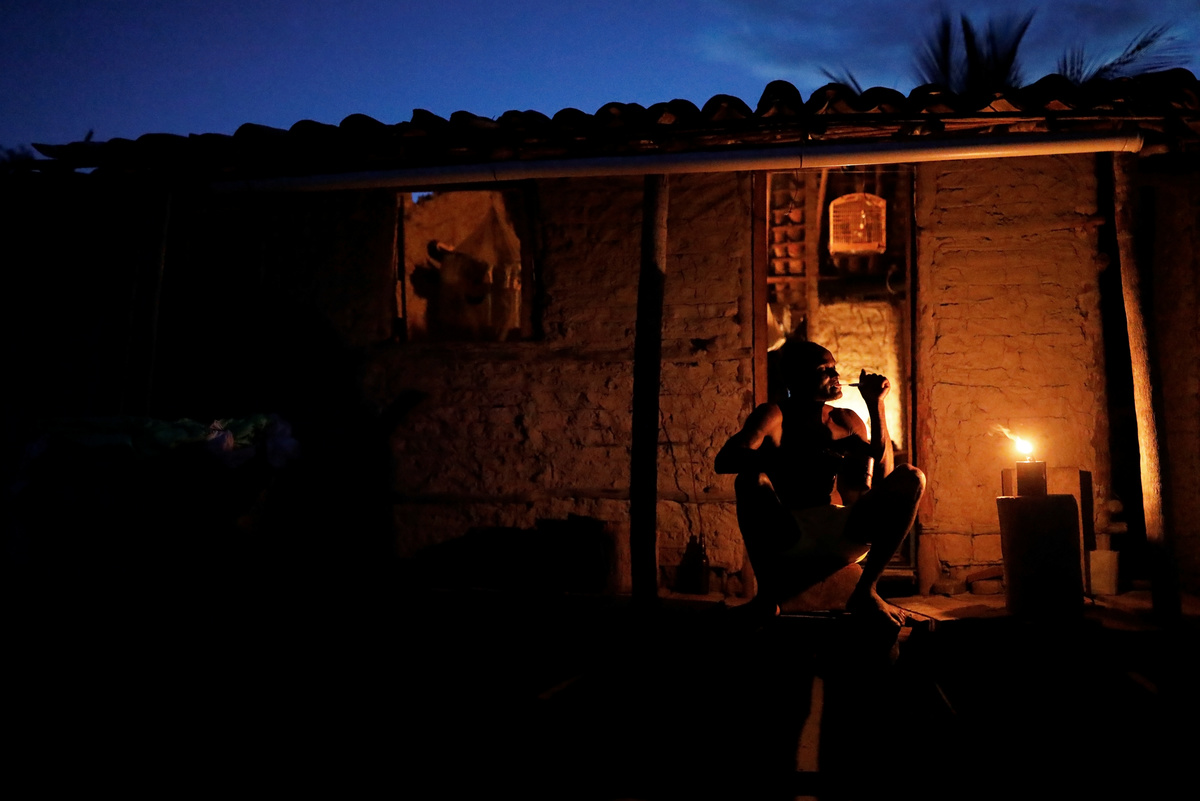
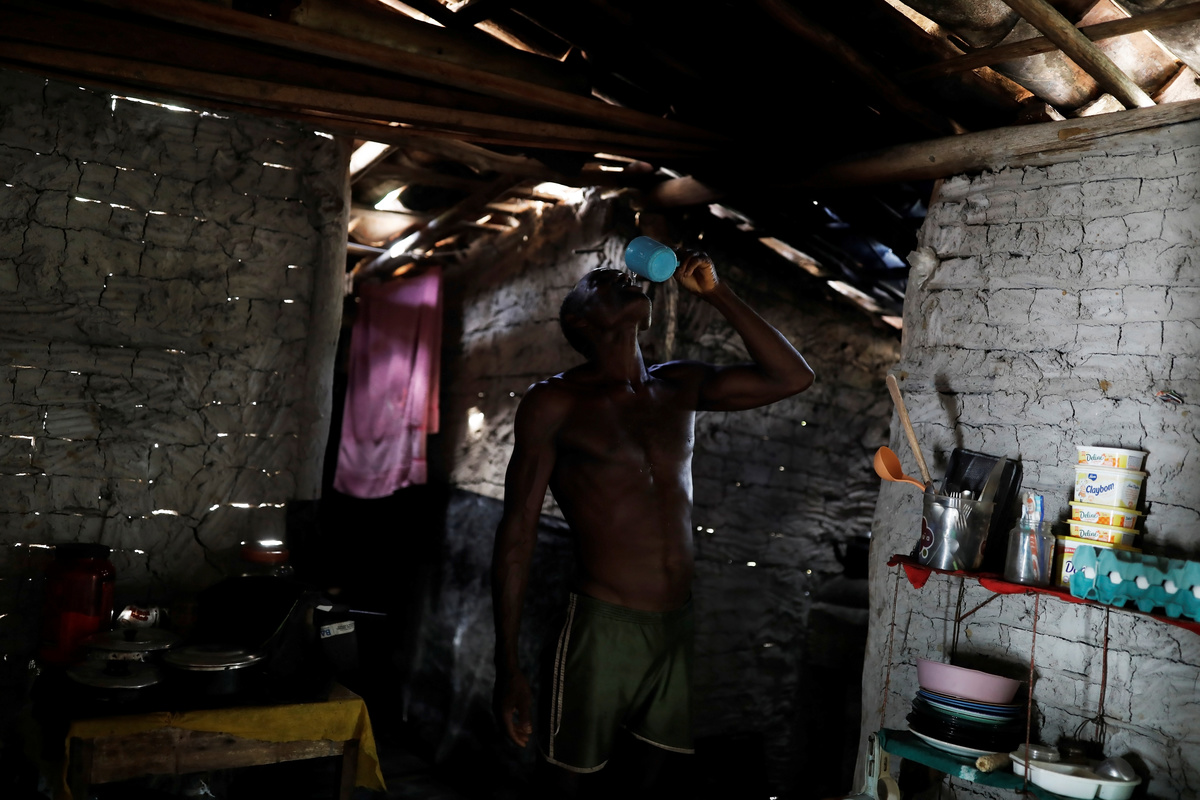
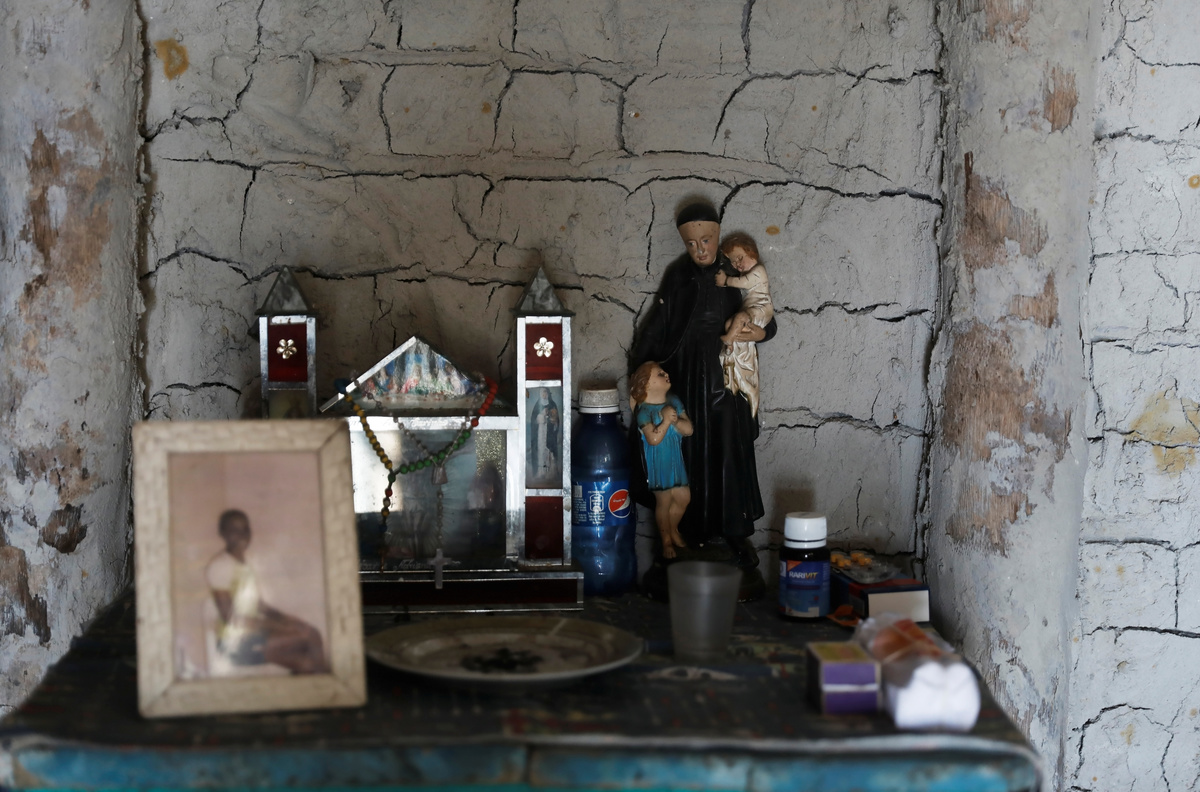
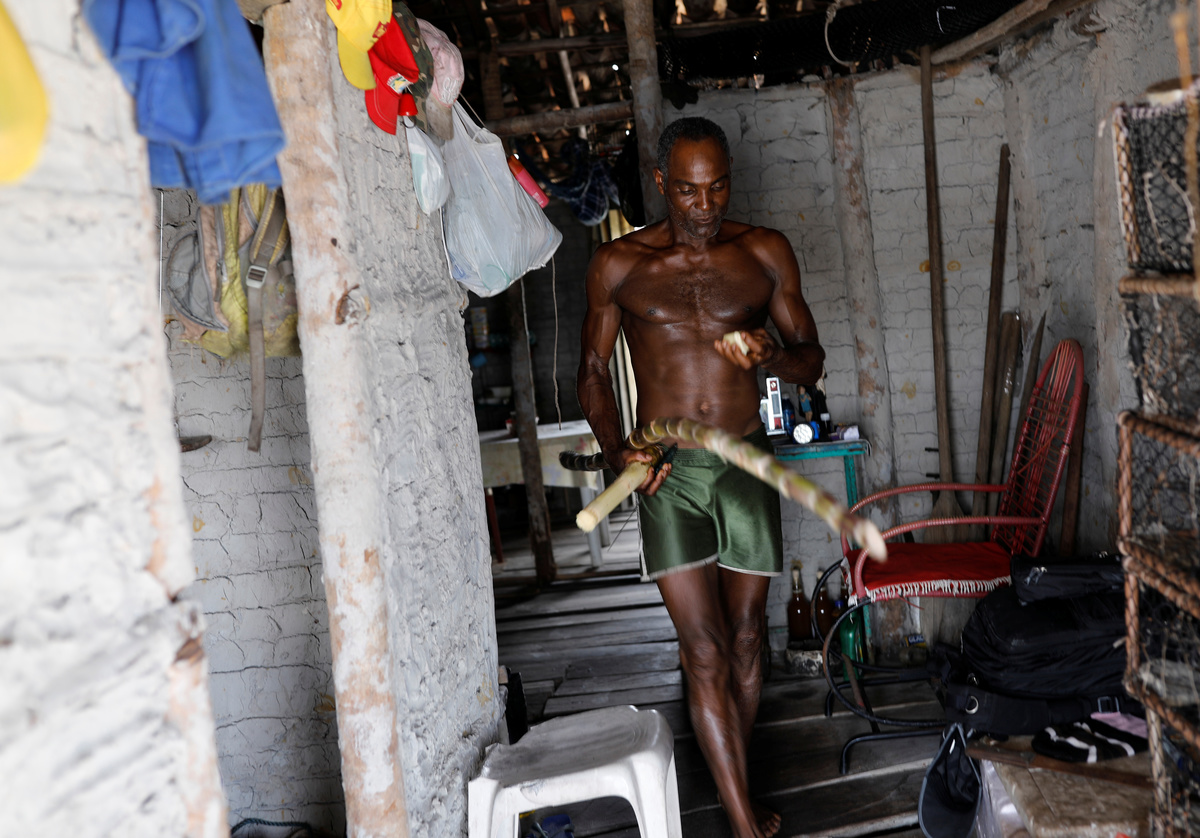
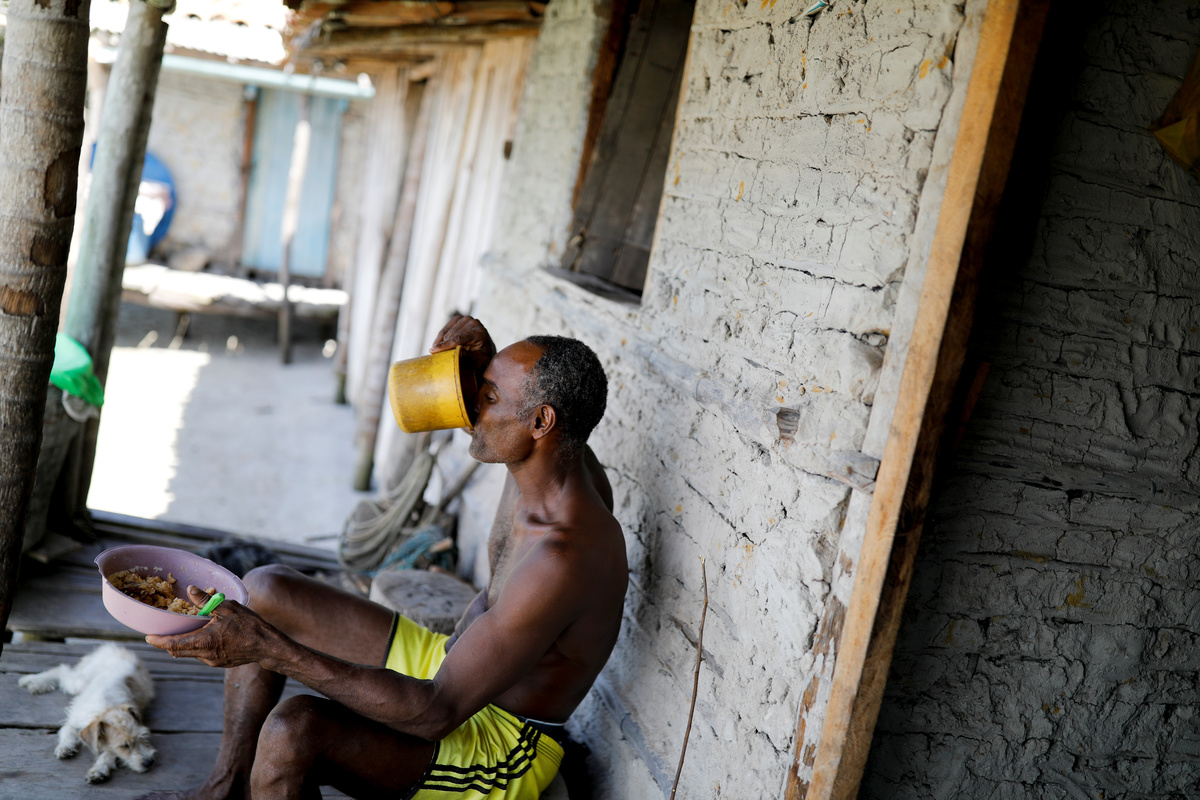
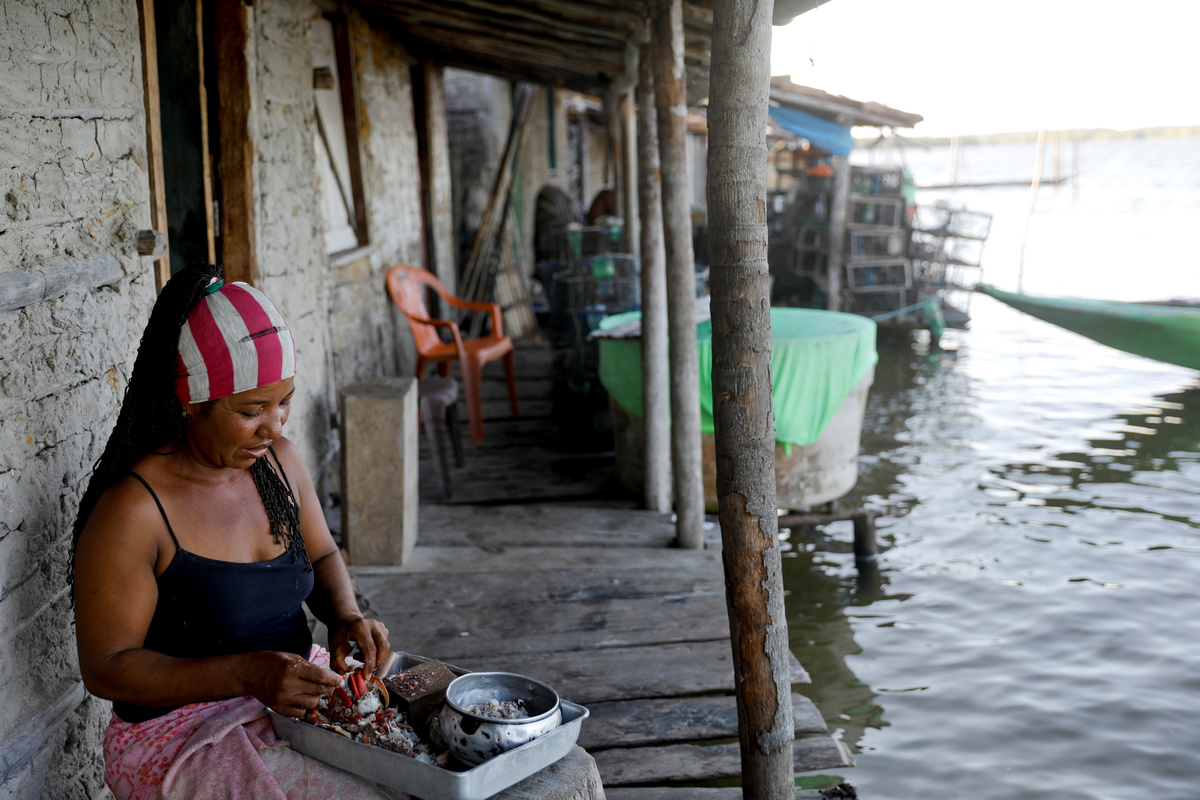
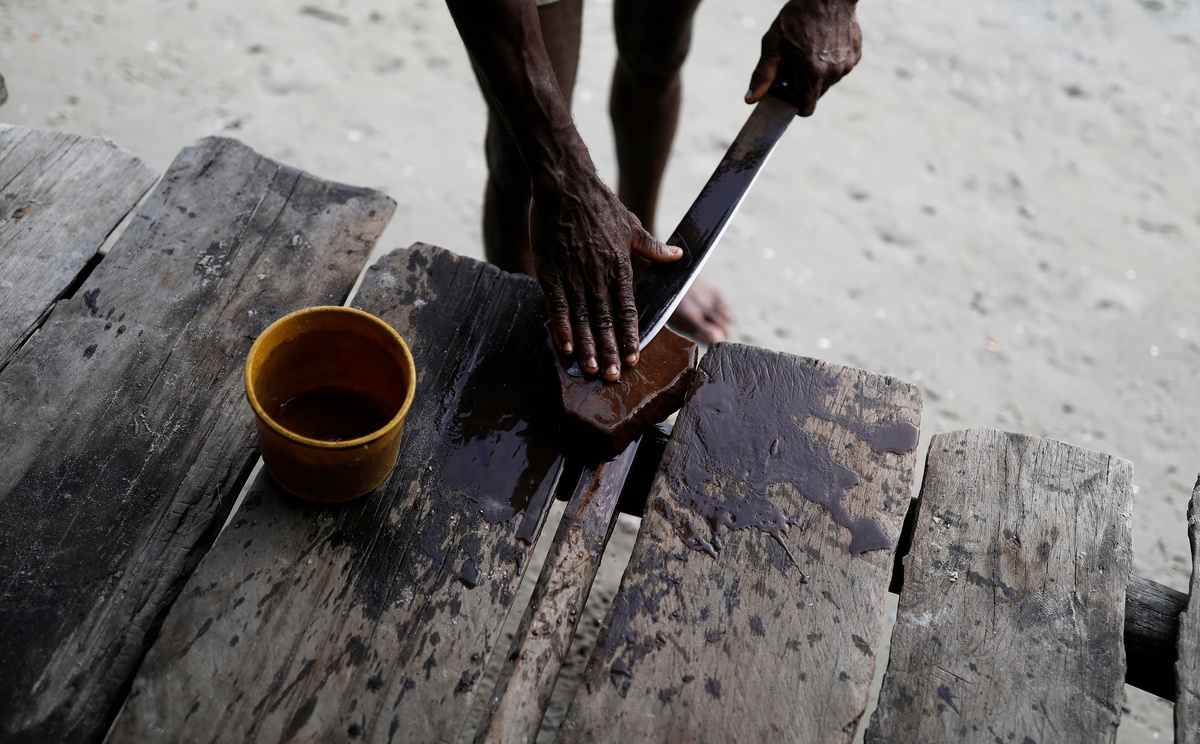
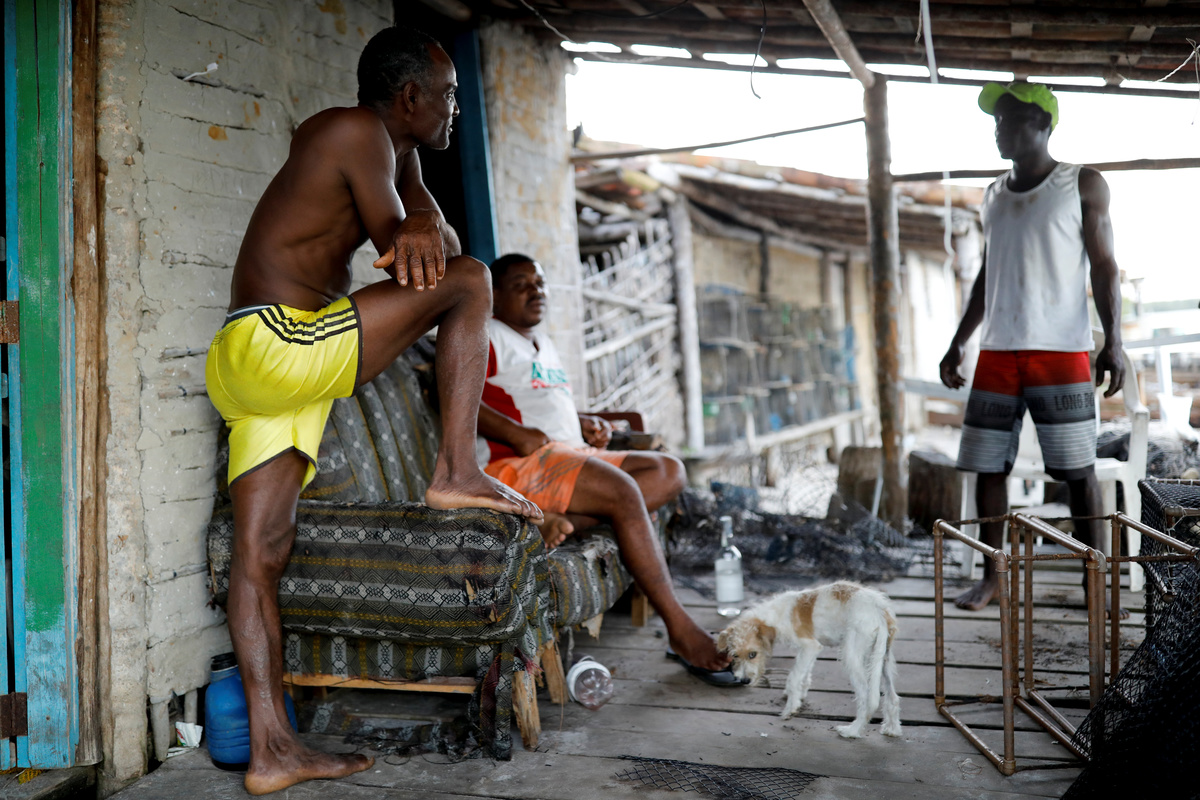
Fisherman Jose da Cruz, who is known by the nickname Vampire because of his distinctive teeth, rides his boat towards mangrove forests to catch crabs on the Caratingui river, in Cairu, state of Bahia, Brazil, April 3, 2019. REUTERS/Nacho Doce The boat belonging to fisherman Jose da Cruz, who is known by the nickname Vampire because of his distinctive teeth, floats outside his house on the Caratingui river, in Cairu, state of Bahia, Brazil, April 4, 2019. REUTERS/Nacho Doce Vandeka, wife of fisherman Jose da Cruz, sits inside her house, in Cairu, state of Bahia, Brazil, April 2, 2019. REUTERS/Nacho Doce Fisherman Jose da Cruz, who is known by the nickname Vampire because of his distinctive teeth, stands next to a tub with crabs outside his house, in Cairu, state of Bahia, Brazil, April 2, 2019. REUTERS/Nacho Doce Fisherman Jose da Cruz, who is known by the nickname Vampire because of his distinctive teeth, brushes them at the entrance of his house, in Cairu, state of Bahia, Brazil, April 2, 2019. REUTERS/Nacho Doce Fisherman Jose da Cruz, who is known by the nickname Vampire because of his distinctive teeth, drinks water inside his house, in Cairu, state of Bahia, Brazil, April 2, 2019. REUTERS/Nacho Doce A shrine is seen inside the house of fisherman Jose da Cruz and his wife Vandeka in Cairu, state of Bahia, Brazil, April 4, 2019. REUTERS/Nacho Doce Fisherman Jose da Cruz, who is known by the nickname Vampire because of his distinctive teeth, listens to the radio inside his house, in Cairu, state of Bahia, Brazil, April 5, 2019. REUTERS/Nacho Doce Fisherman Jose da Cruz, who is known by the nickname Vampire because of his distinctive teeth, holds crabs that he caught inside mangrove forests on the Caratingui river, in Cairu, state of Bahia, Brazil, April 3, 2019. REUTERS/Nacho Doce .Fisherman Jose da Cruz, who is known by the nickname Vampire because of his distinctive teeth, holds sugar cane inside his house, in Cairu, state of Bahia, Brazil, April 2, 2019. REUTERS/Nacho Doce Fisherman Jose da Cruz, who is known by the nickname Vampire because of his distinctive teeth, eats at the entrance of his house, in Cairu, state of Bahia, Brazil, April 2, 2019. REUTERS/Nacho Doce Vandeka, wife of fisherman Jose da Cruz, peels crabs to make moqueca, Brazilian food, outside her house, in Cairu, state of Bahia, Brazil, April 3, 2019. REUTERS/Nacho Doce Fisherman Jose da Cruz, who is known by the nickname Vampire because of his distinctive teeth, sharpens his knife outside his house, in Cairu, state of Bahia, Brazil, April 2, 2019. REUTERS/Nacho Doce Fisherman Jose da Cruz, who is known by the nickname Vampire because of his distinctive teeth, talks with neighbours outside his house, in Cairu, state of Bahia, Brazil, April 2, 2019. REUTERS/Nacho Doce The radio of fisherman Jose da Cruz and his wife Vandeka is seen inside their his house, in Cairu, state of Bahia, Brazil, April 2, 2019. REUTERS/Nacho Doce
Sign up to read this article
Read news from 100’s of titles, curated specifically for you.