Brazil power plant construction paralyzed by indigenous protesters
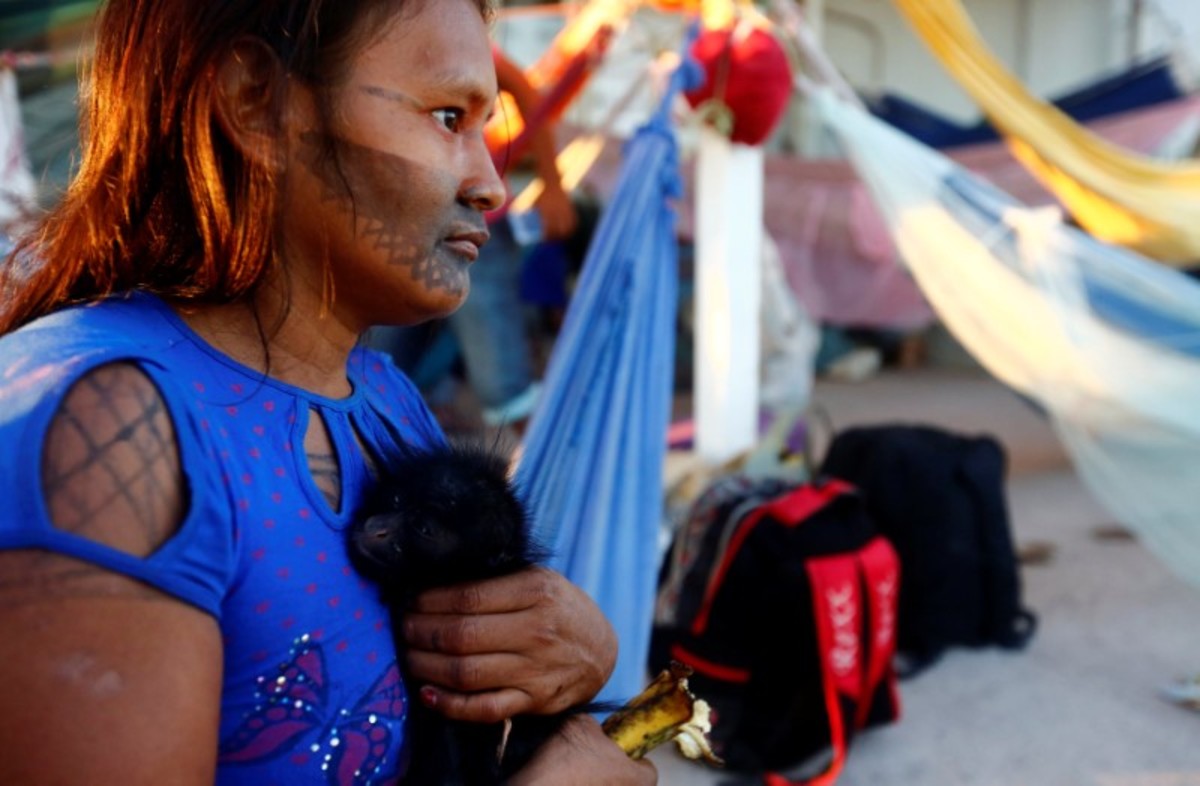
FILE PHOTO: A member of indigenous Munduruku tribe holds a monkey as she occupies the construction site of the hydropower plant of Sao Manoel, near the Teles Pires river, in the Alta Floresta city, in the north of the state of Mato Grosso in the Amazon, Brazil July 16, 2017. REUTERS /Lunae Parracho
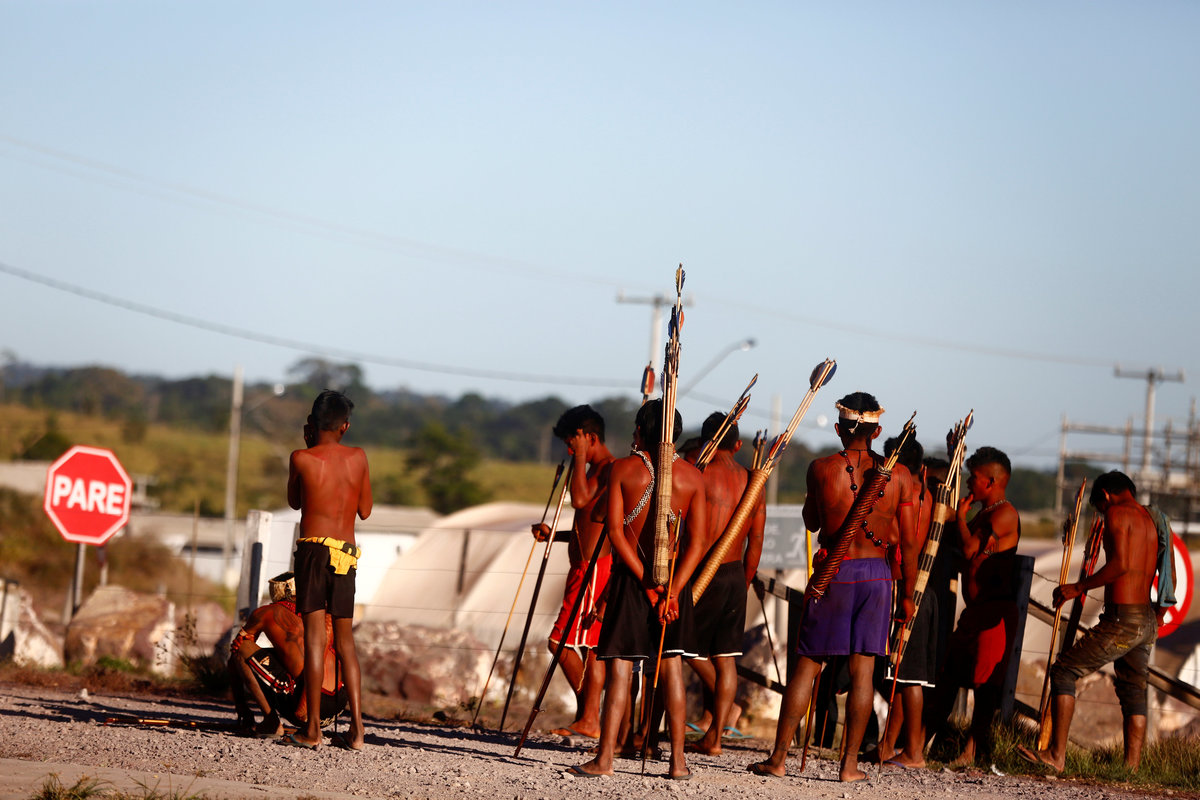
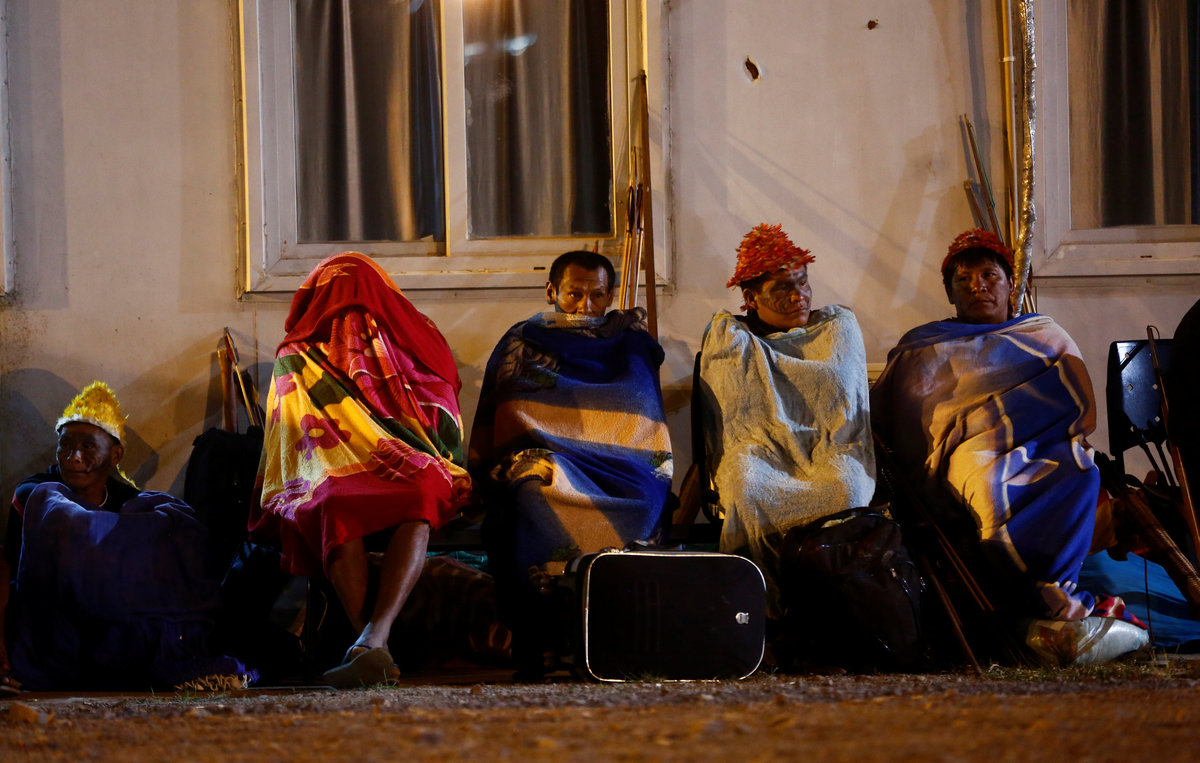
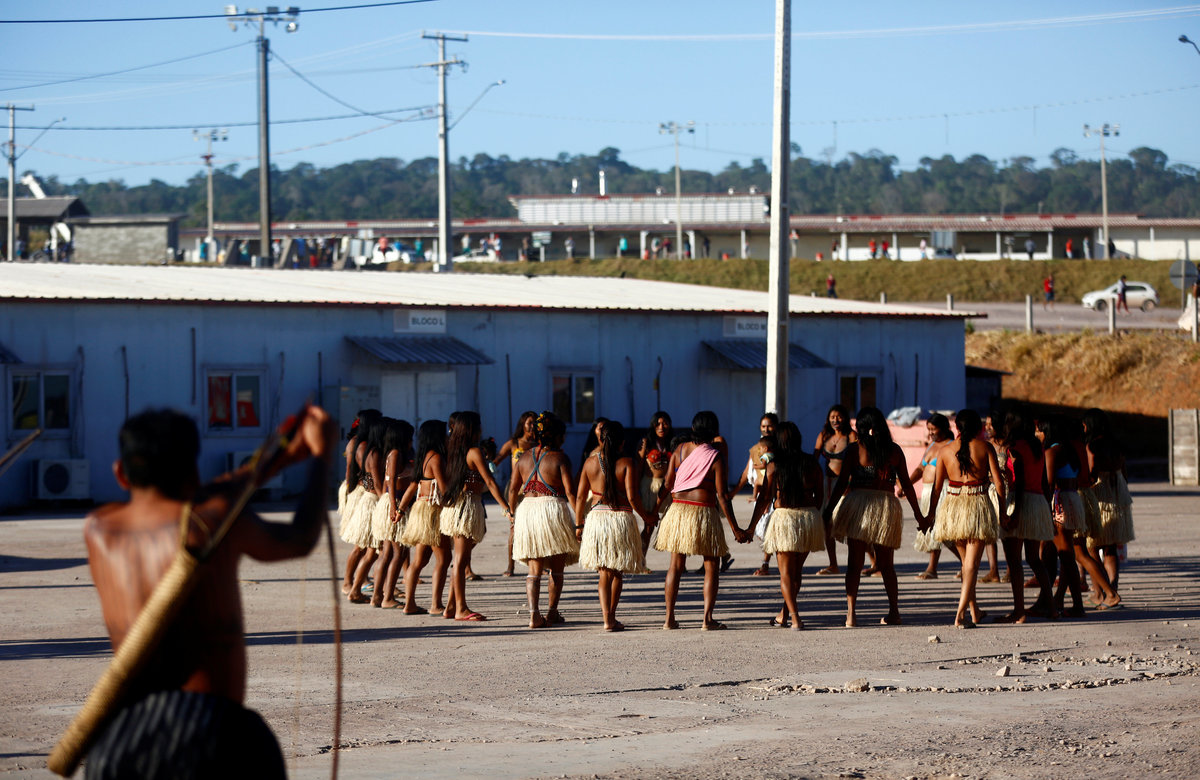
SAO PAULO (Reuters) - Construction of a power plant on the Teles Pires river in Brazil was paralyzed by protesters from the Munduruku tribe, a leader of the group told Reuters on Monday.
The protesters are demanding the formal demarcation of their indigenous land, and the return of burial urns that they said disappeared during the construction work, the leader said.
"The works have been completely halted ... We will remain here until our demands are met," said Valdenir Munduruku, one of the leaders of the protest group.
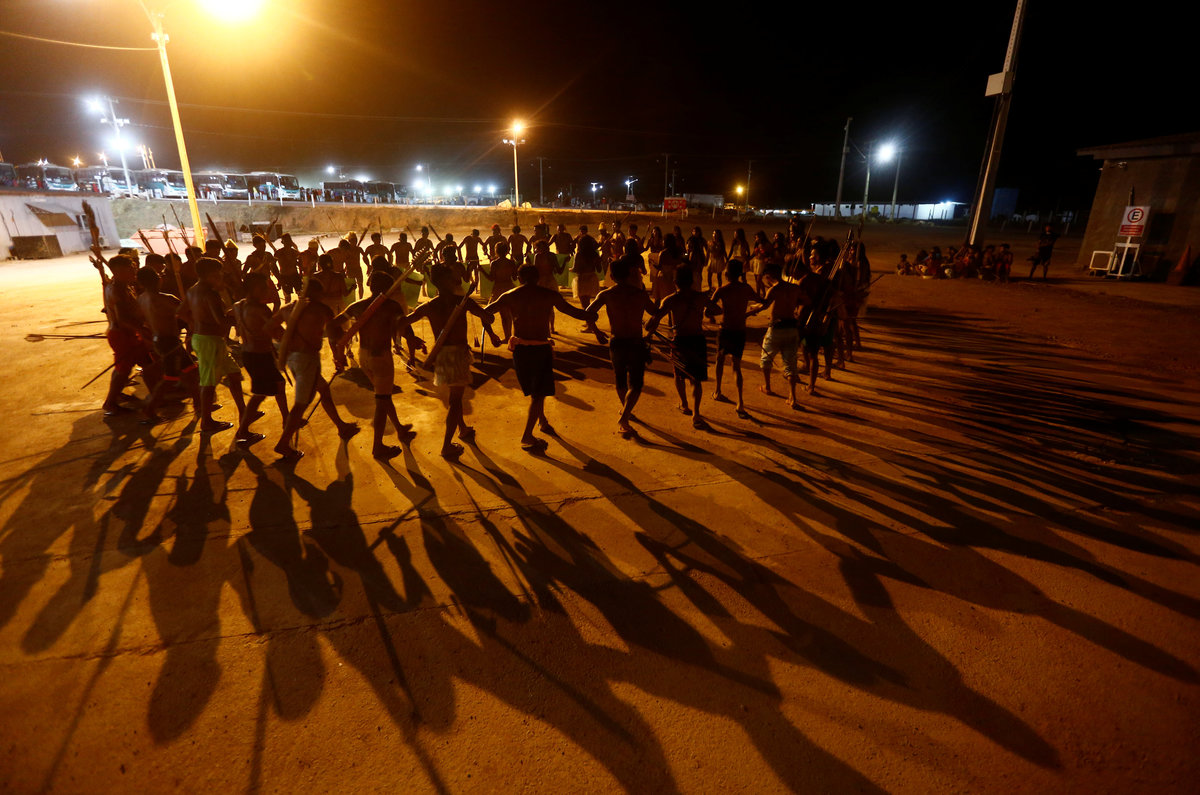
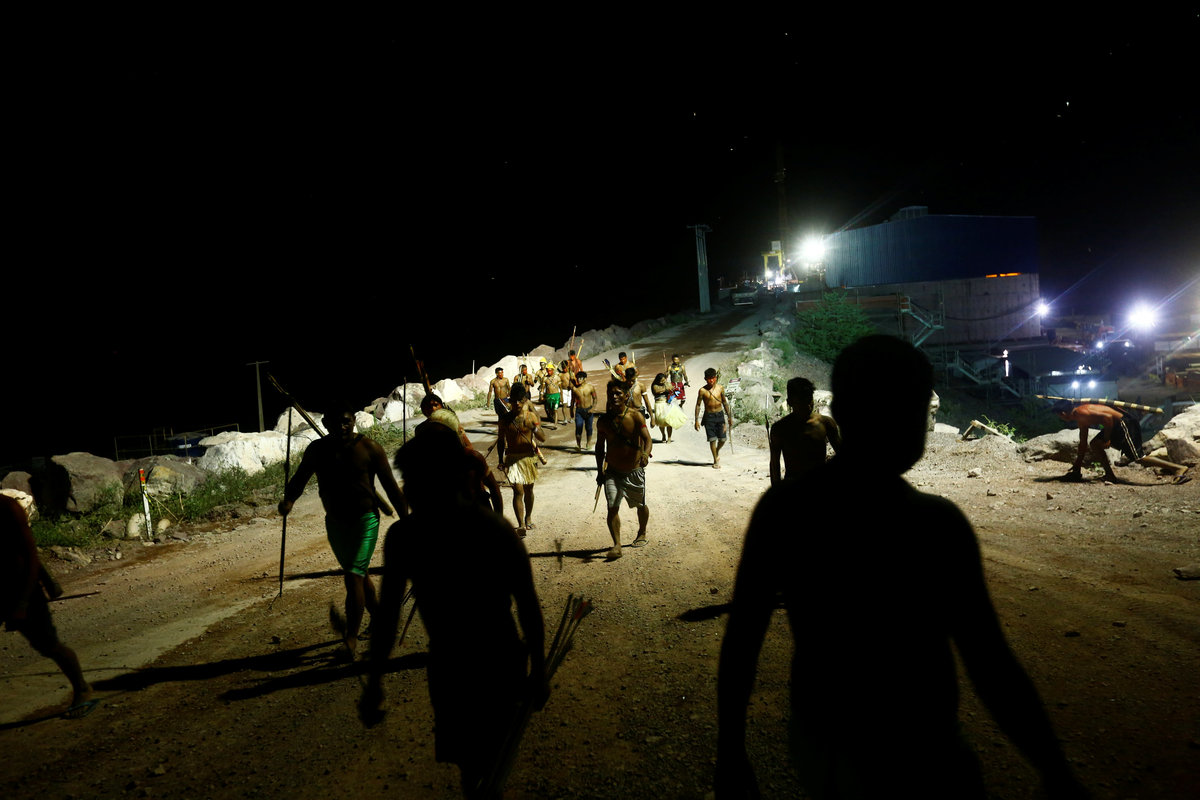
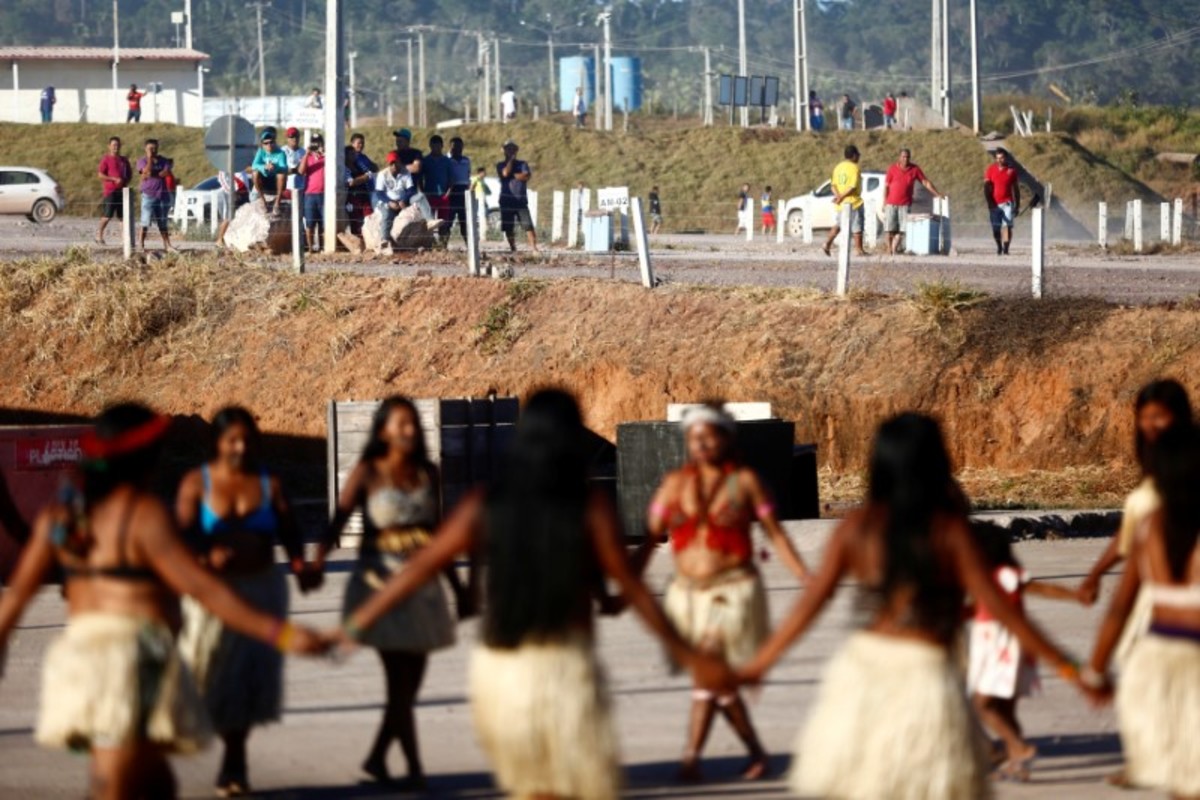
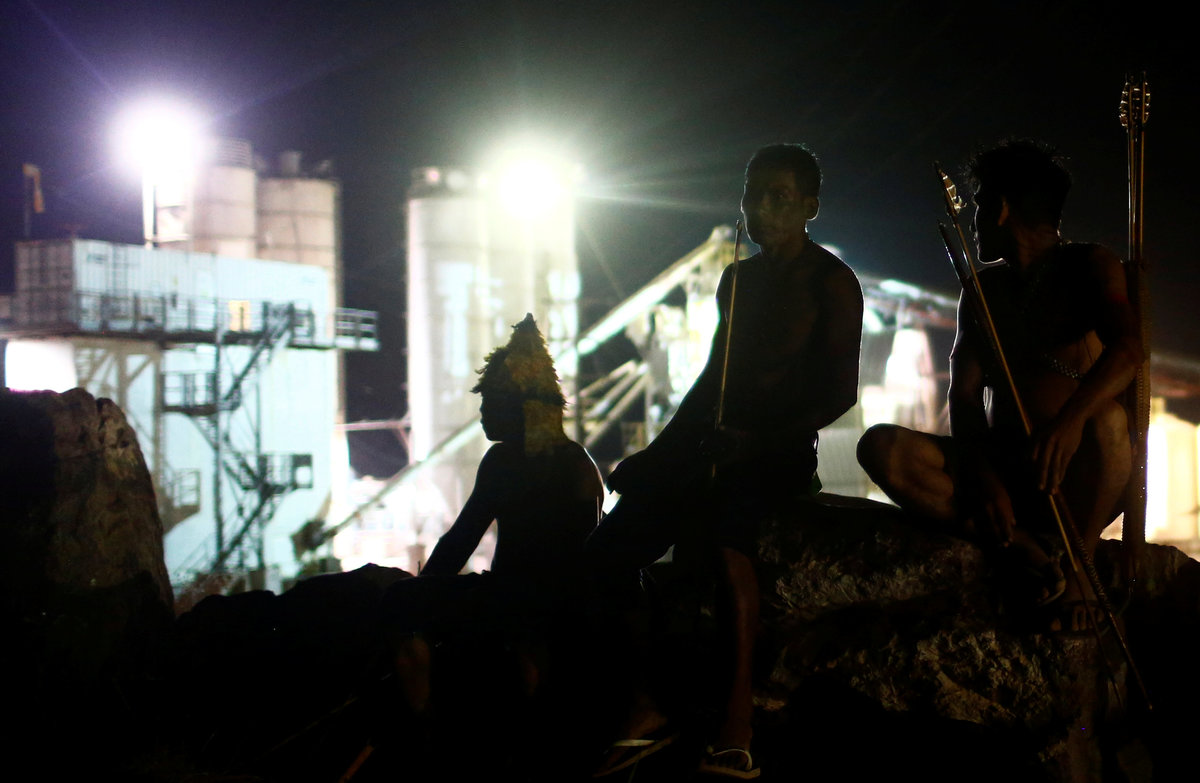
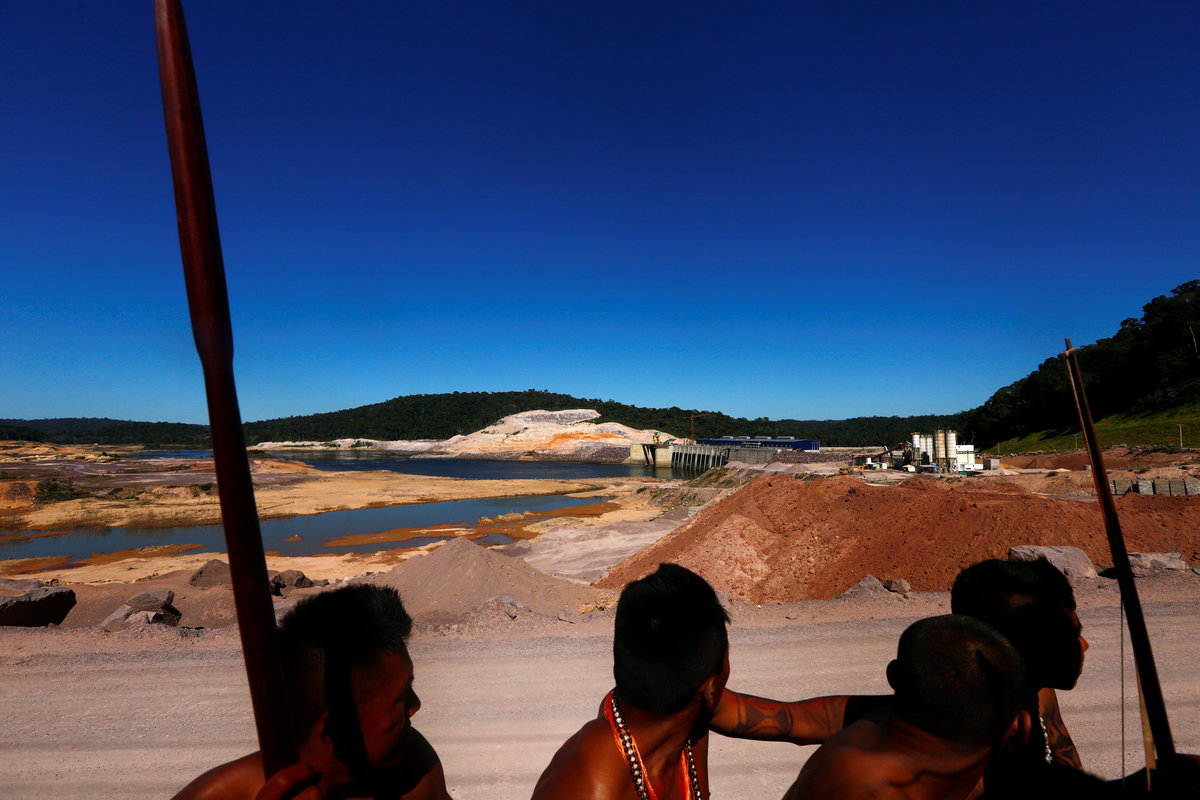
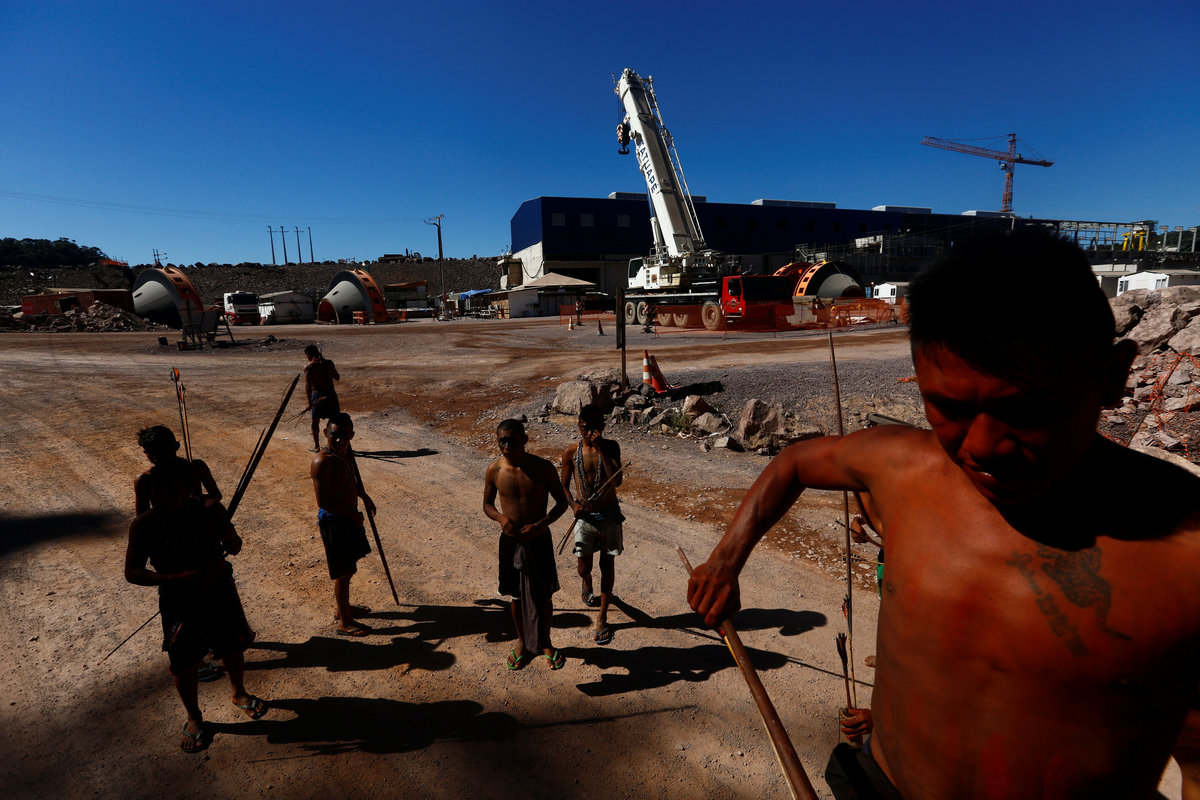
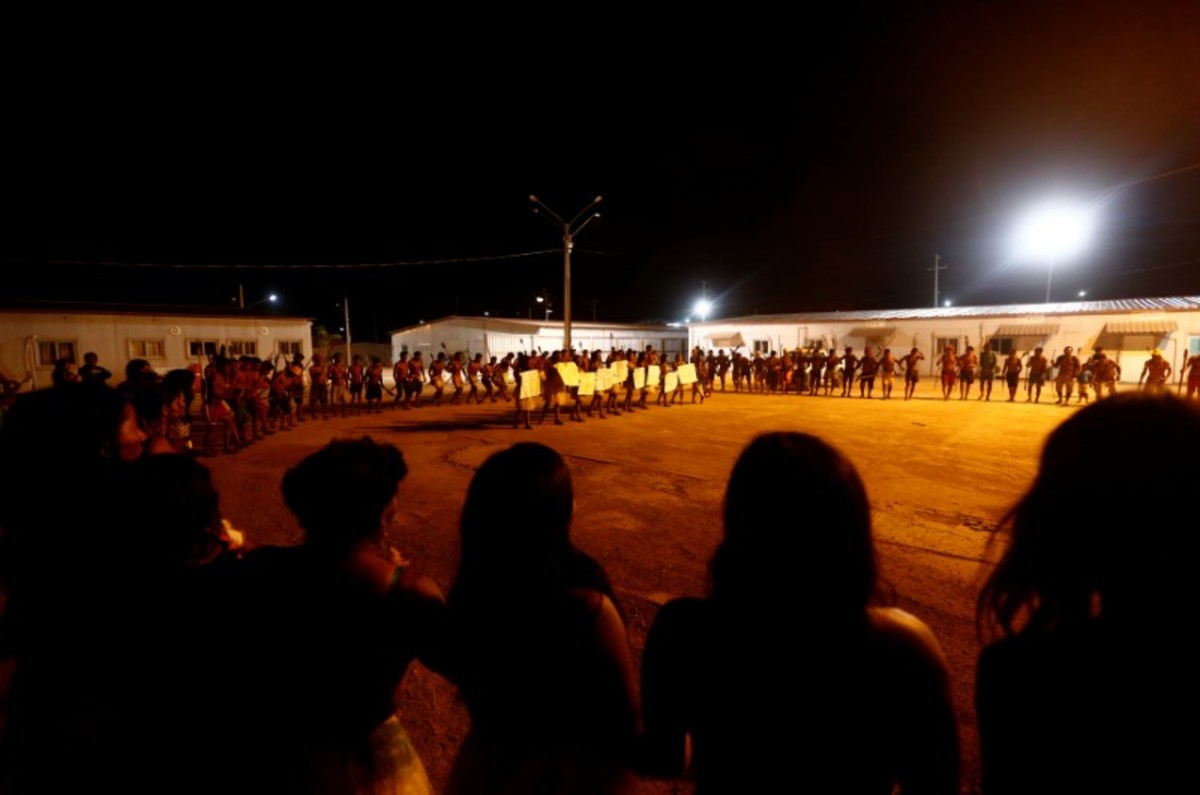
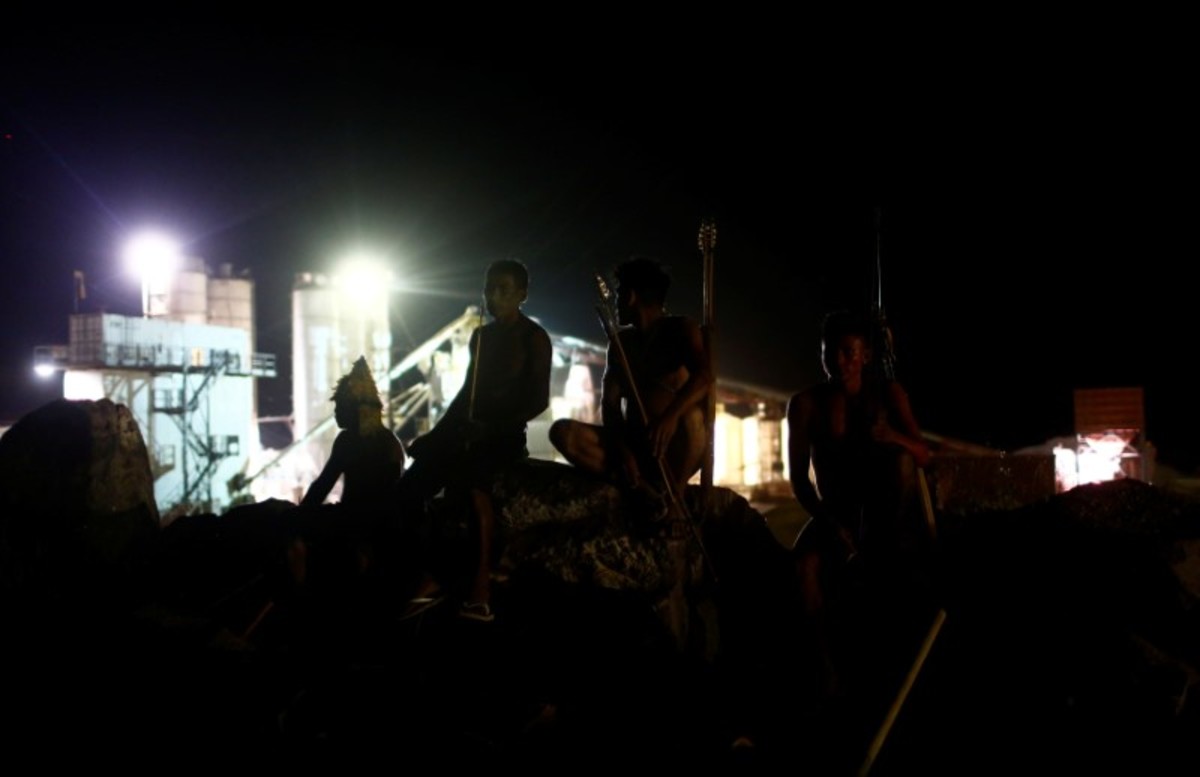
FILE PHOTO: Indigenous people of the Munduruku tribe are seen as they occupy the construction site of the hydropower plant of Sao Manoel, near the Teles Pires river, in the Alta Floresta city, in the north of the state of Mato Grosso in the Amazon, Brazil July 16, 2017. REUTERS /Lunae Parracho
Construction of the São Manoel hydropower plant, located near the border of Mato Grosso and Pará states, is budgeted at 3 billion reais ($942 million).
The plant is owned by Portugal's EDP Energias do Brasil, China Three Gorges Corp [CYTGP.UL] and Furnas, which is controlled by Brazil's Eletrobras.
The protesters are seeking demarcation of the 178,173- hectare (440,275-acre) Sawré Muybu indigenous territory where the Munduruku people live.
FILE PHOTO: Indigenous people of the Munduruku tribe are seen as they occupy the construction site of the hydropower plant of Sao Manoel, near the Teles Pires river, in the Alta Floresta city, in the north of the state of Mato Grosso in the Amazon, Brazil July 15, 2017. REUTERS /Lunae Parracho
Eletrobras declined to comment. The company owned by EDP Brasil and China Three Gorges that controls the plant said in a statement that it was negotiating with the tribe to try to find a solution to the conflict.
(Reporting by Luciano Costa; Writing by Ana Mano and Tatiana Bautzer; Editing by Andrew Hay)
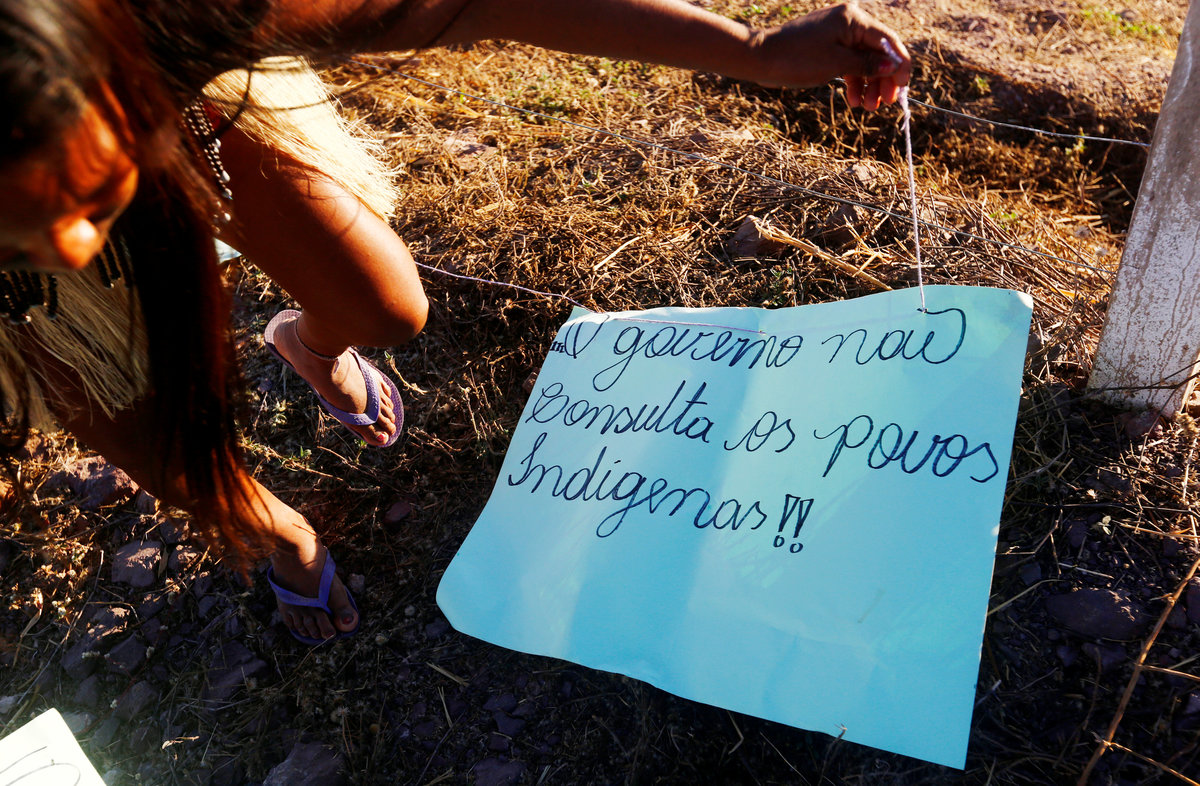
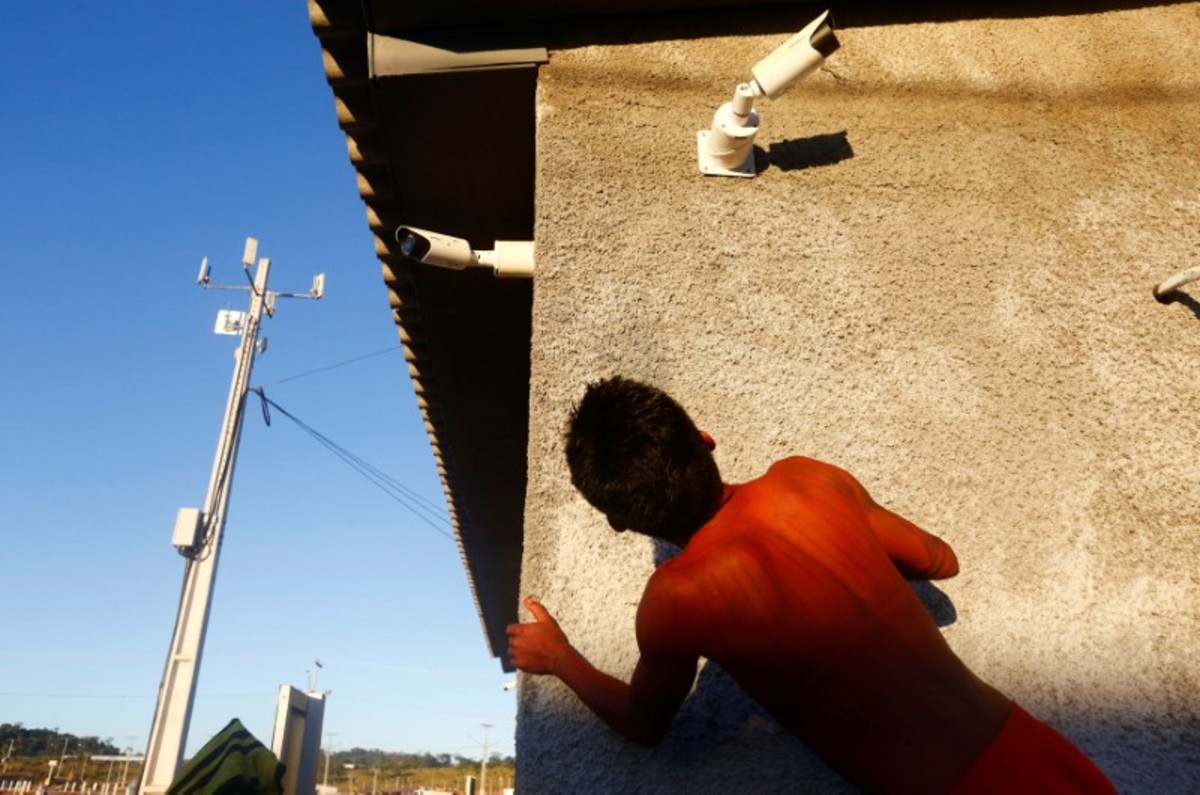
FILE PHOTO: Indigenous people of the Munduruku tribe are seen as they occupy the construction site of the hydropower plant of Sao Manoel, near the Teles Pires river, in the Alta Floresta city, in the north of the state of Mato Grosso in the Amazon, Brazil July 16, 2017. REUTERS/Lunae ParrachoFILE PHOTO: Indigenous people of the Munduruku tribe are seen as they occupy the construction site of the hydropower plant of Sao Manoel, near the Teles Pires river, in the Alta Floresta city, in the north of the state of Mato Grosso in the Amazon, Brazil July 15, 2017. REUTERS /Lunae ParrachoFILE PHOTO: The placard reads: 'The government doesn't consult the indigenous peoples.' Brazil July 16, 2017. REUTERS /Lunae ParrachoFILE PHOTO: Indigenous people of the Munduruku tribe are seen as they occupy the construction site of the hydropower plant of Sao Manoel, near the Teles Pires river, in the Alta Floresta city, in the north of the state of Mato Grosso in the Amazon, Brazil July 16, 2017. REUTERS/Lunae ParrachoFILE PHOTO: Indigenous people of the Munduruku tribe are seen as they occupy the construction site of the hydropower plant of Sao Manoel, near the Teles Pires river, in the Alta Floresta city, in the north of the state of Mato Grosso in the Amazon, Brazil July 16, 2017. REUTERS /Lunae ParrachoFILE PHOTO: Indigenous people of the Munduruku tribe are seen as they occupy the construction site of the hydropower plant of Sao Manoel, near the Teles Pires river, in the Alta Floresta city, in the north of the state of Mato Grosso in the Amazon, Brazil July 16, 2017. REUTERS/Lunae ParrachoFILE PHOTO: Indigenous people of the Munduruku tribe are seen as they occupy the construction site of the hydropower plant of Sao Manoel, near the Teles Pires river, in the Alta Floresta city, in the north of the state of Mato Grosso in the Amazon, Brazil July 16, 2017. REUTERS /Lunae ParrachoFILE PHOTO: A member of indigenous Munduruku tribe is seen near CCTV cameras as he occupies the construction site of the hydropower plant of Sao Manoel, near the Teles Pires river, in the Alta Floresta city, in the north of the state of Mato Grosso in the Amazon, Brazil July 16, 2017. REUTERS /Lunae ParrachoFILE PHOTO: Indigenous people of the Munduruku tribe are seen as they occupy the construction site of the hydropower plant of Sao Manoel, near the Teles Pires river, in the Alta Floresta city, in the north of the state of Mato Grosso in the Amazon, Brazil July 16, 2017. REUTERS /Lunae ParrachoFILE PHOTO: Indigenous people of the Munduruku tribe are seen as they occupy the construction site of the hydropower plant of Sao Manoel, near the Teles Pires river, in the Alta Floresta city, in the north of the state of Mato Grosso in the Amazon, Brazil July 17, 2017. REUTERS /Lunae ParrachoFILE PHOTO: Indigenous people of the Munduruku tribe are seen as they occupy the construction site of the hydropower plant of Sao Manoel, near the Teles Pires river, in the Alta Floresta city, in the north of the state of Mato Grosso in the Amazon, Brazil July 15, 2017. REUTERS /Lunae Parracho
Sign up to read this article
Read news from 100’s of titles, curated specifically for you.