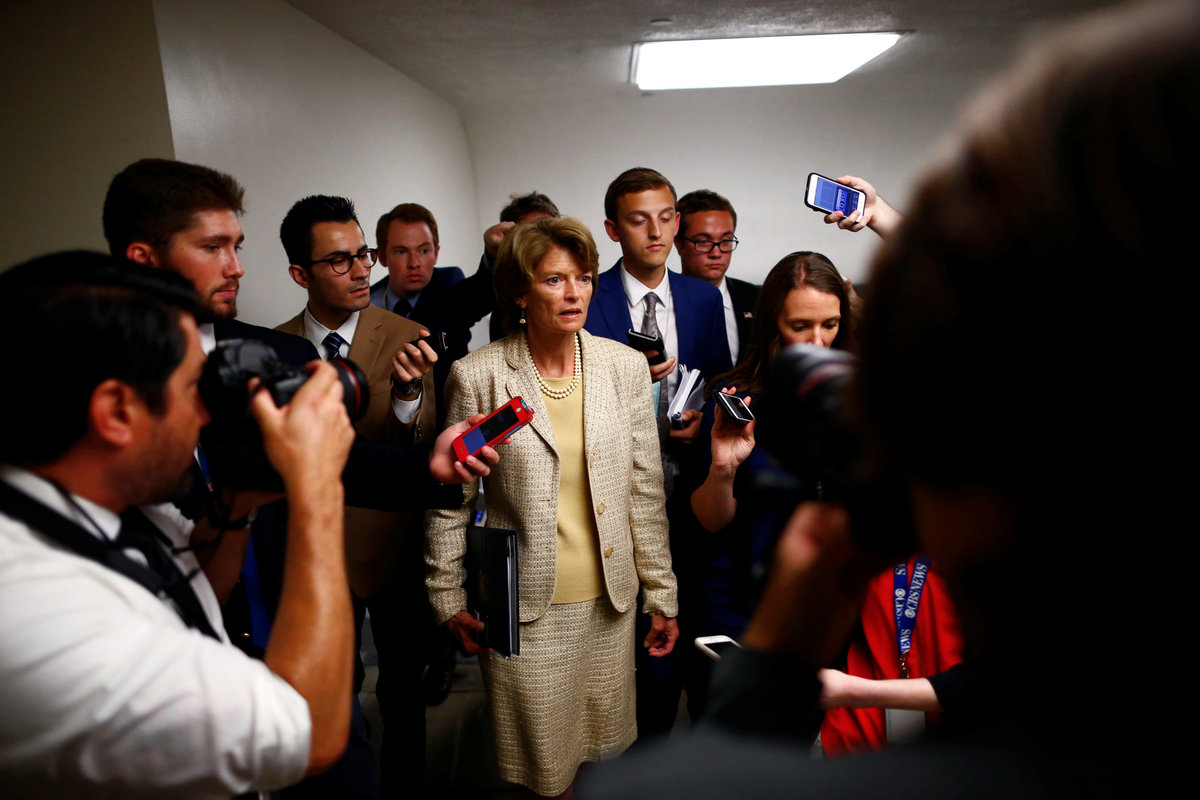
WASHINGTON (Reuters) - Republican U.S. Senate leaders, struggling to keep a seven-year promise to end Obamacare, turned their focus on Wednesday to passing a slimmed-down "skinny" repeal measure that would throw the issue into negotiations with the House of Representatives.
The last-ditch effort came after senators voted 55-45 against a straight repeal of Obamacare, which would have provided for a two-year delay in implementation to give Congress time to work out a replacement. Seven Republicans opposed the measure.
It was the Senate's second failure in 24 hours to repeal the 2010 Affordable Care Act, popularly known as Obamacare, which expanded health insurance to about 20 million people, many of them low-income. On Tuesday, senators rejected the repeal-and-replace plan Republicans had worked on since May.
The failures underscored the party's deep divisions on the role of government in helping provide access to healthcare as the Senate conducted its second day of a freewheeling debate that could stretch through the week.
Republicans said they were still working out what would be in a skinny repeal, which could simply eliminate mandates requiring individuals and employers to obtain or provide health insurance, and abolish a tax on medical device manufacturers.
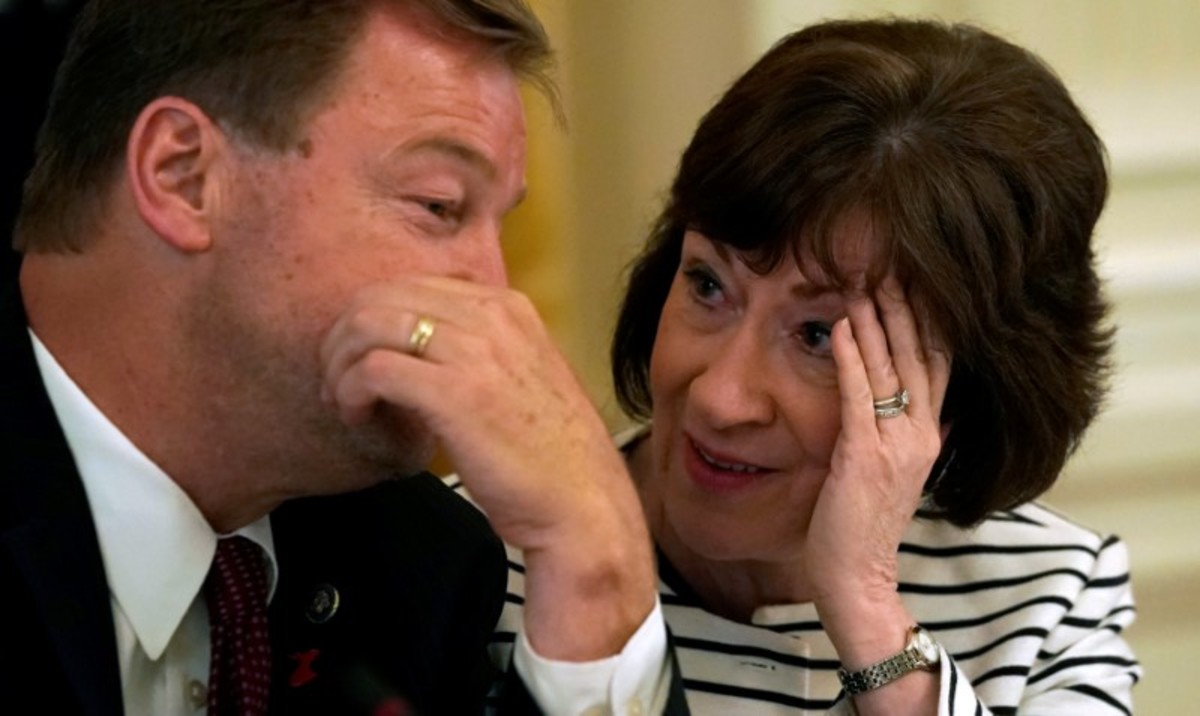
Senator John Thune, the No. 3 Senate Republican, said the party was trying to "figure out what the traffic will bear, in terms of getting 50 of our members to vote for things that will repeal as much of Obamacare as possible."
Republicans hold a 52-48 majority in the Senate.
Any Senate legislation would be enough to kick the issue to a special negotiating committee with the House, which passed its own version in May. If that panel can agree on a new bill, the full House and Senate, both controlled by Republicans, would again have to approve the legislation - a process that could last months.
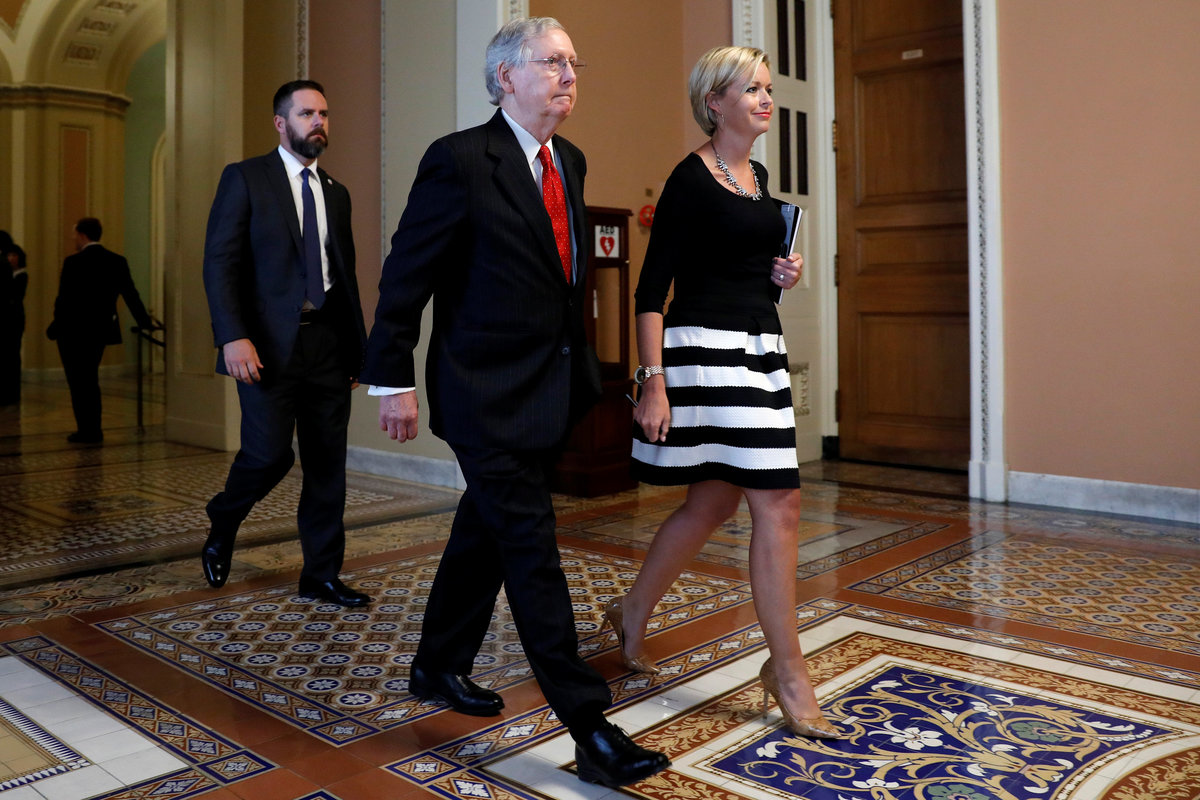
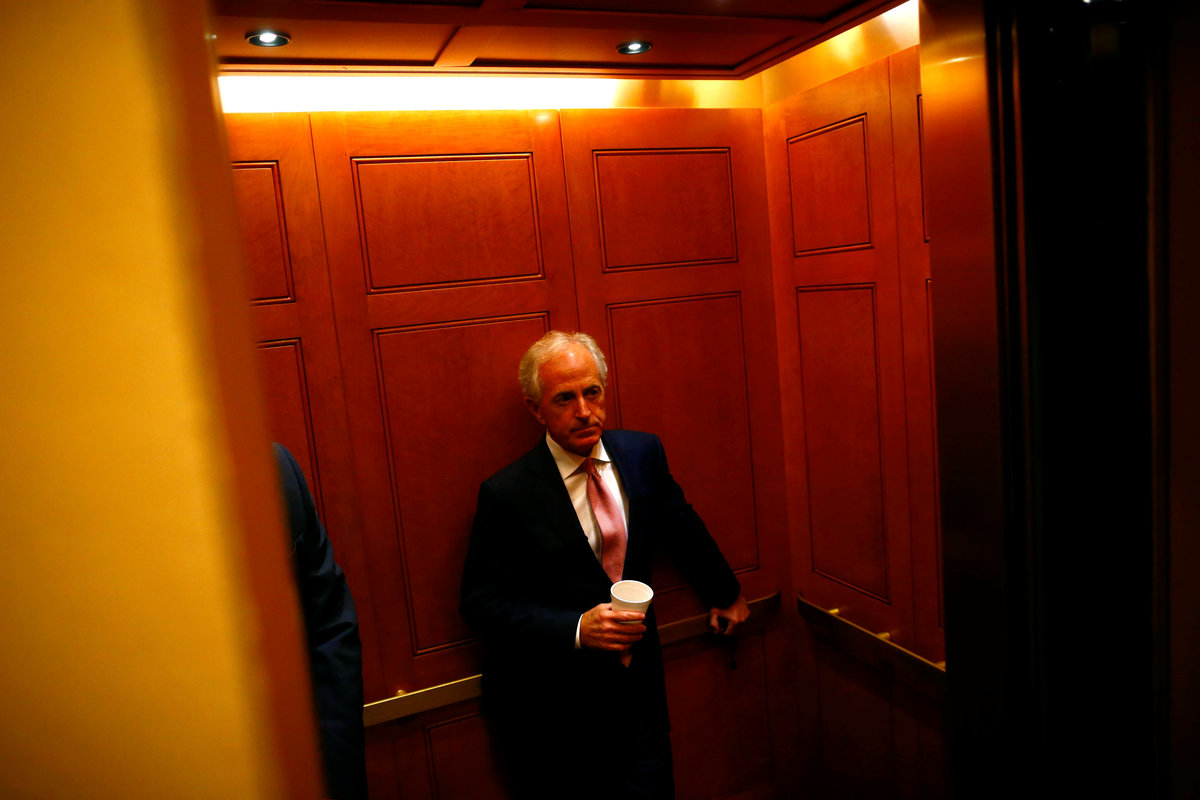
"I think people would look at it not necessarily based on its content, but as a forcing mechanism to cause the two sides of the building to try to solve it together," Republican Senator Bob Corker said. "That’s going to be the last chance."
Senator John Cornyn, the No. 2 Senate Republican, told reporters there was growing support for a slimmed-down approach that would kick the can to negotiators.
"I think there is plenty of agreement," he said.
SEEKING 'MORE ORGANIZED PROCESS'
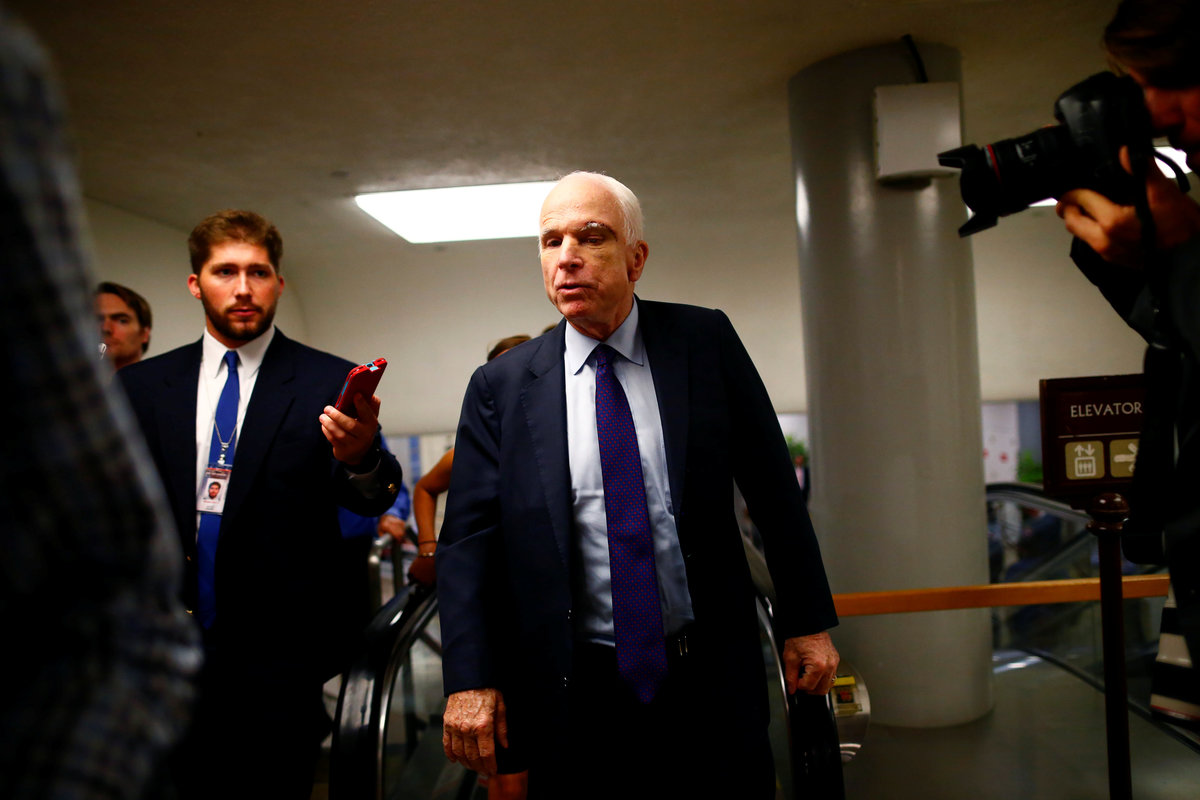
President Donald Trump has come down hard on his fellow Republicans for failing to act on Obamacare, something he promised repeatedly to repeal and replace in his election campaign last year. Some Senate Republicans were growing uncomfortable with the chaotic debate.
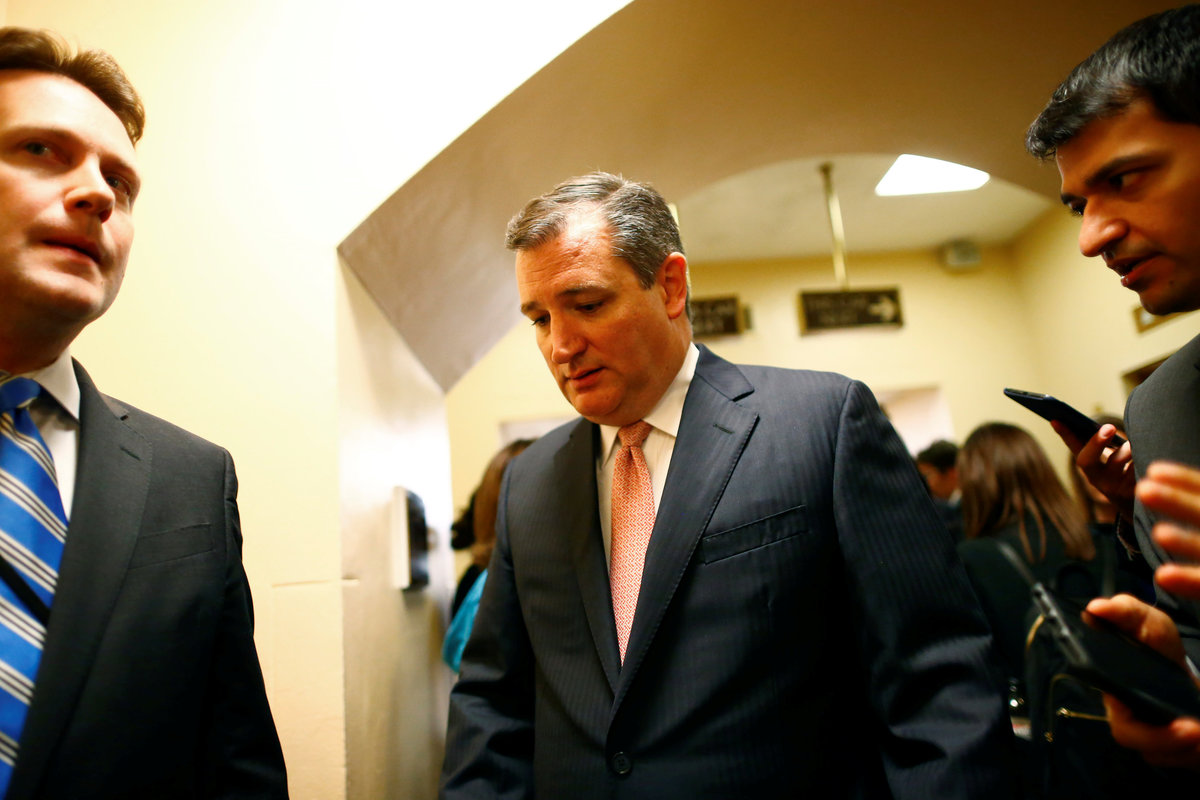
"We've got to have a more organized process," Republican Senator Ron Johnson said, noting the skinny repeal would simply delay acting on the core issue. "We just don't have the courage and really the intestinal fortitude to suck it up and ... do this right."
Late on Wednesday, only 10 senators voted for a largely symbolic amendment stating lawmakers' commitment to preserve a part of Obamacare that helped states expand the government's Medicaid insurance program for the poor to cover a wider net of people.
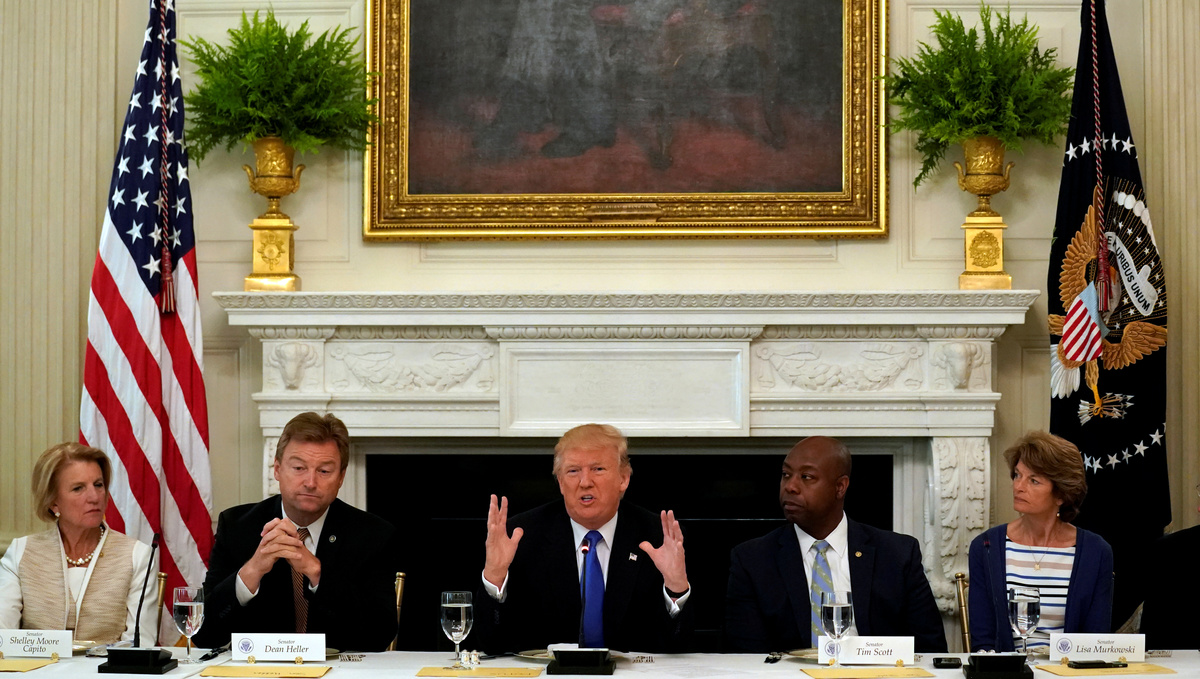
Democrats refused to approve any amendment to a bill they dislike and the vote primarily highlighted deep divisions among Republicans. The amendment was introduced by Senator Dean Heller, who faces a tough re-election fight in Nevada next year, and supported by Senators Susan Collins, John McCain and other party moderates who have expressed skepticism about the repeal-and-replace process.
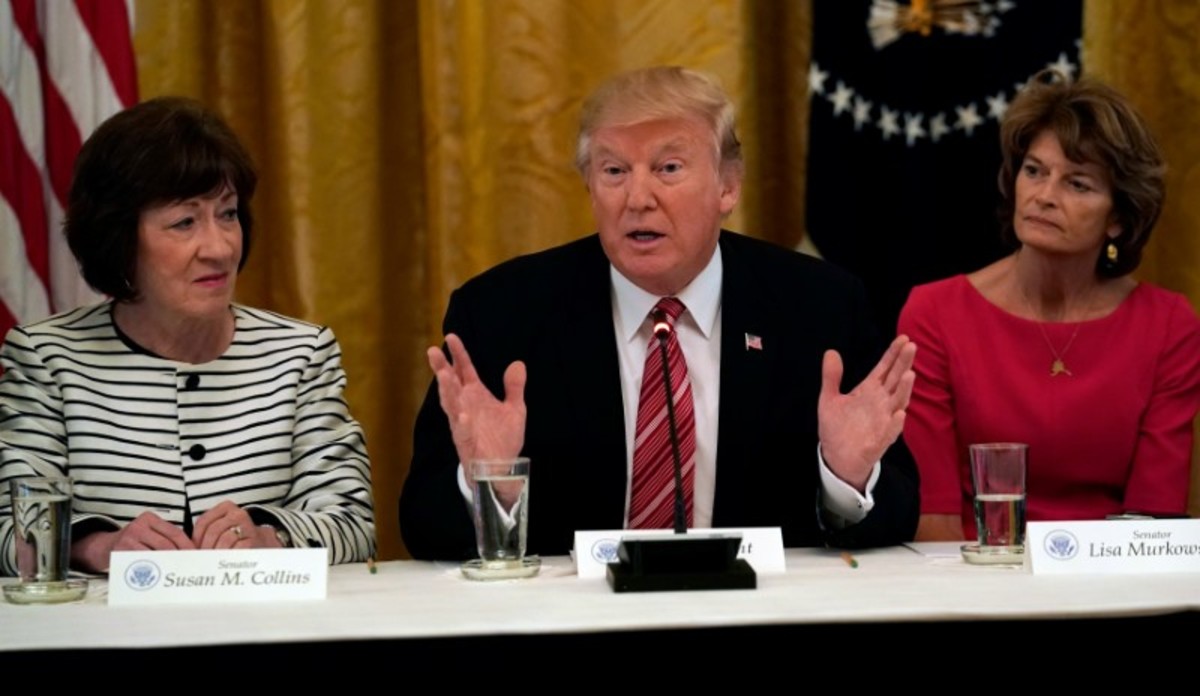
Trump attacked one of those senators, Lisa Murkowski of Alaska, by name in an early morning tweet on Wednesday. Murkowski, one of two party members who voted on Tuesday against opening debate on a bill to end Obamacare, told MSNBC she was not worried about the political fallout.
"Every day shouldn't be about winning elections. How about just doing a little bit of governing around here?" she said.
Healthcare industry organizations are similarly troubled and have urged a more bipartisan effort.
The Blue Cross Blue Shield Association, which represents health insurers across the country, said that if the individual mandate is repealed, it must be replaced with incentives for people to buy health insurance and keep it year-round.
The mandate is considered critical to helping hold down the cost of premiums, because it means that healthy people as well as the sick, who incur high medical costs, buy insurance.
The group also said the government needed to fund subsidies for medical expenses and provide funds to cover high-cost patients.
Anthem Inc <ANTM.N>, a health insurer with more than 1 million customers in Obamacare individual insurance plans, threatened to further shrink its 2018 market participation because of uncertainty about the government paying for the subsidies that make the plans affordable for millions of Americans.
(Additional reporting by Richard Cowan, Amanda Becker and Caroline Humer; Writing by John Whitesides and Lisa Lambert; Editing by Mary Milliken and Peter Cooney)