Hassan Khalif Shire Ali was flagged as potentially violent by counter-terror police a week before he launched a deadly knife attack in Melbourne's CBD.
Shire Ali was a "national security person of interest" but didn't meet the criteria for a deradicalisation program.
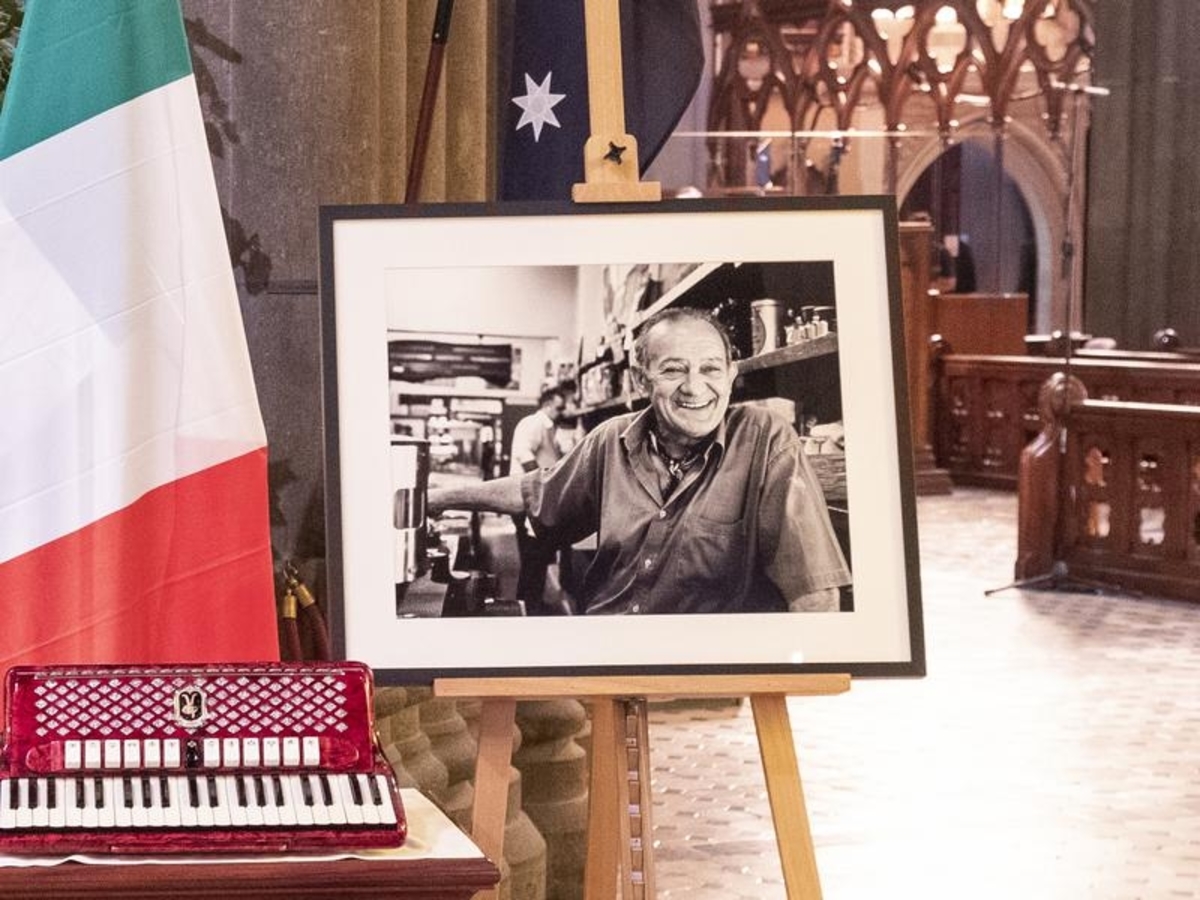
He killed beloved Melbourne icon and Pellegrini's Espresso Bar co-owner Sisto Malaspina, and injured two others, before being shot by police on November 9, 2018.
Seven days before, Victoria Police's counter-terror Security Intelligence Unit flagged Shire Ali as potentially violent and said he may be carrying a weapon.
An inquest is looking at factors including whether the 30-year-old, who died in hospital, was radicalised and if the Bourke Street attack was terrorism.
Police previously didn't consider him to be radicalised. Shire Ali wasn't a practising Muslim, didn't maintain a lifestyle consistent with extremist ideology, and smoked cannabis.
He tried to leave the country for Somalia in 2015 but was stopped at the airport. ISIS-related material was found on his phone and his passport was cancelled.
"I would say he was misinformed and on a trajectory that could be concerning," one officer, who cannot be identified, told the inquest on Wednesday.
In the lead-up to his attack, Shire Ali was suspected of stalking a woman, a hit-and-run and attacks involving a baseball bat and weapon.
At one point, he was pulled over for speeding but the officers were seemingly unaware counter-terror police wanted to speak to him.
They had planned to arrest him the day after the Bourke Street rampage.
The inquest is due to continue on Thursday.