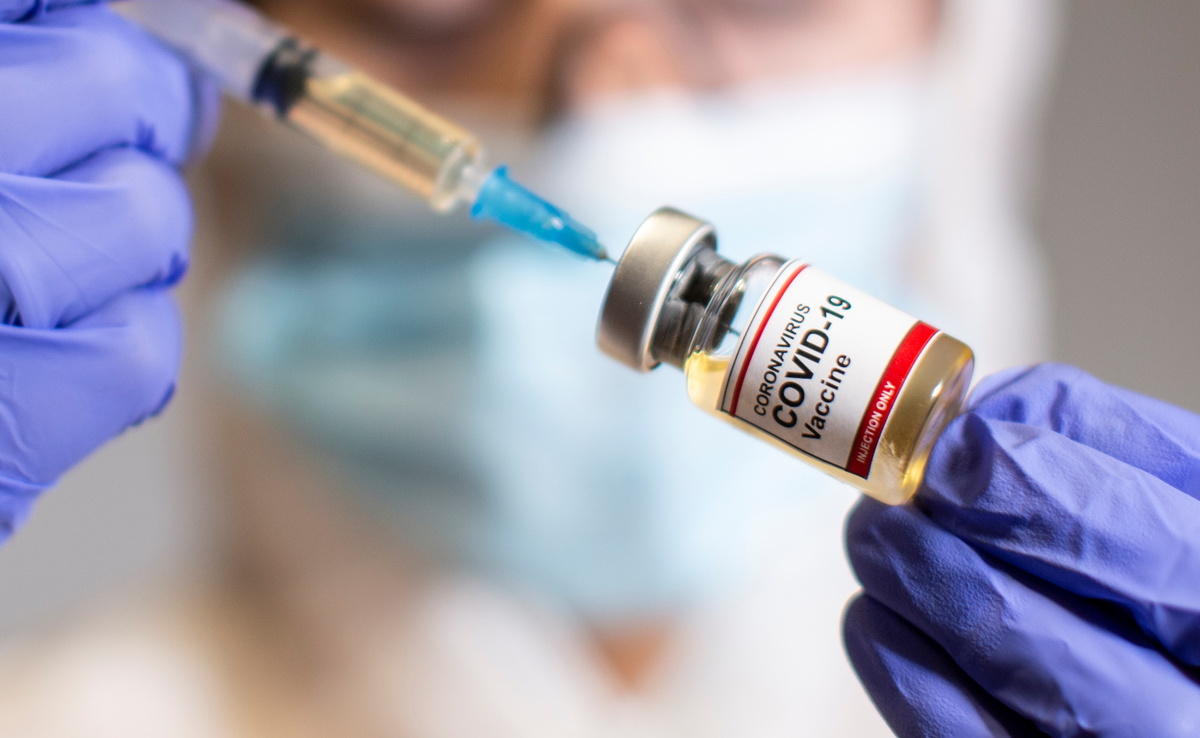
Botswana has signed an agreement with the global vaccine distribution scheme co-led by the World Health Organization, giving it the option to buy coronavirus vaccines for 20% of its population, a senior health official told Reuters.
The southern African country has registered a relatively low number of coronavirus cases, around 7,800 with 27 deaths, but its economy has been dealt a severe blow by the pandemic.
Unlike many other African countries, Botswana does not qualify for subsidised vaccines under the COVAX scheme because it is classified as an upper middle income country like neighbours Namibia and South Africa.
Botswana made an upfront payment to COVAX this week and will have the option to secure roughly 940,800 vaccine doses under a two-dose regimen, Moses Keetile, deputy permanent secretary in the health ministry, said in an interview.
Botswana's population is around 2.3 million.
"20% coverage is the initial allotment guaranteed under the arrangement," Keetile said.
With more than 180 countries involved, the COVAX facility aims to make available 2 billion doses of safe and effective COVID-19 vaccines by the end of 2021, with self-financing countries like Botswana participating either through optional purchase or committed purchase arrangements.
Botswana went for the optional purchase model to allow it to opt out at a later stage if necessary, Keetile said, adding that it would ask development partners to contribute towards payments to the facility that are outstanding.
Botswana could also consider bilateral deals with vaccine manufacturers if the need arises, but currently COVAX is its preferred procurement route.
The country recently reopened its international borders to try to support its battered tourism sector, a major foreign-exchange earner, and cushion the blow of a forecast economic contraction of around 9% this year.
(Reporting by Brian Benza,; Editing by Alexander Winning and Ed Osmond)