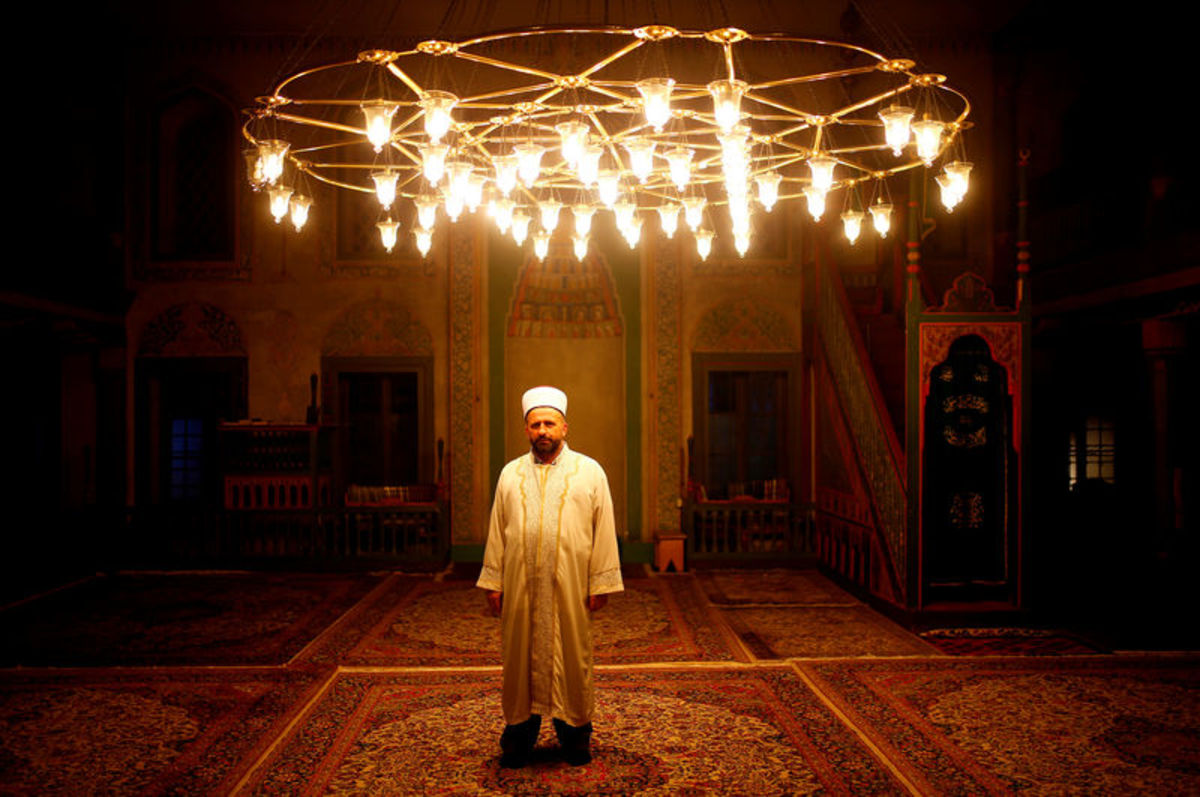
Effendi Ibranovic Dzemail poses for a photograph inside Sulejmanija Mosque in Travnik, Bosnia and Herzegovina, July 20, 2017. REUTERS/Dado Ruvic
(This version of the story repeats to fix 'World War Two' typo in the ninth paragraph)
SARAJEVO (Reuters) - Bosnia's religious leaders say politicians are standing in the way of peaceful coexistence between Muslim, Jewish and Christian communities trying to forgive and forget after the atrocities of a devastating 1990s war.
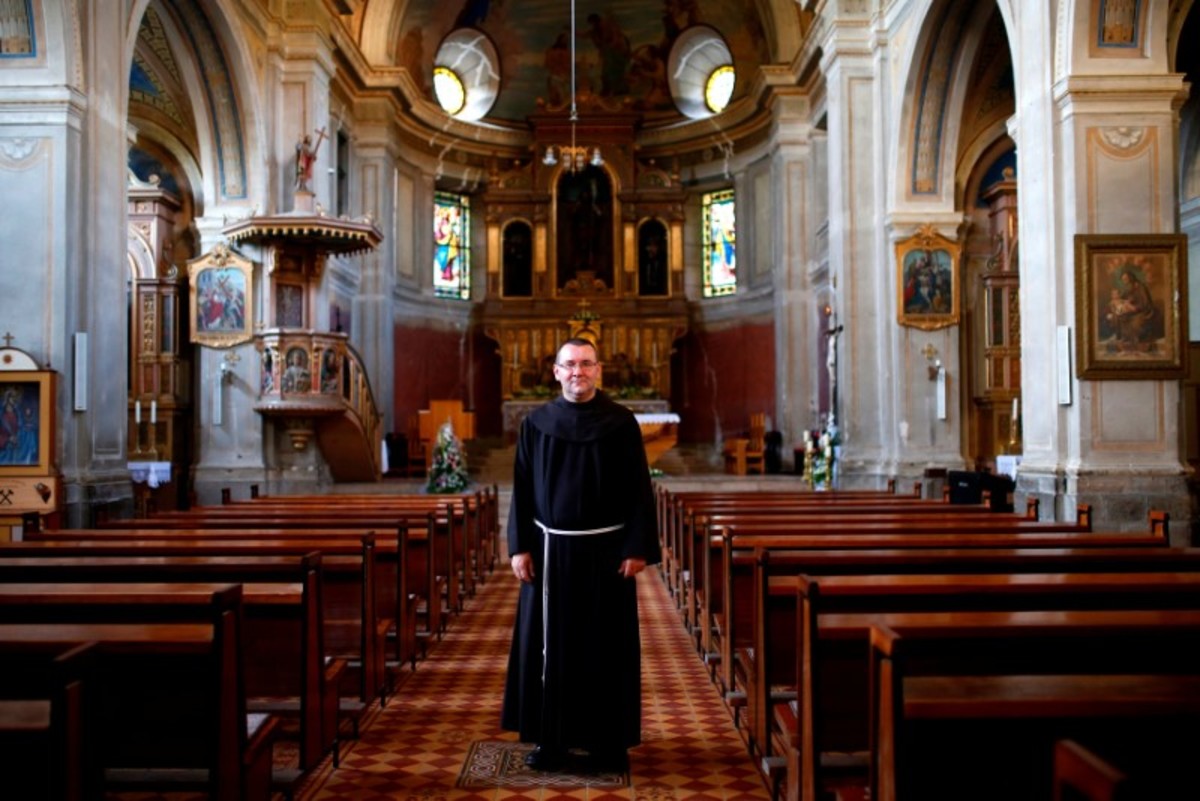
Friar Zeljko Brkic poses for a photograph inside Kraljeva Sutjeska Franciscan monastery in Kraljeva Sutjeska, Bosnia and Herzegovina, July 22, 2017. REUTERS/Dado Ruvic
Hundreds of churches, mosques and synagogues bear witness to more than five centuries of Bosnia's multi-faith past, and the capital Sarajevo is known locally as a "small Jerusalem" with its main ethnic groups - Orthodox Serbs, Catholic Croats and Muslim Bosniaks - all worshipping within meters of each other.
But Mufti Husein Kavazovic, head of the Islamic community in Bosnia, says people of faith cannot achieve peace alone.
"It is up to political elites to do more. For a start, it would be good that they stop their ideological manipulation of religion for their own political goals. It is up to us, of course, not to allow them to do that," he said.
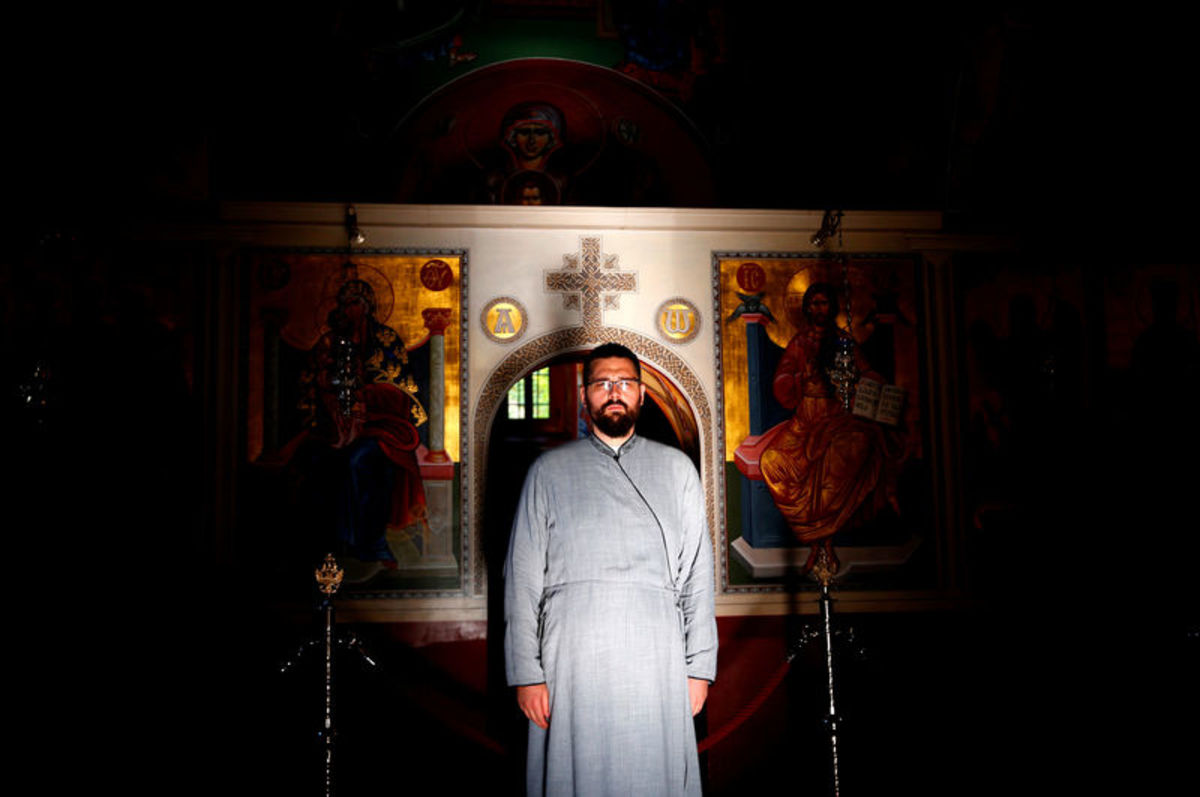
Hierodeacon Nektarije poses for a photograph at Zitomislic Serbian Orthodox monastery in Zitomislici, Bosnia and Herzegovina, July 27, 2017. REUTERS/Dado Ruvic
Even though nationalists from all three ethnic groups still insist on exclusivity for their own groups, religious leaders are keen to heal rifts after the 1992-1995 war in which about 100,000 civilians were killed and millions displaced.
Friar Zeljko Brkic at Kraljeva Sutjeska - among the oldest Franciscan monasteries in Bosnia and dating from 1385 - said: "Bosnia can only survive as a multi-ethnic state, no matter how much politicians try to convince us that this is not possible."
His Orthodox, Jewish and Muslim peers agree.
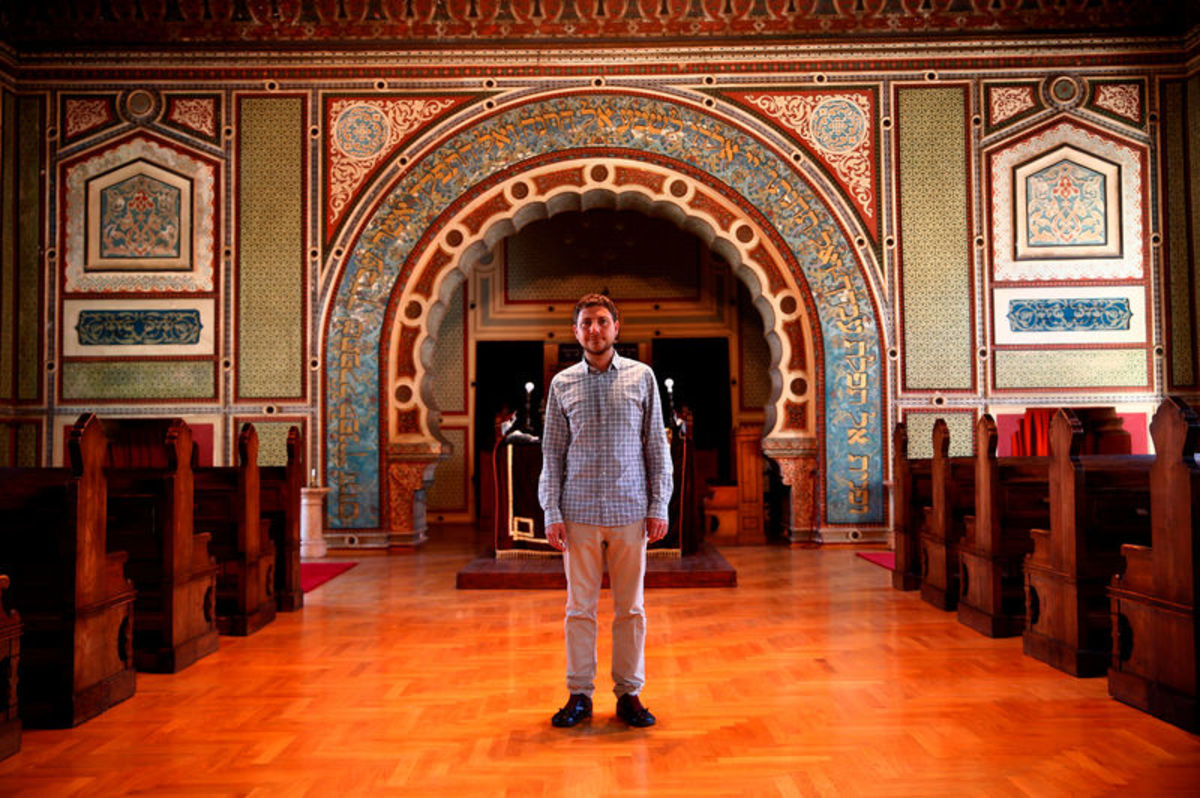
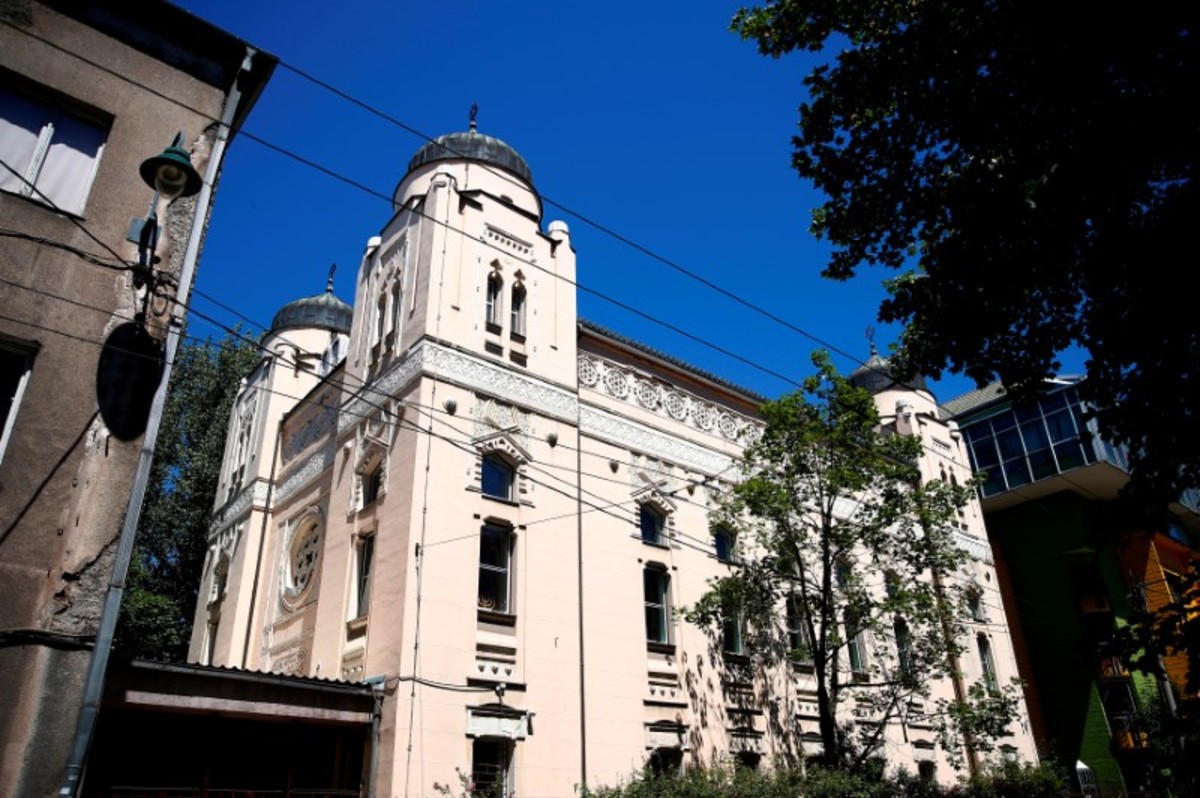
Rabbi's assistant Igor Kozemjakin poses for a photograph at Sarajevo Ashkenazi Synagogue in Sarajevo, Bosnia and Herzegovina, August 2, 2017. REUTERS/Dado Ruvic
"It is very important that we have here different cultures and religions, and that based on that we can easily build and verify our own identities," said Nektarije, a deacon at the Orthodox monastery Zitomislici in what is now the Catholic Croat-dominated southern part of the country.
Jakob Finci, the president of the Jewish community in Bosnia, gives Sarajevo as an example of close cooperation, citing Muslims there helping Jews to hide during World War Two and Jews providing food for people of all faiths in the three-year siege by Bosnian Serb forces.
"Sarajevo is the best proof that living together is possible and that it represents the only way of life for us," he said.
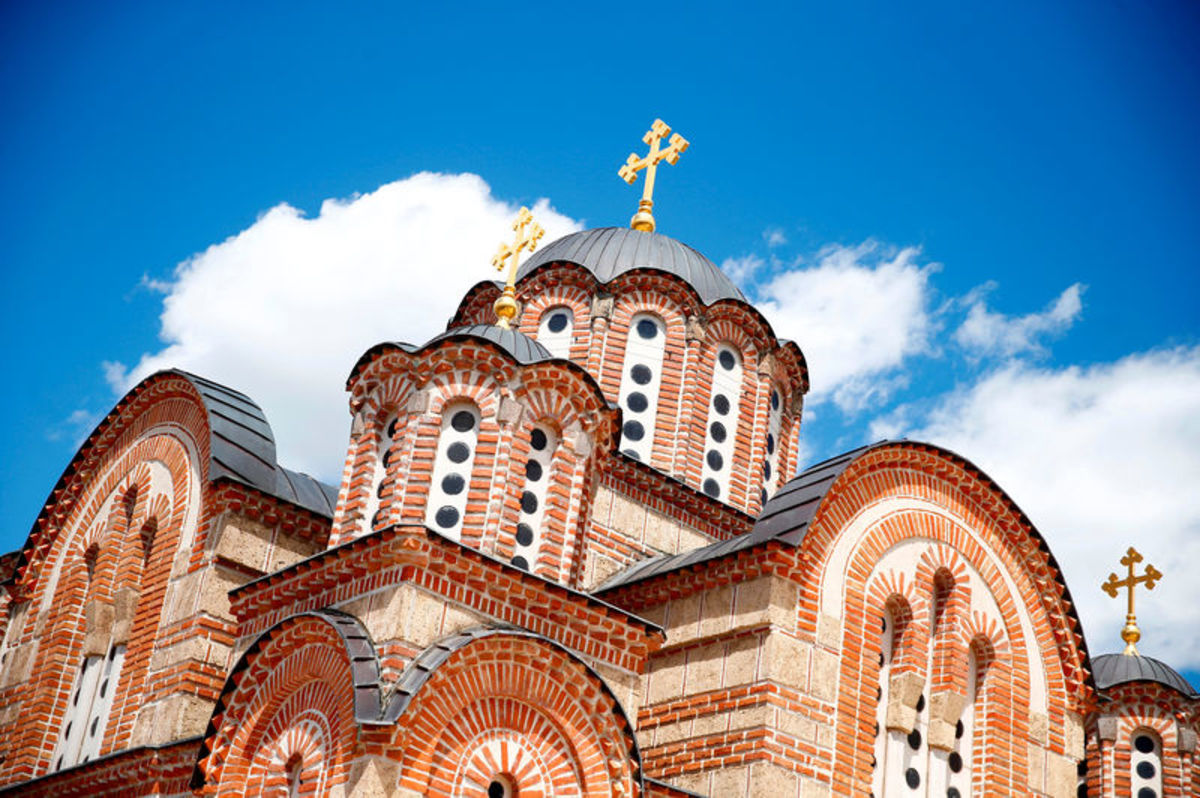
Orthodox Temple Hercegovacka Gracanica stands in Trebinje, Bosnia and Herzegovina, July 27, 2017. REUTERS/Dado Ruvic
This week, about 120 leaders from 27 countries arrived in Sarajevo to take part in a meeting of the youth-led Muslim Jewish Conference, founded by Ilja Sichrovski in Vienna in 2010.
"We feel at home here," Sichrovski said.
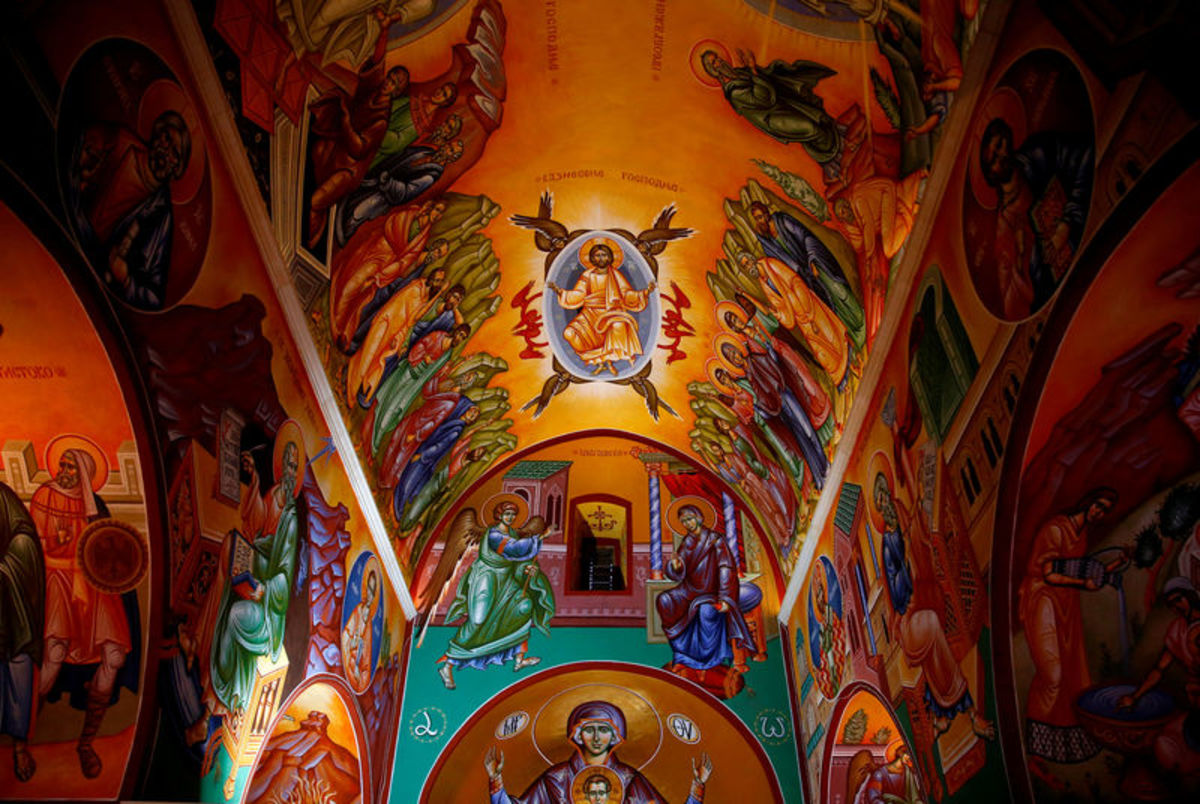
Decorative paintings adorn the walls and ceiling of Zitomislic Serbian Orthodox monastery in Zitomislici, Bosnia and Herzegovina, July 27, 2017. REUTERS/Dado Ruvic
(Reporting by Dado Ruvic and Daria Sito-Sucic; Writing by Daria Sito-Sucic; Editing by Louise Ireland)
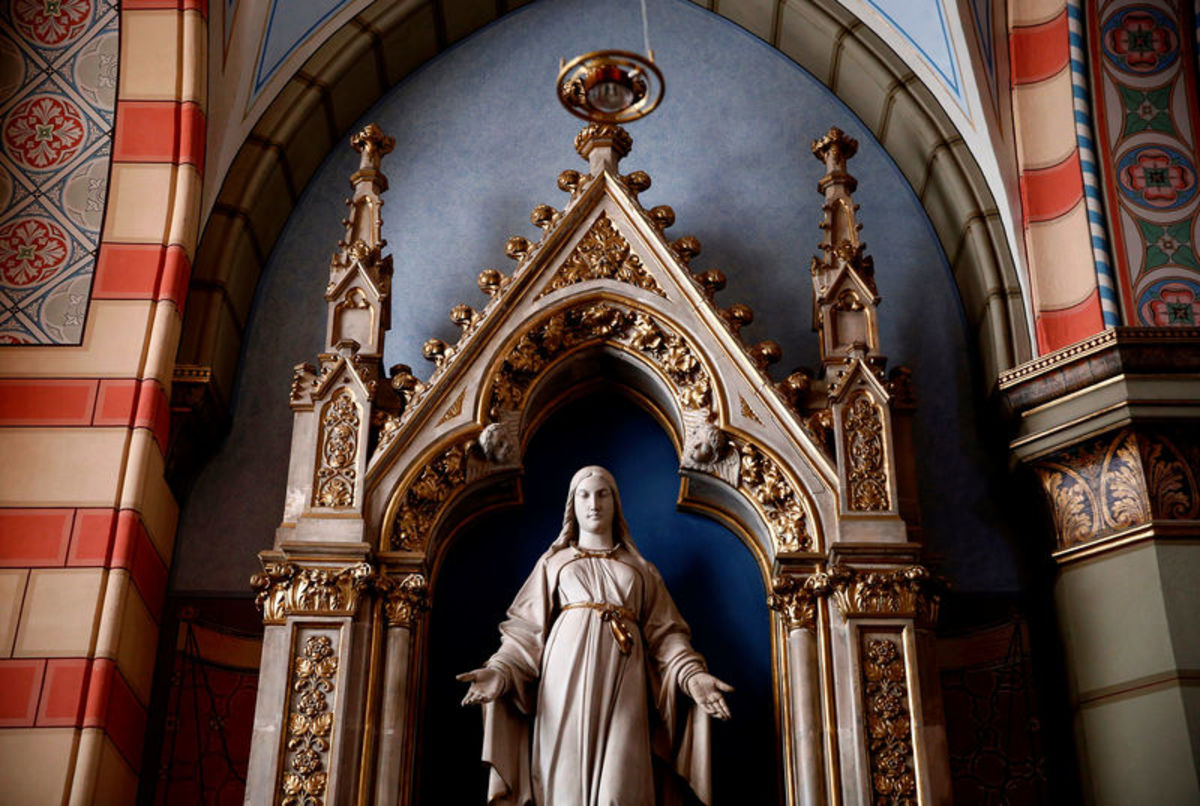
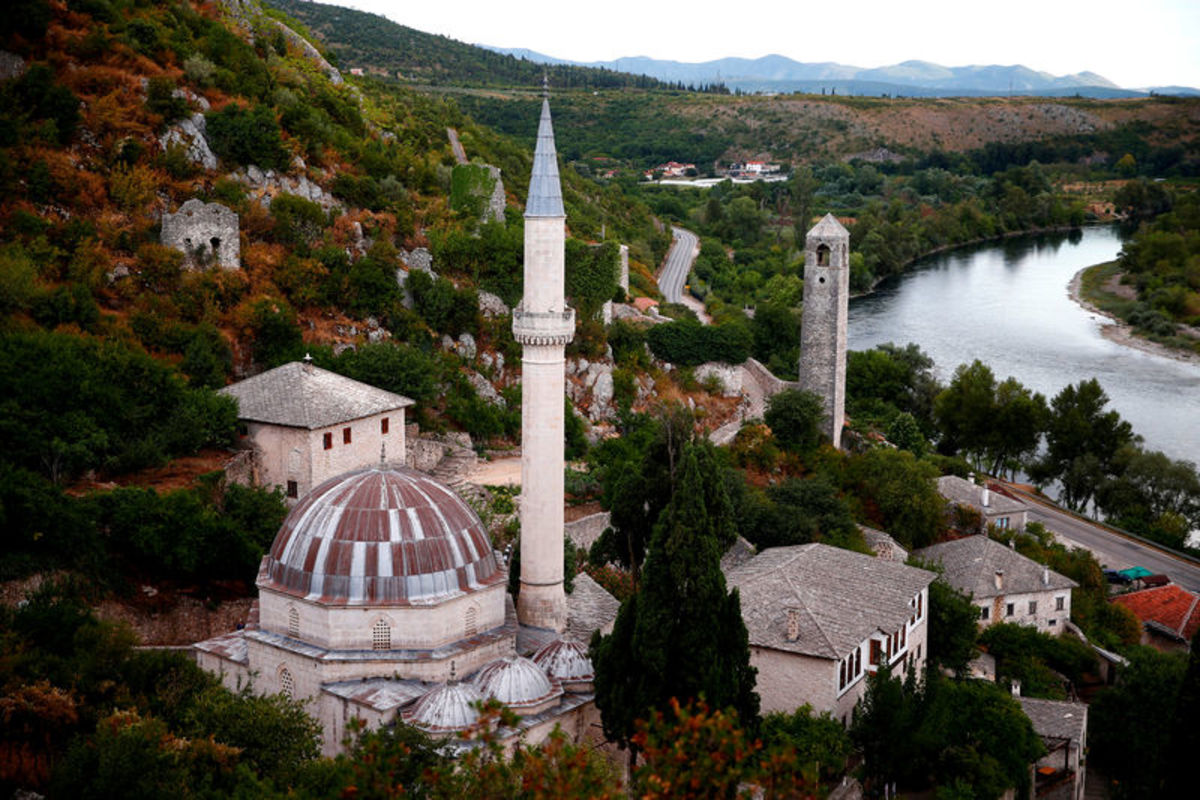
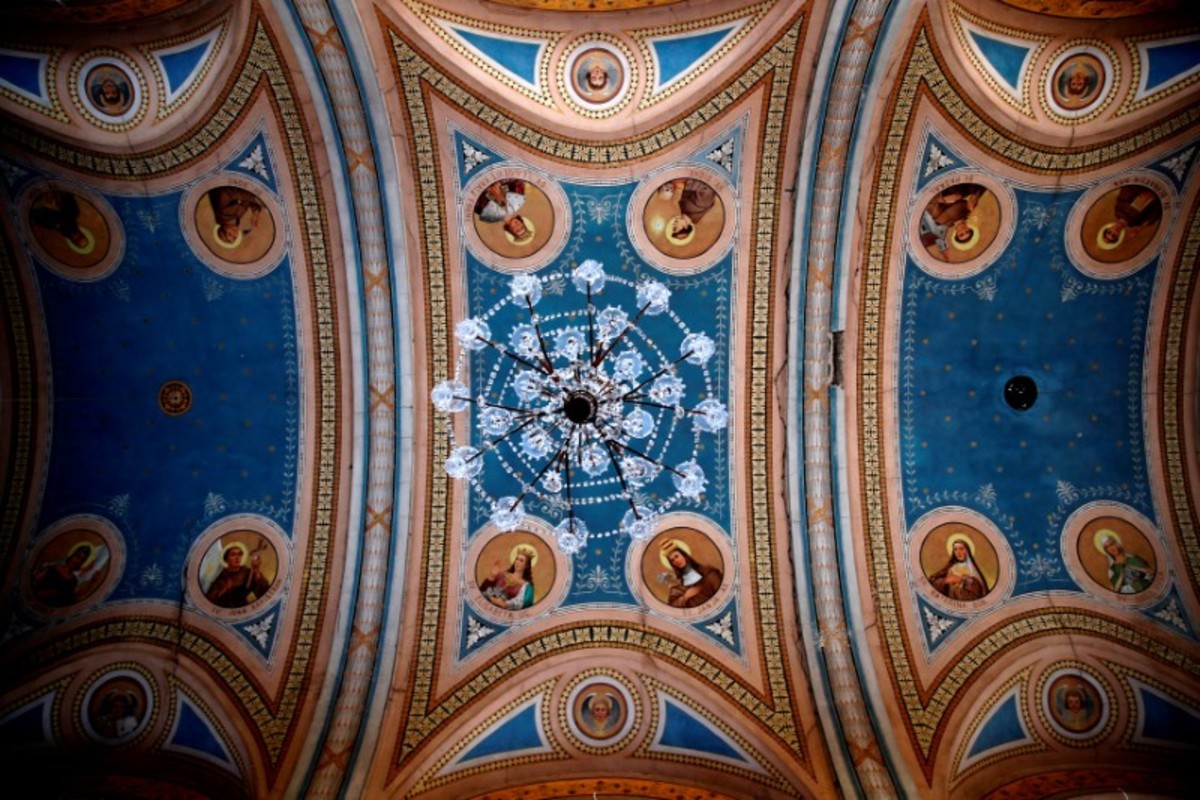
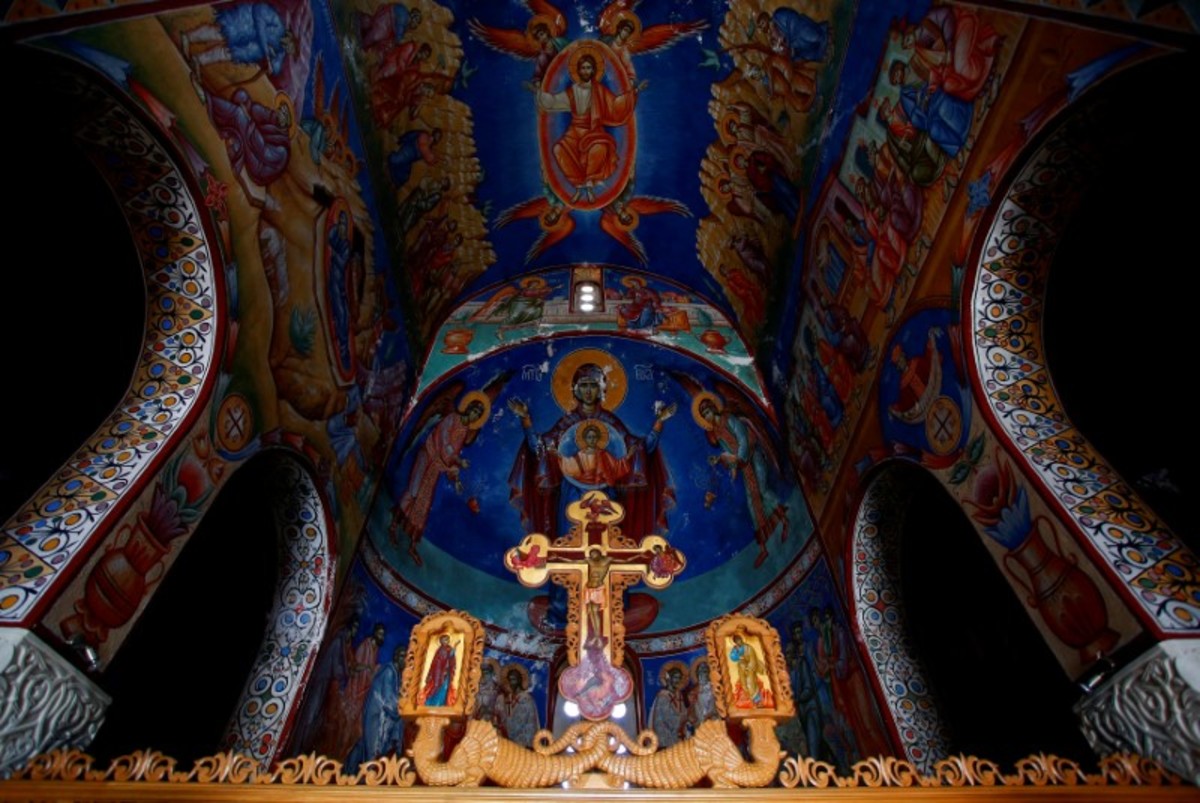
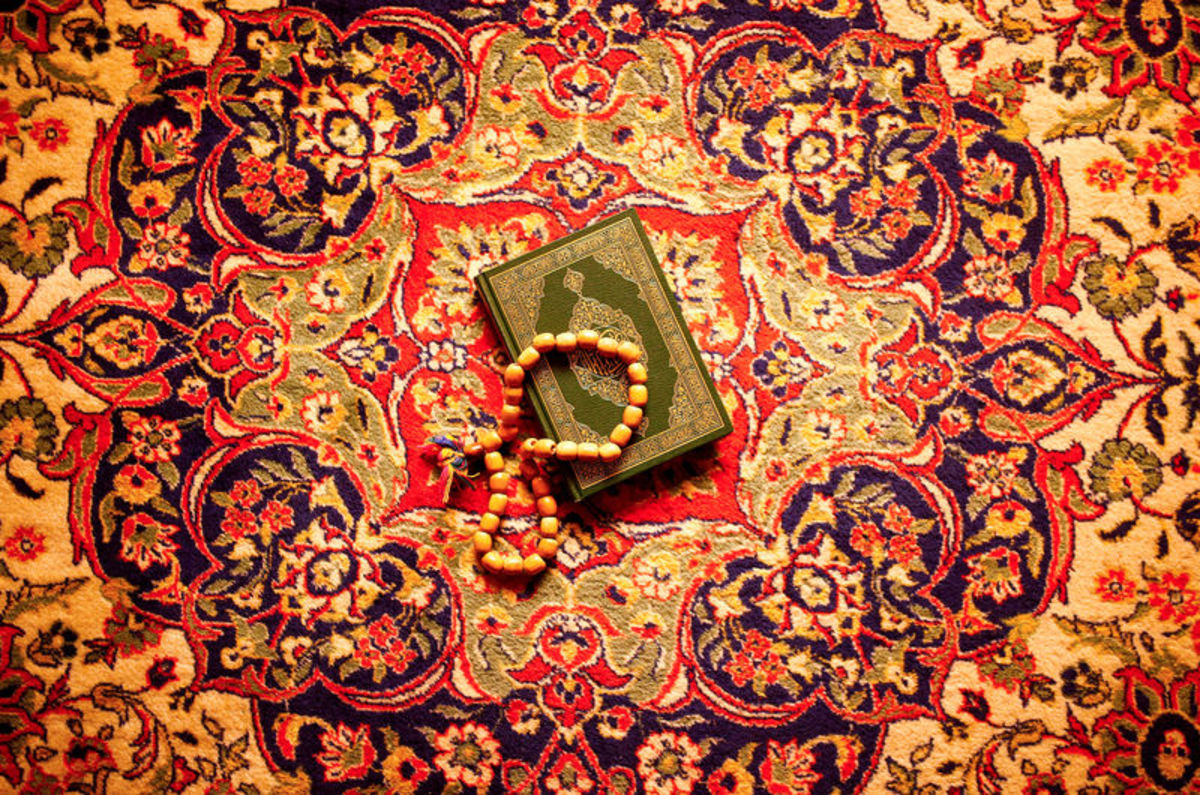
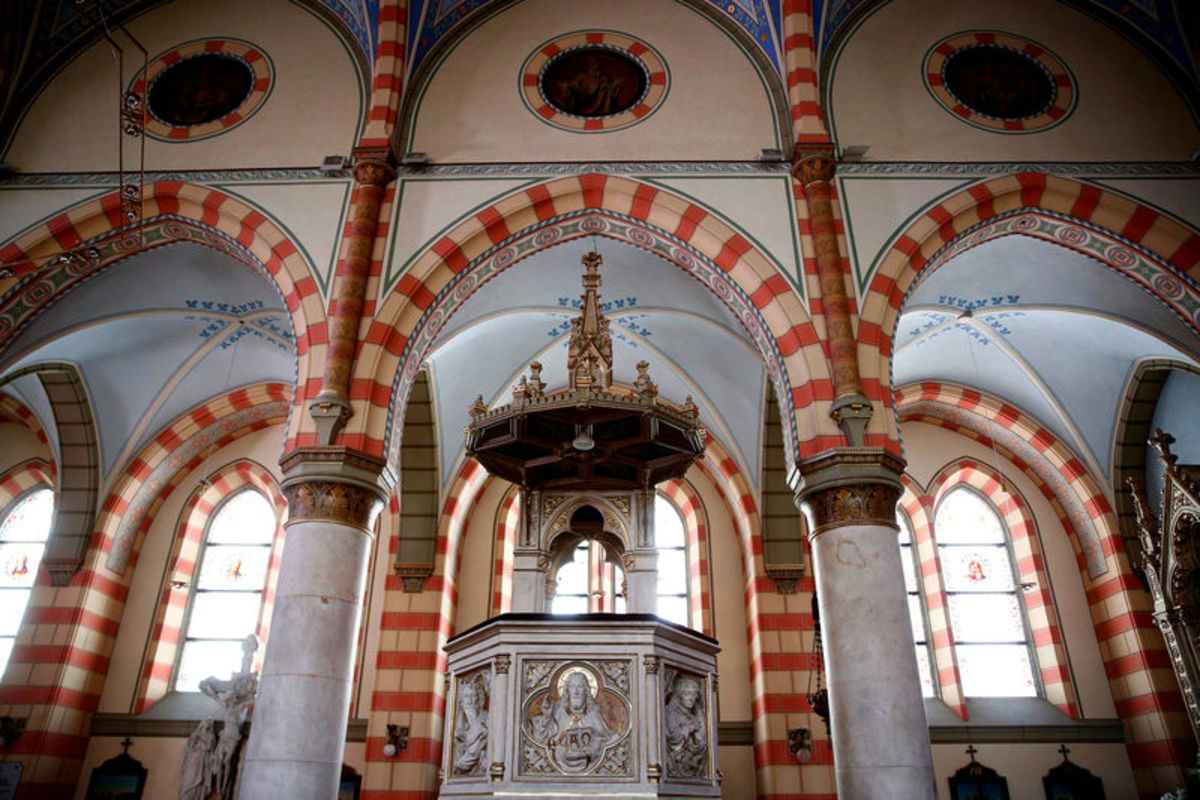
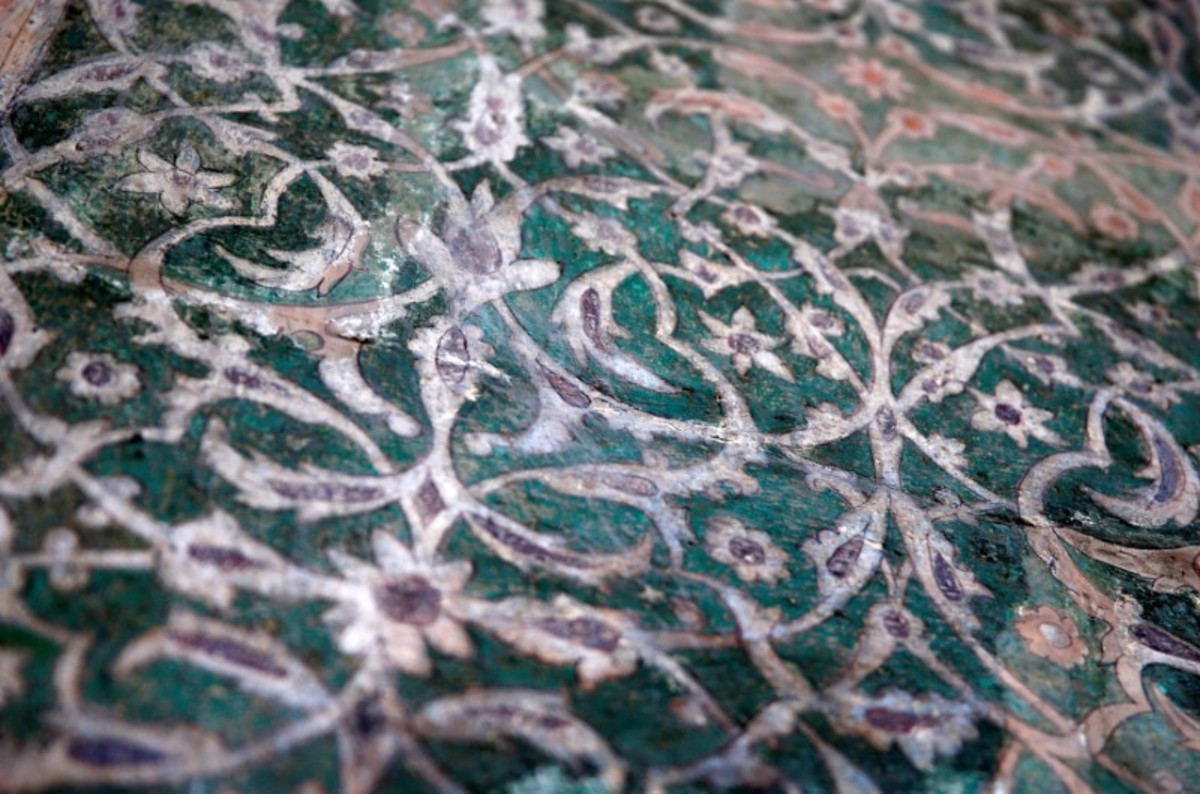
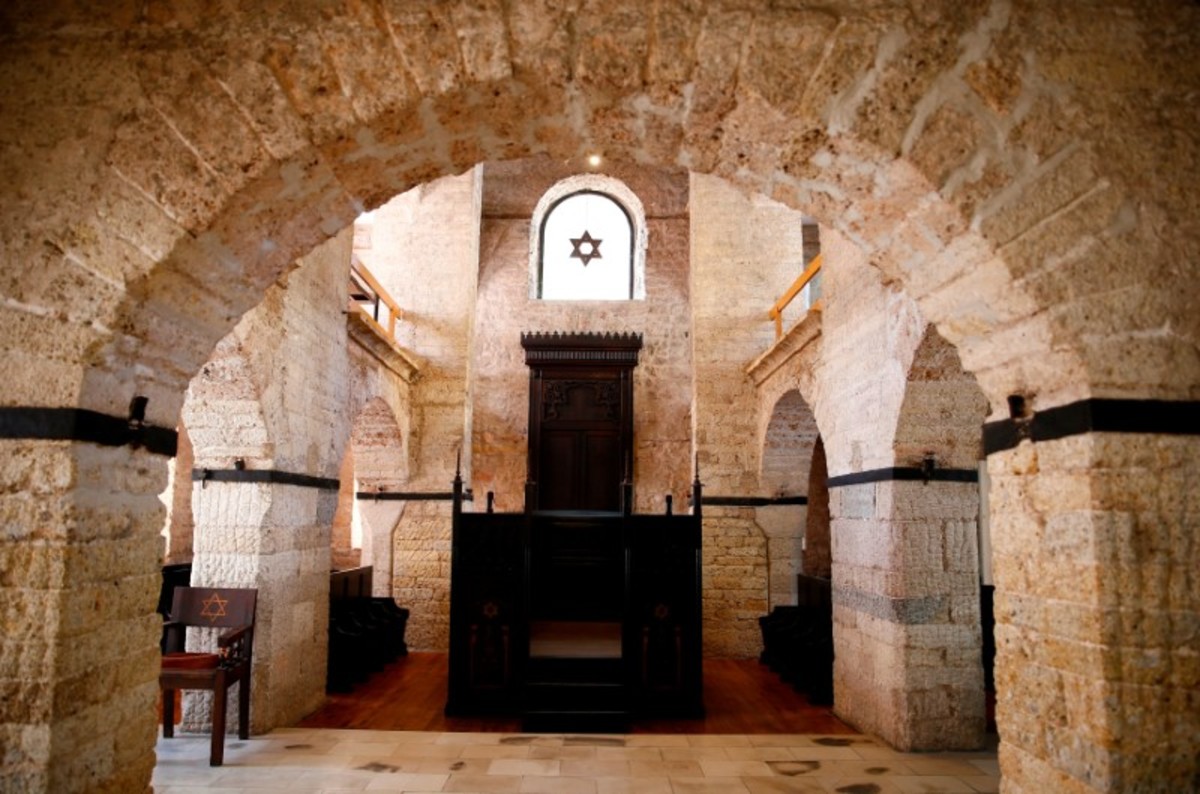
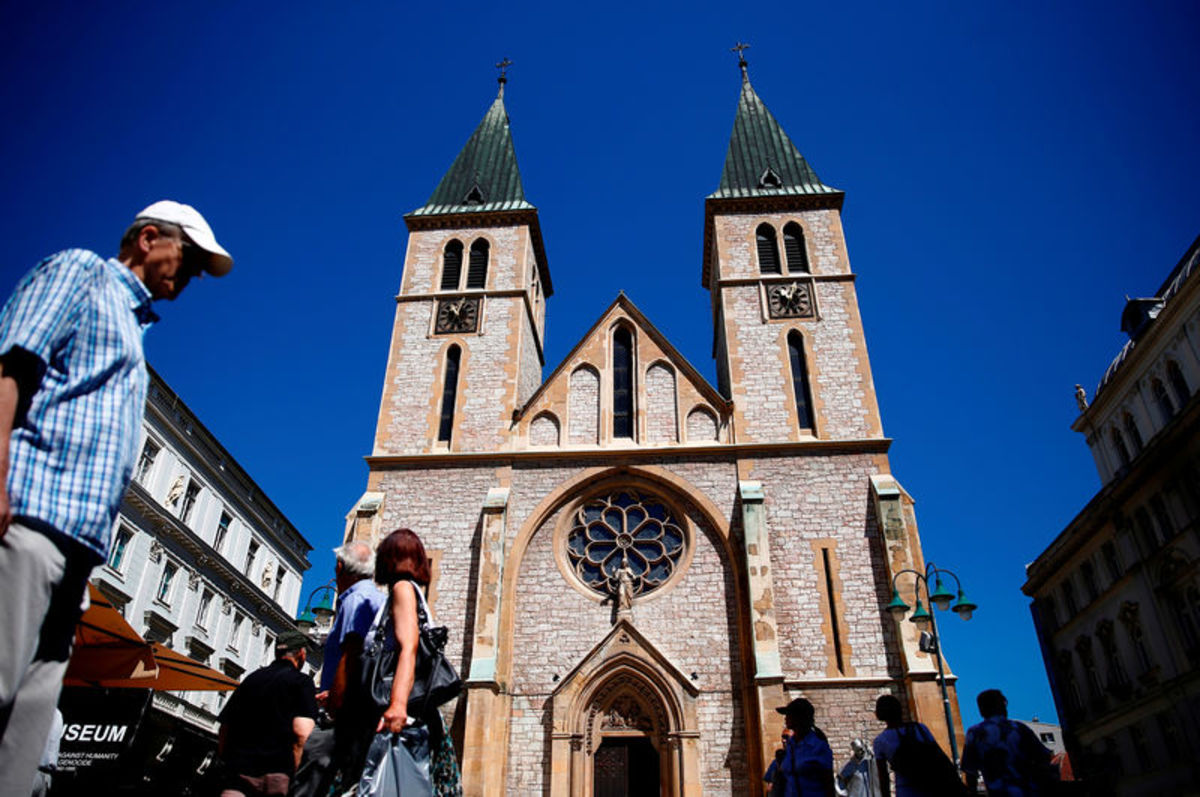
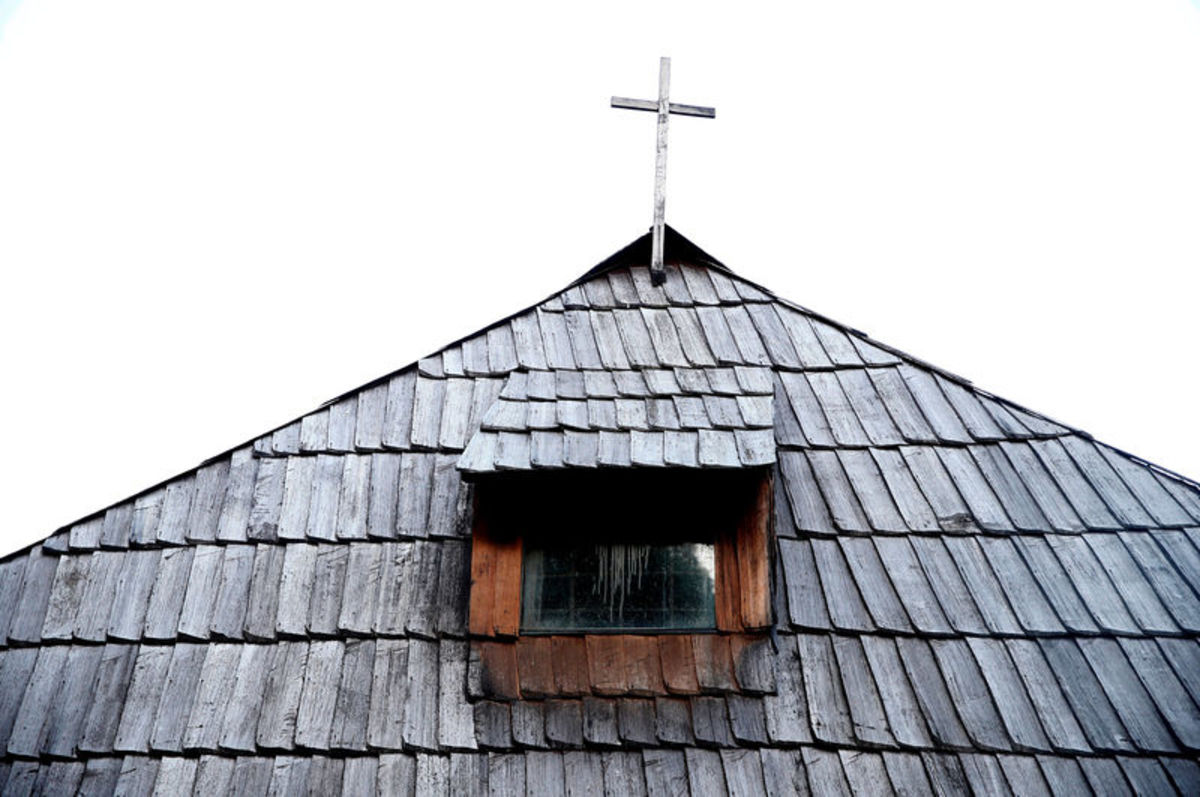
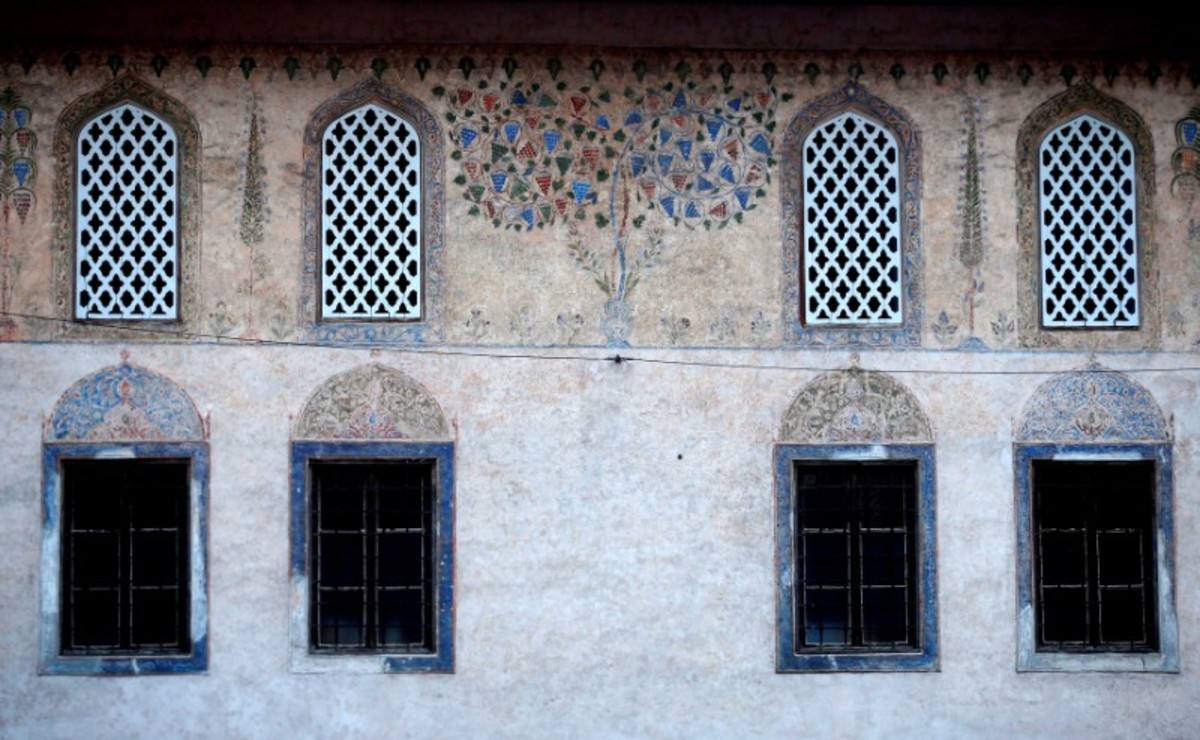
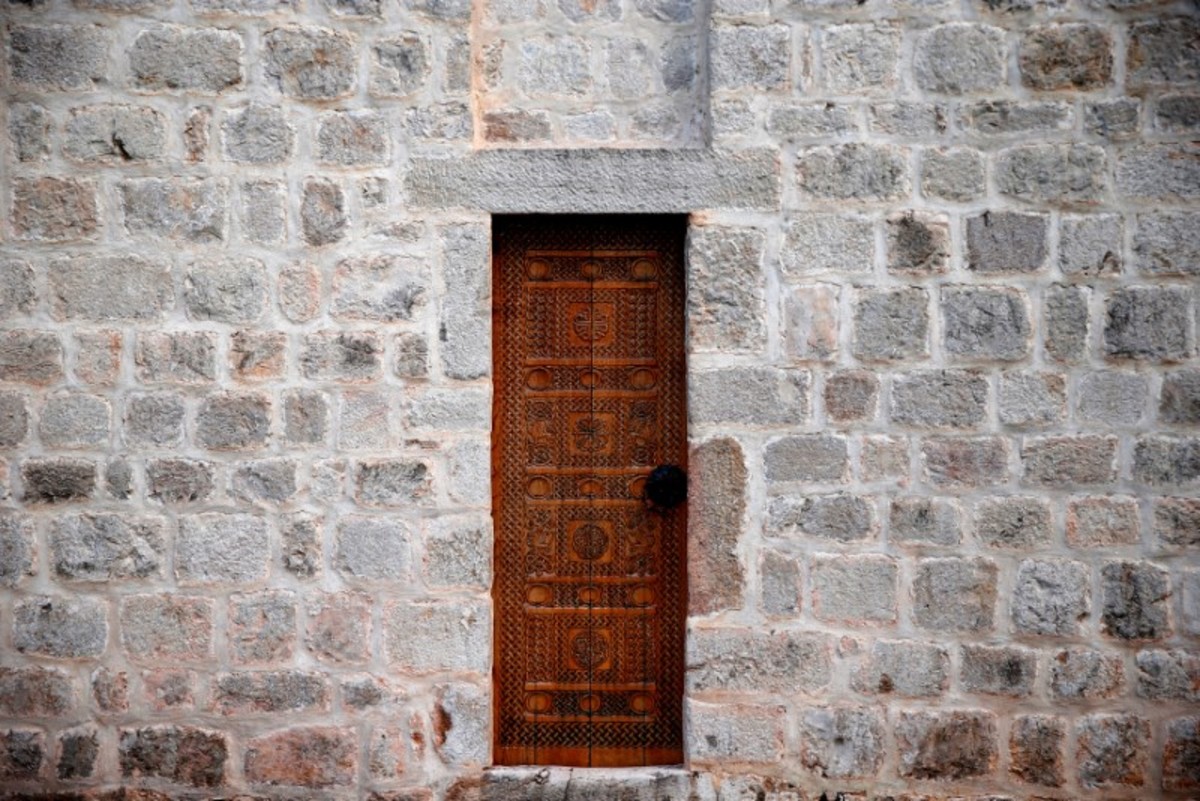
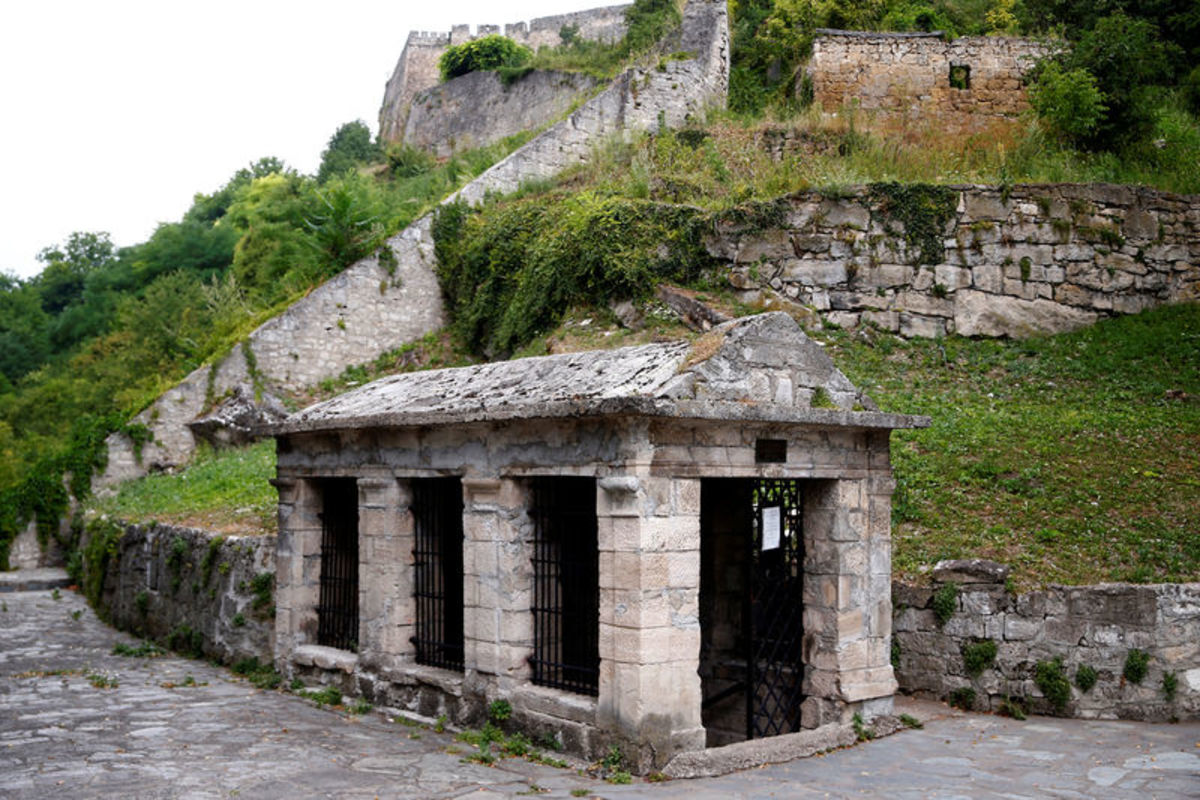
A statue stands in the interior of the Sacred Heart Cathedral in Sarajevo, Bosnia and Herzegovina, July 28, 2017. REUTERS/Dado RuvicShishman Ibrahim Pasha Mosque stands in Pocitelj, Bosnia and Herzegovina, July 27, 2017. REUTERS/Dado RuvicA chandelier hangs from the ceiling at Kraljeva Sutjeska Franciscan monastery in Kraljeva Sutjeska, Bosnia and Herzegovina, July 22, 2017. REUTERS/Dado RuvicPaintings cover the ceiling of Orthodox Temple Hercegovacka Gracanica in Trebinje, Bosnia and Herzegovina, July 27, 2017. REUTERS/Dado RuvicA copy of the Koran lies on a carpet at Sulejmanija Mosque in Travnik, Bosnia and Herzegovina, July 20, 2017. REUTERS/Dado RuvicDecorative paintwork adorns the walls and ceiling of the Sacred Heart Cathedral in Sarajevo, Bosnia and Herzegovina July 28, 2017. REUTERS/Dado RuvicA detail of a section of a wall is seen at Sulejmanija Mosque in Travnik, Bosnia and Herzegovina, July 20, 2017. REUTERS/Dado RuvicThe interior of the Old Synagogue is seen in Sarajevo, Bosnia and Herzegovina, August 2, 2017. REUTERS/Dado RuvicPeople walk past the Sacred Heart Cathedral in Sarajevo, Bosnia and Herzegovina, July 28, 2017. REUTERS/Dado RuvicSarajevo Ashkenazi Synagogue stands in Sarajevo, Bosnia and Herzegovina, July 28, 2017. REUTERS/Dado RuvicA crucifix is fixed to the roof of The Old Church in Vares, Bosnia and Herzegovina, July 22, 2017. REUTERS/Dado Ruvic Decorations adorn the walls of Sulejmanija Mosque in Travnik, Bosnia and Herzegovina, July 20, 2017. REUTERS/Dado RuvicA decorative wooden door is seen at Zitomislic Serbian Orthodox monastery in Zitomislici, Bosnia and Herzegovina, July 27, 2017. REUTERS/Dado RuvicAn entrance leads to an underground church and crypt in Jajce, Bosnia and Herzegovina, August 6, 2017. REUTERS/Dado Ruvic
Sign up to read this article
Read news from 100’s of titles, curated specifically for you.