Boris Johnson has been accused of downplaying the dangers of a no-dealBrexit, as rows erupted over a government paper warning of delays, disruption and disorder if the UK crashes out of the EU on 31 October.
Scottish first minister Nicola Sturgeon said that the Operation Yellowhammer document, presented by ministers as a worst-case outcome, had been described to the devolved government in Edinburgh as a baseline scenario.
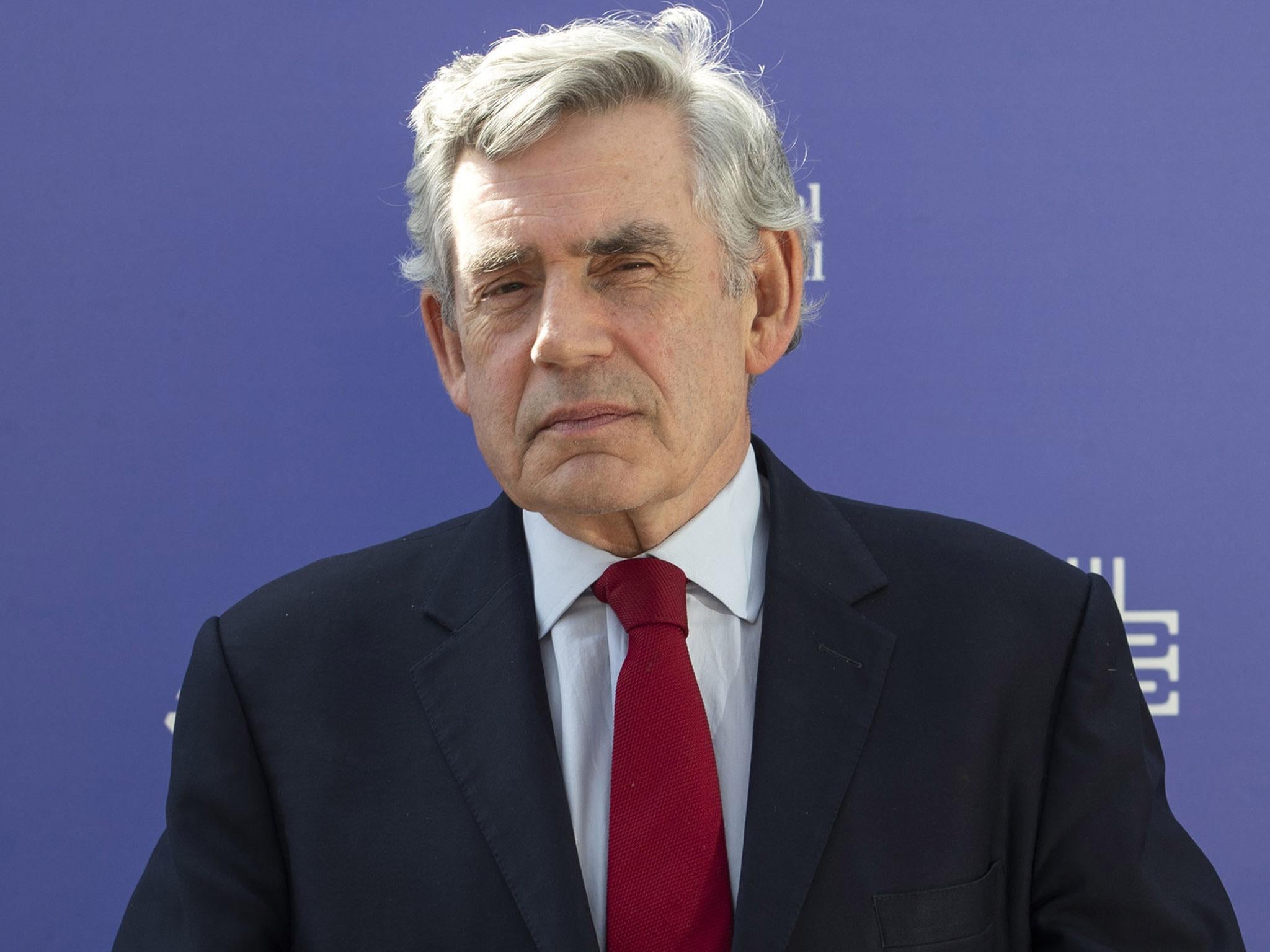
And former prime minister Gordon Brown wrote to Mr Johnson to complain that – despite the paper’s warnings of two-and-a-half day queues at Channel ports, energy price hikes and riots in the streets after a no-deal EU withdrawal - ministers are “still not telling the truth” about the threat to medical supplies and food.
In a speech in Edinburgh, Mr Brown said that more than 1 million medical consignments enter the UK from continental Europe every day.
He cited forecasts from the commercial director of the NHS of “severe” disruption for the first three months after a no-deal Brexit and “significant” problems for the next three.
Disruption at ports would create “huge problems” for the supply of insulin relied on by 1 million diabetics as well as life-saving epipens used for serious allergic reactions, flu vaccines and radio-isotopes to treat cancer, many of which come from the EU, he said.
“The truth is that we are not taking back control but losing control – of medical supplies and food and energy prices,” said Mr Brown.
“The worst-case scenario document downplays the risks to medical supplies, the threat to household budgets and the damage inflicted on the most vulnerable.
“We now know from Yellowhammer that no-deal Brexit is an unnecessary act of self-harm but ministers are still not telling the truth about the sheer scale of the self-inflicted wounds.”
Pictures of the Yellowhammer document received by the Scottish government showed it bore the title “base scenario” rather than the “reasonable worst-case planning assumption” heading on the version released to the public on Wednesday after the government was forced by MPs to publish it.
“What we have seen in the Scottish government is what was published last night,” said Ms Sturgeon.
“The only difference I can confirm is in the title of the document … It is for the UK government to explain if there is any significance to that.”
She added: ”I do think the publication of the Yellowhammer planning assumptions lays bare for the public the horrors of a no-deal Brexit. It is shocking that it has taken so long for that information to be published.”
A government source insisted that the Yellowhammer exercise had always been designed to establish the worst outcomes which the authorities should be preparing for, and it would be a “gross misrepresentation” to portray it as a forecast of what would actually happen.
Some versions of the documents drawn up by civil servants used the phrase “base scenario” to describe “overarching conditions upon which specific reasonable worst-case scenarios are then built”, said the source.
Shadow chancellor John McDonnell repeated his call for parliament to be recalled immediately in the wake of the Yellowhammer release.
“The serious consequences of a no-deal Brexit have been exposed by the Yellowhammer documents,” he said. “Parliament should be sitting now.”
Mr Johnson sought to play down the significance of the paper, saying that ministers had been “massively accelerating” their no-deal preparations since he entered No 10 in July.
“If we have to come out on 31 October with no deal we will be ready and the ports will be ready and the farming communities will be ready, and all the industries that matter will be ready for a no-deal Brexit,” he said.
“What you’re looking at here is just the sensible preparations – the worst-case scenario – that you’d expect any government to do.”
But former attorney general Dominic Grieve said it was “unprecedented” for a government deliberately to inflict on voters the level of disruption set out in the paper.
Mr Grieve, who was thrown out of the Conservative parliamentary party for voting against no deal last week, said: “I am pleased they are taking contingency plans, but it is still the most extraordinary document.
“Even if we are ready for a no-deal Brexit, this is highly disruptive and costly. And I think the issue here is that the public should have a proper understanding of the sort of level of disruption that no-deal is going to cause.”