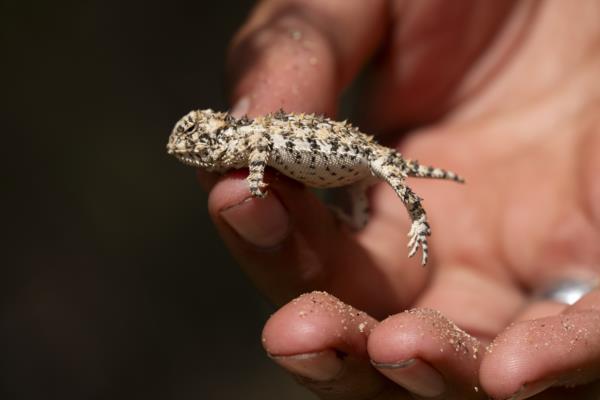
In a unique initiative called the Border Bioblitz near the Mexican community of Jacumé, botanists and citizen scientists are documenting the rich biodiversity along the U.S.-Mexico border. Equipped with the iNaturalist app, roughly 1,000 volunteers are capturing photos of various plant and animal species to help identify and record them.
The region's natural richness, often overshadowed by issues like drug trafficking and migrant smuggling, is the focus of this effort. The hope is that the data collected could lead to increased protections for the ecosystem split by the imposing border wall.
Initiated in response to the construction of border walls that threatened biodiversity hotspots, the project aims to address the alarming rate of species extinction globally. With climate change, habitat loss, pollution, and development posing significant threats, efforts to document and protect biodiversity have gained momentum.
While the United Nations is set to convene a meeting to discuss conservation targets, the Border Bioblitz is actively engaging local communities and scientists to explore and safeguard the unique flora and fauna of the borderland.
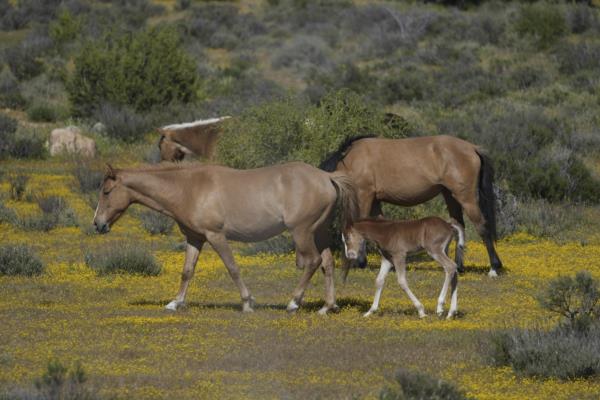
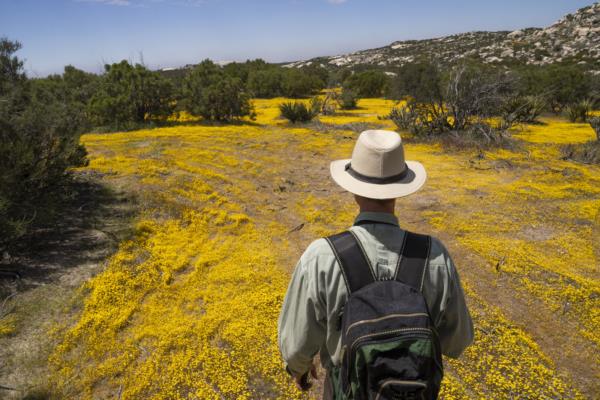
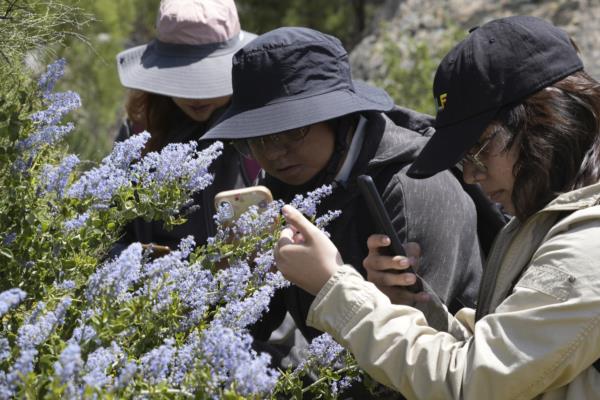
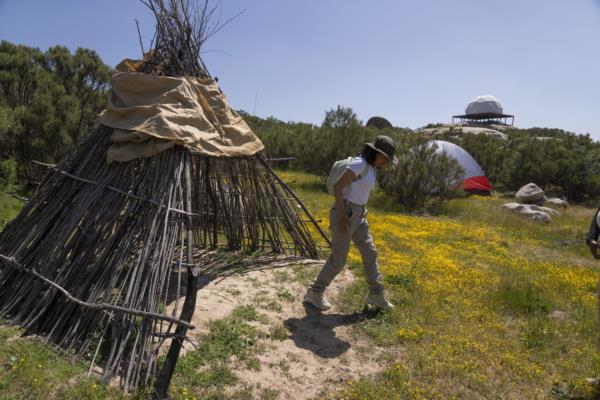
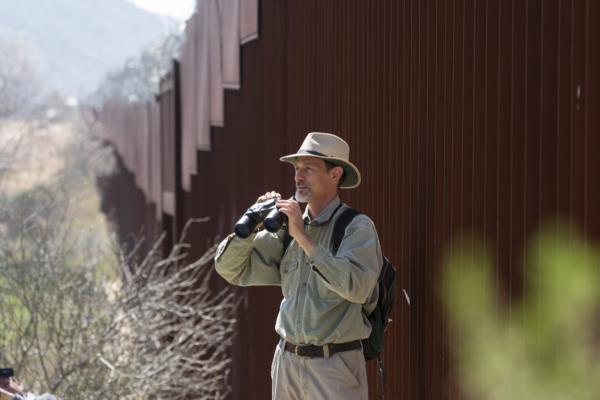
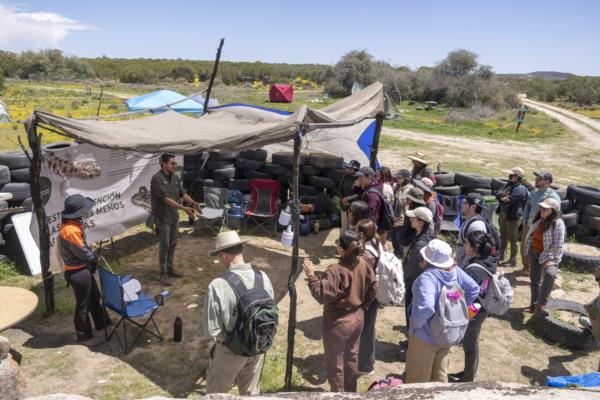
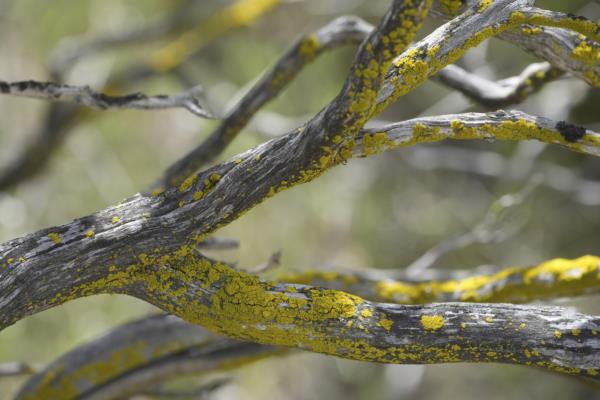
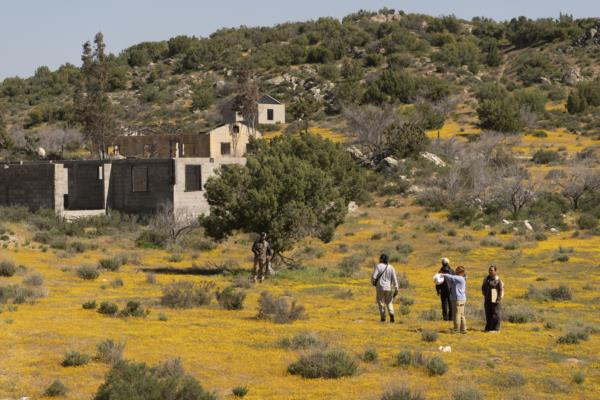
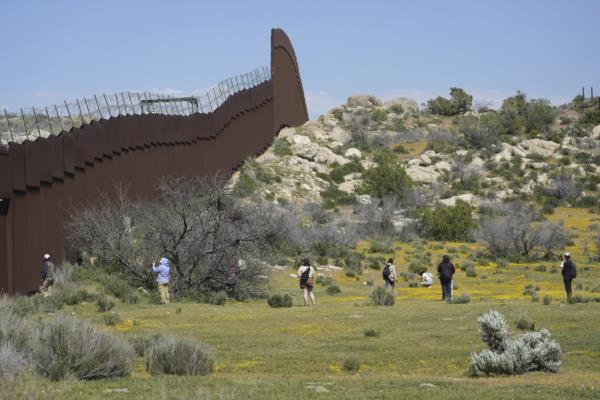
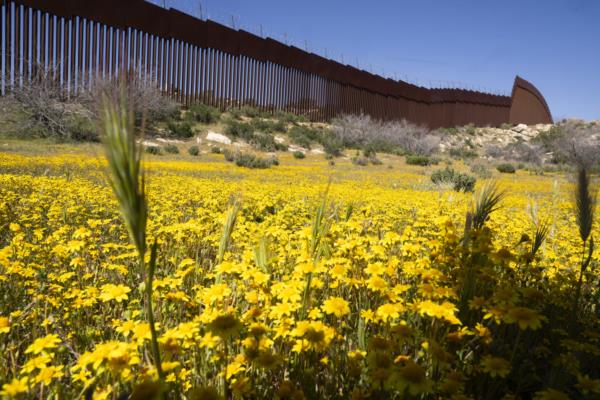
Despite challenges such as crime and restrictions on research permits, scientists are making remarkable discoveries. New plant species have been identified, some of which were thought to be extinct. The collaborative efforts of researchers from both sides of the border have proven fruitful in locating and preserving rare and endemic plants.
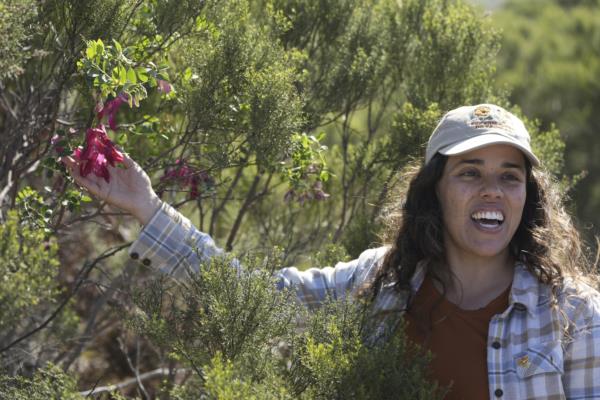
By raising awareness and advocating for increased protections, scientists like Mariana Fernandez are striving to ensure the conservation of native plants in regions like Baja California. Through educational hikes and community engagement, they aim to showcase the beauty and importance of preserving the natural heritage of these areas.
As border security intensifies and migration patterns shift, the need to safeguard biodiversity along the border becomes even more critical. The Border Bioblitz serves as a beacon of hope, highlighting the significance of conservation efforts amidst the challenges posed by human-made barriers and increasing displacement worldwide.