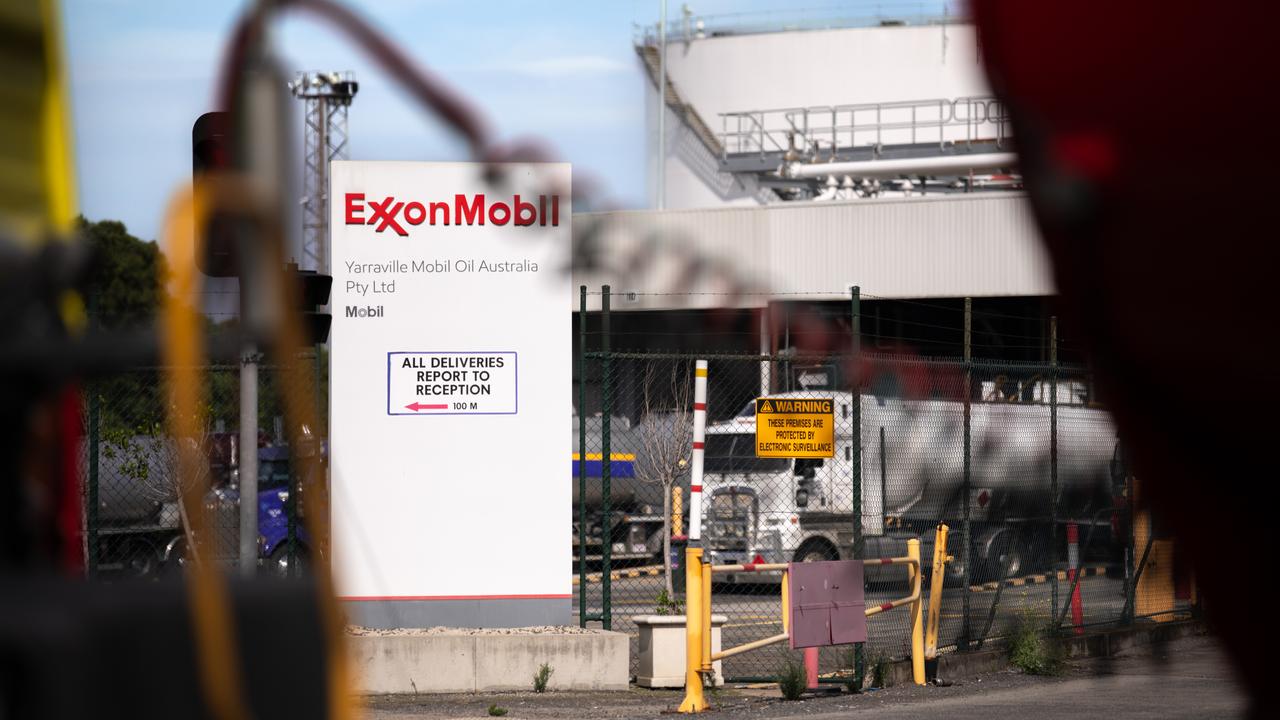
Diesel standards have been lowered in a bid to help suppliers bring more fuel into the domestic market as service stations run dry.
At least 184 service stations had run out of fuel across Australia's three most populous states by Tuesday as the Middle East conflict strangles supply.
Fifty-one out of about 2500 outlets in NSW were out of fuel and 164 were without diesel, compared with 38 and 131 respectively the previous day, NSW Premier Chris Minns revealed in parliament.
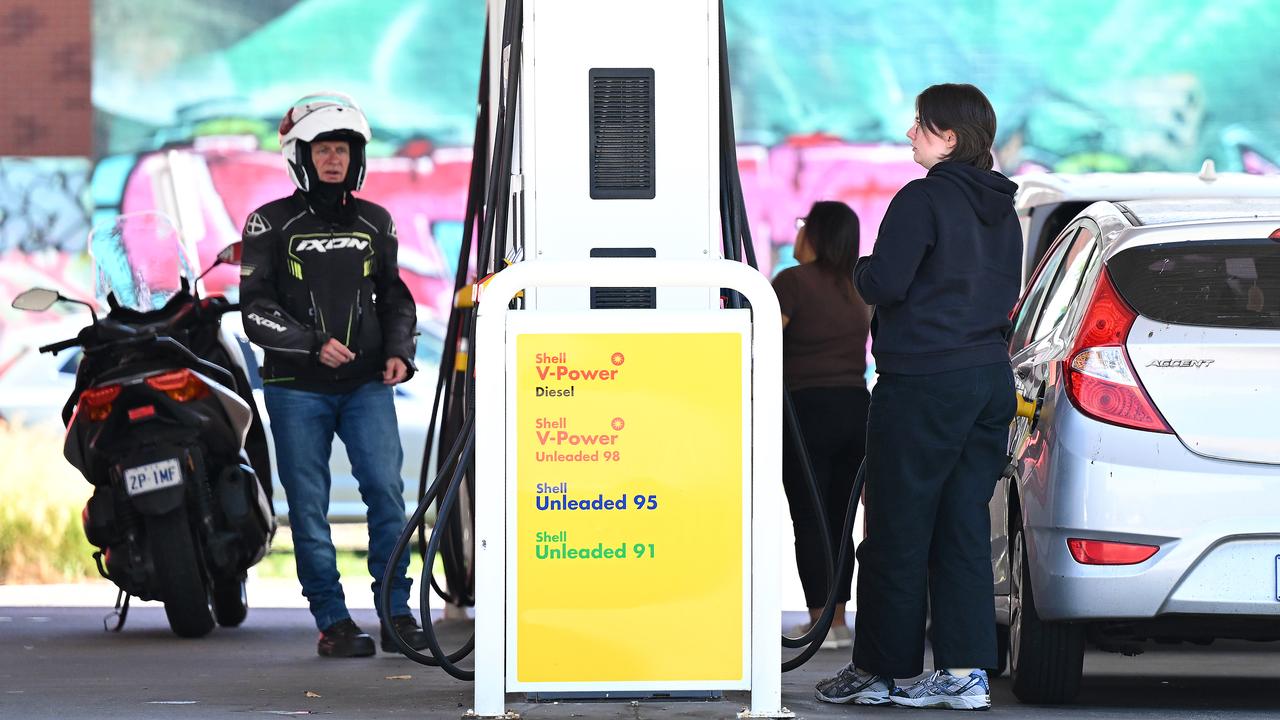
In Victoria, 162 service stations were out of petrol and 83 were without diesel, while there were 35 stations in Queensland out of regular unleaded and 55 stations with no diesel.
Energy Minister Chris Bowen on Tuesday announced a six-month adjustment to lower the "flashpoint" for diesel from 61.5C to 60.5C, increasing diesel supply options from refiners and international sources.
A flashpoint for a liquid is the lowest temperature it can ignite when exposed to a fire.
Mr Bowen said flashpoint changes had no impact on engines or emissions and did not require changes to storage or handling protocols.
The measure aims to help suppliers bring more fuel into the market for farmers, truckers and regional communities.
The coalition has launched an online fuel shortage map, while the Greens have proposed free public transport as the Iran war drags on and impacts domestic supply.
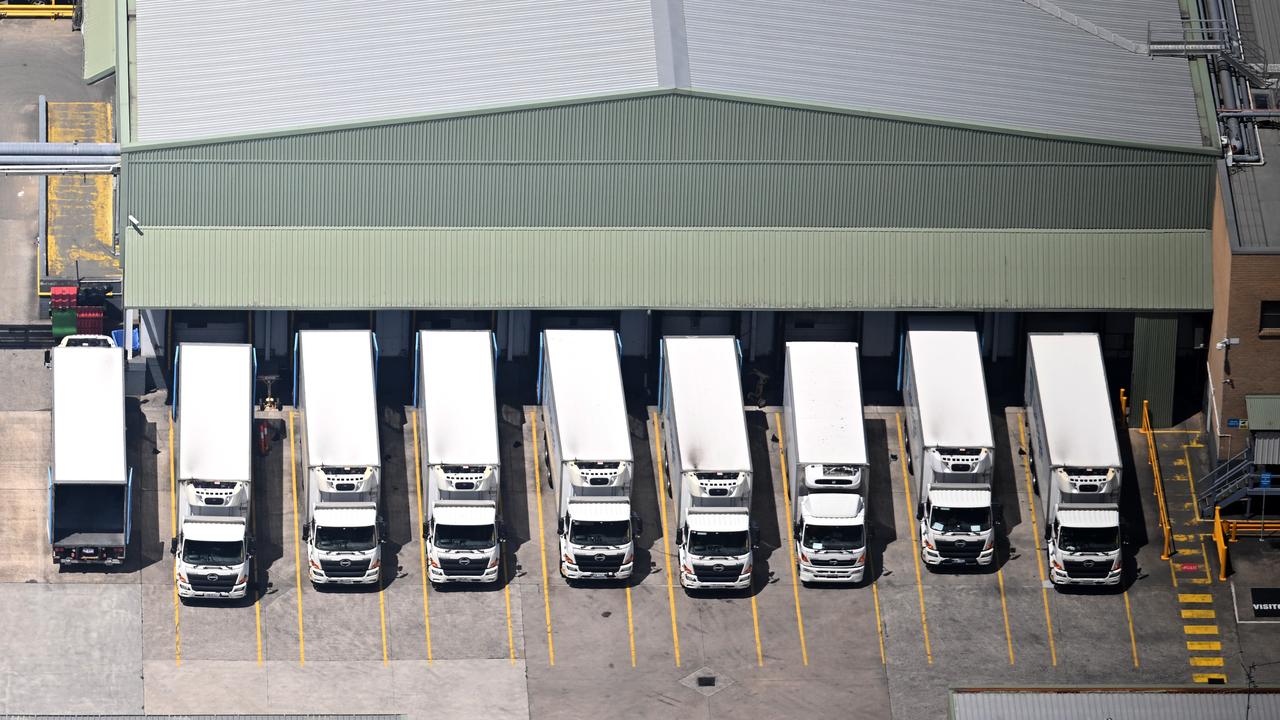
Nationals Senator Bridget McKenzie said the coalition's community reporting platform would map fuel shortages across Australia to provide a direct line to parliamentarians.
"We have launched this in an effort to help Chris Bowen help you, because we know that you aren't getting the information you need to give Australians the confidence they need to get through this crisis," she told reporters in Canberra.
She denied the website would promote panic buying because it won't publicly report where shortages are.
Greens leader Larissa Waters urged governments to make public transport free as a cost of living relief measure and to free up fuel for farmers and families in the regions.
"Our government needs to step up and help ordinary people with the cost of this fuel crisis and start with free public transport," she said.
The government's fuel supply taskforce meets for the first time on Tuesday afternoon.
State and territory leaders appointed Anthea Harris, the former chief executive of the nation's energy regulator, to lead the taskforce and co-ordinate efforts between jurisdictions on fuel supply chains.
Federal minister Amanda Rishworth said the government was doing all it could to guarantee fuel supply despite continued shipping restrictions in the Strait of Hormuz, where one-fifth of the world's oil supply flows through.
"We still have fuel coming to this country. We're working with states and territories to make sure that the distribution gets the fuel to where it needs to go," Ms Rishworth told Nine's Today program.
The rise in fuel prices - diesel has increased to more than $3 a litre in some areas - has prompted the government to fast-track support.
Labor said it would make changes to the Fair Work Act to allow truck drivers and transport businesses to make emergency applications for contract changes in response to the fuel price spikes.
The changes will allow trucking companies to re-negotiate their contracts faster and remove a six-month minimum waiting period for orders so companies aren't caught out by higher prices.
The changes would help spread costs more fairly across the supply chain and support a critical industry, Ms Rishworth said.