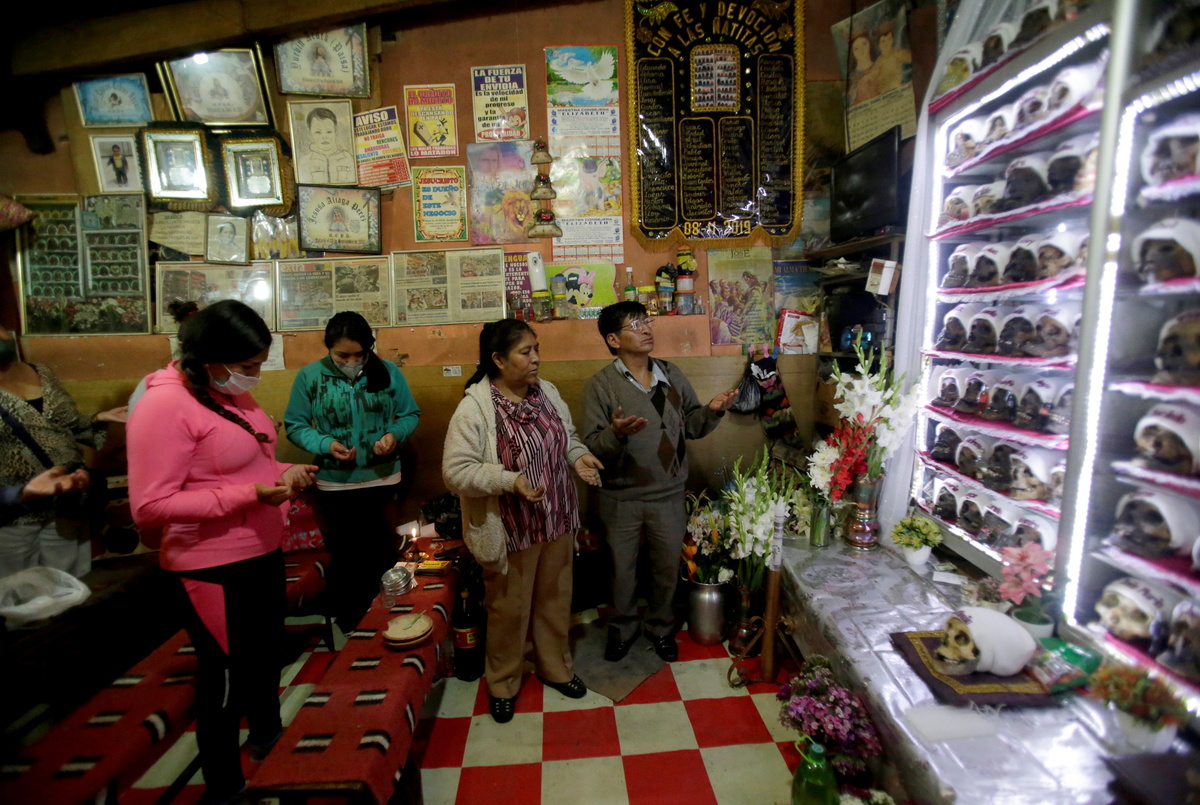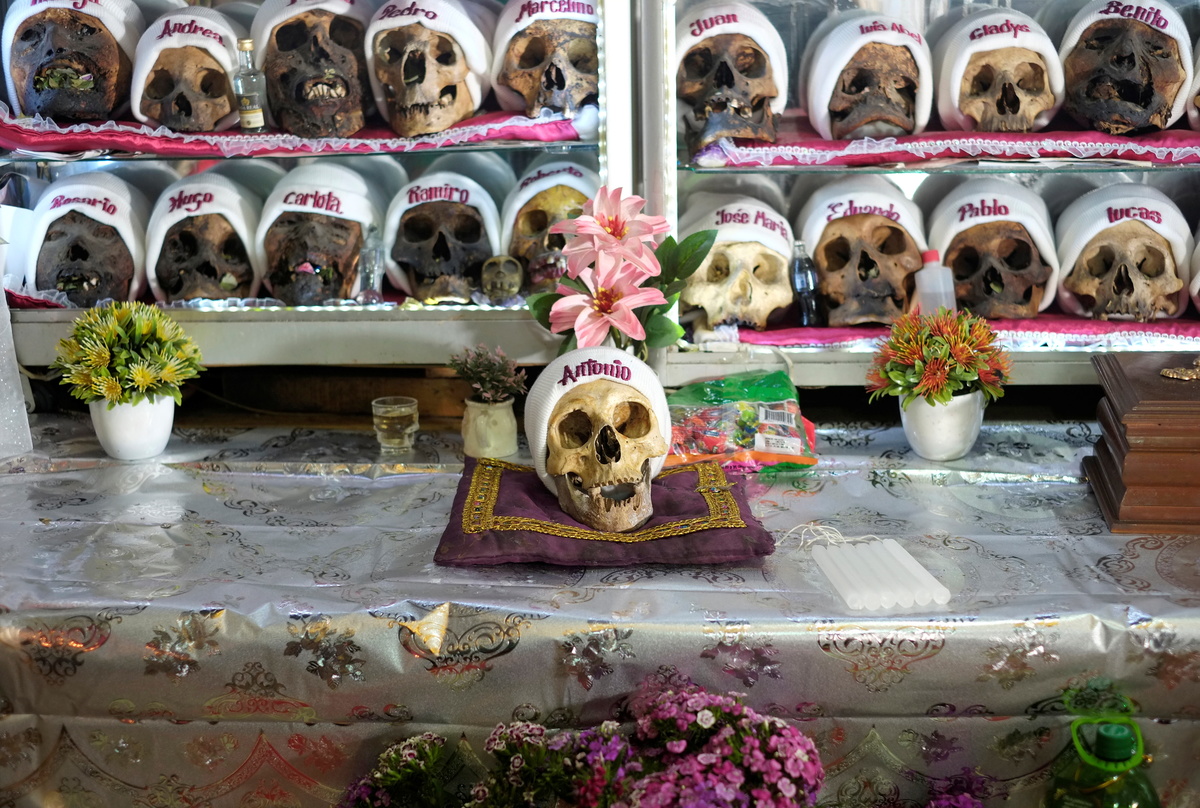
Bolivians celebrated the Day of Skulls over the weekend, a colorful tradition rooted in ancient indigenous beliefs that is meant to bring good fortune and protection by honoring the dead.
Known as "ñatitas," the skulls are decorated and paraded to the cemetery a week after All Saints Day. Some are adorned with sunglasses and cigarettes as well as colorful flowers and hats.
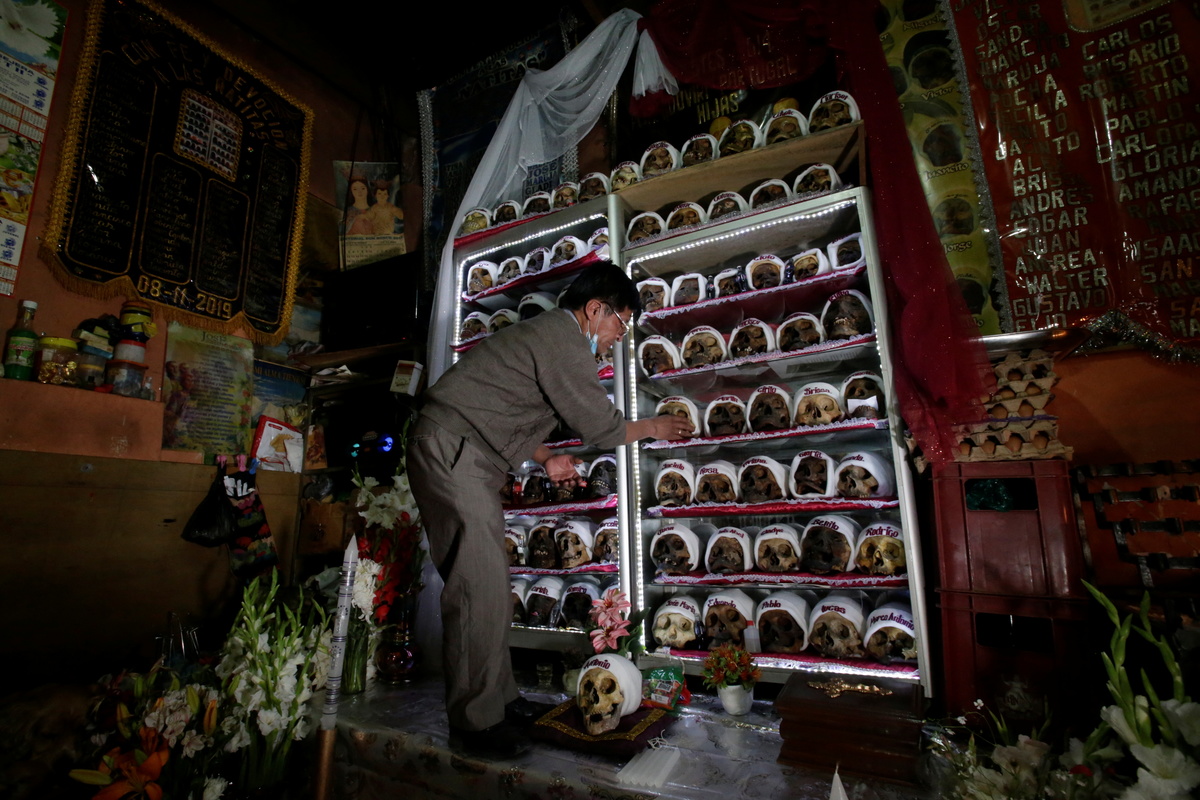
The celebration of the skulls, which are kept indoors most of the year, is believed to have its roots in the Uru Chipaya custom of disinterring the bodies of loved ones at the one-year anniversary of their death.
The festival this year coincides with the inauguration of Bolivia's new President Luis Arce, which caps a turbulent year for the Andean country that has been rattled over the last year by political upheaval and the coronavirus pandemic.
"We come to ask or the devotees come here to ask for the favors they want, especially asking for health and for the well-being of family," said Angel Aduviri, celebrating the day, adding the skulls helped people get things they needed.
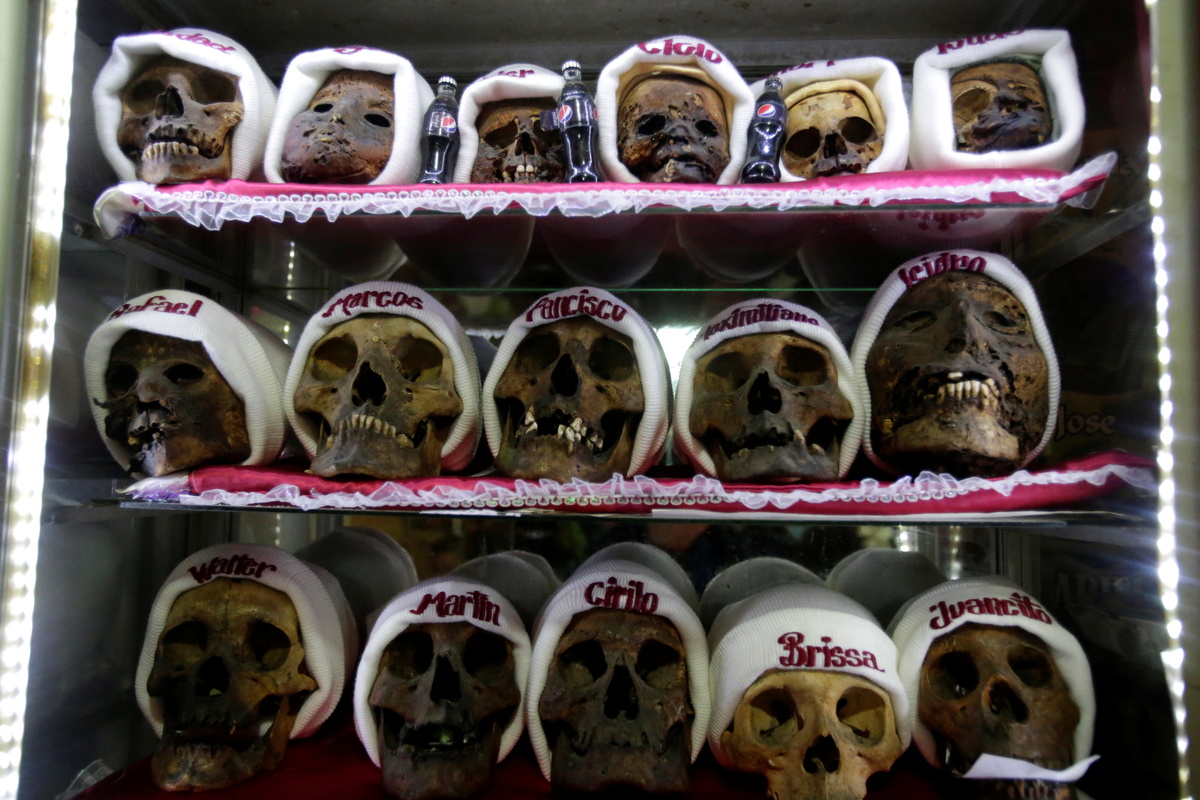
"In 2014 a person told the skulls that he wanted to be a lawmaker and the skulls granted his wish, the person was elected a lawmaker."
Traditions and cultures of the Aymara, Quechua and other groups remain strong in Bolivia, where indigenous people are a majority in a country set in the heart of South America.
Arce's socialist MAS party, which was in power for almost 14 years under indigenous leader Evo Morales until he was ousted last year amid protests, has traditionally had strong ties with the country's indigenous groups and movements.
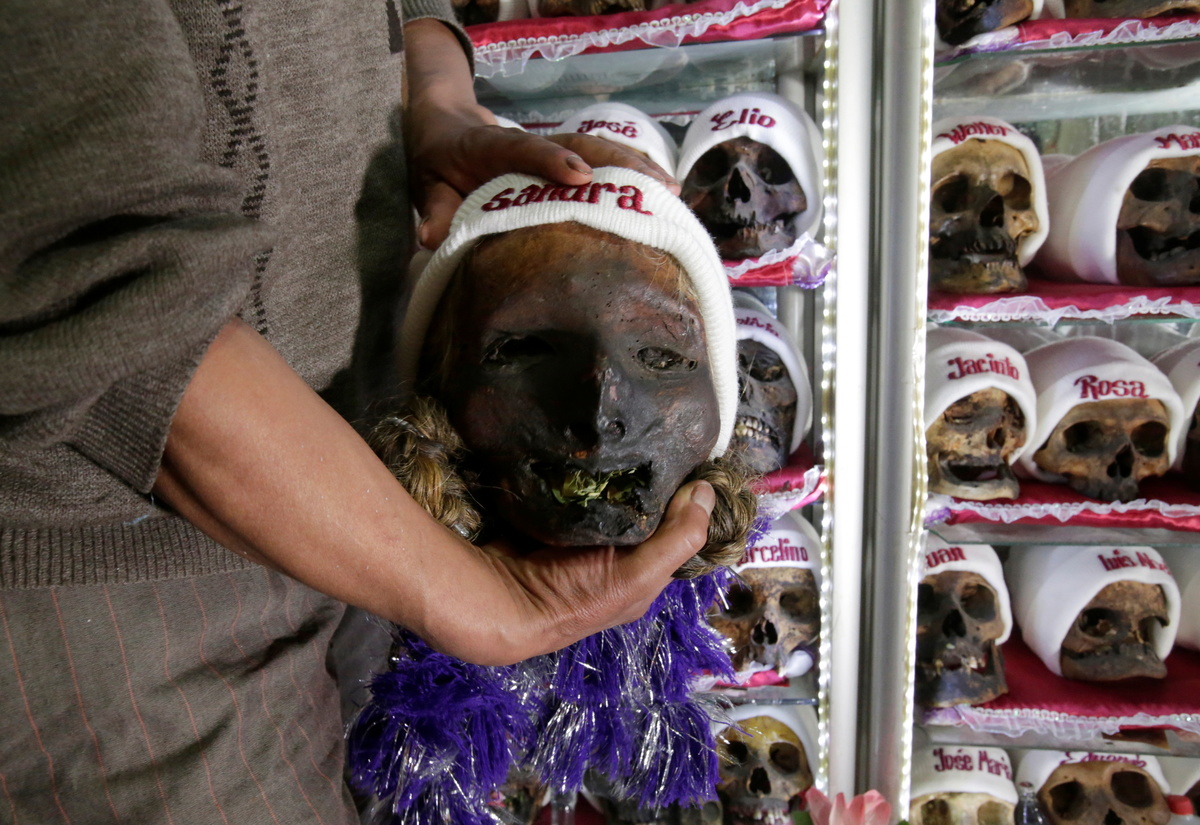
"I have come to visit the Natitas, we come every year, there are many devotees," said devotee Rosario Zelaya. "They are our angels, they take care of us, guide us, help us, protect us and bless us. Obviously first God and then our souls."
(Reporting by Santiago Limachi and Monica Machicao, Reuters Television; Writing by Adam Jourdan; Editing by Sandra Maler)