Fundraisers are some of the world's best communicators. When it comes to conveying a need or the plight of charity beneficiaries, there is no one better. And yet, when there is a problem that effects public giving, we can be loathe to talk about it for fear of putting donors off.
Whether we are talking about different forms of giving, the way that charities fundraise or external factors, it is essential that we break down the barriers, educate the public about how giving really works and are upfront about some of the problems.
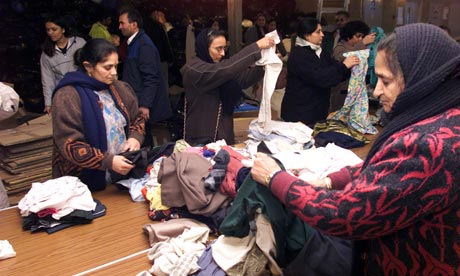
Bogus charity bag collections is one of these problems, costing charities an estimated £50m over the past year alone. The Fundraising Standards Board (FRSB) has come together with fellow trade bodies the Institute of Fundraising (IoF), the Charity Retail Association and the Textile Recycling Association, to launch a public awareness campaign about the issue. We want to get people thinking more carefully about the household goods collections they support.
Seeking to help people distinguish between legitimate and fraudulent collections, the Bogus Bags campaign encourages them to give with confidence to genuine UK charities. And yet, it is impossible to help the public make this distinction without first alerting donors that there is a problem. Criminal gangs are co-ordinating collections of household goods that give the impression of being charitable, but are typically resold in eastern Europe.
By highlighting the problem we risk turning some people off giving to household collections altogether. But, without doing anything, the risks are far greater. Charities continue to lose donations both to thieves and bogus collectors, and public mistrust grows. Donors are left unwittingly funding serious organised criminal activity and feeling abused as victims of bag theft, uncertain about giving to household collections in the future.
Of course, what we want from the campaign is to safeguard this important fundraising avenue, to rebuild trust and confidence, informing donors how they can give safely. We are reassuring the public that the large majority of collections are legitimate, and emphasising how much charities need this income stream. We offer practical advice for residents, helping them determine whether a collection will benefit a genuine charity.
The Bogus Bags campaign advises residents to check charity collection bags for details of what the organisation's funds are being raised for and to cross-check the registered charity number with the Charity Commission. Donors are encouraged to look for the FRSB "give with confidence" tick logo and to call the charity or local council if they wish to query collections.
And what can charities themselves do? It is crucial that any collections are carried out in keeping with the best practice guidance set out in the IoF's house-to-house code of practice. This means, among other things, that charities must have the necessary permissions and licenses required for charitable collections. Even if your charity is exempt you should notify the licensing authority to ensure that there aren't too many collections going on at one time.
Contracts should be drawn up with relevant third parties and you must ensure that any solicitation statement reflects this arrangement clearly, in a way that the public will understand. It is an opportunity to educate the public about how working with a commercial organisation enables your charity to reach many more supporters and meet the needs of beneficiaries. It is a very efficient way of working.
If each charity demonstrates consistently high standards, it will be easier for the public to spot bogus campaigns. Use the FRSB tick logo on collection materials and accompanying literature as a highly visible message to the public that they can trust in your charity and give confidently. If you are a member of another trade body, consider what other kitemarks may be available for you to use.
Be eyes and ears yourselves. If you see any dubious collection, look into it and report any serious suspicions to the National Fraud Intelligence Bureau's charity desk on 020 7601 6999.
Communicate honestly and openly with your donors about what is going on and how important this fundraising channel is for your organisation. Where there is a problem, we owe it to donors to talk about it and build their understanding of the issues that modern day charities face.
What charities can do to reduce bogus bag collections:
• Make sure your collections and materials meet best practice standards, clearly differentiating them from bogus collections.
• Ensure you have the necessary licences and permissions and that the charity is aware what collections are being done in what area at what time, so that you can answer queries from the public about it.
• If you have signed up to industry standards, demonstrate that commitment to donors by using the appropriate kitemark on your collection materials and literature.
• Communicate with the public, responding honestly and openly to their feedback about your collections.
• Watch out for suspicious activity yourselves and if you have serious concerns about a collection, report it.
Alistair McLean is the chief executive of the Fundraising Standards Board
This content is brought to you by Guardian Professional. To join the voluntary sector network, click here.